 EN

how-do-environmental-factors-affect-industrial-hoses, how-do-environmental-factors-affect-industrial-hoses, /news
EN
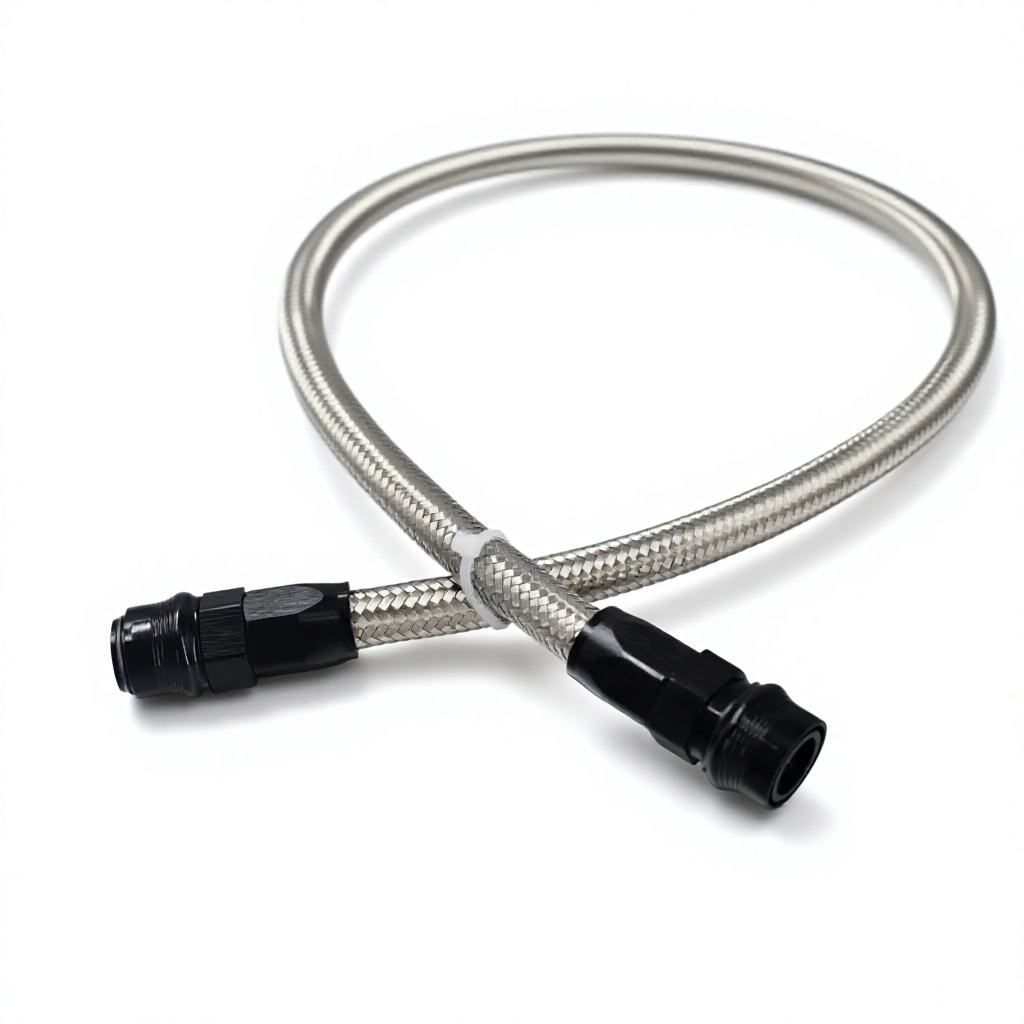
Environmental conditions play a critical role in determining the lifespan, reliability, and safety performance of any industrial hose system. An industrial hose operates under constant exposure to external pressures, temperature fluctuations, chemical contact, and mechanical stress, all of which can significantly degrade material integrity and compromise system efficiency. Understanding how environmental factors influence hose behavior is essential for maintenance professionals, engineers, and operations managers who depend on these systems for continuous production and safety compliance.
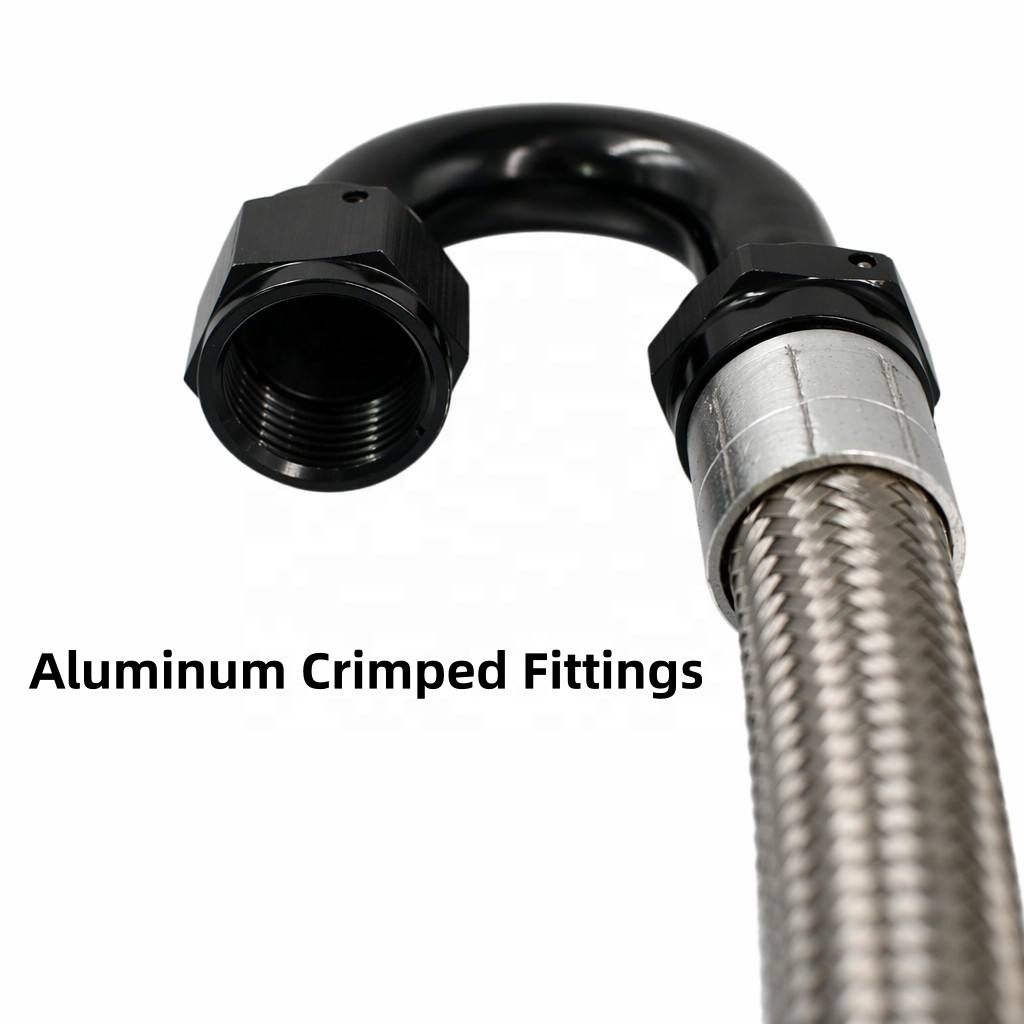
The performance of hydraulic hose assembly and other critical piping solutions depends not only on design and materials but also on the ambient environment where they operate. Extreme temperatures, UV radiation, ozone exposure, moisture infiltration, and corrosive chemical contact all pose distinct threats to hose structural integrity. Selecting appropriate materials and understanding environmental impact mechanisms allows organizations to prevent costly failures, extend service intervals, and maintain operational safety across demanding industrial applications.
Elevated temperatures accelerate polymer degradation and reduce the flexibility of rubber compounds used in industrial hose construction. When an industrial hose operates above its rated temperature threshold, the internal elastomers lose resilience, become brittle, and may harden permanently. Additionally, high heat increases internal pressure dynamics and can soften sealant materials, leading to leakage and eventual system failure. Most standard rubber compounds degrade measurably at temperatures exceeding 100°C, while specialized formulations may tolerate 120–150°C depending on composition and reinforcement design.
Conversely, cold environments present equally serious risks for hydraulic hose assembly performance. Sub-zero temperatures cause rubber to contract, lose elasticity, and become prone to cracking under pressure cycling. The fluid inside hoses may also thicken at low temperatures, increasing system pressure and imposing greater mechanical stress on hose walls. Industrial applications in arctic climates or cold-storage facilities must specify low-temperature-rated materials and conduct regular inspection for micro-fractures that can lead to catastrophic rupture.
Chemical resistant tubing formulations are essential in applications where hoses contact oils, solvents, acids, bases, or specialized processing fluids. Standard rubber and synthetic elastomers swell, soften, or delaminate when exposed to incompatible chemicals, compromising hose integrity within days or weeks depending on contact concentration and duration. A chemical resistant tubing specification requires careful matching of elastomer type—such as Viton, EPDM, or Nitrile—to the specific fluid environment. Failure to select appropriate materials leads to internal wall degradation, blockage from dissolved material, and sudden rupture under normal operating pressure.
Industrial hose systems exposed to outdoor air face continuous oxidative attack from atmospheric ozone, particularly in regions with high UV irradiance and industrial pollution. Ozone rapidly cracks unprotected rubber surfaces through a process called ozone cracking, creating stress-concentrating defects that initiate leaks and failures. High pressure hose system designs intended for outdoor deployment must incorporate ozone-resistant elastomer compounds and protective outer covers that shield the hose from direct atmospheric exposure. Regular replacement or protective wrapping extends service life significantly in contaminated or high-ozone environments.
Environmental factors do not act in isolation; they compound the mechanical stress imposed by pressure cycling, vibration, and flexing. A high pressure hose system subjected to simultaneous temperature cycling, chemical immersion, and pressure pulsation experiences dramatically accelerated fatigue compared to operation in benign conditions. For example, a hose rated for 10,000 hours of service in controlled indoor environments may fail in 2,000–3,000 hours in an outdoor, chemically active, temperature-variable setting. Engineering analysis and accelerated life testing must account for these combined environmental stressors to establish realistic replacement intervals and prevent unexpected downtime.
Ultraviolet radiation degrades the outer protective cover of industrial hose systems, compromising the structural reinforcement layers beneath. UV exposure causes outer jackets to crack, fade, and become brittle, allowing moisture and contaminants to penetrate the hose walls and attack the underlying braided or spiral reinforcement. Cover materials formulated with UV-absorbing additives and carbon black pigmentation provide extended outdoor durability, but routine inspection and periodic re-coating extend service life further. Industrial applications in direct sunlight benefit substantially from mechanical shielding, protective coatings, or indoor routing where feasible.
Most standard industrial hose systems are rated for continuous operation between –20°C and 100°C, with intermittent exposure to ±10°C beyond these limits. Specialized hydraulic hose assembly formulations may tolerate –40°C to 150°C depending on elastomer selection and reinforcement design. Always verify the specific rating for your application and specify higher-grade materials if operating conditions approach or exceed standard temperature ranges.
Begin by identifying all fluids that will contact the hose, including primary process chemicals, cleaning agents, and potential cross-contamination sources. Consult material compatibility charts provided by hose manufacturers to match elastomer types—Viton for aggressive solvents, EPDM for aqueous solutions, Nitrile for mineral oils—with your specific fluid environment. Request material test data and consider pilot testing before full-scale deployment to confirm chemical resistant tubing performance under real operating conditions.
Industrial hose systems in outdoor, high-UV, temperature-variable environments typically require replacement every 2–4 years compared to 5–7 years indoors under ideal conditions. High pressure hose system life depends on specific environmental exposure intensity, pressure cycling frequency, and material grade selected. Implement a preventive inspection program every 6–12 months to identify early signs of UV cracking, cover deterioration, or corrosion, and adjust replacement intervals accordingly.
