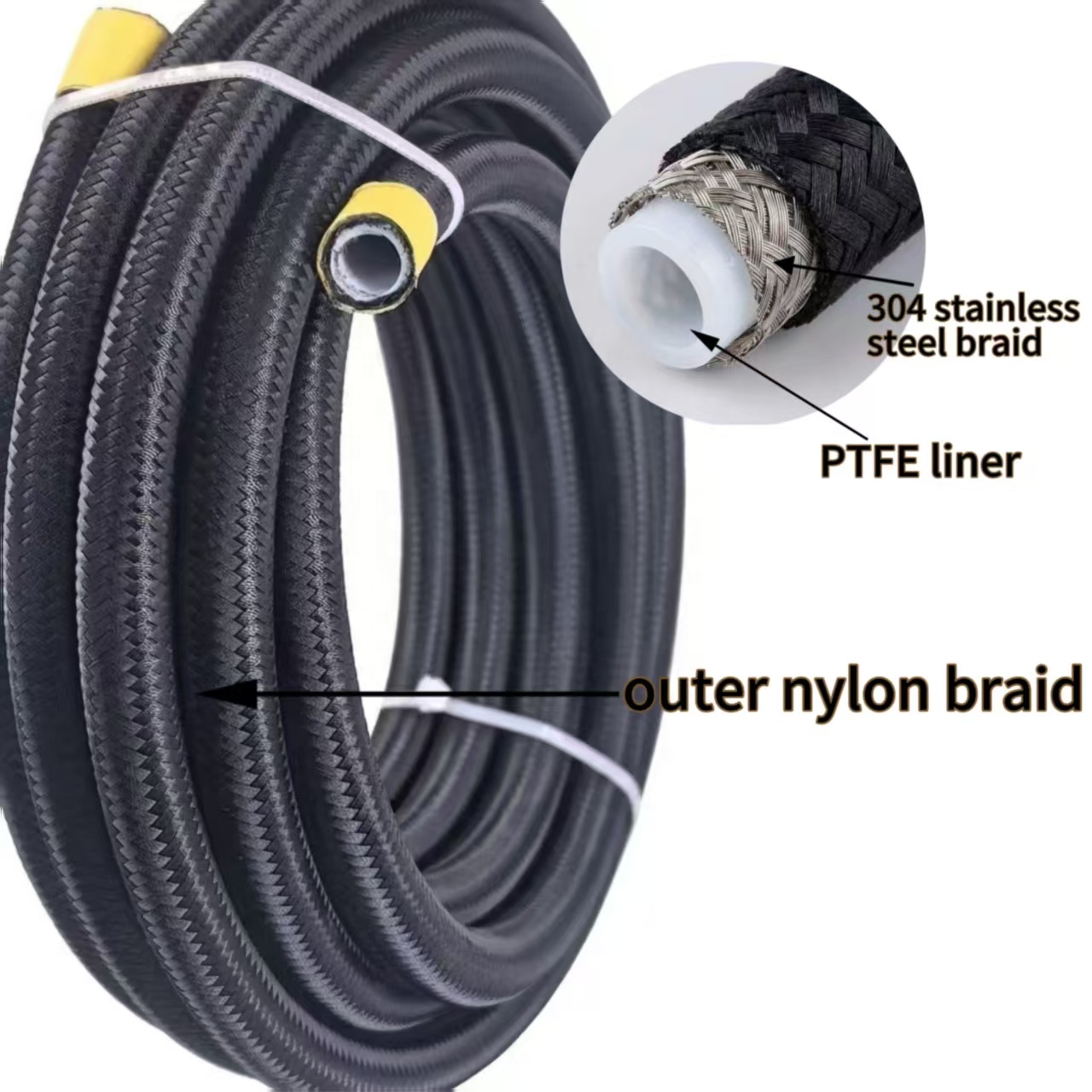
Chemical corrosion is one of the most damaging threats to industrial piping systems, yet a ptfe tube stands as an engineered barrier against aggressive chemical environments. Understanding how polytetrafluoroethylene materials achieve this resistance level reveals why industries from aerospace to pharmaceuticals depend on these specialized conduits for mission-critical applications.
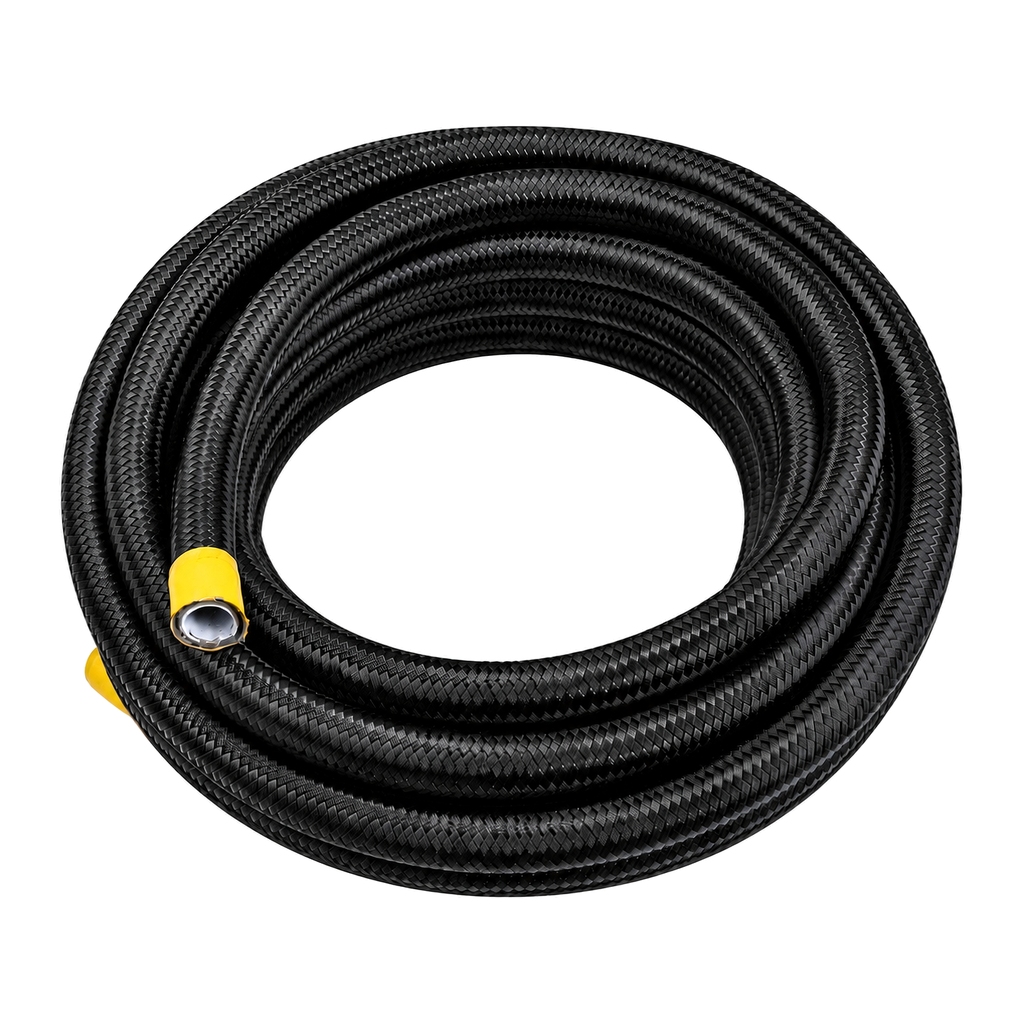
The molecular structure of fluoropolymer hose materials creates an exceptional shield against chemical attack. Unlike rubber or standard plastic compounds, teflon tubing features an extremely strong carbon-fluorine bond that resists degradation from corrosive agents, ensuring long service life and reliable fluid transport in harsh conditions.
Molecular Structure and Chemical Bonding
The Carbon-Fluorine Bond Advantage
The fundamental reason a ptfe tube resists corrosion lies in its molecular architecture. Polytetrafluoroethylene consists of carbon atoms surrounded by fluorine atoms in a precise tetrahedral arrangement. This carbon-fluorine bond possesses extraordinary strength, measuring approximately 485 kilojoules per mole, significantly higher than carbon-hydrogen or carbon-chlorine bonds found in alternative polymers.
When teflon tubing encounters aggressive chemical environments, this robust bonding structure prevents molecular degradation. Acids, bases, solvents, and oxidizers cannot break through the fluorine shield to attack the carbon backbone. This chemical impermeability makes fluoropolymer hose an ideal choice for transporting corrosive fluids in pharmaceutical processing, semiconductor manufacturing, and chemical production facilities.
Electronegativity and Chemical Stability
Fluorine possesses the highest electronegativity of any element, meaning it attracts electrons with extreme force. When bonded to carbon in a ptfe tube, this electronegativity creates a completely inert surface that repels chemical attack from virtually all liquid and gaseous corrosives. The fluorine shell essentially locks the underlying carbon backbone away from molecular assault.
This electrochemical inertness explains why teflon tubing maintains its integrity against hydrofluoric acid, chlorine, and other notoriously aggressive chemicals that destroy conventional piping materials within days or weeks. Ptfe tubing applications span industries where corrosion resistance directly impacts operational uptime and equipment longevity.
Resistance Across Chemical Classes
Inorganic Acid and Base Resistance
A fluoropolymer hose demonstrates virtually universal resistance to inorganic acids and bases at concentrations and temperatures where conventional polymers fail rapidly. Sulfuric acid, nitric acid, and hydrochloric acid in concentrated forms cause immediate degradation to rubber and polyvinyl chloride compounds, yet ptfe tube systems remain unaffected across broad temperature ranges.
Similarly, strong alkaline solutions that cause swelling and embrittlement in standard thermoplastics leave teflon tubing completely unchanged. This broad chemical compatibility means a single ptfe tubing application can handle diverse fluid streams without material substitution, reducing inventory complexity and simplifying system design across manufacturing environments.
Organic Solvent and Oxidizer Performance
Organic solvents represent another class where ptfe tube superiority becomes evident. Ketones, alcohols, and aromatic hydrocarbons that swell, soften, or dissolve rubber hoses pass through fluoropolymer hose without causing any material change. The carbon-fluorine bonds remain undisturbed because these solvents cannot establish molecular interactions with the inert fluorine surface.
Oxidizing agents including chlorine gas, hydrogen peroxide, and ozone accelerate degradation in conventional polymers through free radical mechanisms. However, teflon tubing resists oxidative attack because fluorine atoms occupy all available bonding sites on the carbon backbone, leaving no vulnerable positions for free radicals to attack. This makes ptfe tubing applications particularly valuable in applications involving reactive halogenated compounds and strong oxidizers.
Practical Durability and Service Life
Temperature and Time Stability
The chemical resistance of a ptfe tube extends across extended temperature ranges where other materials compromise. While rubber hoses become brittle at minus-40 degrees Celsius and begin degrading at 100 degrees Celsius, fluoropolymer hose maintains its molecular integrity from cryogenic temperatures up to 260 degrees Celsius in continuous service, depending on the specific formulation.
Long-term chemical exposure testing demonstrates that teflon tubing shows virtually no property changes after years of continuous contact with aggressive chemicals. Tensile strength, flexibility, and pressure ratings remain consistent, ensuring that ptfe tubing applications in automotive fuel systems, industrial chemical plants, and aerospace hydraulic lines maintain performance throughout their design life without unexpected failures.
Permeation and Leakage Prevention
Beyond surface corrosion resistance, teflon tubing prevents chemical permeation through its dense fluoropolymer matrix. Unlike rubber compounds that gradually absorb aggressive solvents and allow microscopic migration through the material, ptfe tube walls form an impenetrable barrier that eliminates permeation losses. This property protects adjacent equipment, extends maintenance intervals, and ensures environmental compliance in sensitive applications.
The low permeation rate of fluoropolymer hose means that precious or dangerous chemicals remain contained within ptfe tubing applications without wasteful leakage or atmospheric escape. This containment capability, combined with chemical inertness, makes ptfe tube systems essential for food processing, pharmaceutical manufacturing, and industries where product purity and environmental responsibility demand absolute chemical compatibility.
FAQ
Why does PTFE resist more aggressive chemicals than rubber or PVC?
Polytetrafluoroethylene features an extremely strong carbon-fluorine bond that chemical agents cannot break, whereas rubber and PVC have weaker molecular structures vulnerable to acid, base, and solvent attack. The fluorine atoms create a protective shell around the carbon backbone that prevents corrosive molecules from reaching vulnerable bonding sites. This fundamental molecular difference explains why teflon tubing outperforms conventional polymers across virtually all chemical classes.
At what temperatures does PTFE tubing maintain its chemical resistance?
Fluoropolymer hose maintains excellent chemical resistance from minus-40 degrees Celsius to approximately 260 degrees Celsius in continuous service, with some specialized formulations rated to 300 degrees Celsius. The carbon-fluorine bonds remain stable across this entire range, meaning ptfe tubing applications deliver consistent corrosion protection in cryogenic industrial systems and high-temperature chemical processing environments.
Can PTFE tubes handle all types of chemicals simultaneously?
While ptfe tube materials resist virtually all individual chemicals, some specialty applications involve mixed chemical environments or unusual conditions where compatibility should be confirmed. Most ptfe tubing applications successfully handle aggressive combinations, but certain high-temperature systems or fluorine-based oxidizers may require consultation with material engineers. Standard teflon tubing satisfies the vast majority of industrial chemical compatibility requirements across pharmaceutical, automotive, aerospace, and manufacturing sectors.
 EN