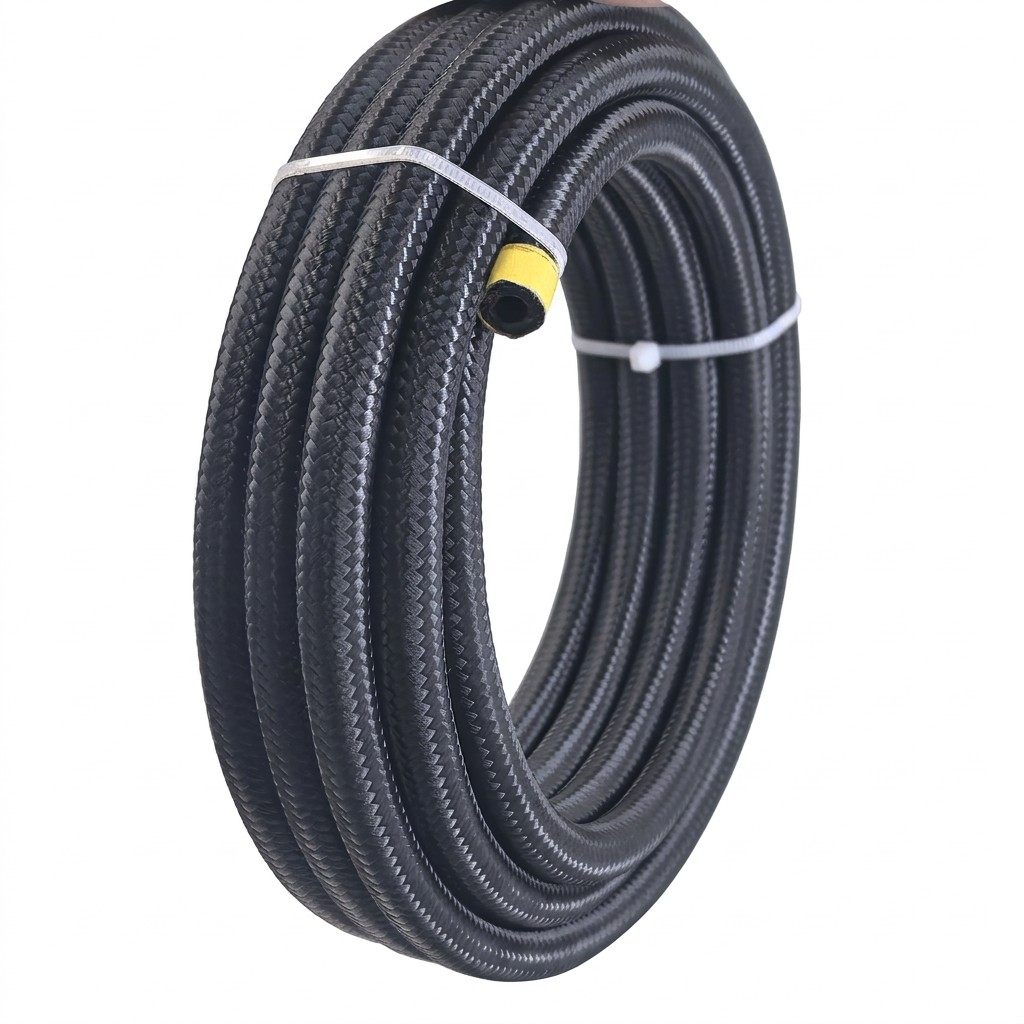
Rubber hoses are engineered to manage extreme pressure conditions in demanding industrial environments. Understanding how rubber hoses perform under stress is essential for selecting the right solutions for your operations. The ability to withstand high pressure depends on multiple design factors, material composition, and manufacturing precision that work together to create reliable fluid conveyance systems.
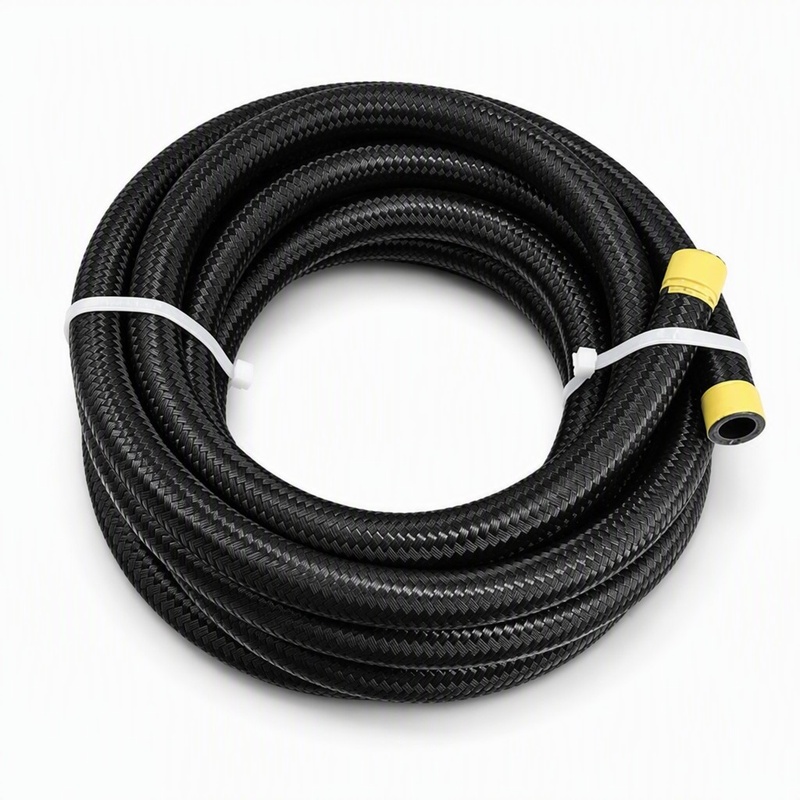
When pressure increases inside a hose, the inner tube experiences expansion forces that attempt to burst the structure outward. Properly designed rubber hoses resist these forces through reinforcement layers and material science that balances flexibility with strength. This article explores the structural mechanisms, material choices, and hose pressure ratings that enable rubber hoses to deliver consistent performance in challenging applications across multiple industries.
Structural Design and Reinforcement Layers
How Multiple Layers Work Together
The construction of rubber hoses involves multiple distinct layers, each serving a specific purpose in pressure containment. The innermost layer, called the inner tube, must resist the fluid being transported while maintaining flexibility. Above this sits the reinforcement layer, typically made from braided nylon, polyester, or steel wire, which provides the primary resistance to pressure expansion and prevents the hose from rupturing under stress.
Between and around these reinforcement layers, manufacturers apply additional rubber compounds that bond the structure together and provide flexibility for industrial hose applications. The outer cover layer protects against environmental damage, abrasion, and chemical exposure. Each layer contributes to the overall pressure-handling capability, and the quality of bonding between layers directly affects how well rubber hoses perform under sustained or pulsating pressure loads.
Braiding Patterns and Wire Configuration
The pattern and density of braiding material significantly impact hose pressure ratings. Single-braid hoses feature one layer of reinforcement and handle moderate pressure levels, typically up to 250 PSI for industrial-grade applications. Double-braid or spiral-wrap configurations add additional layers of reinforcement, enabling rubber hoses to withstand pressures exceeding 3,000 PSI in specialized applications like hydraulic systems and heavy machinery.
Steel wire reinforcement provides even higher pressure capacity when required for extreme industrial hose applications. The angle and density of braiding create a spiral pattern that distributes circumferential stress evenly around the hose circumference. This engineering approach allows rubber hoses to expand minimally under pressure while maintaining structural integrity across thousands of pressure cycles.
Material Composition and Chemical Resistance
Rubber Compound Selection for Pressure Performance
The rubber formulation used in the inner tube and surrounding layers directly determines how well a hose handles pressure and resists degradation. Natural rubber provides excellent flexibility but limited chemical resistance, making it suitable for water and compressed air applications. Synthetic rubber compounds like neoprene, nitrile, and EPDM offer superior chemical resistant hoses characteristics and broader temperature ranges, enabling rubber hoses to perform reliably in refineries, chemical plants, and food processing environments.
Manufacturers carefully select rubber compounds based on the specific fluids the hose will convey. High-pressure hydraulic applications require rubber that resists fluid absorption and maintains elasticity under sustained stress. Chemical resistant hoses designed for aggressive industrial processes use specialized rubber formulations that prevent swelling, cracking, and degradation when exposed to petroleum products, solvents, acids, or caustic solutions over extended periods.
Vulcanization and Cross-Linking Process
The vulcanization process, where sulfur and heat create cross-links between rubber polymer chains, determines the structural strength of rubber hoses. Proper vulcanization increases the tensile strength and elasticity of the rubber compound, enabling it to absorb pressure spikes without permanent deformation. Over-vulcanization makes rubber brittle and prone to cracking, while under-vulcanization results in hoses that cannot maintain consistent hose pressure ratings or withstand repeated pressure cycling.
Temperature control during vulcanization is critical for achieving consistent pressure performance across every hose produced. Quality manufacturers monitor vulcanization precisely, ensuring that rubber hoses maintain uniform hardness, flexibility, and resistance to pressure-related stress. This consistency directly translates to reliable hose performance in industrial hose applications where equipment downtime due to hose failure creates significant operational and financial consequences.
Pressure Ratings and Performance Standards
Understanding Hose Pressure Ratings and Safety Factors
Hose pressure ratings represent the maximum sustained pressure a hose can handle safely under normal operating conditions. Manufacturers assign these ratings based on rigorous testing that exceeds typical operating pressures, incorporating safety factors that protect against manufacturing variations and field degradation. A rubber hose with a 2,000 PSI rating can withstand pressures approaching 2,000 PSI continuously, though best practices typically recommend operating at 75 percent of the maximum rated pressure to extend service life.
Burst pressure, which is the actual pressure at which a hose fails catastrophically, is typically 4 to 5 times higher than the working pressure rating. This safety margin accounts for environmental factors, age-related degradation, and manufacturing tolerances. Understanding hose pressure ratings is essential for specifying rubber hoses in critical industrial hose applications where pressure surges or fluid incompatibility could otherwise cause unexpected failure and operational disruption.
Testing Protocols and Certification Standards
Industry standards like SAE, ISO, and EN establish rigorous testing requirements that rubber hoses must pass before receiving pressure ratings. These tests include hydrostatic pressure bursting, pulse cycling where pressure rapidly fluctuates thousands of times, and environmental aging where hoses are exposed to extreme temperatures, UV radiation, and chemical contact. Certification ensures that rubber hoses meet consistent performance expectations across different manufacturers and geographic markets.
Compliance with these standards provides confidence that chemical resistant hoses and general-duty rubber hoses will maintain their specified hose pressure ratings throughout their service life under normal conditions. Regulatory requirements in industries like aviation, petrochemical, and food processing mandate certification, making standards compliance non-negotiable for equipment operators. This quality assurance framework protects both equipment and personnel by ensuring that rubber hoses deliver predictable, reliable performance across all industrial hose applications.
FAQ
What factors determine how much pressure rubber hoses can handle?
Pressure capacity depends on inner tube material composition, reinforcement layer design, braiding density, hose wall thickness, and the vulcanization quality of the rubber compound. Rubber hoses engineered with tighter braiding patterns, multiple reinforcement layers, and premium rubber compounds achieve significantly higher hose pressure ratings than basic alternatives. Temperature, fluid type, and environmental conditions also affect performance throughout the hose lifecycle.
Can rubber hoses maintain their pressure rating after years of use?
Rubber hoses gradually lose flexibility and may develop micro-cracks from repeated pressure cycling, UV exposure, and chemical contact, causing hose pressure ratings to decline over time. Regular inspection for visible cracks, swelling, or hardening helps identify deteriorating hoses before failure occurs. Environmental storage in cool, dark conditions away from direct sunlight extends the service life of chemical resistant hoses and maintains their original pressure-handling capacity far longer than outdoor exposure would allow.
How do chemical resistant hoses differ from standard rubber hoses in pressure handling?
Chemical resistant hoses use specialized rubber formulations that prevent swelling and degradation when exposed to aggressive fluids, maintaining structural integrity and consistent hose pressure ratings despite prolonged chemical contact. Standard rubber hoses designed for water or compressed air in industrial hose applications may swell when exposed to petroleum products or solvents, reducing their ability to hold pressure safely. Selecting the correct hose type based on the specific fluid ensures that hose pressure ratings remain reliable throughout the equipment lifecycle.
 EN