 EN

how-do-you-determine-the-correct-rubber-hose-diameter, how-do-you-determine-the-correct-rubber-hose-diameter, /news
EN
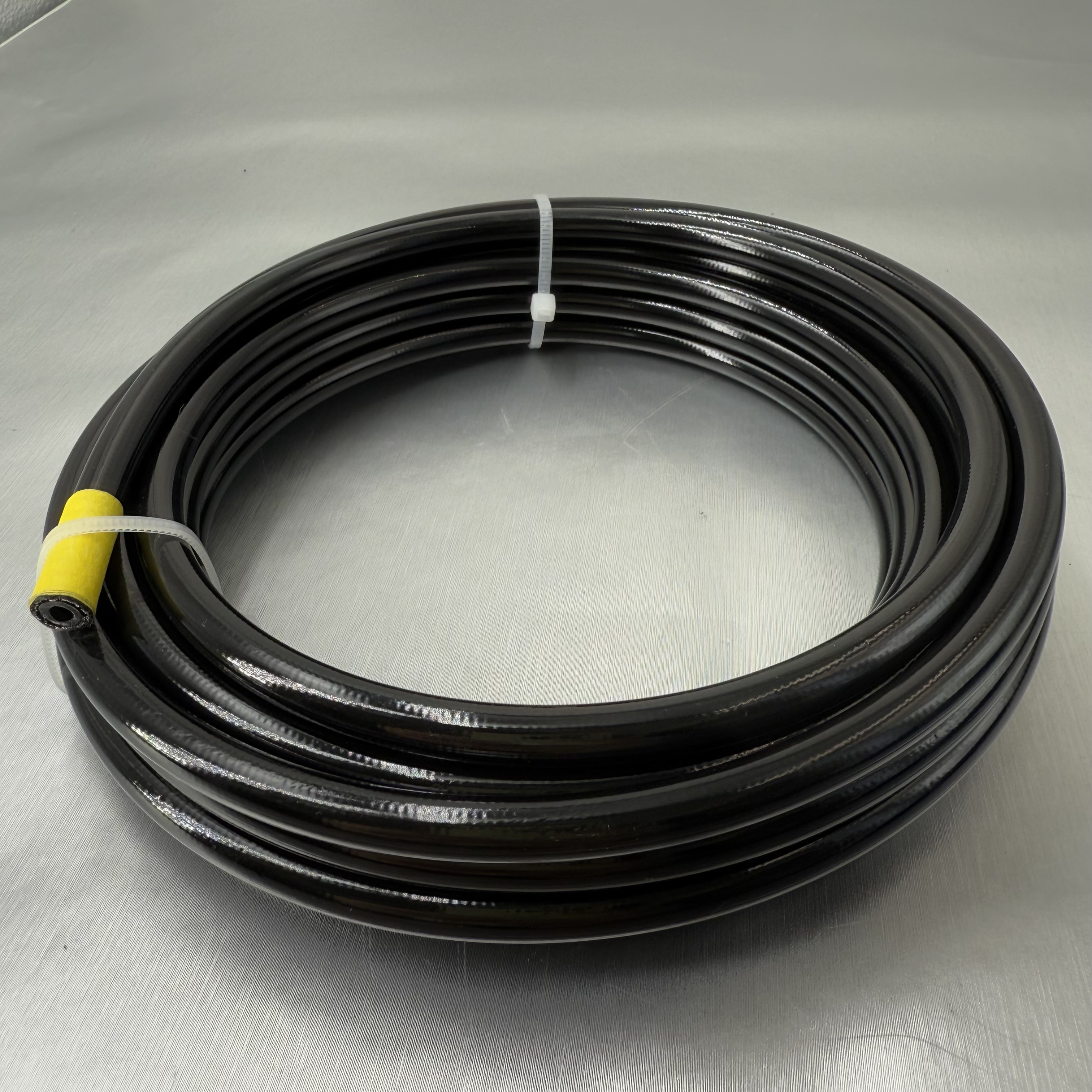
Selecting the correct diameter for rubber hoses is fundamental to system efficiency, safety, and longevity. The wrong diameter can lead to pressure drops, flow rate issues, component damage, and costly downtime. Understanding how to calculate and verify hose diameter ensures your industrial fluid conveyance system performs reliably. This guide walks you through the systematic approach to determining the correct rubber hose diameter for your specific application requirements.
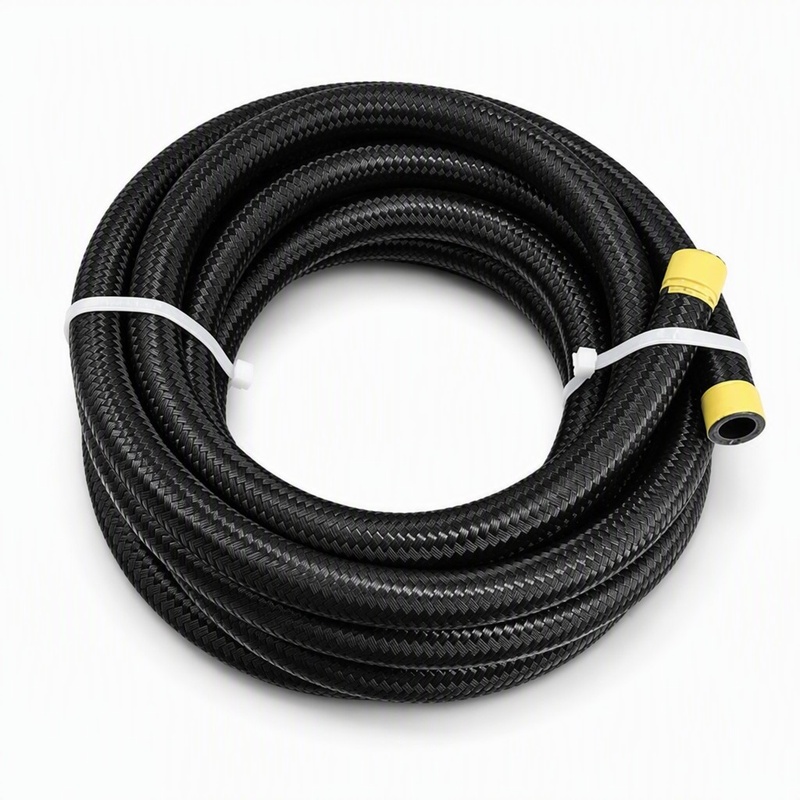
Every industrial hose application has unique demands that dictate the ideal diameter. Flow velocity, fluid type, pressure environment, and system layout all influence this critical decision. Whether you are designing hydraulic lines, pneumatic circuits, or general industrial fluid transfer systems, the diameter calculation process follows established engineering principles. Proper sizing prevents common problems such as turbulence, excessive heat generation, and seal degradation.
Flow velocity directly determines the internal diameter requirement for your rubber hoses. Industry standards establish target velocity ranges based on fluid type and system purpose. For hydraulic systems, recommended velocities typically range from 3 to 5 feet per second in pressure lines, 2 to 3 feet per second in return lines, and 2 to 4 feet per second in suction lines. Pneumatic systems generally operate at lower velocities between 20 and 40 feet per second, depending on air quality and line configuration. These velocity benchmarks exist because exceeding them causes excessive pressure drop, heat buildup, and accelerated component wear.
To determine the correct rubber hose diameter, begin with your required flow rate measured in gallons per minute or cubic inches per second. Multiply the flow rate by the conversion factor appropriate to your units, then divide by the target velocity expressed in feet per second. This calculation yields the internal cross-sectional area, from which you derive the inside diameter measurement. For example, a hydraulic system requiring 20 gallons per minute at a target velocity of 4 feet per second would need an inside diameter of approximately 0.89 inches. Always round up to the nearest standard hose size to ensure you never undersized your rubber hoses and maintain adequate capacity.
Hose pressure ratings establish the safe working pressure your rubber hoses can withstand continuously. These ratings depend on three factors: the elastomer material, the reinforcement construction, and the internal diameter. Smaller diameter rubber hoses typically support higher pressure ratings because the hose wall thickness and reinforcement layers are proportionally stronger relative to the internal volume. Larger diameter hoses in the same series may have lower maximum pressure ratings. When evaluating industrial hose applications, cross-reference your system pressure with the manufacturer's pressure-diameter relationship table. Never select a hose size based solely on diameter without verifying that the corresponding pressure rating exceeds your system's peak operating pressure by at least 25 percent safety margin.
Burst pressure represents four times the minimum working pressure for most industrial-grade rubber hoses, providing a significant safety buffer. However, your design should not operate close to the working pressure limit. Chemical resistant hoses and specialty compounds may have different pressure-to-diameter profiles than standard elastomers. The correct rubber hose diameter selection must account for pressure spikes during system startup, emergency stops, or thermal expansion events. Consult engineering data sheets to understand how diameter and wall thickness influence both working and burst pressure ratings. This information ensures your hose selection remains safe under realistic operating conditions, not just nominal specifications.
The internal tube material of your rubber hoses influences chemical compatibility and diameter performance characteristics. Nitrile compounds suit petroleum-based fluids and are standard in most hydraulic industrial hose applications. Synthetic compounds handle a broader range of chemical resistant hoses applications, including water-based fluids and some aggressive solvents. When selecting diameter, verify that the elastomer material resists your conveyed fluid and maintains dimensional stability under temperature cycling. Swelling or hardening of the tube material reduces internal diameter over time, affecting flow rates and pressure distribution. For chemical resistant hoses handling unusual fluids, consult material compatibility matrices before finalizing your diameter selection.
Physical installation constraints sometimes limit your diameter options. Minimum bend radius specifications scale with hose diameter, and tighter bends require smaller diameter rubber hoses. If your routing requires sharp turns around equipment or tight machinery enclosures, a larger diameter hose may exceed physical bend capabilities. Conversely, extremely tight bend radius requirements might push you toward smaller diameter hoses despite higher velocity trade-offs. Work with a detailed equipment layout and measure actual routing paths before finalizing diameter specifications. Balance the engineering ideal with real-world installation realities to avoid costly modifications or field rejections. Temperature fluctuations can also affect hose length, so plan extra slack in your routing to accommodate expansion without excessive bend radius violations.
Pressure drop increases exponentially as hose diameter decreases and flow velocity increases. Smaller diameter rubber hoses create higher resistance to fluid flow, causing pressure loss across the hose length. This pressure drop generates heat, reduces efficiency, and forces your pump to work harder. Pressure drop calculators and Darcy-Weisbach equations provide precise predictions, but the practical rule is to size your hose diameter large enough to keep velocity within industry standards. Oversizing slightly always performs better than undersizing, provided bend radius and space constraints allow.
General velocity and pressure guidelines apply across most fluid types, but chemical resistant hoses may have reinforcement or elastomer properties that affect diameter recommendations. Always verify pressure ratings and temperature limits specific to your chemical fluid before applying standard velocity benchmarks. Some specialty chemical resistant hoses require lower velocities or have different diameter-to-pressure relationships than conventional rubber hoses. Consult the manufacturer's technical data and application notes to confirm that published industrial hose applications guidelines suit your specific chemical fluid.
Collect your system's maximum operating pressure, peak transient pressure, and temperature range. Cross-reference these values against the hose pressure rating table provided by your supplier, organized by hose series and diameter. Ensure the working pressure rating exceeds your maximum operating pressure by at least 25 percent. Confirm that both the elastomer tube and reinforcement layers support your chemical fluid. If your system experiences pressure spikes or thermal cycling, apply additional safety margin. Always document your sizing calculations and pressure verification to maintain traceability and support equipment compliance audits.
