 EN

how-do-you-install-silicone-tubes-correctly-in-systems, how-do-you-install-silicone-tubes-correctly-in-systems, /news
EN
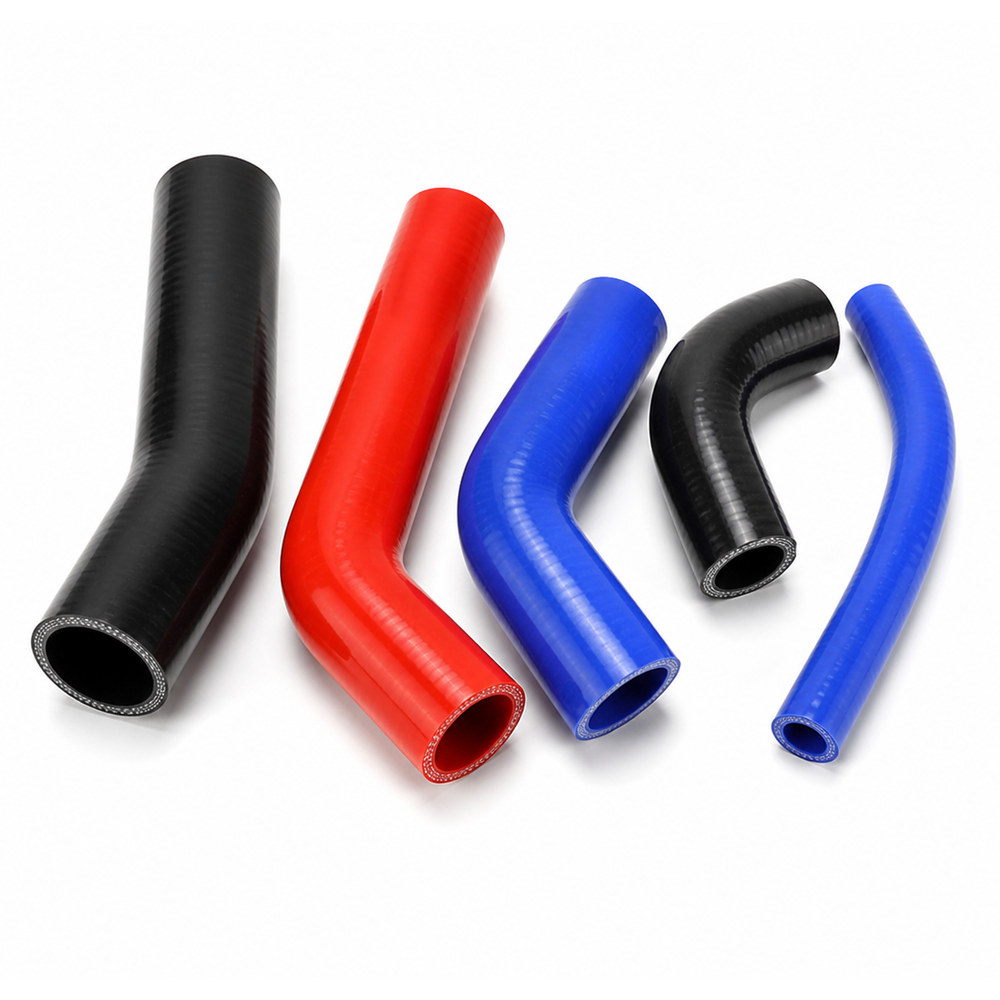
Installing a silicone tube correctly in industrial, medical, or laboratory systems requires careful planning, proper technique, and attention to material specifications. Whether you are working with flexible silicone tubing in a standard application or high-performance configurations, the installation process determines system reliability, longevity, and safety. Improper installation can lead to leaks, contamination, pressure failures, and equipment damage, making correct procedure essential across all operating environments.
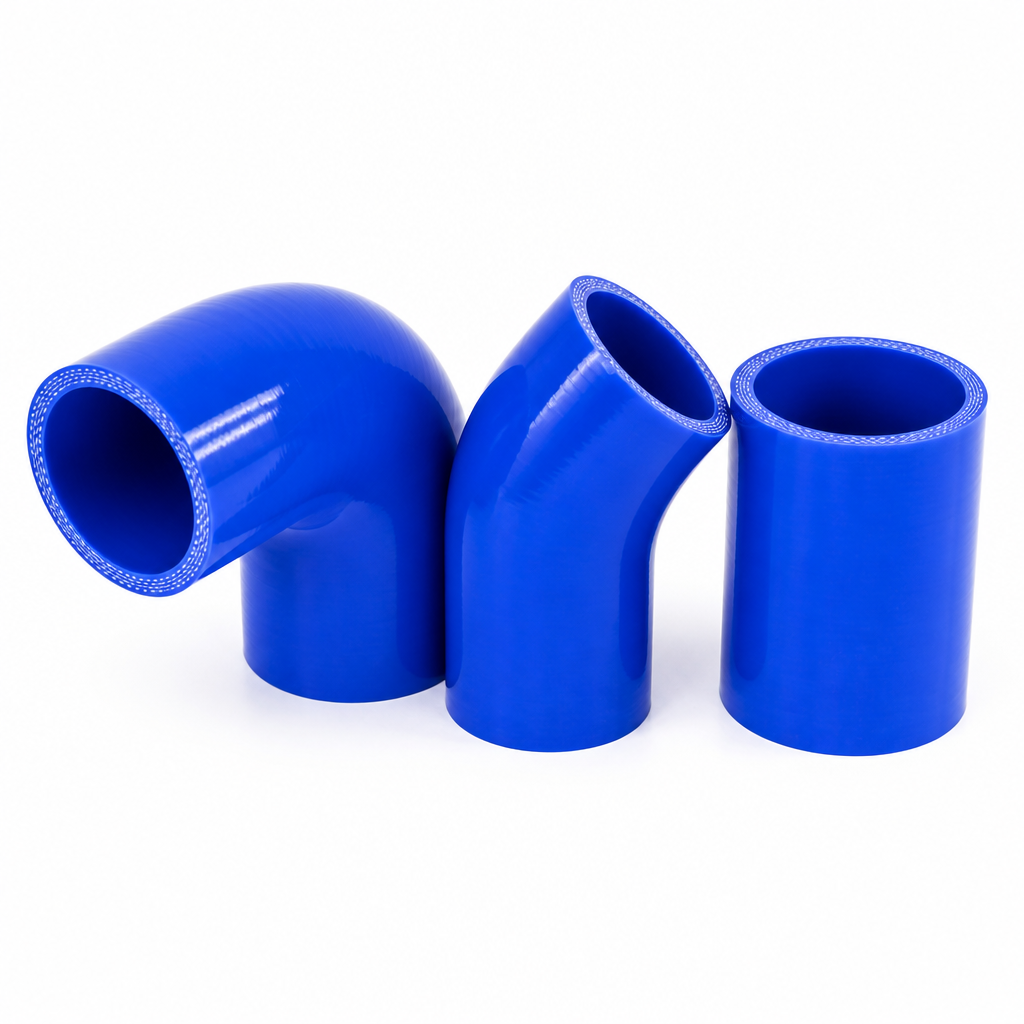
The installation of a silicone tube system begins with understanding the specific application requirements, fluid compatibility, temperature range, and pressure rating. Medical grade silicone hose demands sterile handling and cleanroom protocols, while high temperature silicone tubing requires thermal management strategies and appropriate connector selection. This guide walks through the complete installation process, from preparation through testing, ensuring your tubing performs reliably in service.
Before touching any flexible silicone tubing, document the exact application parameters. Identify the fluid type, operating temperature range, pressure conditions, and any chemical exposure. Cross-reference these requirements against the tubing's specifications to confirm compatibility. Medical grade silicone hose carries FDA compliance documentation and biocompatibility ratings that must match healthcare standards. High temperature silicone tubing requires verification of continuous and intermittent temperature limits to prevent degradation or failure at critical moments.
Inspect the tubing for visible defects, discoloration, cracks, or deformation. Check the manufacturing date and storage conditions, as silicone materials can lose flexibility or develop surface issues if stored improperly. Confirm all connectors, fittings, and adapters match the tubing diameter and pressure rating. Measure the internal and external dimensions of your flexible silicone tubing to ensure precise fit with barbed fittings or threaded connections.
Clean the installation workspace thoroughly to prevent contamination, especially when working with medical grade silicone hose or sterile applications. Lay out all components, tools, and connection hardware in organized fashion. For high temperature silicone tubing destined for hot-process applications, ensure thermal insulation materials and heat-resistant clamps are staged nearby. Have lint-free cloths, appropriate solvents, and connector lubricants ready based on your specific tubing type and connection method.
Barbed connections remain the most common method for securing flexible silicone tubing to hose fittings. Soften the tubing by briefly soaking it in warm water to increase elasticity, making the tube ends more pliable without damaging the material. Insert the barbed fitting into the tube with a slow twisting motion, ensuring the tubing slides fully onto the barb until it reaches the fitting body. Apply even pressure; do not force the fitting abruptly or at an angle, which can tear the inner wall or create weak spots prone to leakage.
After insertion, secure the connection with stainless steel hose clamps positioned just beyond the barbed section. Tighten clamps firmly but not excessively, which risks crushing the silicone tube material. For medical grade silicone hose requiring additional security, use two clamps per connection spaced approximately half an inch apart. Allow the warm-treated tubing to cool and reset before pressurizing the system, typically 15 to 30 minutes at room temperature.
Plan the tubing pathway to minimize sharp bends, kinks, and abrasion points. Route flexible silicone tubing away from moving equipment, hot surfaces, and sharp edges. High temperature silicone tubing running near heat sources requires thermal sleeves or spacing distance per manufacturer specifications. Support the tubing at regular intervals, typically every 12 to 18 inches for horizontal runs and every 24 inches for vertical installations, using non-abrasive clamps or brackets. For medical grade silicone hose, avoid routing through areas where the tubing could contact contaminants or undergo physical stress from bending during operation.
After all connections are complete and clamps are secure, conduct a hydrostatic pressure test before introducing the actual working fluid. Fill the system with water or appropriate test fluid at the rated operating pressure or 1.5 times the maximum working pressure if manufacturer guidance permits. Inspect every connection point, fitting interface, and tube segment for leaks or seepage. Listen for hissing sounds and watch for liquid weeping at connections. Mark any problem areas and allow the pressurized system to sit for 15 to 30 minutes to identify slow leaks that indicate improperly seated connections.
If leaks appear at barbed connections, depressurize immediately and remove the flexible silicone tubing by gently twisting and pulling from the fitting. Inspect the barb for corrosion or damage, clean the tube end if debris is present, and reinsert using the warm-water technique. Medical grade silicone hose and high temperature silicone tubing should pass the pressure test without any weeping or visible moisture at connection points.
Once hydrostatic testing confirms system integrity, gradually introduce the actual working fluid while monitoring for any adverse reactions, discoloration of the tubing, or pressure irregularities. Observe temperature behavior during the initial operational period; high temperature silicone tubing should reach stable operating temperature without excessive expansion or contraction visible at connections. Run the system under normal operating conditions for several hours during commissioning, checking connection points every 30 minutes for the first two hours and then periodically throughout the first operating day.
Document the installation date, components used, test results, and commissioning observations for maintenance records. Establish a periodic inspection schedule to check flexible silicone tubing for degradation, verify clamp tightness, and confirm that no new leaks have developed. Medical grade silicone hose requires records verification for regulatory compliance, while high temperature silicone tubing demands attention to any thermal cycling effects that might loosen connections over repeated temperature swings.
Hose clamps should be snug enough to prevent the tubing from sliding on the fitting during system operation, yet not so tight that they deform or crack the silicone material. Tighten the clamp with a wrench until you feel firm resistance, then add one more quarter turn. The tubing surface should show slight compression but no visible indentation or cracking. For medical grade silicone hose, verify that clamp tightness does not compromise sterility or introduce contamination sources.
High temperature silicone tubing and medical grade silicone hose can typically be disconnected and reconnected multiple times without permanent damage if handled carefully. However, barbed fittings may create permanent deformation on the inner wall after repeated insertion cycles. Inspect the tube end carefully before reinsertion; if the interior wall shows flattening or permanent creasing, cut away the damaged section and install a fresh tube segment with a new fitting. For critical applications, replace the tubing after disconnection to eliminate risk of hidden damage or weakened connection reliability.
Kinking occurs when flexible silicone tubing is bent too sharply or supported inadequately. Establish a minimum bend radius based on the tubing diameter, typically four to six times the inner diameter for standard flexible silicone tubing. Use rigid or semi-rigid supports to guide the tubing smoothly through directional changes rather than allowing sharp angles. For high temperature silicone tubing, thermal expansion and contraction can aggravate kinking if the routing lacks flexibility, so include small loops or coils in the tubing path to accommodate thermal movement without creating stress points.
