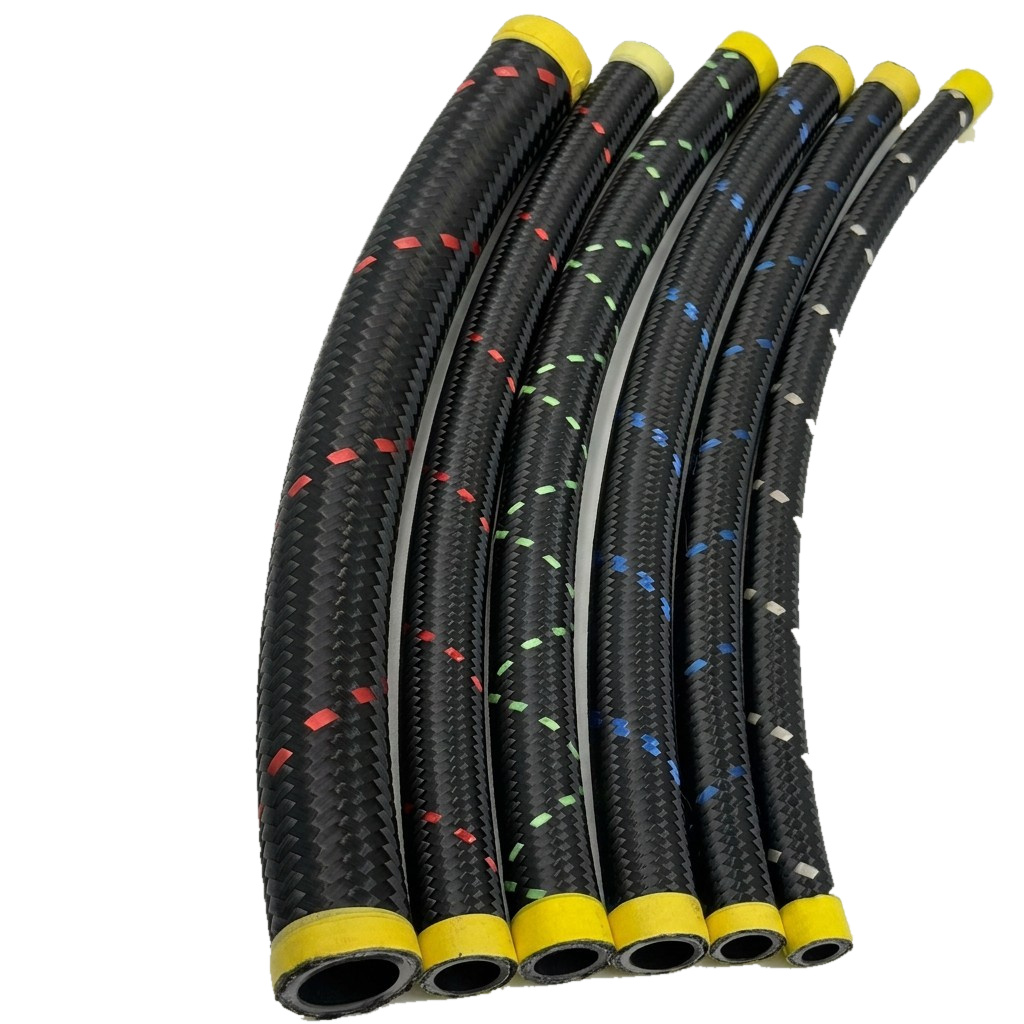
NBR rubber hose is engineered to withstand prolonged exposure to oils, fuels, and aggressive petroleum products without degradation or failure. The resistance stems from the unique molecular structure of nitrile rubber, a synthetic polymer specifically formulated to repel hydrocarbon-based liquids. Understanding how NBR rubber hose achieves this protective capacity is essential for industrial professionals selecting hoses for fuel systems, hydraulic applications, and oil transfer operations.
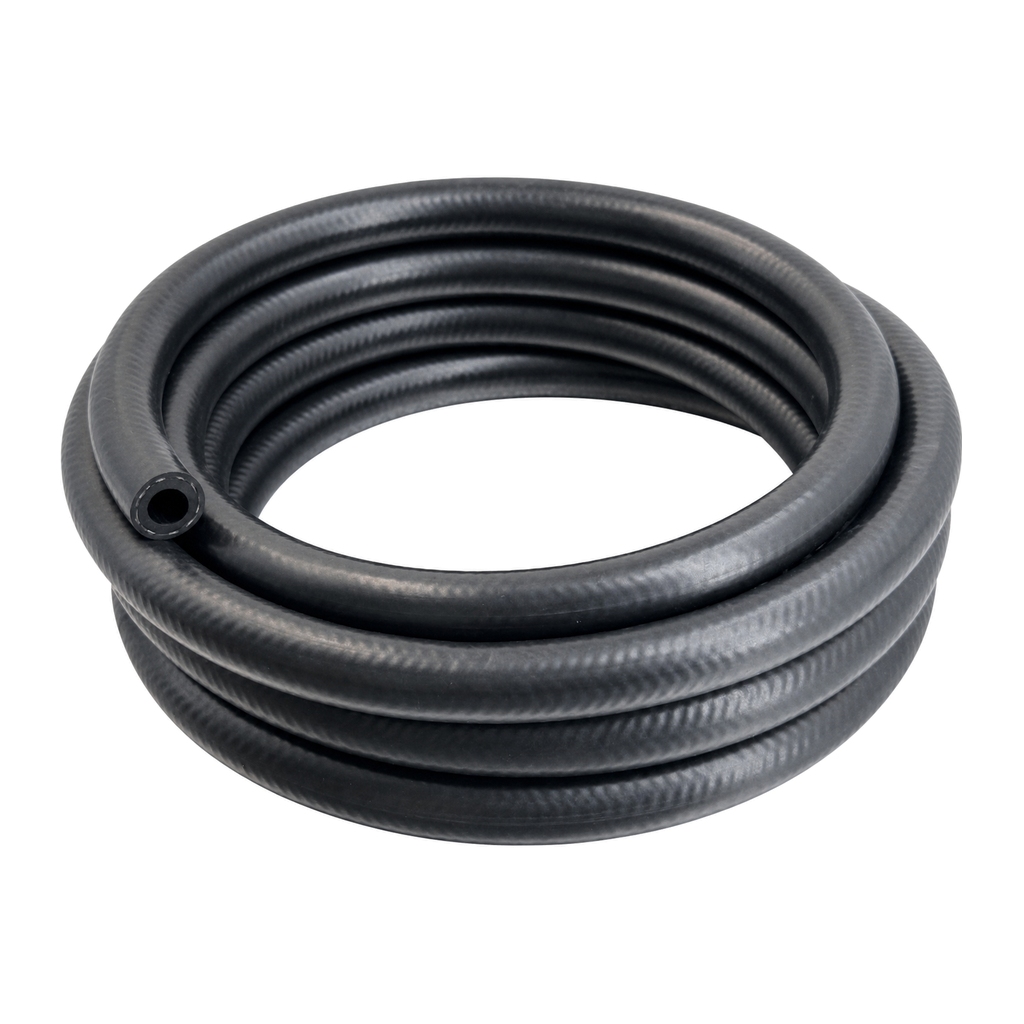
The superior performance of nitrile rubber tubing in fuel and oil environments has made it an industry standard for decades. This synthetic material outperforms natural rubber in chemical resistance, temperature stability, and durability under demanding conditions. By examining the chemical mechanisms and material properties that enable this resistance, operators can make informed decisions about hose selection and application suitability.
Chemical Composition and Hydrocarbon Resistance
Nitrile Polymer Structure
Nitrile rubber is a copolymer of butadiene and acrylonitrile, two organic compounds that create a stable molecular matrix resistant to hydrocarbon penetration. The acrylonitrile content, typically ranging from 18 percent to 50 percent, determines the degree of oil resistance in synthetic rubber hose applications. Higher acrylonitrile percentages enhance resistance to aliphatic oils and fuels, though they may reduce elasticity at low temperatures.
The carbon-nitrogen bonds in the acrylonitrile segments create polarity within the rubber matrix, which actively repels nonpolar hydrocarbon molecules found in mineral oils and petroleum fuels. This polarity difference prevents oils from dissolving into or swelling the rubber, maintaining the hose's structural integrity and dimensional stability over time. NBR rubber hose manufacturers carefully balance acrylonitrile content to optimize oil resistance while preserving flexibility and temperature performance across diverse industrial environments.
Molecular Barriers Against Fuel Penetration
Oil resistant rubber hoses function through a molecular exclusion mechanism rather than creating an impermeable barrier. The dense cross-linked polymer network creates tortuous diffusion paths that slow down hydrocarbon molecule migration into the rubber material. This delay significantly extends the service life of the hose compared to natural rubber or other synthetic materials that lack similar chemical selectivity.
The resilience of nitrile rubber tubing against aromatic and aliphatic hydrocarbons depends on maintaining optimal cross-link density during manufacturing. Vulcanization processes control sulfur bonding between polymer chains, creating a network tight enough to resist fuel penetration but flexible enough to accommodate system pressure variations without cracking or leaking. This balance between chemical resistance and mechanical performance defines the practical service range for industrial hose applications.
Temperature Stability and Performance Range
Thermal Effects on Hydrocarbon Resistance
Temperature elevation increases molecular motion within both the rubber matrix and the hydrocarbon fluid, potentially accelerating diffusion and swelling in synthetic rubber hose applications. NBR rubber hose maintains its oil resistant properties across wider temperature ranges than natural rubber because the nitrile molecular structure exhibits lower temperature coefficients of expansion. Operating temperature ranges typically extend from -30 degrees Celsius to +100 degrees Celsius, with some specialized formulations reaching +120 degrees Celsius.
At elevated temperatures, the polymer chains in nitrile rubber tubing experience increased flexing, but the maintained cross-link density prevents excessive swelling when exposed to oils and fuels. This thermal stability ensures that fuel system hoses remain dimensionally consistent and maintain seal integrity during engine operation or hydraulic system cycling. Industrial designers can specify NBR rubber hose applications with confidence that performance will not degrade significantly across normal operating conditions.
Cold Temperature Flexibility
Cold temperatures typically reduce rubber elasticity, yet NBR compounds maintain acceptable flexibility in oil resistant rubber hoses even at sub-zero conditions. The acrylonitrile content slightly increases stiffness compared to natural rubber, but modern formulations include plasticizers and processing aids that preserve compliance without compromising oil resistance. This dual capability makes nitrile rubber tubing suitable for Arctic applications, cold-storage facilities, and winter-season industrial operations where temperature extremes combine with fuel exposure.
Additive Formulations and Extended Service Life
Antioxidants and Ozone Resistance
Modern oil resistant rubber hoses incorporate antioxidant additives that prevent degradation from atmospheric oxygen and trace metal catalysts present in some fuel formulations. These additives donate hydrogen atoms to free radicals generated by oxidative stress, effectively terminating chain-degradation reactions before they damage the polymer backbone. Ozone resistance similarly requires specific additives that shield the rubber surface from atmospheric ozone, which can crack and age nitrile rubber tubing prematurely if unprotected.
Manufacturers optimize antioxidant packages based on expected fluid exposure and operating environment, ensuring that synthetic rubber hose applications deliver consistent performance throughout their design life. NBR rubber hose formulations for fuel systems often include phenolic or aminic antioxidants selected to address specific fuel compositions and storage conditions. This precision in additive selection directly translates to longer service intervals and reduced replacement frequency for industrial operators.
Reinforcement and Structural Durability
Embedded textile and wire reinforcement layers work synergistically with the nitrile rubber matrix to resist both internal pressure and external mechanical stresses. The synthetic rubber hose applications commonly employ spiral wire reinforcement for fuel and hydraulic lines, creating a composite structure that maintains mechanical strength even as the rubber undergoes repeated exposure to oils and fuels. This combination ensures that oil resistant rubber hoses can handle system pressures reaching 210 to 280 bar, depending on hose diameter and reinforcement specifications.
Textile layers, typically composed of cotton or synthetic fibers embedded in the rubber compound, provide flexibility and fray resistance that wire reinforcement alone cannot deliver. Nitrile rubber tubing's compatibility with these reinforcement materials ensures consistent bonding and load distribution, preventing delamination that would compromise the hose's integrity under alternating pressure cycles typical of automotive fuel systems and industrial hydraulics.
Real-World Industrial Applications
Automotive Fuel Systems
Automotive manufacturers specify NBR rubber hose components for fuel transfer, injection, and return lines because the material's oil resistance directly extends hose life and prevents fuel leakage. Modern gasoline formulations contain detergents, ethanol blends, and additives that challenge hose materials; nitrile rubber tubing successfully resists these complex fuel mixtures while maintaining dimensional stability and seal integrity. Synthetic rubber hose applications in fuel systems benefit from NBR's proven performance across millions of vehicle operating hours in diverse climates and usage patterns.
Hydraulic and Industrial Systems
Industrial hydraulic systems operate under sustained high temperatures and pressures while exposed to mineral oils and synthetic hydraulic fluids. Oil resistant rubber hoses fabricated from NBR compounds maintain consistent bore diameter and hose rigidity, preventing kinked sections that would restrict fluid flow or create stress concentrations prone to rupture. Nitrile rubber tubing's compatibility with additives in hydraulic fluids, such as anti-wear phosphates and viscosity improvers, ensures that the hose material does not degrade or become tacky during extended service intervals.
FAQ
Why does NBR rubber resist oils better than natural rubber?
Natural rubber contains nonpolar carbon-hydrogen polymer chains that dissolve easily in nonpolar hydrocarbon oils, leading to swelling and degradation. NBR rubber hose contains polar acrylonitrile groups that electrostatically repel hydrocarbon molecules, preventing them from penetrating the polymer matrix. This fundamental chemical difference makes synthetic rubber hose applications with nitrile composition dramatically superior for fuel and oil exposure compared to natural rubber alternatives.
Can NBR rubber hose withstand biodiesel fuels?
Biodiesel fuels present unique challenges because they contain polar esters that interact differently with rubber materials than conventional mineral diesel. Oil resistant rubber hoses formulated specifically for biodiesel applications typically use higher acrylonitrile content and specialized plasticizer systems to maintain compatibility. Standard nitrile rubber tubing designed for petroleum diesel may experience minor swelling with biodiesel blends exceeding 20 percent; manufacturers provide fluid compatibility charts to guide hose selection for alternative fuel applications.
How long does NBR rubber hose typically last in fuel systems?
NBR rubber hose service life depends on temperature exposure, pressure cycling frequency, and specific fuel composition, but typical automotive fuel hoses maintain integrity for 5 to 10 years or 160,000 to 240,000 kilometers before replacement. Industrial synthetic rubber hose applications in stationary equipment often exceed 10 years when temperature and pressure conditions remain stable. Preventive replacement intervals recommended by equipment manufacturers account for aging effects from ozone exposure, ultraviolet radiation, and accumulated thermal stress, ensuring reliability even before visible degradation occurs.
 EN