 EN

how-durable-are-silicone-tubes-in-extreme-conditions, how-durable-are-silicone-tubes-in-extreme-conditions, /news
EN
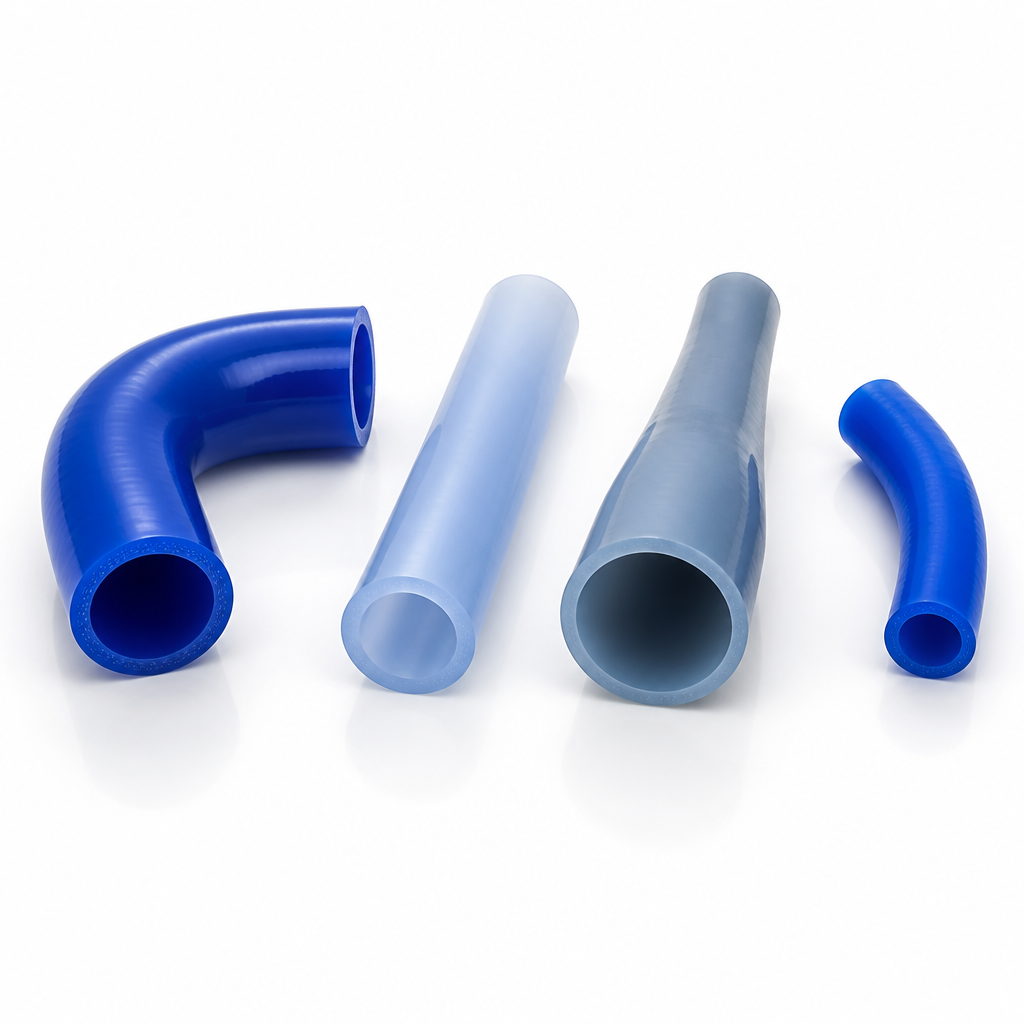
Silicone tubes have become indispensable in industries ranging from medical devices to automotive and aerospace applications. Their ability to withstand extreme environmental conditions sets them apart from traditional rubber or plastic alternatives. Understanding how durable a silicone tube really is in harsh environments requires examining material composition, temperature tolerance, chemical resistance, and real-world performance data. This knowledge helps engineers and procurement professionals select the right tubing solutions for mission-critical applications.
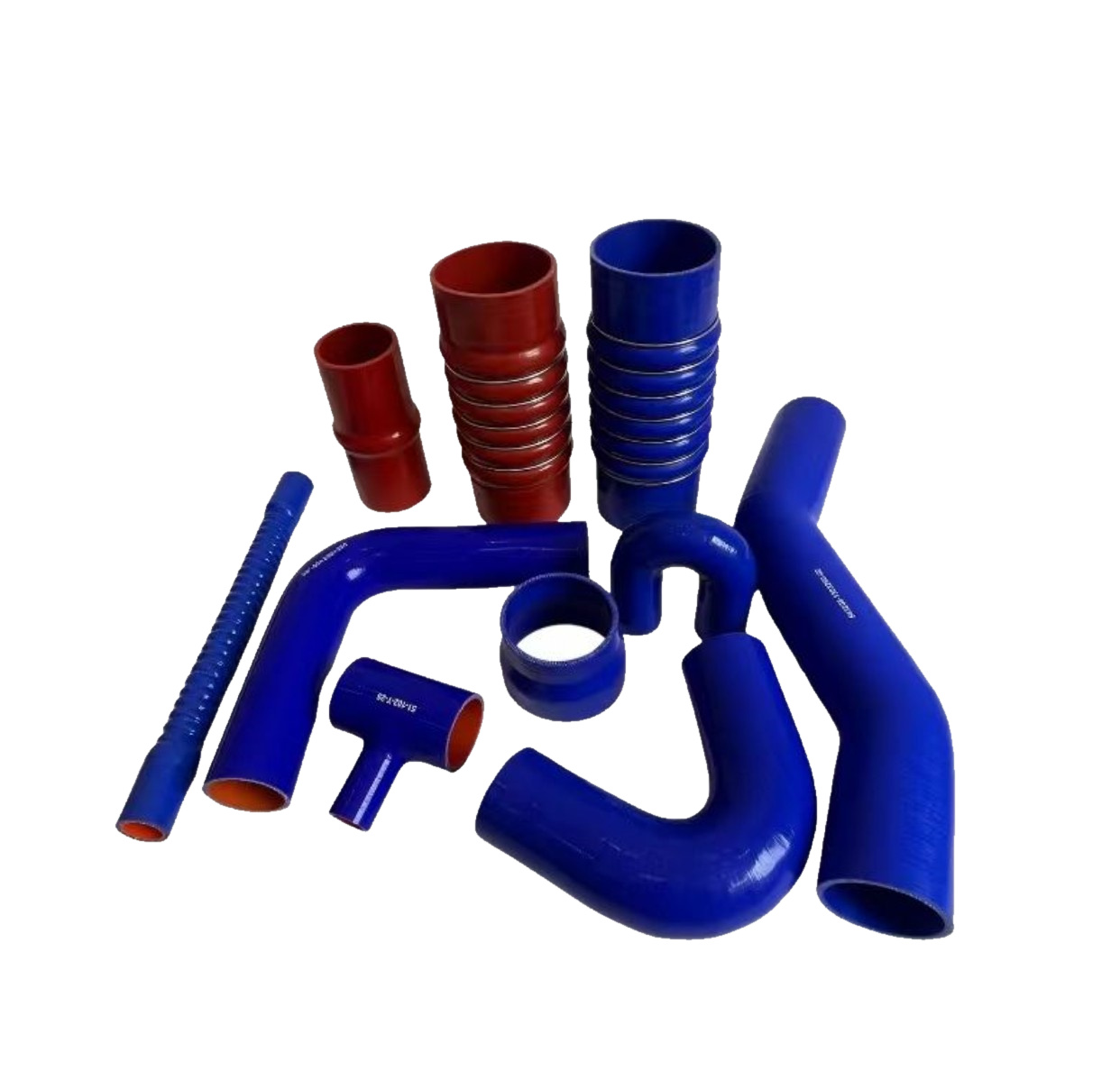
The durability of flexible silicone tubing extends far beyond simple flexibility. Modern formulations deliver consistent performance across temperatures, pressures, and chemical exposures that would degrade conventional materials. Medical grade silicone hose meets rigorous biocompatibility and sterilization standards, while industrial variants prioritize thermal stability and mechanical strength. The question of durability in extreme conditions demands a nuanced answer based on specific application parameters and material grade selection.
High temperature silicone tubing can reliably function in environments ranging from minus 60 degrees Celsius to plus 200 degrees Celsius for continuous operation, with some specialized formulations tolerating brief exposures to 260 degrees Celsius. This exceptional thermal range outperforms traditional rubber tubes, which typically fail above 120 degrees Celsius. The polymer backbone of silicone exhibits remarkable molecular stability because silicon-oxygen bonds are stronger than carbon-carbon bonds found in organic rubber. This fundamental chemistry explains why a silicone tube maintains elasticity and structural integrity across extreme temperature swings that would cause brittle failure or permanent deformation in alternative materials.
Repeated thermal cycling presents a significant durability challenge for any elastomer. Flexible silicone tubing demonstrates superior resistance to thermal fatigue because the material does not harden or lose elasticity as temperature fluctuates. Industrial applications involving rapid heating and cooling cycles, such as food processing equipment or aerospace thermal management systems, rely heavily on this resilience. Medical grade silicone hose used in sterilization cycles or cryogenic procedures similarly benefits from minimal degradation across repeated temperature transitions. Unlike PVC or standard rubber hoses that become brittle after dozens of sterilization cycles, medical-grade formulations maintain their original compliance and tear resistance for hundreds of cycles.
High temperature silicone tubing exhibits broad chemical resistance to oils, solvents, and aqueous solutions. The non-polar nature of silicone makes it resistant to water absorption, preventing swelling or dimensional instability in humid or submerged environments. Automotive and industrial systems utilize medical grade silicone hose for conveying fuels, coolants, and hydraulic fluids because the material resists oxidation and chemical degradation that degrades rubber alternatives. However, aggressive chemicals like strong acids, bases, and certain aromatic compounds can eventually penetrate the polymer matrix. Material thickness, crosslink density, and surface coatings all influence how long a silicone tube remains chemically inert under continuous exposure to specific fluids.
Silicone polymer chains resist ozone attack and ultraviolet radiation more effectively than natural or synthetic rubber. This property makes flexible silicone tubing suitable for outdoor applications, rooftop installations, and equipment exposed to strong sunlight. Agricultural equipment, pool circulation systems, and outdoor HVAC installations commonly specify silicone tubing because dimensional stability and performance remain consistent after years of UV exposure. While carbon black additives used in conventional rubber provide UV protection through absorption, they also darken the material and limit color options. Modern silicone formulations achieve UV resistance without heavy pigmentation, allowing manufacturers to produce medical and food-grade applications that require clarity or specific colors without sacrificing durability.
The wall thickness and reinforcement structure determine how much pressure a silicone tube can withstand before rupture. High temperature silicone tubing with braided reinforcement can safely operate at pressures between 3 and 15 bar depending on diameter and construction. Medical grade silicone hose typically operates at lower pressures but must maintain burst strength sufficient for single-use sterile applications and repeated sterilization cycles. The material itself exhibits slow stress relaxation, meaning tubing maintains clamping force and sealing integrity longer than conventional rubber alternatives. In high-vibration industrial environments, this superior stress retention prevents gradual loosening of connections and premature leakage that would require frequent maintenance.
Flexible silicone tubing resists tearing and abrasion better than many alternative elastomers, particularly in applications involving repetitive flexing or contact with sharp edges. The polymer structure allows molecules to slide past each other under mechanical stress without rupturing, a property called plastic deformation recovery. Once stress is removed, the material springs back toward its original shape rather than remaining permanently deformed. This behavior makes high temperature silicone tubing especially valuable in applications requiring thousands of flex cycles, such as peristaltic pumps, industrial articulated arms, and portable fuel systems where tubing must bend repeatedly without fatigue cracking. Medical applications similarly benefit because flexible silicone tubing withstands years of compression and manipulation without becoming sticky or brittle, maintaining performance through the product lifecycle.
Aerospace systems push silicone tubing to its performance limits through simultaneous exposure to extreme temperature, high pressure, rapid cycling, and exotic fluids. Aircraft engines regularly subject silicone tube components to localized temperatures exceeding 200 degrees Celsius in fuel and coolant systems. The material must also resist degradation from jet fuel, hydraulic fluid, and engine oils while maintaining dimensional stability at altitude where lower atmospheric pressure increases stress on tubing walls. Manufacturers specify medical grade silicone hose for certain aerospace applications despite the cost premium because biocompatible formulations have predictable long-term performance and minimal outgassing, critical factors for pressurized cabin environments.
Food and pharmaceutical production demands tubing that resists degradation during repeated sterilization, maintains compliance with contamination standards, and does not impart off-flavors or chemical residues to processed materials. High temperature silicone tubing rated for 121 degrees Celsius steam sterilization cycles retains elasticity and maintains sealing integrity across hundreds of repeated exposures. Flexible silicone tubing used for beverage transfer, dairy processing, and pharmaceutical fluid handling demonstrates exceptional durability because the material does not degrade from repeated thermal shock or contact with caustic cleaning compounds. Unlike rubber hoses that become tacky after sterilization or PVC tubing that becomes brittle from repeated heat exposure, medical grade silicone hose maintains consistent performance characteristics throughout its operational lifespan.
With proper installation and specification, high temperature silicone tubing lasts 5 to 15 years in continuous extreme temperature service, significantly longer than rubber or PVC alternatives. Lifespan depends on material grade, actual temperature exposure relative to rated limits, pressure cycling frequency, and exposure to degrading chemicals. Medical grade silicone hose used in sterilization applications maintains performance for 10 or more years when specifications match application requirements. Regular inspection for surface cracking or hardening helps identify tubing approaching end-of-life before failure occurs.
The silicon-oxygen polymer backbone exhibits greater molecular stability than carbon-based rubber, maintaining elasticity across wider temperature ranges without becoming brittle or hardened. High temperature silicone tubing resists ozone and UV degradation without heavy additive packages, whereas rubber formulations become stiff after UV exposure. Medical grade silicone hose does not absorb water or swell in humid environments like rubber does, preventing dimensional changes that compromise sealing and cause stress-cracking. These fundamental material advantages translate to predictable, long-term durability across diverse industrial, medical, and aerospace applications.
Medical grade silicone hose meets stringent biocompatibility requirements but typically operates at lower pressures than reinforced industrial flexible silicone tubing. However, medical formulations withstand comparable temperature ranges, thermal cycling, and chemical exposure as industrial variants because durability derives from the base polymer chemistry. Aerospace and specialized industrial applications sometimes specify medical-grade compounds because predictable long-term performance and minimal outgassing outweigh the cost premium. Matching the specific medical or industrial grade to application requirements ensures optimal durability and reliability.
