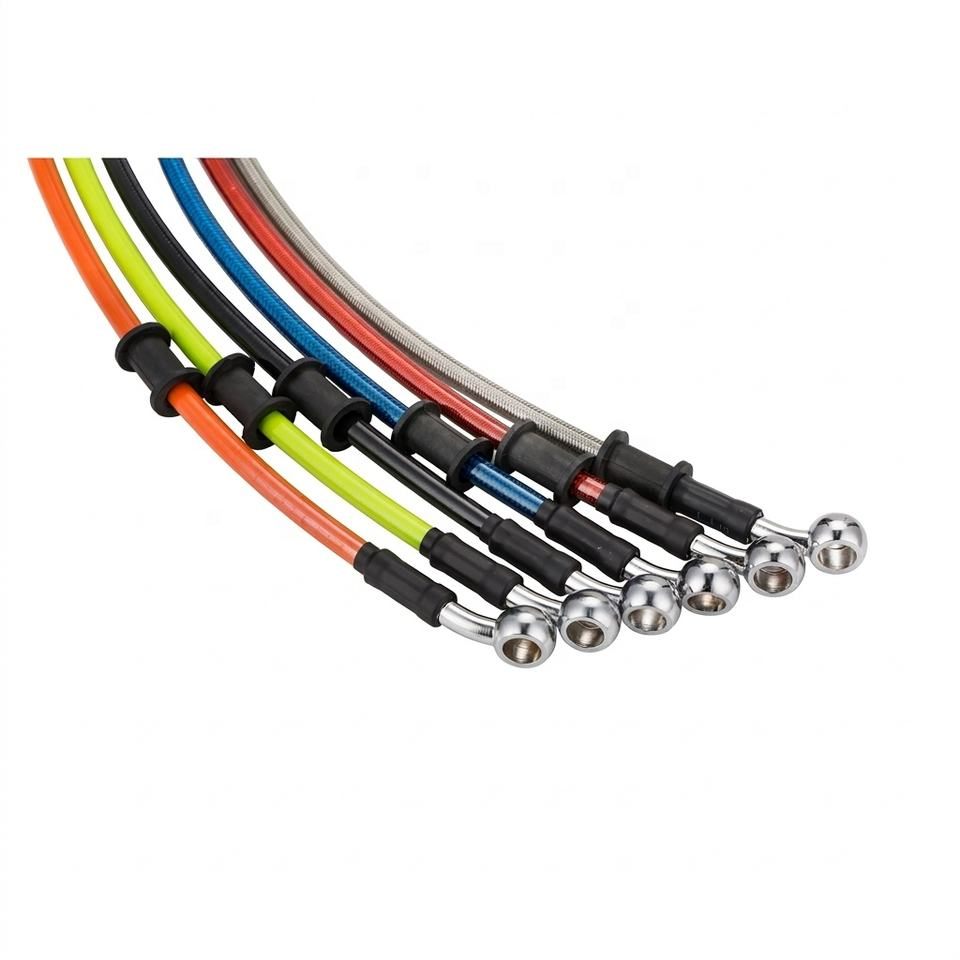
Understanding the lifespan of your brake hose is critical for vehicle safety and cost-effective maintenance planning. A typical brake hose lasts between 5 to 10 years or 25,000 to 50,000 miles, depending on driving conditions, climate, and maintenance practices. However, this timeline can vary significantly based on whether you operate in extreme temperatures, corrosive environments, or with heavy braking demands. Knowing when your brake hose requires attention helps prevent brake system failures and ensures reliable stopping power in all driving situations.
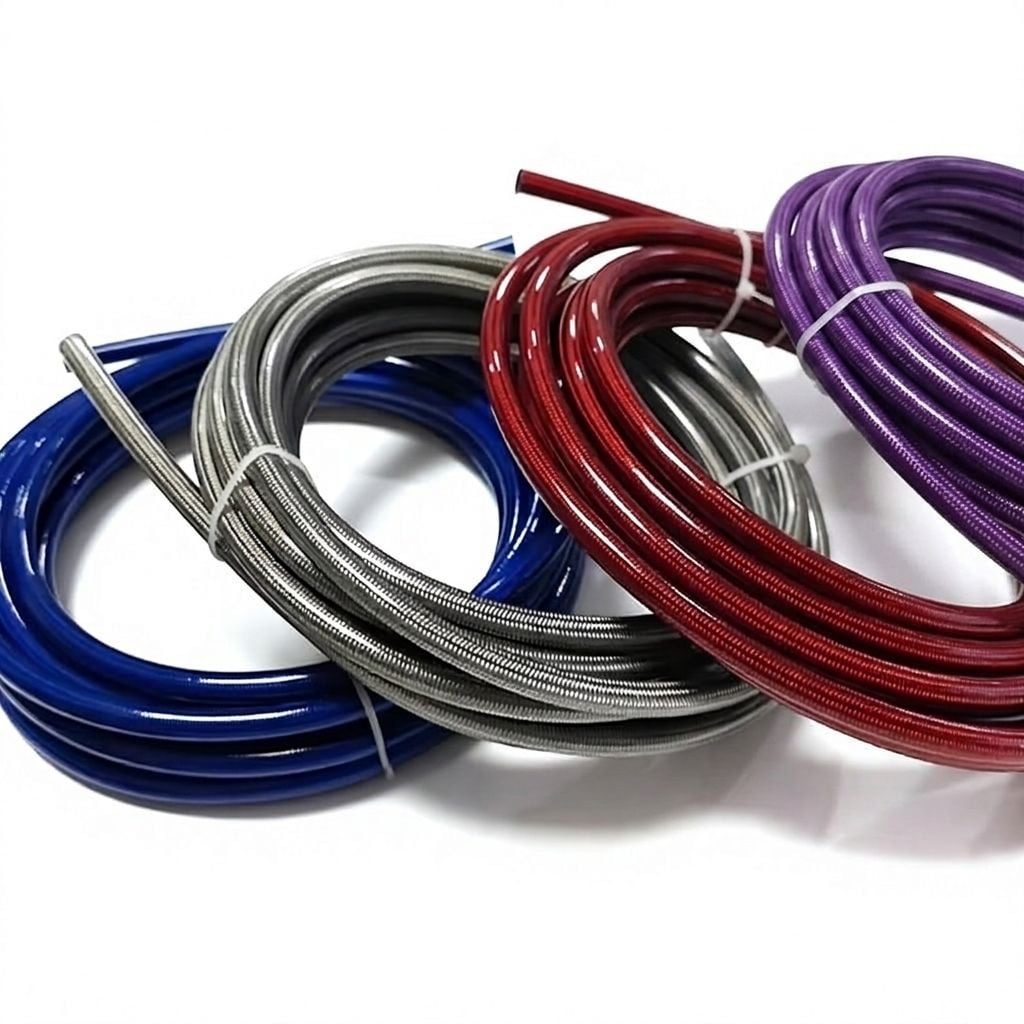
The longevity of your brake system depends on multiple factors beyond just age. Environmental exposure, fluid quality, and driving habits all influence how long a brake hose performs effectively. Regular brake system maintenance and inspection can extend component life and identify deterioration early, preventing costly emergency repairs and ensuring you maintain consistent braking performance throughout your vehicle's operational life.
Factors Affecting Brake Hose Durability
Environmental Conditions and Climate
Environmental exposure plays a substantial role in determining brake hose lifespan. Vehicles operating in salt-heavy coastal regions experience accelerated corrosion of brake system components, including the outer protective layers of hoses. UV radiation from intense sunlight causes rubber degradation, while temperature fluctuations between freezing winters and hot summers create expansion and contraction cycles that stress hydraulic brake tubing. Vehicles in moderate climates typically experience longer component life compared to those in harsh environments.
Chemical exposure also impacts durability significantly. Road salt, brake fluid leaks, and industrial pollutants can degrade the outer jacketing of brake lines. Regular washing and protective maintenance can help mitigate these effects and preserve the integrity of your hydraulic brake tubing for as long as possible.
Driving Habits and Braking Intensity
Heavy braking demands accelerate wear on brake system maintenance components. Vehicles used in mountainous terrain, frequent city driving, or commercial applications experience higher internal pressures and heat generation within brake hoses. This increased thermal and mechanical stress reduces the service life of hydraulic brake tubing compared to vehicles with gentle, highway-focused driving patterns. Towing applications particularly increase brake hose stress and warrant more frequent inspections.
Aggressive braking habits and excessive speed also contribute to premature hose deterioration. Drivers who maintain smoother braking patterns and avoid emergency stops typically enjoy longer intervals between brake line replacement cycles, reducing overall ownership costs and improving safety margins.
Signs Your Brake Hose Needs Replacement
Visual Indicators of Wear
Visible damage serves as an early warning sign that your brake hose requires attention. Look for cracks, splits, bulges, or areas of severe discoloration on the outer surface. Fraying at connection points or noticeable separation of the outer jacketing indicates that brake line replacement should be prioritized. A brake hose with visible fluid weeping at fittings suggests internal degradation and immediate replacement needs. Regular visual inspection during routine maintenance helps catch these issues before they compromise braking safety.
Discoloration, especially browning or darkening, indicates age-related hardening of rubber materials. Hard, brittle hoses lose their flexibility and can develop micro-fractures. Any visible deterioration warrants professional evaluation to determine whether hydraulic brake tubing replacement is needed before failure occurs.
Performance and Safety Red Flags
Brake system maintenance becomes urgent when you experience spongy or unresponsive brake pedal feel. A soft pedal or brake fade under braking indicates fluid leaks or pressure loss within brake lines. Diminished braking power, unusual noises during braking, or brake warning lights on your dashboard all suggest that brake line replacement should happen immediately. These symptoms indicate potential hydraulic brake tubing compromise and represent serious safety concerns.
Fluid leaks under your vehicle, especially near wheels, point to failed hose connections or ruptures. Brake fluid contamination or visible corrosion around brake system components also signals that professional inspection and possible brake hose replacement are necessary to restore safe operation.
Extending Brake Hose Life Through Maintenance
Preventive Maintenance Schedules
Regular brake system maintenance directly correlates with extended hose lifespan. Most manufacturers recommend brake system inspections every 12 to 24 months or whenever visual checks reveal concerns. Brake fluid replacement every two years helps maintain the hydraulic integrity of brake tubing and prevents corrosion from within. Flushing old fluid removes moisture and contaminants that degrade hoses and accelerate deterioration of hydraulic brake tubing components.
Professional inspection includes testing pressure tolerance, checking for leaks, and evaluating hose flexibility. Early detection of issues like micro-cracking or brittleness allows proactive brake line replacement before catastrophic failure. Documented maintenance history also supports warranty claims and demonstrates due diligence if issues arise.
Quality Components and Proper Installation
Investing in high-quality brake hoses and hydraulic brake tubing materials significantly impacts longevity. Stainless steel braiding, advanced jacketing materials, and reinforced construction provide better resistance to pressure spikes, temperature variations, and environmental exposure. Cheap replacement hoses may require replacement again within a few years, while premium components often last the full service interval.
Professional installation ensures proper routing, secure connections, and correct torque specifications. Improper installation creates stress points that accelerate hose failure. Using quality fittings and avoiding kinks during brake line replacement installation protects your investment and ensures reliable brake system maintenance long-term.
FAQ
What happens if a brake hose fails while driving?
Complete brake hose failure can result in total loss of braking power in one or more brake circuits, creating an emergency situation. Modern vehicles typically have dual-circuit brake systems, so total failure is unlikely, but you may experience significantly reduced braking capability. Immediate professional service is essential, and you should pull to the side of the road safely, pump the brake pedal gently, and call for roadside assistance rather than continuing to drive.
Should I replace brake hoses as preventive maintenance even if they appear okay?
If your brake hose has reached the 5 to 10 year age range or shows subtle signs of deterioration, preventive replacement is often wise, especially for vehicles in harsh climates. The cost of proactive brake line replacement is significantly lower than emergency repairs, towing charges, and potential accident consequences. Consult your vehicle's maintenance schedule and have a professional evaluate whether your hydraulic brake tubing warrants preventive replacement.
Can brake hose lifespan vary between front and rear brakes?
Yes, brake hoses typically experience different wear patterns at front and rear axles. Front brakes handle approximately 60 to 70 percent of braking force and experience higher heat and pressure cycling, often requiring earlier brake line replacement. Rear brake hoses may last somewhat longer due to lower stress levels, though they should still be inspected regularly as part of comprehensive brake system maintenance. Climate and driving conditions affect all hoses similarly, regardless of location.
 EN