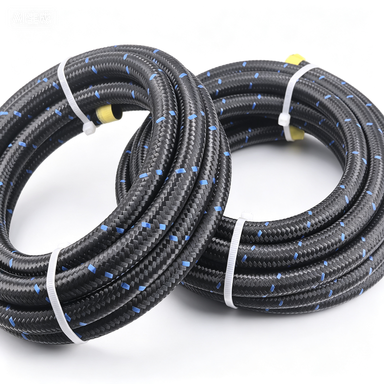
The lifespan of coolant hoses is one of the most important aspects of vehicle maintenance that many owners overlook. These critical components typically last between 4 and 10 years, though the exact timeframe depends on driving conditions, climate, and the quality of antifreeze hose maintenance performed regularly. Understanding the factors that affect hose degradation helps you avoid unexpected engine failures and costly repairs.
Your engine cooling system relies entirely on the integrity of these hoses to circulate coolant and maintain optimal operating temperature. When coolant hoses fail, the consequences are severe—overheating, engine damage, and potential breakdowns on the road. Proactive radiator hose replacement and routine antifreeze hose maintenance can extend the life of your cooling system and prevent these expensive scenarios from occurring.
Factors That Affect Coolant Hose Lifespan
Temperature Extremes and Environmental Stress
The engine cooling system operates under intense heat and pressure conditions that continuously degrade hose materials. Radiators generate temperatures well above 200 degrees Fahrenheit, and hoses experience thermal cycling as the engine heats and cools throughout the day. In addition to internal heat, external environmental factors—extreme cold, UV exposure, and road salt—accelerate deterioration of rubber and synthetic hose materials.
Vehicles in hot climates often require earlier radiator hose replacement than those in moderate regions. Similarly, vehicles operated in salt-laden coastal areas or harsh winters experience accelerated corrosion around hose clamps and connections, compromising the structural integrity of the entire engine cooling system.
Coolant Quality and Maintenance Habits
The type and condition of antifreeze directly influence how long coolant hoses remain functional. Low-quality coolant or expired antifreeze fails to protect hose interiors from corrosion and chemical degradation. Neglecting antifreeze hose maintenance—such as failing to flush old coolant and replacing it with manufacturer-specified fluid—accelerates hose failure and weakens the entire engine cooling system.
Regular coolant system checks, fluid flushes every 30,000 to 50,000 miles, and using OEM-approved antifreeze significantly extend hose lifespan. Vehicles with inconsistent maintenance schedules often face premature radiator hose replacement needs and emergency cooling system failures.
Warning Signs That Coolant Hoses Need Replacement
Visual Deterioration and Physical Damage
Inspecting your engine cooling system regularly allows you to catch hose problems before catastrophic failure occurs. Look for visible cracks, splits, bulges, or soft spots along the length of each hose. Discoloration, hardening, or brittleness indicates that the rubber has degraded significantly and radiator hose replacement should be scheduled immediately.
Clamp corrosion, rust stains around hose connections, and evidence of previous leaks suggest that antifreeze hose maintenance has been insufficient. Even minor weeping or moisture around hose ends warrants professional inspection, as these symptoms often precede complete hose failure and engine cooling system breakdown.
Performance Symptoms and Coolant Loss
Your vehicle will exhibit clear warning signs when coolant hoses are failing. Frequent overheating, particularly during heavy traffic or hot weather, indicates compromised cooling flow. Rapid coolant level drops between service intervals point directly to hose leaks or internal degradation that demands urgent radiator hose replacement.
Sweet-smelling coolant puddles under the vehicle, white steam from the engine compartment, or a soft hose that collapses under pressure all signal that your engine cooling system is at risk. Responding quickly to these symptoms prevents complete hose failure and protects your engine from thermal damage that could cost thousands in repairs.
Extending Coolant Hose Lifespan Through Proper Maintenance
Scheduled Inspections and Preventive Replacement
Proactive antifreeze hose maintenance begins with regular visual inspections during routine service visits. Professional technicians should examine hoses for wear patterns, material degradation, and potential failure points. Many mechanics recommend preventive radiator hose replacement at 5 to 7 years or 50,000 to 60,000 miles, even if no symptoms are visible, to ensure continued engine cooling system reliability.
Replacing hoses before they fail eliminates unexpected breakdowns and gives you peace of mind during extended drives. High-mileage vehicles benefit especially from this preventive approach, as older hoses are more susceptible to sudden failure under stress. Budgeting for scheduled radiator hose replacement as part of your maintenance plan is far more economical than emergency repairs.
Coolant System Care and Clamp Management
Maintaining proper coolant levels and using the correct antifreeze formula directly supports coolant hose longevity and engine cooling system performance. Check coolant levels monthly when the engine is cold, and perform complete system flushes according to your vehicle manufacturer's recommendations. Fresh antifreeze contains corrosion inhibitors and lubricants that protect hose interiors and extend the interval before radiator hose replacement becomes necessary.
Inspect and replace corroded hose clamps during antifreeze hose maintenance, as deteriorated clamps can fail independently and cause leaks or hose detachment. Ensure all connections are tight and properly sealed. Installing quality replacement hoses with OEM-specification clamps and using manufacturer-approved sealants provides the best protection for your engine cooling system.
FAQ
How do I know if my coolant hoses need immediate replacement?
If you observe visible cracks, bulges, soft spots, rapid coolant loss, overheating episodes, or sweet-smelling leaks, your coolant hoses require immediate radiator hose replacement. Do not drive the vehicle extensively if these symptoms are present, as continued operation risks complete engine cooling system failure and severe engine damage. Contact a qualified mechanic right away for urgent antifreeze hose maintenance and replacement.
What is the average cost of radiator hose replacement?
Radiator hose replacement typically costs between 150 and 400 dollars per hose, including parts and labor, depending on vehicle make and model and hose location. Upper hoses are usually easier to access and cost less than lower hoses or other engine cooling system components. Preventive replacement during scheduled maintenance often costs less than emergency repairs, making early antifreeze hose maintenance a financially smart decision.
Can coolant hoses last longer than 10 years?
While some coolant hoses may function beyond 10 years, most manufacturers do not recommend operating hoses past this age regardless of condition, as material degradation becomes unpredictable. Even hoses that appear intact may fail suddenly when stressed by temperature spikes or pressure changes. Regular antifreeze hose maintenance and radiator hose replacement on schedule ensure your engine cooling system remains reliable and prevents costly failures associated with aging hoses.
 EN