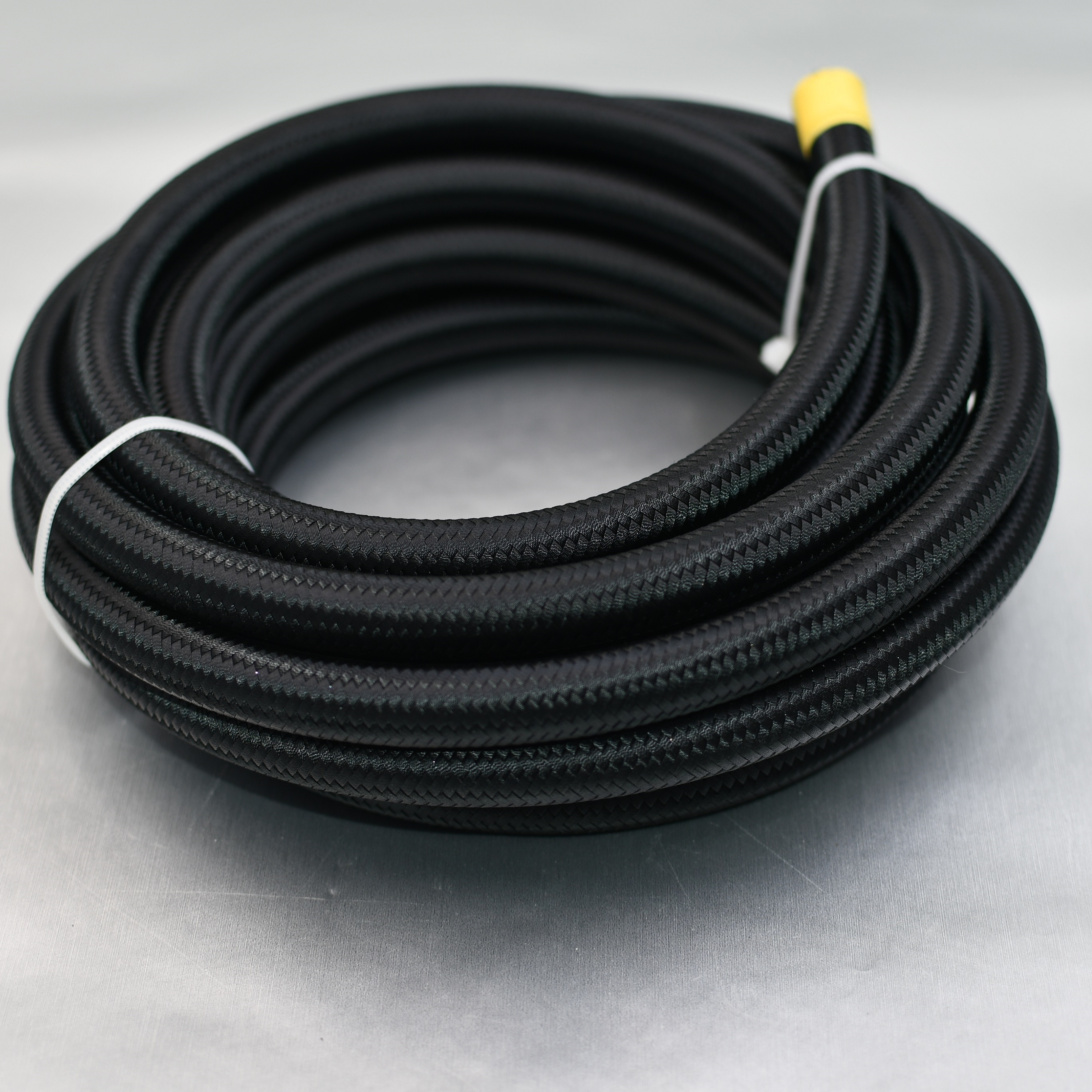
The lifespan of a fuel hose depends on multiple factors including material quality, operating conditions, vehicle type, and maintenance practices. Most fuel hoses last between 5 to 7 years under normal driving conditions, though this timeline can vary significantly based on environmental exposure, fuel composition, and the specific application. Understanding the expected lifespan of your fuel line assembly helps you plan maintenance schedules and avoid costly engine damage from fuel leaks or system failures.
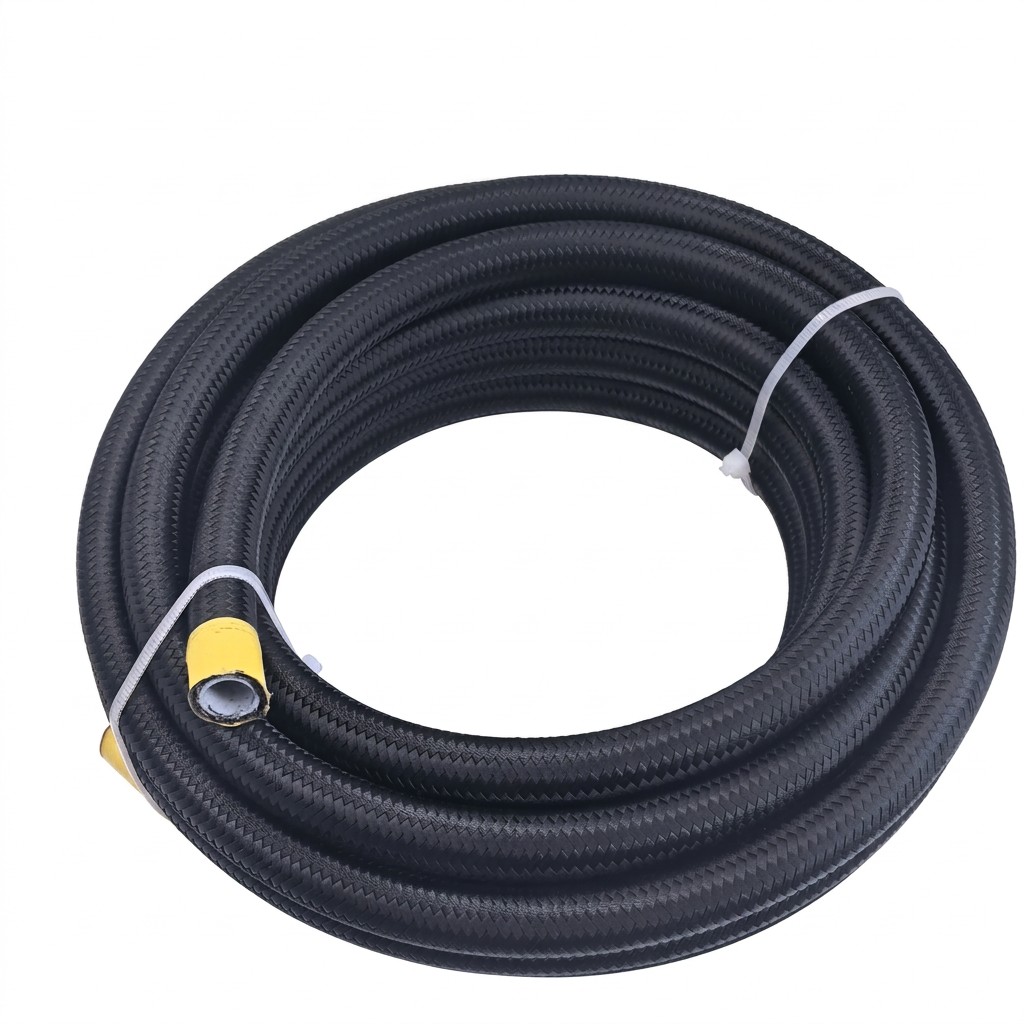
A diesel fuel hose often faces harsher conditions than standard gasoline fuel hose systems, requiring more frequent inspection and potentially shorter replacement intervals. The deterioration of fuel hose components accelerates when exposed to extreme heat, vibration, corrosive fuel additives, and moisture contamination. Regular visual inspections and understanding the warning signs of fuel hose degradation can extend your system's reliability and prevent emergency breakdowns.
Material Composition and Durability Factors
Rubber Composition Impact on Lifespan
The rubber material used in your fuel hose directly influences how long it will last. High-quality synthetic rubber formulations resist fuel chemical degradation, temperature fluctuations, and oxidative stress far better than lower-grade materials. Fuel line assembly construction using reinforced polymer compounds can extend operational life by 2 to 3 years compared to standard rubber alternatives.
Premium fuel hose products incorporate specialized elastomers designed to maintain flexibility and seal integrity throughout their service life. These advanced materials resist swelling, cracking, and internal deterioration that occur when exposed to ethanol-blended fuels and diesel additives. Investing in quality fuel hose components from the outset reduces overall maintenance costs and system downtime.
Environmental and Operational Stress
Fuel hose degradation accelerates dramatically in high-temperature engine compartments, particularly in vehicles with inadequate heat shielding or poorly routed fuel line assembly configurations. Vibration from engine operation, combined with thermal cycling between hot running conditions and cold ambient temperatures, creates cumulative stress on the hose walls. Diesel fuel hose applications in commercial vehicles often experience faster deterioration due to sustained high operating temperatures and continuous duty cycles.
Storage conditions also matter significantly. Fuel hoses exposed to UV radiation, ozone, saltwater environments, or corrosive chemicals degrade faster than protected installations. Vehicles stored outdoors in coastal regions or industrial areas experience 20 to 40 percent reduction in typical fuel hose lifespan compared to temperature-controlled garage storage.
Signs That Your Fuel Hose Needs Replacement
Visual Deterioration Indicators
Visible cracks, brittleness, or discoloration on your fuel hose surface signal that fuel hose replacement has become urgent. When the rubber begins flaking or shows hardening despite regular fuel line assembly maintenance, internal degradation is likely advanced. Fuel hose leaks, whether weeping seepage or active dripping, require immediate replacement to prevent fire hazards and fuel system malfunctions.
Bulging or soft spots along the fuel hose indicate internal pressure damage or rubber breakdown. These weak points can burst suddenly under normal operating pressure, causing catastrophic fuel system failure. Any visible fuel staining, discoloration from fuel chemical reactions, or swelling warrants professional inspection and likely diesel fuel hose or standard fuel hose replacement.
Performance and Safety Warning Signs
Engine performance degradation, including hard starting, rough idle, or fuel pressure irregularities, often stems from fuel line assembly problems rather than engine issues. Fuel smell inside or around the vehicle indicates leaking fuel hose connections or compromised fuel hose integrity. Loss of fuel pressure, detected through diagnostic scanning or fuel pressure gauge testing, frequently traces back to deteriorated fuel hose components failing under operational pressure.
Safety considerations make fuel hose replacement a priority. Fuel leaks near hot engine components create fire risks, while fuel vapor inhalation inside the cabin signals fuel line assembly breaches. Any persistent fuel odor or visible fuel pooling underneath your vehicle demands immediate professional inspection and likely diesel fuel hose replacement or gasoline fuel hose replacement depending on your vehicle type.
Extending Fuel Hose Lifespan Through Maintenance
Preventive Inspection and Care Strategies
Regular visual inspections every 6 months can catch fuel hose deterioration early before failures occur. Check for cracks, swelling, loose connections, and fuel leakage around fuel line assembly junction points. Keeping the engine compartment clean reduces fuel hose exposure to corrosive salt spray, mud, and chemical contamination that accelerate aging.
Proper fuel line assembly routing away from high-heat sources, sharp edges, and excessive vibration sources minimizes stress on the fuel hose walls. Protective heat shielding or insulation wrapping can reduce temperature exposure on the fuel hose, particularly in high-performance or diesel fuel hose applications. Securing loose fuel hose segments prevents chafing and fatigue cracks that develop from movement against engine components.
Fuel System Maintenance Best Practices
Using quality fuel from reputable sources reduces fuel hose exposure to contaminants and corrosive additives that degrade rubber compounds. Diesel fuel hose systems benefit from regular water removal and fuel filter changes that prevent contamination buildup. Maintaining proper fuel pressure levels protects fuel hose components from excessive internal stress that accelerates deterioration.
Seasonal preparation, including winter fuel treatment and summer cooling system maintenance, indirectly supports fuel hose longevity by reducing temperature extremes. Storage practices matter when vehicles sit unused for extended periods; fuel system stabilizers and protective covers help maintain fuel hose integrity. Documentation of fuel hose replacement dates guides future maintenance scheduling and ensures timely preventive action.
FAQ
What is the typical lifespan of a fuel hose in most vehicles?
Most fuel hose components last between 5 to 7 years under normal driving conditions, though this varies based on vehicle type, operating environment, and fuel line assembly quality. Heavy-duty diesel fuel hose applications may require replacement every 4 to 5 years due to sustained high temperatures and continuous operation.
How do temperature and environmental conditions affect fuel hose durability?
Extreme heat, vibration, UV exposure, and corrosive environments significantly reduce fuel hose lifespan. Vehicles operating in coastal regions or industrial areas may experience 20 to 40 percent reduction in typical fuel hose durability compared to protected environments. Temperature cycling between hot and cold conditions accelerates rubber degradation in fuel line assembly systems.
Can regular maintenance actually extend the life of a fuel hose?
Yes, preventive inspection, proper routing, protective heat shielding, and quality fuel use can extend fuel hose replacement intervals by 1 to 2 years. Regular visual checks catch deterioration early, while keeping the fuel line assembly clean and secure from excessive vibration and heat stress maintains the fuel hose integrity longer.
 EN