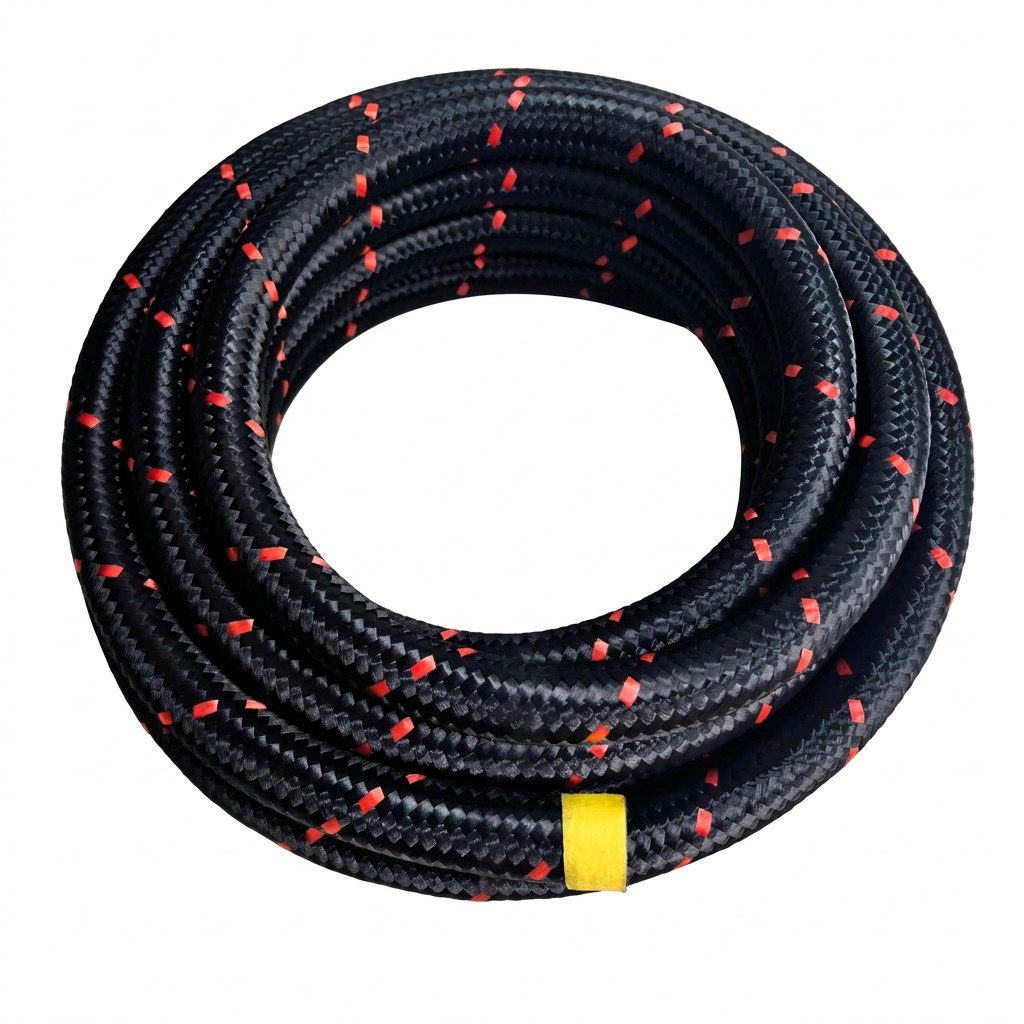
The lifespan of a radiator hose is a critical concern for vehicle owners who want to avoid costly engine damage and unexpected breakdowns. Most radiator hoses are designed to last between four to eight years under normal operating conditions, though this timeline can vary significantly depending on driving habits, climate, maintenance practices, and the specific vehicle model. Understanding the factors that influence the durability of your coolant hose system allows you to plan preventive maintenance effectively and protect your engine cooling system from catastrophic failure.
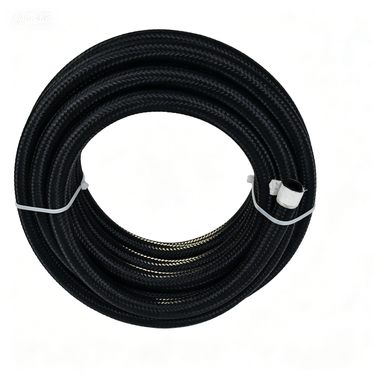
Your engine cooling system depends entirely on the integrity of its rubber hoses to circulate coolant efficiently and maintain safe operating temperatures. Over time, these hoses experience degradation from constant thermal cycling, pressure fluctuations, and chemical exposure to coolant additives. Recognizing when your coolant hose requires replacement ensures your vehicle remains reliable and prevents the catastrophic consequences of coolant leaks or overheating.
Factors That Affect Radiator Hose Durability
Age and Mileage Considerations
The primary determinant of radiator hose longevity is the combination of age and mileage accumulated on your vehicle. Even if a radiator hose appears visually intact, the rubber material continues to harden and lose elasticity simply due to time exposure. Most manufacturers recommend inspecting your coolant hose at four years old, and many expert mechanics suggest considering radiator hose replacement between six and eight years regardless of apparent condition. High-mileage vehicles that exceed 100,000 miles often benefit from proactive hose replacement as a preventive maintenance strategy.
Operating Temperature and Driving Conditions
Extreme climate conditions dramatically accelerate the deterioration rate of your radiator hose materials. Vehicles operating in very hot environments or those subjected to frequent engine revving experience accelerated rubber degradation within the engine cooling system. Urban driving with frequent stops and starts creates more thermal stress than highway driving, potentially shortening the lifespan of your coolant hose. Vehicles used for towing or hauling heavy loads place additional pressure on the entire cooling system, often necessitating earlier radiator hose replacement than vehicles used for light commuting.
Common Signs Your Coolant Hose Needs Replacement
Visual Inspection Indicators
A proactive approach to radiator hose maintenance begins with regular visual inspections of the hose exterior and connection points. Look for visible cracks, splits, or bulges along the length of the radiator hose, as these indicate structural failure. Soft spots or areas where the hose feels mushy when squeezed (when the engine is cold) suggest internal rubber deterioration. Leaking coolant around the connection clamps connecting your coolant hose to the engine block or radiator requires immediate radiator hose replacement to prevent coolant loss and overheating.
Performance and Safety Warning Signs
Your vehicle will often provide warning signs that the engine cooling system is compromised before catastrophic failure occurs. Overheating warnings on your dashboard, sweet-smelling coolant odors, or visible steam from under the hood all indicate potential coolant hose leaks or failures requiring urgent radiator hose replacement. A reduction in cabin heat during winter months can signal coolant flow restrictions within damaged hoses. If you notice your temperature gauge rising toward the red zone or your engine light illuminates, have your cooling system inspected immediately, as a failing radiator hose may be the culprit.
Extending the Life of Your Radiator Hose and Engine Cooling System
Maintenance and Prevention Strategies
Maintaining proper coolant levels and using the correct coolant type for your vehicle significantly extends radiator hose lifespan. High-quality engine coolant contains additives that protect rubber hoses from internal degradation and corrosion. Flushing your cooling system and replacing old coolant according to manufacturer specifications keeps your radiator hose bathed in protective fluid. Regular inspections every six months, particularly in vehicles approaching the four-year mark, allow you to catch subtle deterioration before your coolant hose fails completely.
Timely Replacement Best Practices
Rather than waiting for emergency failure, consider planning radiator hose replacement during scheduled maintenance intervals or when your vehicle reaches the four to six-year mark. Quality replacement hoses maintain pressure ratings and temperature tolerances matching original equipment specifications for your engine cooling system. Many mechanics recommend replacing all radiator hoses simultaneously to ensure consistent performance throughout the entire coolant hose network. Investing in preventive radiator hose replacement costs significantly less than engine repairs resulting from coolant system failure and overheating damage.
FAQ
What happens if my radiator hose fails while driving?
If your radiator hose ruptures during operation, coolant rapidly leaks from the engine cooling system, causing the engine temperature to rise uncontrollably. Within minutes, your engine can overheat severely enough to cause warping of cylinder heads, damage to gaskets, and catastrophic internal engine failure. If you notice symptoms of coolant loss or overheating, pull over immediately, allow the engine to cool, and call for roadside assistance rather than continuing to drive.
Can I repair a leaking radiator hose instead of replacing it?
While temporary repair patches and sealants exist for minor leaks, these solutions are emergency measures only and not appropriate for long-term use. A failing radiator hose that leaks requires replacement with a new hose to ensure your engine cooling system operates safely and reliably. Attempting to repair a deteriorating coolant hose invites sudden failure at unpredictable moments, risking engine damage and leaving you stranded.
How much does radiator hose replacement typically cost?
The cost of radiator hose replacement varies based on your vehicle make and model, hose accessibility, and your location. Most replacement services range from $200 to $500 including both parts and labor for a single radiator hose, though replacing multiple hoses simultaneously may increase the total cost proportionally. This preventive investment protects your engine from damage that could cost thousands of dollars, making it an economical maintenance decision.
 EN