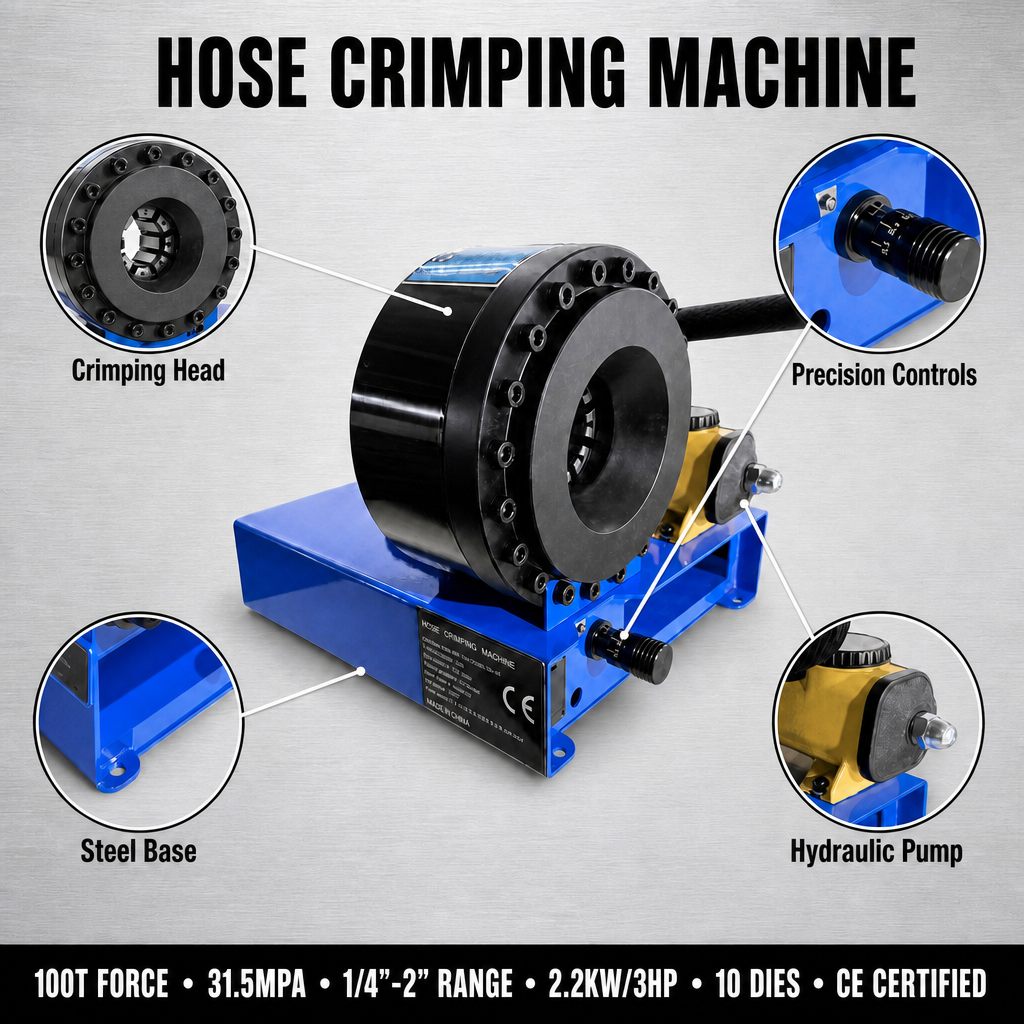
Selecting the right hydraulic crimping machine is one of the most critical decisions for any operation that handles hose assemblies, fluid transfer systems, or industrial connections. The wrong choice can lead to costly downtime, poor crimping quality, safety hazards, and wasted resources. Whether you work in automotive, manufacturing, construction, or hydraulics, understanding how to evaluate crimping press equipment will ensure you invest in equipment that meets your production demands and maintains consistent quality standards.
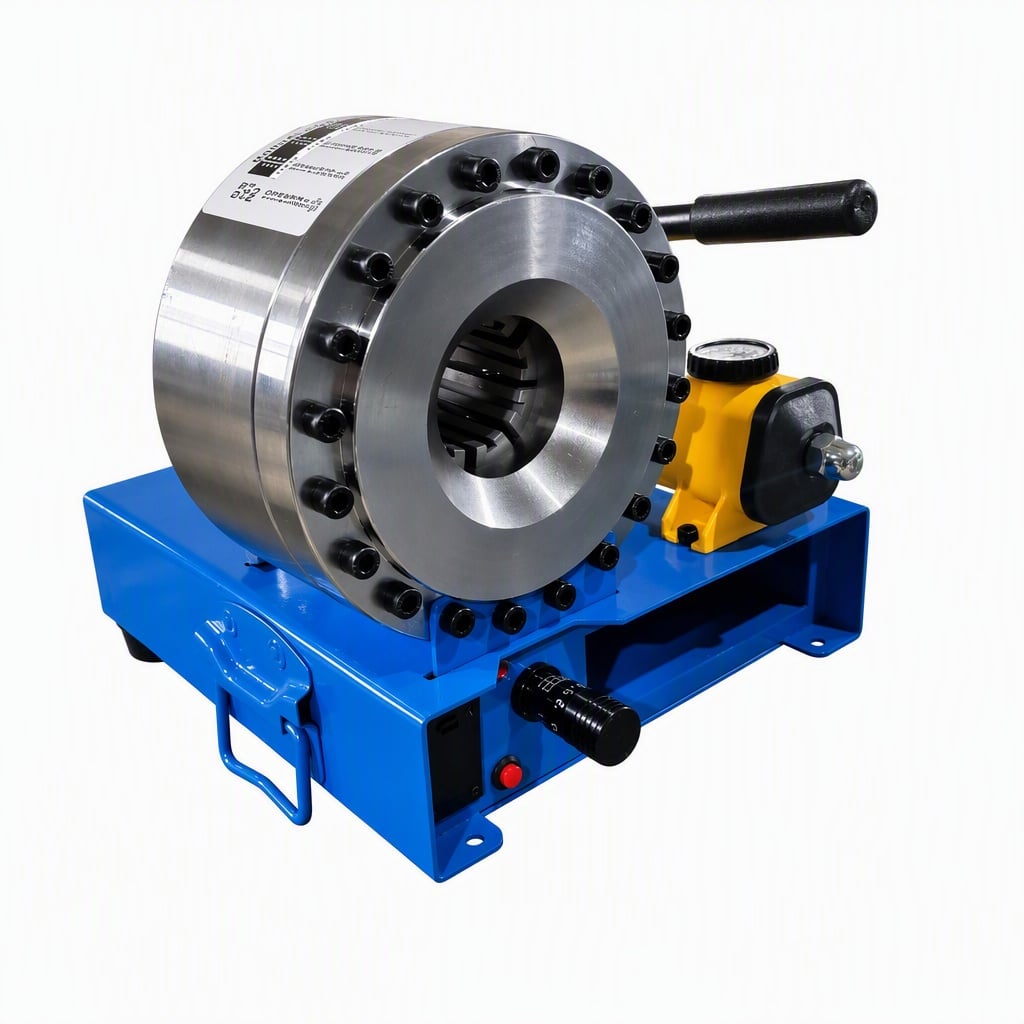
This guide walks you through the essential criteria for choosing a hydraulic crimper tool that aligns with your specific application. From capacity and pressure ratings to portability and ease of maintenance, we cover the factors that separate reliable equipment from poor investments. By the end, you will understand how to evaluate options, assess your true needs, and make a confident decision that supports both immediate production goals and long-term operational efficiency.
Assess Your Production Volume and Capacity Requirements
Understanding Crimping Load Specifications
Every hydraulic crimping machine comes with rated pressure and force specifications measured in tons or PSI. These numbers tell you the maximum crimping force the equipment can deliver and the pressure required to achieve consistent results. Industrial hose assemblies demand varying pressure levels based on hose diameter, fitting material, and end-use environment. A hydraulic crimper tool rated for 10 tons may handle small brake line fittings, while larger hose systems require 50-ton, 100-ton, or even heavier crimping press equipment. Underestimating your capacity needs results in incomplete crimps, leaking connections, and failed safety inspections.
Daily Volume Considerations
Calculate how many hose assemblies you need to crimp daily or weekly. High-volume operations benefit from faster-cycle equipment with automatic or semi-automatic features, while job shops handling diverse projects may prioritize flexibility over speed. A manual hydraulic crimper tool works well for occasional or small-batch work, but continuous high-volume production demands equipment engineered for repetitive duty cycles. Consider whether you anticipate growth; selecting crimping press equipment with capacity headroom prevents future equipment replacement costs and production bottlenecks.
Evaluate Pressure Range and Hose Fitting Compatibility
Pressure Compatibility Across Fitting Types
Different hose fitting systems operate at different pressures, and your equipment must match these specifications precisely. A hose fitting crimper designed for low-pressure agricultural hoses cannot safely crimp high-pressure industrial hydraulic lines without risking failure or damage. Verify that the hydraulic crimping machine supports the exact pressure ratings your fittings require, whether they are 210 bar, 350 bar, 700 bar, or higher. Mismatched pressure can result in over-crimping, which fractures fittings and compromise seal integrity, or under-crimping, which causes leaks and safety failures.
Adaptability for Multiple Fitting Standards
Industrial applications often demand work with multiple hose sizes and fitting standards simultaneously. Look for a hydraulic crimper tool that offers interchangeable dies, adapters, and quick-change mechanisms. This flexibility allows one piece of crimping press equipment to handle diverse projects without requiring multiple machines. European, American, and Asian fitting standards may coexist in your supply chain, and selecting a machine with broad compatibility simplifies procurement and reduces training complexity for your team. Verify die availability and lead times before purchase to ensure smooth operations.
Examine Portability, Durability, and Maintenance Demands
Space and Mobility Considerations
Space constraints vary significantly across job sites and workshops. A stationary hydraulic crimping machine mounted on a heavy-duty bench suits dedicated assembly centers with consistent workflow, while mobile service teams need lightweight, portable equipment. Assess whether the hose fitting crimper must travel to customer sites, fit inside service vehicles, or remain permanently stationed. Portable models sacrifice some power but offer flexibility; benchtop hydraulic crimper tool units deliver precision but require dedicated workspace. Consider electrical requirements as well—some equipment needs three-phase power, while others operate on standard single-phase outlets or battery power.
Build Quality and Long-Term Reliability
Investing in a hydraulic crimping machine with robust construction and quality components protects your business from frequent breakdowns and repair expenses. Examine frame materials, seal quality, pump durability, and pressure relief system design. Well-engineered crimping press equipment features redundant safety features, efficient cooling systems, and accessible maintenance points. Read equipment specifications for cycle time consistency, pressure stability, and temperature operating ranges. Premium hydraulic crimper tool manufacturers provide clear maintenance schedules and easy access to wear parts. A machine costing slightly more upfront but lasting five years without major repairs delivers significantly better total-cost-of-ownership than cheaper equipment requiring constant fixes.
Review Safety Features and Compliance Standards
Safety Systems and Operational Safeguards
Modern hydraulic crimping machine models include emergency stop buttons, pressure relief valves, and personnel guards that prevent operator injury. Ensure the equipment meets relevant safety certifications and standards for your region or industry. A quality hose fitting crimper incorporates dual-hand controls or interlocks that require deliberate operator engagement to prevent accidental activation. Review emergency procedures and ensure training materials are clear and comprehensive. Equipment lacking proper safety systems exposes your business to liability, worker injuries, and potential regulatory fines.
Quality Assurance and Testing Capabilities
Select a hydraulic crimper tool that includes pressure gauges, force indicators, or data logging features to verify crimp quality consistently. Some advanced crimping press equipment models record force curves and pressure cycles, creating audit trails for quality control and compliance verification. This visibility into each crimp ensures repeatability and builds confidence in connection reliability. For industries with strict quality requirements—aerospace, automotive, or pressure vessel work—this traceability becomes essential for certification and customer confidence.
FAQ
What is the typical lifespan of a hydraulic crimping machine?
A well-maintained hydraulic crimper tool typically lasts 8 to 15 years depending on usage intensity and maintenance discipline. Regular seal replacement, hydraulic fluid changes, and professional service extend the lifespan significantly. Industrial-grade crimping press equipment designed for heavy daily use often outlasts cheaper alternatives by 50% or more. Proper operator training and adherence to manufacturer maintenance schedules are critical factors in maximizing equipment longevity.
Can a single hydraulic crimping machine handle different hose sizes?
Yes, most modern hydraulic crimper tool models offer interchangeable dies and quick-change cartridges that accommodate different hose diameters and fitting types. This flexibility allows one piece of crimping press equipment to serve multiple applications without purchasing separate machines. However, verify that the base machine's pressure and force specifications match all the hose sizes you plan to crimp. Some applications may require pressure levels beyond the machine's rated capacity.
How do I determine if a hydraulic crimper tool is right for my operation?
Evaluate your production volume, hose diameter and pressure requirements, available workspace, and budget constraints. Calculate daily crimping demand and pressure specifications for all fitting types your operation handles. Compare multiple hose fitting crimper models, check safety certifications, review maintenance requirements, and request demonstrations if possible. Consider both immediate needs and anticipated growth to ensure the crimping press equipment supports future expansion without premature replacement or capacity limitations.
 EN