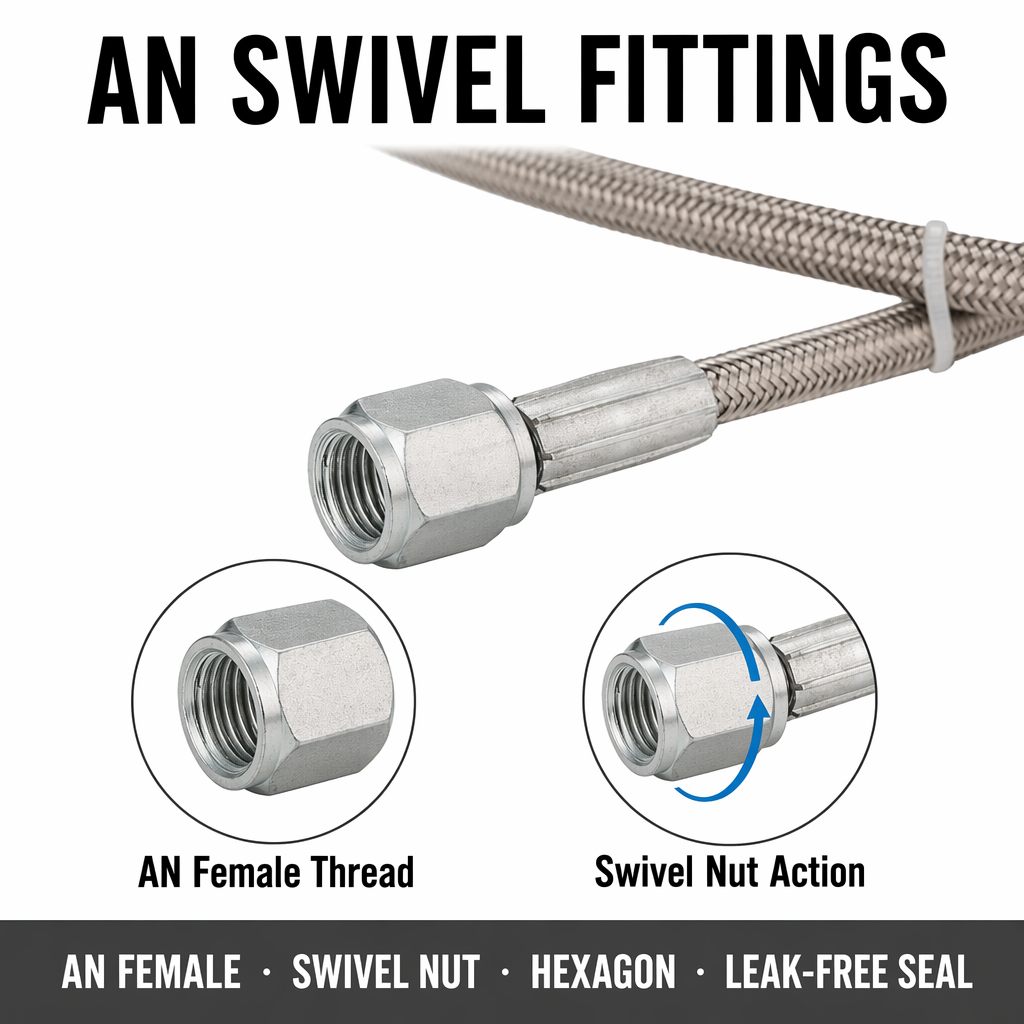
Selecting the correct ptfe tube size is one of the most critical decisions in fluid transfer system design. The wrong sizing choice can lead to pressure drops, system inefficiencies, chemical incompatibilities, and costly equipment failure. Whether you're designing a laboratory system, industrial process line, or high-performance automotive application, understanding the key factors that influence tube selection ensures your system operates reliably and safely. This guide walks you through the essential criteria for choosing the right teflon tubing dimensions and specifications.
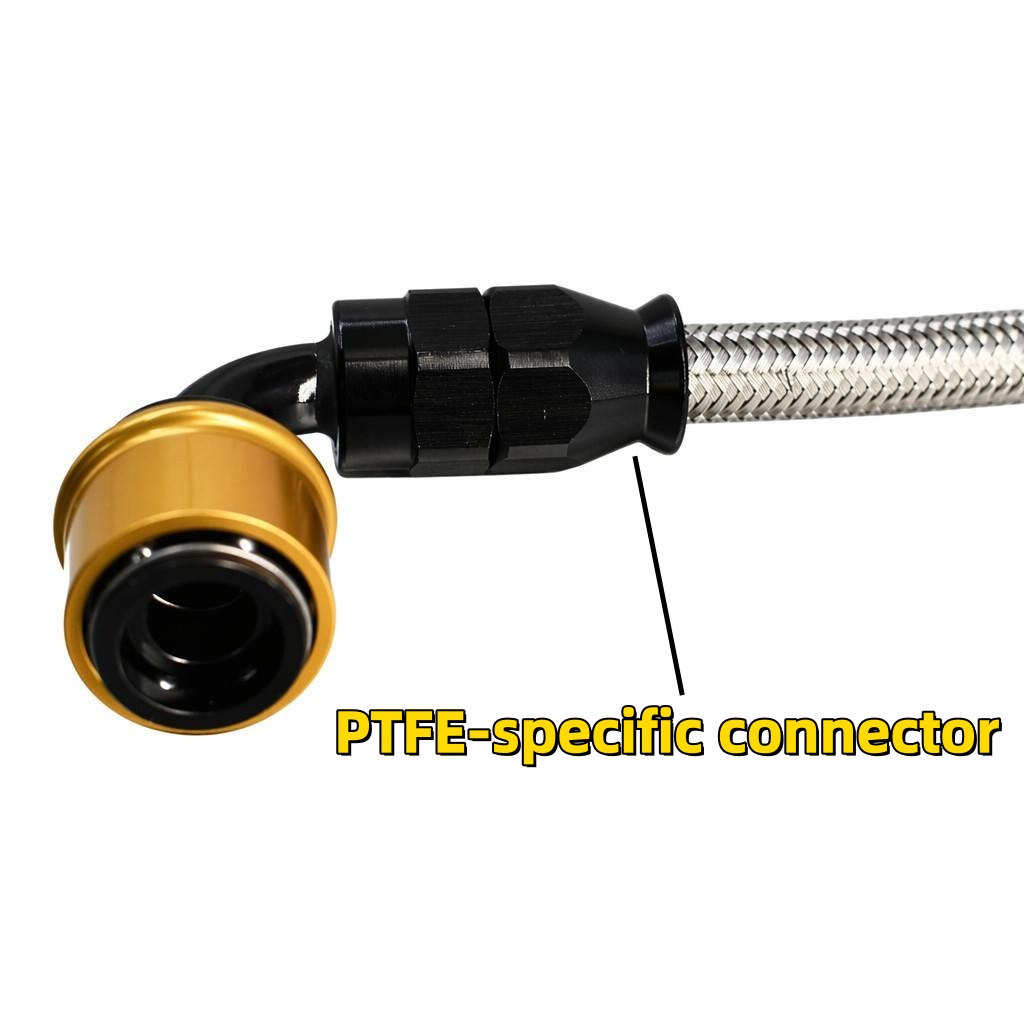
Teflon tubing and fluoropolymer hose options come in dozens of standard sizes, each designed to serve specific flow rates, pressure environments, and chemical conditions. The sizing process requires balancing inner diameter against system demands, considering wall thickness for pressure ratings, and verifying compatibility with your working fluid. This article addresses the practical methodology for matching ptfe tubing applications to precise dimensional and material requirements.
Understanding Core Sizing Parameters
Inner Diameter and Flow Requirements
The inner diameter (ID) of your teflon tubing directly affects flow velocity and pressure drop across the system. Flow velocity should typically remain between 3 and 10 feet per second in most applications, depending on whether you're handling liquids or gases. If velocity exceeds recommended ranges, pressure losses increase exponentially, forcing your pump to work harder and generating unnecessary heat. Conversely, oversized tubing reduces velocity but increases material cost and system footprint. Calculating required ID begins with your anticipated flow rate in gallons per minute (GPM) or cubic centimeters per minute (CCM), then applying the velocity formula to determine the ideal tube cross-section.
Pressure Rating and Wall Thickness
Pressure rating depends on both the fluoropolymer hose material and the wall thickness of your ptfe tube. Standard PTFE tubing typically handles continuous operating pressures up to 3000 PSI, though reinforced versions with nylon or stainless steel braid can exceed 5000 PSI. The relationship between inner diameter, wall thickness, and maximum pressure follows established engineering standards. A ptfe tubing with larger inner diameter requires thicker walls to maintain the same pressure rating, which increases cost and stiffness. Your application's maximum system pressure, including transient spikes from pump startup or valve closure, must never exceed the tube's rated limit.
Selecting for Specific Applications
Chemical Compatibility and Fluid Type
PTFE and fluoropolymer hose materials offer exceptional chemical resistance, but not all fluids are equal. Teflon tubing resists nearly all acids, bases, solvents, and organic compounds, making it ideal for chemical processing, pharmaceutical applications, and laboratory environments. However, certain specialty fluids or extreme temperatures can still affect performance over time. When specifying your ptfe tube size, verify that the material grade matches your working fluid and operating temperature range. Many industrial applications combine PTFE tubing with compatible fittings and ferrules to create a complete system; incompatible connections can undermine the chemical advantages of the tube itself.
Temperature Range and Material Grade
Standard PTFE tubing operates reliably between minus 40°F and plus 250°F. Extended temperature capability requires specialty grades like PFA or ETFE, which are types of fluoropolymer hose designed for higher thermal demands. When selecting your ptfe tubing applications for heated processes or cold storage environments, confirm that both the tube and all connected components maintain performance across your entire operating range. Temperature affects material flexibility, pressure rating, and long-term durability. Oversizing slightly in pressure rating can provide safety margin for systems that experience temperature cycling or fluctuating pressure conditions.
Practical Sizing Workflow and Validation
Combining Multiple Factors for Final Selection
The right teflon tubing choice emerges from systematically combining flow rate calculations, pressure requirements, chemical compatibility checks, and temperature confirmation. Start by documenting your system's maximum flow rate in consistent units, then calculate the inner diameter that keeps velocity within acceptable limits. Next, determine your maximum system pressure including safety margin, and select a ptfe tube wall thickness and material that comfortably exceeds this rating. Cross-reference your working fluid against PTFE chemical compatibility charts to ensure no degradation occurs. Finally, verify all fittings, ferrules, and connection points are rated for your chosen tube size and pressure class.
Testing and Installation Considerations
Before committing to full-scale deployment, pressure test your complete ptfe tubing assembly at 1.5 times the maximum operating pressure for at least 30 minutes. This validation catches design errors, fitting incompatibilities, and material defects before they cause system failure. When installing your fluoropolymer hose and ptfe tube assemblies, avoid sharp bends that can kink or stress the tube wall, maintain proper clamp spacing to prevent vibration damage, and route tubing away from heat sources and sharp edges. Proper installation extends service life significantly and reduces the risk of unexpected downtime.
FAQ
What happens if I choose a ptfe tube that's too small?
Undersized teflon tubing causes excessive flow velocity, leading to significant pressure drops, heat generation, and potential tube damage from erosion or turbulence. The system requires higher pump power to achieve desired flow rates, increasing energy costs and component stress. In extreme cases, pressure drop can be so severe that downstream equipment receives insufficient fluid volume.
Can I reuse existing ptfe tubing applications in a new system?
Reusing teflon tubing depends on its condition, pressure rating, and compatibility with new operating parameters. If the tube shows visible cracking, discoloration, or loss of flexibility, replacement is necessary. If your new system operates at higher pressure or with a different fluid than the original application, the fluoropolymer hose may not be suitable. Always pressure test and verify chemical compatibility before redeploying used ptfe tube assemblies.
How do I convert between different ptfe tube measurement standards?
PTFE tubing sizes are commonly expressed in fractional inches (1/4", 3/8", 1/2"), decimal inches (0.250", 0.375"), or millimeters (6.35mm, 9.53mm). Most manufacturers provide conversion charts in their specification sheets. When ordering teflon tubing or fluoropolymer hose from international suppliers, confirm whether dimensions are specified in imperial or metric units to avoid costly ordering errors.
 EN