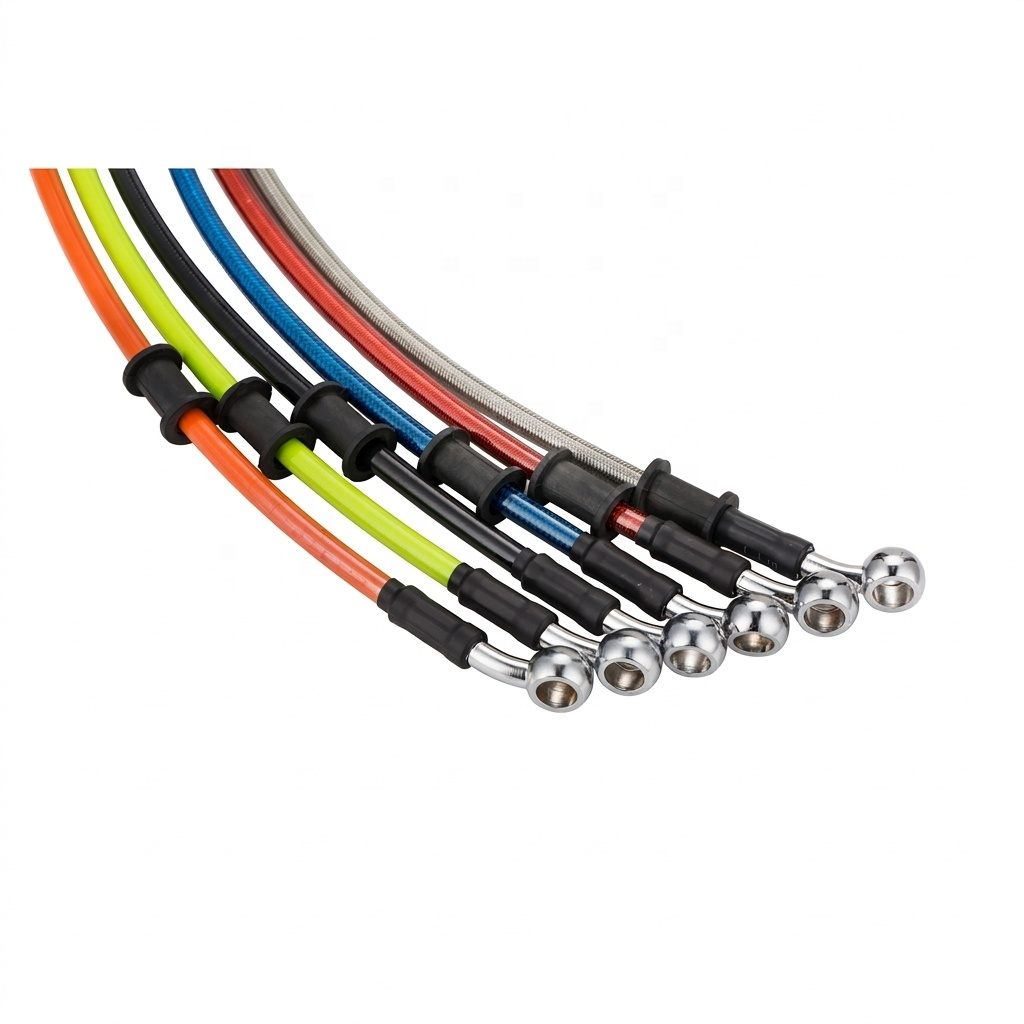
A custom brake hose is a critical component in any braking system, responsible for safely delivering hydraulic pressure from the master cylinder to the brake calipers. Protecting this investment through proper maintenance and care is essential for both safety and cost efficiency. Understanding how to extend custom brake hose lifespan can save you significant money while ensuring your vehicle remains safe on the road. The longevity of your custom brake hose depends on several factors including material quality, installation practices, environmental conditions, and regular maintenance routines.
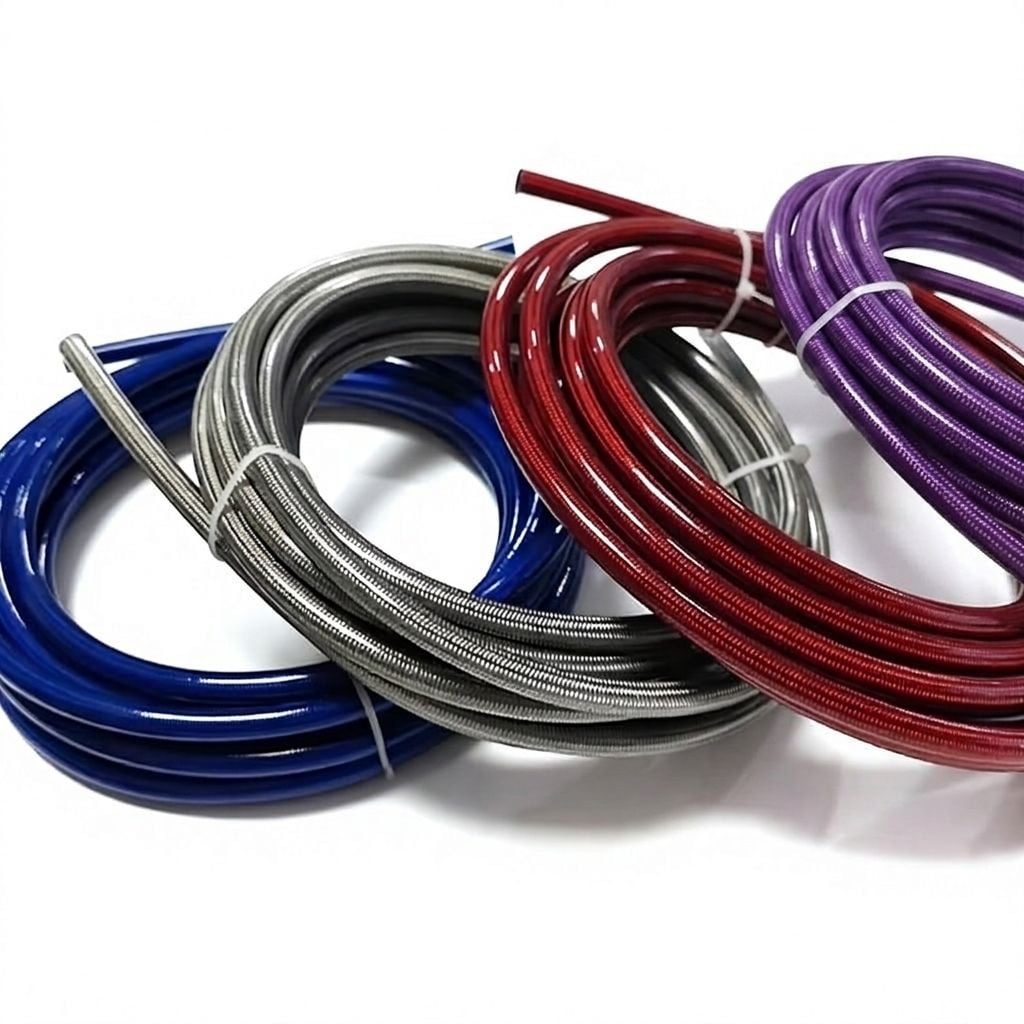
Modern brake systems utilize advanced materials like braided brake lines and specialized hydraulic brake tubing designed to withstand extreme pressures and temperatures. However, even the highest quality braided brake lines require intelligent maintenance strategies to achieve their full potential lifespan. DOT brake hose specifications set industry standards for safety, but meeting these standards at installation is only the beginning. Ongoing care, inspection, and preventive maintenance are what truly determine whether your custom brake hose delivers reliable performance for years to come.
Understanding Material Properties and Protection
Quality Material Selection and Its Impact
The foundation of a long-lasting custom brake hose starts with selecting quality components that meet or exceed DOT brake hose specifications. Premium braided brake lines feature stainless steel or PTFE inner cores protected by multiple outer layers, creating superior resistance to pressure fluctuations and thermal stress. These hydraulic brake tubing options are engineered to prevent permeation of brake fluid through the hose walls, which is one of the primary causes of premature failure. When you invest in high-grade components, you're purchasing peace of mind and extended service life.
Environmental Protection Strategies
Environmental exposure represents one of the most significant threats to custom brake hose longevity. UV radiation degrades outer jackets, while road salt and moisture promote corrosion on braided brake lines. Heat cycling from braking friction can weaken the structural integrity of hydraulic brake tubing over time. To protect your investment, park in covered areas whenever possible, apply protective coatings designed for brake systems, and consider underbody rust prevention treatments. These preventive steps significantly extend the operational life of your brake components and maintain their compliance with DOT brake hose specifications.
Maintenance and Inspection Protocols
Regular Visual Inspections
Scheduled inspections are crucial for early detection of problems that could compromise your braking system. Examine your braided brake lines and hydraulic brake tubing for visible cracks, splits, bulges, or soft spots along their entire length. Look for any signs of brake fluid leakage around connection points and along the hose routing. Check for areas where the outer jacket may be rubbing against other components, as this friction can accelerate deterioration. Perform these inspections every three months or before long trips, documenting any changes to establish a maintenance history for your custom brake hose system.
Fluid Quality Management
The brake fluid circulating through your hydraulic brake tubing directly affects hose longevity. Moisture contamination in brake fluid promotes internal corrosion and reduces the protective properties of the fluid itself. Replace your brake fluid according to manufacturer recommendations, typically every two years regardless of mileage. Use only brake fluid that meets the appropriate DOT specification for your vehicle to ensure compatibility with your braided brake lines and custom brake hose components. Contaminated or degraded fluid accelerates hose deterioration and increases failure risk, so maintaining fluid quality is as important as maintaining the hoses themselves.
Proper Installation and Care Techniques
Installation Best Practices
Correct installation significantly impacts how long your custom brake hose will perform effectively. Ensure braided brake lines and hydraulic brake tubing are routed away from sources of heat, sharp edges, and moving engine components. Secure hoses with proper clamps to prevent vibration and movement that can weaken connection points. Avoid crossing hoses or routing them where they might rub against frame components over time. Follow the vehicle manufacturer's routing specifications and ensure all connections meet DOT brake hose specifications for proper torque and sealing. Professional installation often extends hose life by preventing stress concentration points that develop under careless assembly.
Pressure Regulation and System Maintenance
Excessive brake system pressure can dramatically reduce the lifespan of your custom brake hose components. Modern vehicles include pressure-limiting valves designed to protect the system, but these should be verified during maintenance. High-performance applications may require specialized pressure regulators to protect braided brake lines from damage. Have your brake system pressure tested annually to identify any creeping pressure increases that could prematurely age your hydraulic brake tubing. Maintaining proper system pressure, with bleeding air from the system regularly, keeps your custom brake hose operating within design parameters and extends its service life considerably.
FAQ
How often should I replace my custom brake hose?
Most manufacturers recommend inspecting braided brake lines every two years and replacing hydraulic brake tubing every four to six years regardless of condition. However, if you notice visible damage, fluid leakage, or soft spots when checking your custom brake hose, replace it immediately. Severe driving conditions, high-performance applications, or exposure to harsh environments may require more frequent replacement cycles. Following DOT brake hose specifications for your specific application will guide replacement intervals and material selection to maximize hose longevity.
Can I repair a damaged custom brake hose?
Temporary repairs using brake hose repair kits may restore function briefly, but they are not permanent solutions for a compromised custom brake hose. Braided brake lines that have failed should be replaced entirely to maintain safety and system integrity. Attempting to repair hydraulic brake tubing can compromise the structural integrity of the hose and create failure points. Professional replacement ensures your system meets DOT brake hose specifications and operates safely. Never continue using a damaged custom brake hose for extended periods, as brake failure could result in dangerous situations.
What storage conditions extend custom brake hose lifespan?
Store unused custom brake hose in cool, dark, dry environments protected from UV radiation and extreme temperatures. Keep braided brake lines away from ozone sources, solvents, and petroleum products that can degrade protective jackets. Hydraulic brake tubing should be coiled loosely rather than bent sharply, preventing stress points in the material. Store hoses in sealed containers that protect them from dust and moisture accumulation. Proper storage conditions can extend the shelf life of replacement braided brake lines and custom brake hose components, ensuring they perform optimally when installed.
 EN