 EN

how-to-extend-custom-brake-hose-lifespan-effectively, how-to-extend-custom-brake-hose-lifespan-effectively, /news
EN
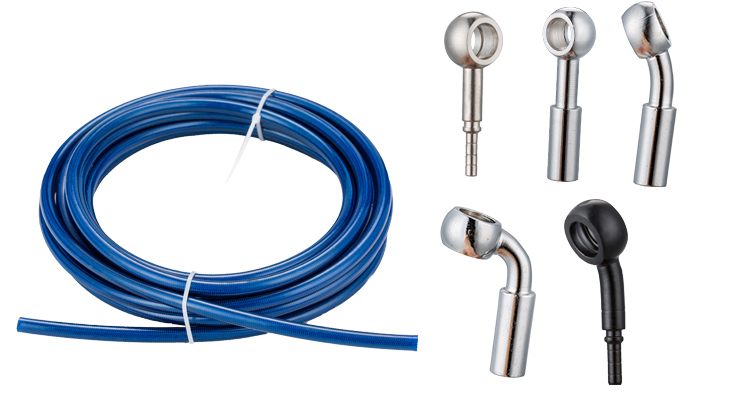
A custom brake hose is a critical component in any braking system, responsible for safely transferring hydraulic pressure from the master cylinder to the brake calipers. The longevity of your custom brake hose directly impacts your vehicle's safety, performance, and maintenance costs. Understanding how to properly care for and extend the lifespan of your custom brake hose is essential for anyone invested in maintaining a reliable braking system.
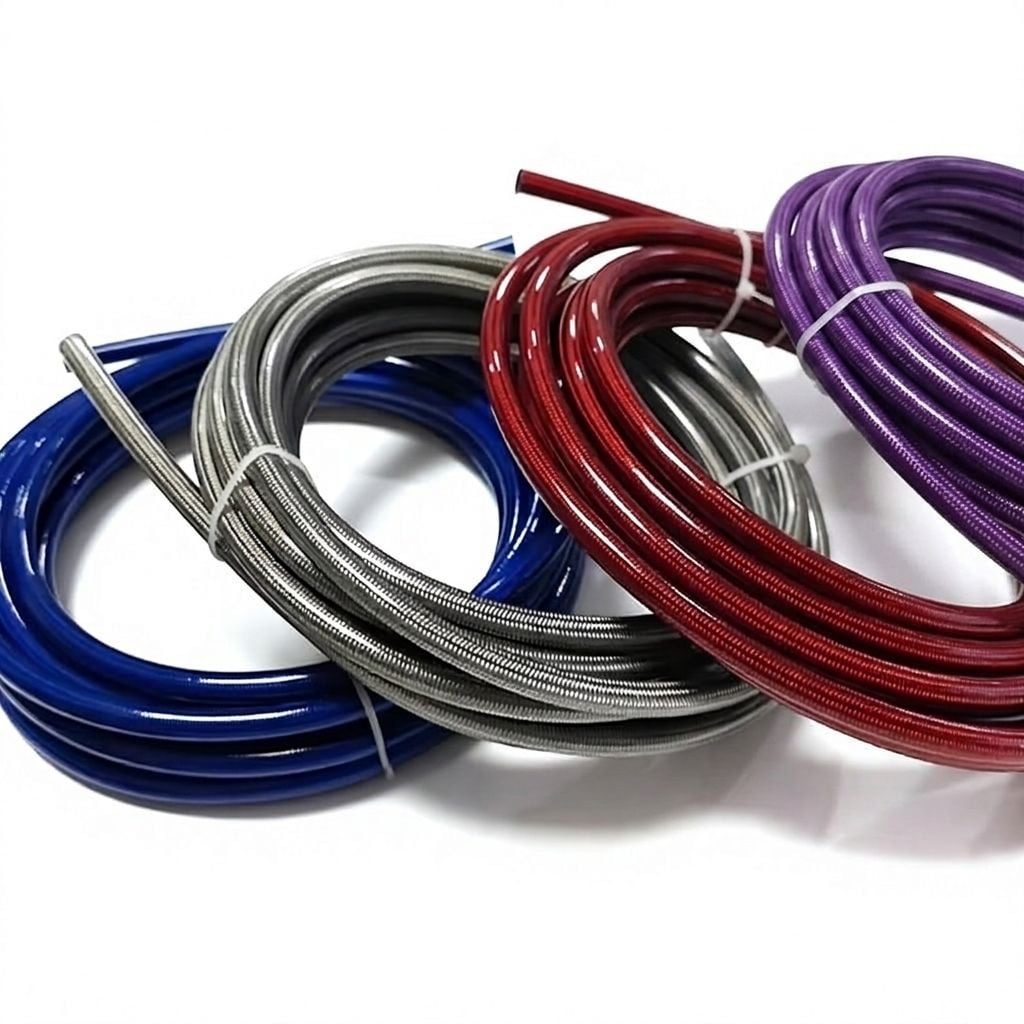
Extending the lifespan of your braided brake lines and hydraulic brake tubing requires a combination of preventive maintenance, proper installation, and routine inspections. Many vehicle owners neglect their brake hoses until problems arise, leading to premature wear and potential system failures. By implementing the right strategies and understanding DOT brake hose specifications, you can significantly extend the service life of your brake components.
The way you install your custom brake hose sets the foundation for its long-term durability. Braided brake lines must be routed away from hot engine components, sharp edges, and moving parts that could cause abrasion or puncture damage. Proper support clamps should be positioned at regular intervals to prevent vibration-induced stress on the hose. When installing hydraulic brake tubing, ensure there is at least one-half inch clearance from exhaust components and moving suspension parts.
DOT brake hose specifications require that hoses maintain their structural integrity throughout their service life. Poor routing not only violates these standards but also accelerates wear. Taking time during installation to plan an optimal path for your braided brake lines will prevent costly repairs and ensure consistent brake performance. Avoid bending the hose at angles tighter than the manufacturer's recommended minimum radius to prevent internal kinking and fluid flow restriction.
Proper connection of your custom brake hose to the master cylinder and brake calipers is vital for longevity. Use the correct adapters and fittings specified by DOT brake hose specifications to ensure a leak-free seal. Over-tightening connections can damage the fitting threads and hose material, while under-tightening allows fluid leaks that compromise braking performance and expose the hose to atmospheric moisture and contaminants.
Apply a thin layer of appropriate thread sealant when connecting hydraulic brake tubing to prevent micro-leaks. Check all connections after your first drive to confirm they remain tight. Retorque connections after the system has been pressurized for the first time to account for any settling of the fitting seats.
Conducting routine visual inspections of your braided brake lines is one of the most cost-effective ways to extend their lifespan. Look for signs of cracking, bulging, discoloration, or fluid seepage around the hose and its fittings. Check for abrasion marks where the hose may be rubbing against other components, as this is a common cause of premature failure in custom brake hose systems.
Inspect the outer protective covering of your hydraulic brake tubing for UV damage or degradation, particularly if your vehicle is regularly exposed to sunlight. The outer jacket protects the braided reinforcement layer from environmental exposure and mechanical damage. If you notice cracks or peeling in this outer layer, replacement should be prioritized even if the hose is not yet leaking. Early intervention prevents more serious failures.
The fluid circulating through your custom brake hose significantly affects its lifespan. Brake fluid absorbs moisture over time, which can cause internal corrosion of the hose reinforcement and degrade rubber components. Most manufacturers recommend changing brake fluid every two to three years, regardless of mileage, to maintain DOT brake hose specifications and prevent contamination-related deterioration.
Use only DOT 3, DOT 4, or DOT 5.1 brake fluid appropriate for your vehicle and system specifications. Mixing different brake fluid types can cause swelling or deterioration of hose materials. If you notice discolored or cloudy brake fluid during inspection, schedule an immediate fluid flush to prevent damage to your braided brake lines and hydraulic brake tubing. Clean fluid helps preserve the integrity of seals and prevents internal oxidation.
Temperature extremes significantly impact the longevity of your custom brake hose. Heat accelerates rubber degradation and can affect the structural integrity of the reinforcement layers in braided brake lines. Conversely, extreme cold can make hose materials brittle and prone to cracking. When possible, park your vehicle in shaded or covered locations to minimize thermal stress on your hydraulic brake tubing.
If your vehicle sits unused for extended periods, take measures to protect your brake system. Cover the hose lines with protective covers if the vehicle is stored outdoors for months. UV rays break down rubber polymers over time, reducing the effective service life of your custom brake hose. Shade and protection are especially important in hot climates where sun exposure is intense.
Salt, dirt, and chemical road treatments can accelerate corrosion of hose fittings and reinforce the importance of DOT brake hose specifications compliance. Regular washing and cleaning of your vehicle's undercarriage helps minimize corrosive exposure. Pay particular attention to the brake system components, gently rinsing the area around your custom brake hose and connection points after driving in winter conditions.
Moisture trapped against braided brake lines and hydraulic brake tubing creates an ideal environment for rust and material degradation. After washing or in humid conditions, allow brake components time to dry thoroughly. Consider using protective wax or coating products designed for brake system components to provide additional corrosion resistance without interfering with brake performance.
Most manufacturers recommend replacing custom brake hose every five to seven years, regardless of visual condition or mileage. This timeframe accounts for material degradation that may not be immediately visible. However, if you notice leaks, damage, or if your braided brake lines show signs of wear before this interval, replacement should be done sooner. Always consult your vehicle's specific maintenance schedule and DOT brake hose specifications for precise replacement intervals.
Premature failure of hydraulic brake tubing typically results from poor installation, inadequate routing, contaminated brake fluid, or exposure to excessive heat and UV radiation. Abrasion from contact with sharp edges or moving parts is another common cause. Using non-compliant hoses that don't meet DOT brake hose specifications can also lead to accelerated deterioration. Proper installation techniques and regular maintenance prevent most premature failures.
Yes, braided brake lines generally offer extended durability compared to standard rubber hoses when properly maintained. The stainless steel or nylon braiding provides superior protection against abrasion and puncture. However, longevity depends on overall maintenance, environmental exposure, and adherence to DOT brake hose specifications. Even high-quality braided brake lines require regular inspection and proper care to maximize their lifespan.
