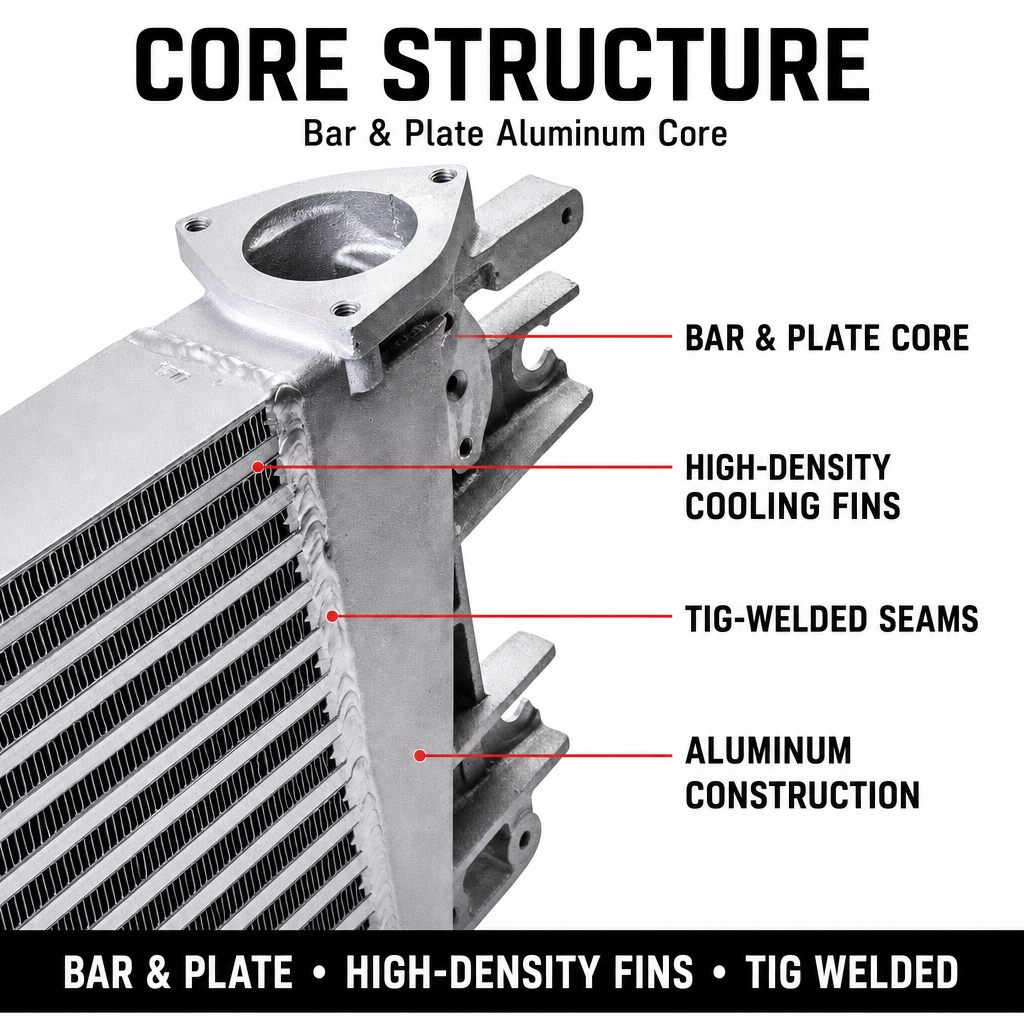
An intercooler is a critical component in any turbocharged engine cooling system, and understanding how to maintain it properly can dramatically extend its operational life and efficiency. The intercooler sits between the turbocharger and the engine intake manifold, cooling compressed air before it enters the combustion chamber. When an intercooler operates efficiently, engine performance improves, fuel economy increases, and the overall reliability of your turbocharged engine cooling setup strengthens significantly.
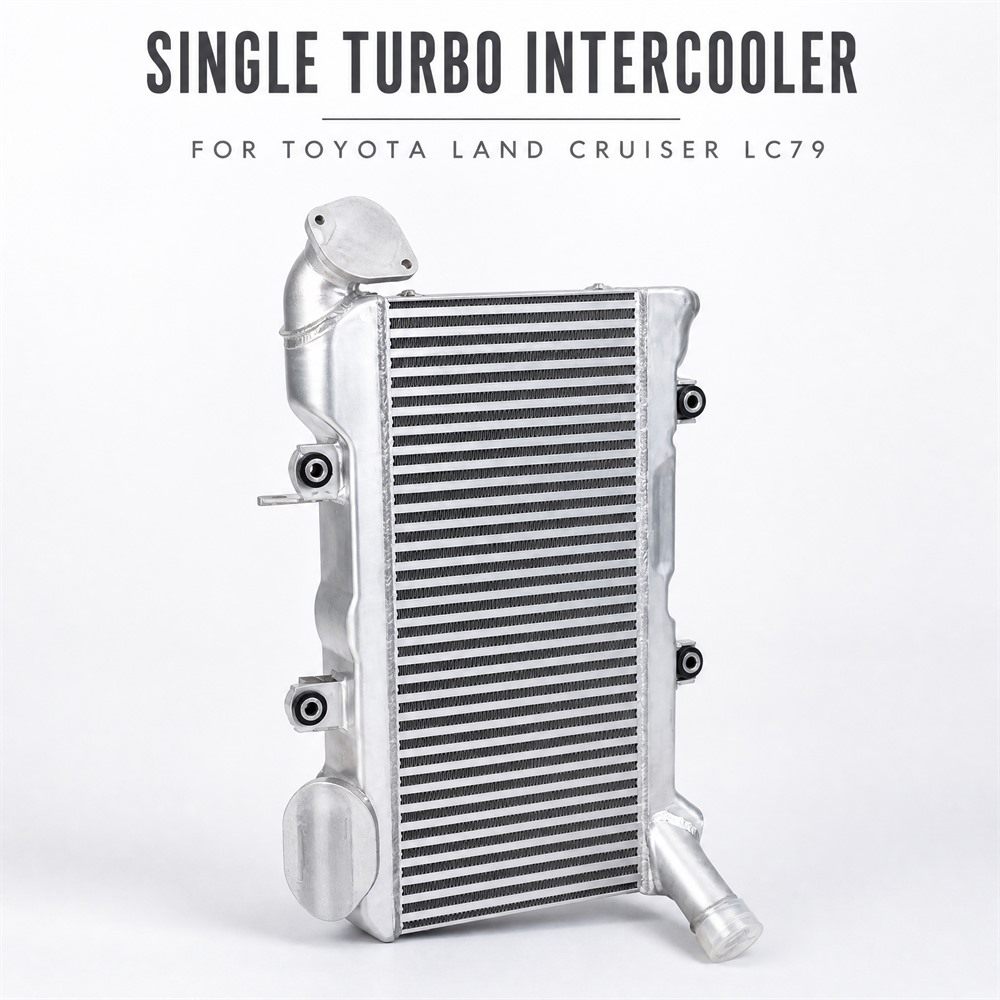
Most vehicle owners underestimate the importance of intercooler maintenance until performance begins to degrade or cooling efficiency drops. Poor intercooler efficiency not only reduces horsepower but can also lead to engine knocking, increased fuel consumption, and premature wear on internal engine components. By implementing proactive intercooler maintenance strategies, you protect your investment and ensure consistent turbocharged engine cooling performance throughout the vehicle's lifespan.
Understanding Intercooler Efficiency and How It Affects Engine Performance
The Role of Intercooler Efficiency in Turbocharged Systems
Intercooler efficiency determines how effectively the unit cools compressed air from the turbocharger. When intercooler efficiency is high, the temperature drop is maximized, resulting in denser air entering the engine. This denser air improves combustion efficiency and allows the engine to produce more power while maintaining safe operating temperatures. Conversely, when intercooler efficiency declines due to blockages, corrosion, or contamination, the air temperature increases, reducing overall engine performance and increasing heat stress on internal components.
Temperature Control and Long-Term Engine Health
Maintaining optimal temperature control through proper intercooler maintenance directly impacts engine longevity. Excessive intake air temperature accelerates wear on pistons, valves, and gaskets, while consistent, controlled temperatures promote stable engine operation. An efficient intercooler keeps air temperatures within the manufacturer's specification range, preventing thermal shock and maintaining uniform combustion conditions. This temperature stability is essential for turbocharged engine cooling reliability and extends the service life of all engine components.
Core Maintenance Practices to Extend Intercooler Lifespan
Regular Cleaning and Debris Removal
Dirt, dust, and road debris accumulate on the intercooler's external fins over time, reducing intercooler efficiency and restricting airflow. Regular visual inspections should be performed every 10,000 to 15,000 miles to check for visible blockages. When debris is detected, gentle cleaning with compressed air or a soft brush removes buildup without damaging the delicate aluminum fins. This routine cleaning maintains turbocharged engine cooling performance and prevents efficiency degradation caused by environmental contamination.
Checking Hose Connections and Fluid Levels
The intercooler depends on properly sealed hose connections to function effectively. Inspect all inlet and outlet hose connections quarterly for cracks, loose clamps, or signs of leakage. If the intercooler is liquid-cooled, verify coolant levels regularly and maintain proper coolant concentration to prevent corrosion inside the intercooler core. Any fluid leaks reduce cooling efficiency and can allow air leakage that compromises turbocharged engine cooling performance. Tightening loose clamps and replacing degraded hoses ensures sustained intercooler efficiency and system reliability.
Addressing Internal Corrosion and Deposits
Internal corrosion and mineral deposits gradually reduce intercooler efficiency by restricting coolant flow in liquid-cooled systems or reducing thermal conductivity. If your intercooler is part of a turbocharged engine cooling loop, flushing the system with a quality coolant cleaner every 24 to 36 months removes accumulated deposits and prevents corrosion. Air-to-air intercoolers benefit from occasional internal flushing to dislodge dust particles trapped in the core passages. These preventive intercooler maintenance steps protect against performance loss and extend overall lifespan significantly.
Monitoring Performance Indicators and Taking Corrective Action
Recognizing Signs of Declining Intercooler Efficiency
Early warning signs of reduced intercooler efficiency include higher-than-normal intake air temperatures, loss of boost pressure, increased engine detonation, or unexplained power loss. Many modern vehicles display intake air temperature on diagnostic displays or through OBD-II scanners. If intake temperatures exceed 50 degrees Celsius above ambient temperature, intercooler efficiency has likely declined and intervention is necessary. Addressing these performance indicators promptly prevents cascading engine damage and maintains turbocharged engine cooling reliability.
Thermal Imaging and Advanced Diagnostics
Advanced diagnostic techniques like thermal imaging can reveal intercooler efficiency problems before they significantly impact performance. A properly functioning intercooler shows consistent temperature distribution across its core. Cold spots indicate internal blockages or corrosion affecting intercooler efficiency. Professional diagnostic services can identify these issues early, allowing for targeted intercooler maintenance or replacement before catastrophic failure occurs. Using these tools proactively extends intercooler lifespan and prevents unexpected breakdowns.
Replacement Timing and Performance Optimization
Even with excellent intercooler maintenance, these components eventually reach the end of their service life, typically after 80,000 to 150,000 miles depending on usage conditions. When intercooler efficiency cannot be restored through cleaning and repairs, replacement becomes necessary to maintain turbocharged engine cooling performance. Upgrading to a higher-capacity intercooler can improve efficiency beyond original specifications, enhancing both performance and longevity. Monitor performance metrics consistently to determine the optimal replacement timing for your specific driving conditions.
FAQ
How often should I clean my intercooler to maintain efficiency?
Intercooler cleaning frequency depends on driving conditions and environment. In dusty or high-mileage conditions, inspect every 10,000 to 15,000 miles and clean as needed. In cleaner environments, quarterly visual inspections are sufficient. Regular intercooler maintenance prevents efficiency loss and keeps turbocharged engine cooling systems operating at peak performance.
Can intercooler efficiency be restored, or does it require replacement?
Minor intercooler efficiency issues caused by external dirt or loose connections can often be resolved through cleaning and retightening. Internal corrosion or core damage requires professional assessment to determine if intercooler maintenance will suffice or replacement is necessary. Early intervention through preventive intercooler maintenance often restores satisfactory performance and extends lifespan.
What temperature range indicates healthy intercooler efficiency?
A properly functioning intercooler should reduce compressed air temperature by 40 to 60 degrees Celsius depending on ambient conditions and turbocharger boost level. Intake air temperatures above 50 degrees Celsius above ambient suggest declining intercooler efficiency. Monitoring these temperatures through OBD-II scanners helps track intercooler performance trends and guides maintenance decisions.
 EN