 EN

how-to-extend-nbr-rubber-hose-lifespan-and-durability, how-to-extend-nbr-rubber-hose-lifespan-and-durability, /news
EN
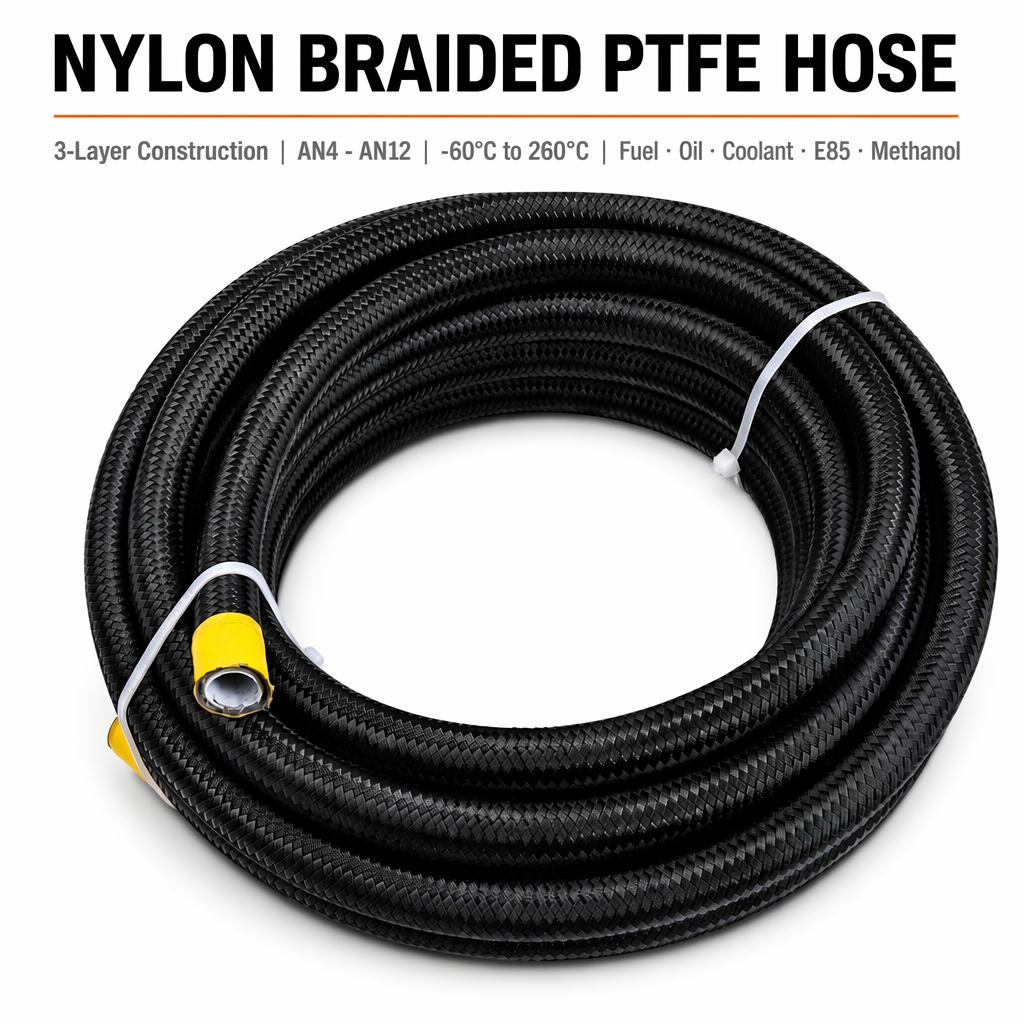
The lifespan of an NBR rubber hose depends significantly on how it is installed, maintained, and stored throughout its operational life. Nitrile rubber tubing offers excellent resistance to oils, fuels, and hydraulic fluids, making it a popular choice across industrial, automotive, and manufacturing sectors. However, without proper care and attention to environmental factors, even high-quality synthetic rubber hose applications can experience premature degradation, reduced flexibility, and eventual failure. Understanding the key factors that impact durability allows operators and maintenance teams to maximize performance and minimize costly downtime.
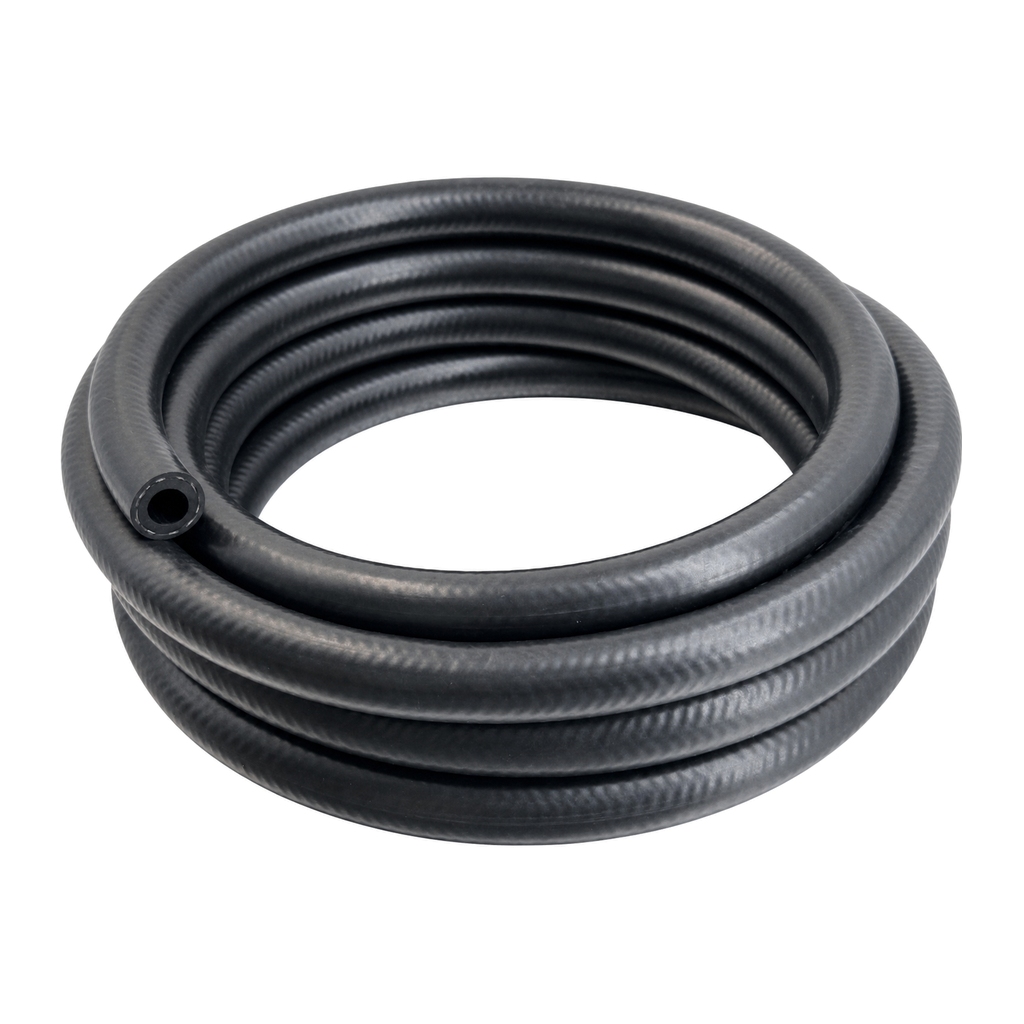
Oil resistant rubber hoses engineered with nitrile compounds deliver reliable service across demanding applications when maintained according to industry standards. The synthetic composition provides natural resistance to temperature fluctuations, chemical exposure, and mechanical stress. By implementing systematic inspection routines, controlling storage environments, and adhering to operational guidelines, you can significantly extend the functional life of your rubber hose inventory while improving safety and reducing replacement frequency.
Temperature extremes accelerate degradation of nitrile rubber tubing, causing the material to become brittle at low temperatures and overly soft at high temperatures. Ideally, store NBR rubber hose in environments between 50 and 85 degrees Fahrenheit with relative humidity between 40 and 60 percent. Excessive heat exposure breaks down the polymer chains within synthetic rubber hose applications, while freezing temperatures can crack the material when it becomes inflexible. Store hoses in climate-controlled facilities away from direct sunlight, heating systems, and cooling units that create localized temperature variations. Consistent thermal conditions preserve the elasticity and seal integrity that oil resistant rubber hoses depend upon for reliable performance.
Ozone and ultraviolet radiation degrade rubber compounds rapidly, breaking down the molecular structure that gives NBR rubber hose its strength and flexibility. Shield your nitrile rubber tubing from direct sunlight by storing it indoors on racks or in covered storage areas. If outdoor storage is necessary, use opaque covers or tarps to block UV rays from reaching the rubber surface. Keep hoses away from sources of ozone generation, including electrical equipment, motors, and welding stations that produce atmospheric ozone as a byproduct. By controlling environmental exposure, you protect the synthetic rubber hose applications from oxidative damage that reduces service life.
Incorrect routing and inadequate support cause mechanical stress that shortens the effective lifespan of oil resistant rubber hoses. Install NBR rubber hose along smooth, well-supported pathways that prevent sharp bends, kinks, and unsupported spans that create stress concentrations. Use hose clamps, brackets, and supports at regular intervals to secure the tubing against vibration and movement. Ensure minimum bend radius requirements are observed according to the hose specifications; exceeding bend radius limits damages the internal layers and compromises performance. Proper installation geometry directly influences how long nitrile rubber tubing maintains its structural integrity under system pressures.
Operating synthetic rubber hose applications consistently at or above rated working pressures accelerates fatigue and material degradation. Monitor system pressures regularly and ensure they remain within specified limits for your oil resistant rubber hoses. Sudden pressure spikes, surge conditions, and thermal cycling stress the rubber material, creating micro-cracks that propagate over time. Implement proper pressure relief systems, accumulators, and surge suppressors to maintain stable operating conditions. By controlling pressure profiles, you reduce cyclic stress on the nitrile rubber tubing and extend its operational lifespan significantly.
Establishing a routine inspection schedule is essential for identifying early signs of degradation in NBR rubber hose systems. Perform monthly visual checks for cracks, blistering, surface crazing, and discoloration that indicate material breakdown. Feel the hose surface with your hands to detect hardening, loss of elasticity, or unusual sticky residues that suggest chemical attack. Inspect internal bore conditions when possible by flushing sections and observing fluid quality; contamination or sediment accumulation indicates internal degradation. Early detection of nitrile rubber tubing problems allows replacement before catastrophic failure, preventing equipment damage and safety hazards. Regular monitoring of synthetic rubber hose applications preserves system reliability.
Contaminated hydraulic fluids and oils accelerate degradation of oil resistant rubber hoses through chemical and particulate attack. Implement fluid sampling programs that analyze working fluids for particle count, water content, and chemical composition at regular intervals. Maintain proper fluid cleanliness standards for your system type; ISO cleanliness ratings of 17/15/12 or better protect hose linings from premature wear. Use appropriate filtration equipment to remove moisture, particles, and degradation products from circulating fluids. Clean fluids extend the lifespan of both the hose material and the systems they serve, making fluid management a core component of NBR rubber hose durability strategies.
Different synthetic rubber hose applications perform differently depending on the specific fluids they contact. Before selecting nitrile rubber tubing for any application, verify compatibility between the hose material and all fluids that will pass through the system. Oil resistant rubber hoses function excellently with mineral oils, petroleum fuels, and hydraulic fluids, but may swell or soften when exposed to certain solvents, alcohols, or bio-based fluids. Incompatible fluids penetrate the rubber matrix, causing swelling, softening, and accelerated material failure. Consult compatibility charts and technical documentation to ensure your NBR rubber hose selection matches your specific fluid profile, preventing premature replacement due to chemical incompatibility.
Over time, fluid additives break down and create acidic or corrosive byproducts that attack rubber compounds from the inside. Monitor fluid acidity through acid number testing; hoses should be replaced if system fluids exceed recommended acid levels. Implement fluid replacement schedules that remove aged, degraded fluid before it damages internal hose linings. Condition monitoring programs that track pH, viscosity, and oxidation stability help prevent internal chemical attack on synthetic rubber hose applications. By managing fluid condition proactively, you protect your nitrile rubber tubing investment and maintain consistent system performance throughout the hose operational life.
Under ideal conditions with proper maintenance and storage, NBR rubber hose typically lasts 5 to 10 years, though some oil resistant rubber hoses operate reliably for longer periods. The actual lifespan depends heavily on environmental exposure, operating pressures, fluid compatibility, and maintenance practices. Hoses stored in poor conditions or subjected to harsh operating parameters may fail within 2 to 3 years. Regular inspection and adherence to maintenance protocols significantly extend the functional life of nitrile rubber tubing beyond minimum expectations.
Temperature cycling causes expansion and contraction within the rubber material, creating stress that leads to cracking and accelerated material degradation. Frequent temperature fluctuations are particularly damaging because they prevent the material from reaching a stable state. Oil resistant rubber hoses subjected to constant thermal cycling experience reduced flexibility, surface crazing, and internal layer separation. Minimizing temperature variations through proper insulation, climate control, and thermal management protects NBR rubber hose integrity and extends service life significantly. Nitrile rubber tubing performs best in stable thermal environments.
Replace NBR rubber hose proactively when visual inspection reveals cracks, visible degradation, hardening, or loss of elasticity, rather than waiting for catastrophic failure. If nitrile rubber tubing has been in service for more than 7 to 10 years, consider replacement even if it appears functional, as internal material degradation may not be visible externally. Oil resistant rubber hoses used in critical applications warrant replacement at shorter intervals due to safety implications. Implement a preventive replacement program that prioritizes safety and system reliability over running hoses to complete failure. Synthetic rubber hose applications maintained with a proactive replacement strategy deliver superior uptime and reduced emergency downtime costs.
