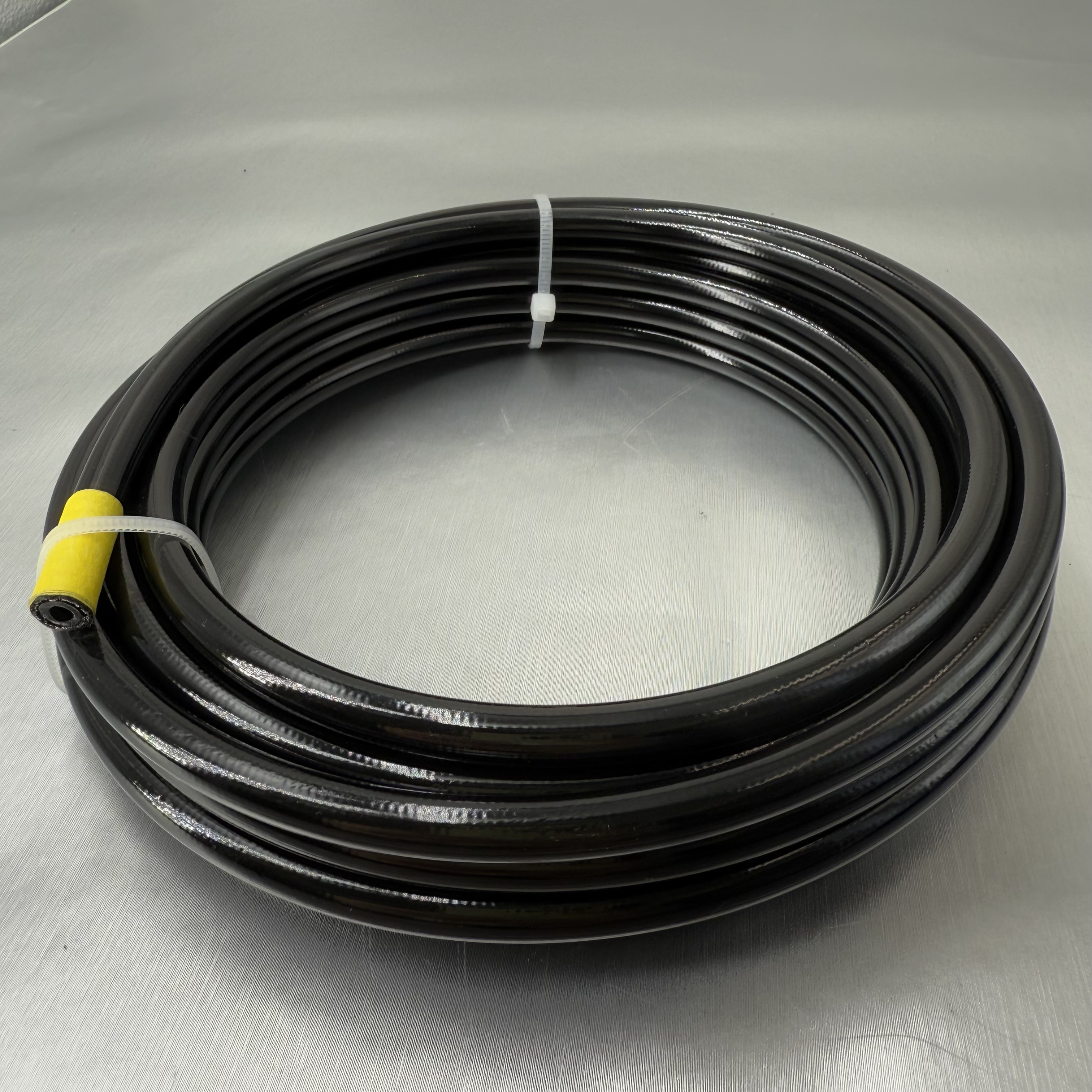
Rubber hoses are critical components in countless industrial operations, from hydraulic systems to fluid transfer applications. The lifespan of rubber hoses directly impacts operational efficiency, safety, and maintenance costs across manufacturing facilities, construction sites, and chemical processing plants. Understanding how to extend the lifespan of rubber hoses requires a comprehensive approach that combines proper installation, regular maintenance, environmental protection, and adherence to design specifications.
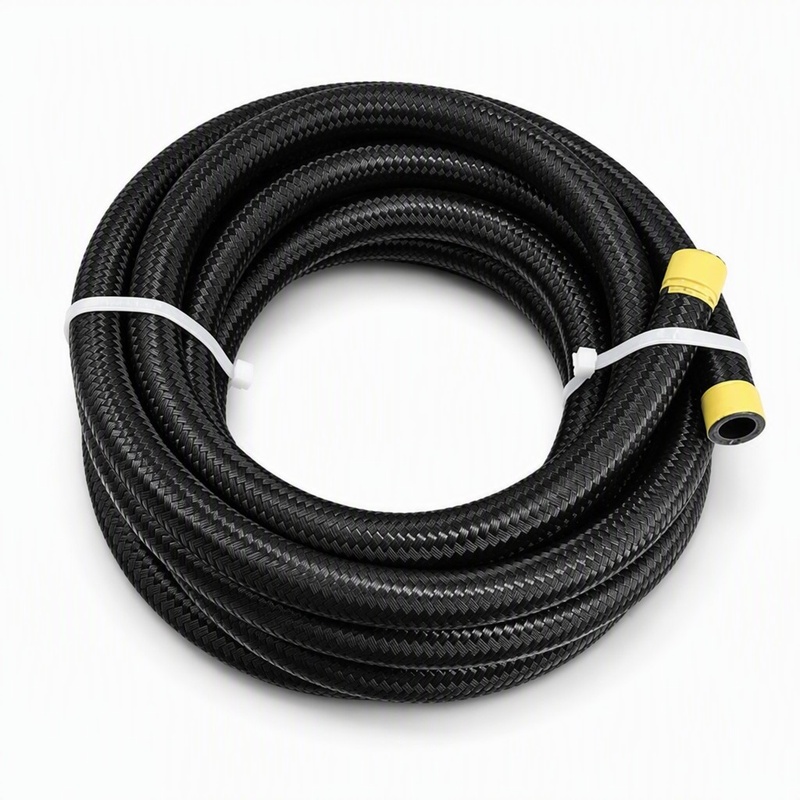
The durability of rubber hoses depends on multiple interconnected factors, including material composition, environmental conditions, operational pressures, and maintenance practices. By implementing strategic care protocols and understanding the specific demands of your industrial hose applications, you can significantly reduce premature failure, minimize downtime, and optimize your investment in quality hose systems.
Understanding Material Selection and Pressure Limits
Matching Hose Specifications to Application Requirements
The foundation of extending rubber hoses lifespan begins with selecting the correct hose type for your specific application. Different hose construction materials and reinforcement layers are designed to handle varying hose pressure ratings. Hoses rated for specific pressure ranges perform optimally when operated within their design parameters. Exceeding recommended hose pressure ratings accelerates internal degradation, weakens structural integrity, and increases the risk of catastrophic failure.
Industrial hose applications span diverse industries, each with unique chemical, thermal, and mechanical demands. For example, chemical resistant hoses are engineered with specialized synthetic rubber compounds that withstand aggressive fluid exposure. Choosing the wrong hose material or specification for your specific industrial hose applications leads to rapid deterioration. Conversely, selecting appropriately rated hoses from the outset ensures the hose performs reliably throughout its intended service life.
Temperature and Environmental Considerations
Rubber naturally degrades faster when exposed to extreme temperatures, ultraviolet radiation, and ozone. Hoses operating in outdoor or high-heat environments experience accelerated aging compared to indoor applications. Chemical resistant hoses may degrade when exposed to incompatible fluids or aggressive substances. Understanding your environmental conditions allows you to select hoses with appropriate material composition and protective coverings that resist degradation.
Implementing Effective Maintenance Practices
Regular Inspection and Condition Monitoring
Systematic inspection represents one of the most effective ways to extend rubber hoses lifespan. Regular visual checks identify early signs of deterioration, including cracks, bulges, leaks, and surface degradation. These indicators signal underlying problems that worsen rapidly if left unaddressed. Establishing a preventive inspection schedule—monthly, quarterly, or annually depending on operational criticality—catches issues before they become failures. For industrial hose applications where reliability is critical, early detection prevents unexpected downtime and safety hazards.
Documentation of hose condition over time reveals patterns and accelerates decision-making about replacement timing. Hoses showing consistent performance maintain longer service life than those subjected to neglect. Temperature, pressure, and fluid compatibility should be verified against original specifications. If conditions have changed since installation, reassessing hose suitability ensures continued reliability and extends overall service duration.
Proper Installation and Support
Improper installation dramatically reduces rubber hoses lifespan. Hoses experiencing excessive bending, twisting, or kinking develop internal fractures and weaken over time. Supporting hoses at appropriate intervals prevents sagging and maintains proper bend radii. For industrial hose applications, secure routing with vibration-dampening clamps minimizes movement and mechanical stress. Hoses carrying high hose pressure ratings require additional support to prevent expansion and contraction stress.
Connection points deserve particular attention. Loose or corroded fittings create pressure leaks and internal degradation. Ensuring all connections maintain proper torque specifications and using appropriate sealing materials prevents fluid loss and contamination. Temperature cycling causes expansion and contraction; properly installed fittings accommodate these dimensional changes without creating stress concentration points that accelerate failure.
Protective Measures and Environmental Control
Chemical and Environmental Protection
Exposure to chemicals, oils, and incompatible fluids represents a primary cause of premature hose failure. Chemical resistant hoses are formulated to withstand specific fluid families, but exposure to unsuitable substances causes rapid deterioration. Wrapping or shielding hoses from direct fluid contact, UV radiation, and extreme weather extends service life significantly. Protective sleeves, heat wrapping, or synthetic covers create barriers that prevent environmental damage while maintaining functionality.
Storage practices before installation also impact long-term performance. Rubber hoses stored in excessively hot, cold, or sun-exposed locations experience degradation before they even enter service. Proper storage in climate-controlled environments with protection from UV light preserves material properties. Rotating stock to use older hoses first prevents extended storage from reducing hose lifespan.
Pressure Management and Operational Control
Operating rubber hoses consistently below maximum hose pressure ratings significantly extends service life. While hoses are engineered to handle design pressures safely, running continuously at maximum capacity accelerates fatigue and internal breakdown. Implementing pressure regulators and monitoring systems ensures that systems operate at optimal pressures rather than maxing out specifications. For industrial hose applications subject to pressure spikes or surge conditions, installing surge suppressors protects against sudden pressure events that damage internal reinforcement layers.
Fluid cleanliness also impacts hose longevity in ways often overlooked. Particulate contamination inside hoses accelerates internal abrasion and reinforcement layer damage. Maintaining proper filtration in fluid systems protects rubber hoses from internal degradation. Periodic flushing of hose systems removes accumulated particles and contaminants. These preventive practices, combined with chemical resistant hoses where appropriate, maximize the operational window before replacement becomes necessary.
FAQ
How often should rubber hoses be replaced in industrial environments?
Replacement frequency depends on hose type, operating conditions, and maintenance quality. Well-maintained industrial hose applications with appropriate chemical resistant hoses may operate for 5-10 years or longer. Hoses under extreme pressure, temperature, or chemical exposure may require replacement every 2-3 years. Regular inspection identifies when replacement timing approaches rather than relying on generic schedules. Tracking individual hose performance history provides the best replacement planning basis.
What are the main warning signs that rubber hoses need replacement?
Visible cracks, swelling, hardening, bulges, or persistent leaks indicate hose failure is imminent. Reduced flexibility or crumbling rubber suggests material breakdown has advanced significantly. Hoses that have been in service for their expected lifespan approaching end-of-life should be proactively replaced before failure. If pressure exceeds rated hose pressure ratings or chemical exposure changes, reassess suitability immediately. Any combination of these warning signs warrants prompt replacement to prevent system failures and safety risks.
Can chemical resistant hoses be used for all industrial applications?
Chemical resistant hoses are specifically formulated for industrial hose applications involving aggressive fluids or harsh substances. However, they are not universally compatible with every possible chemical or condition. Different rubber compounds resist different chemical families; incompatible exposure still causes degradation. Verify hose compatibility with your specific fluid type, temperature range, and operational demands. Consulting product specifications or manufacturers ensures your selected rubber hoses match your exact requirements and maximize expected lifespan.
 EN