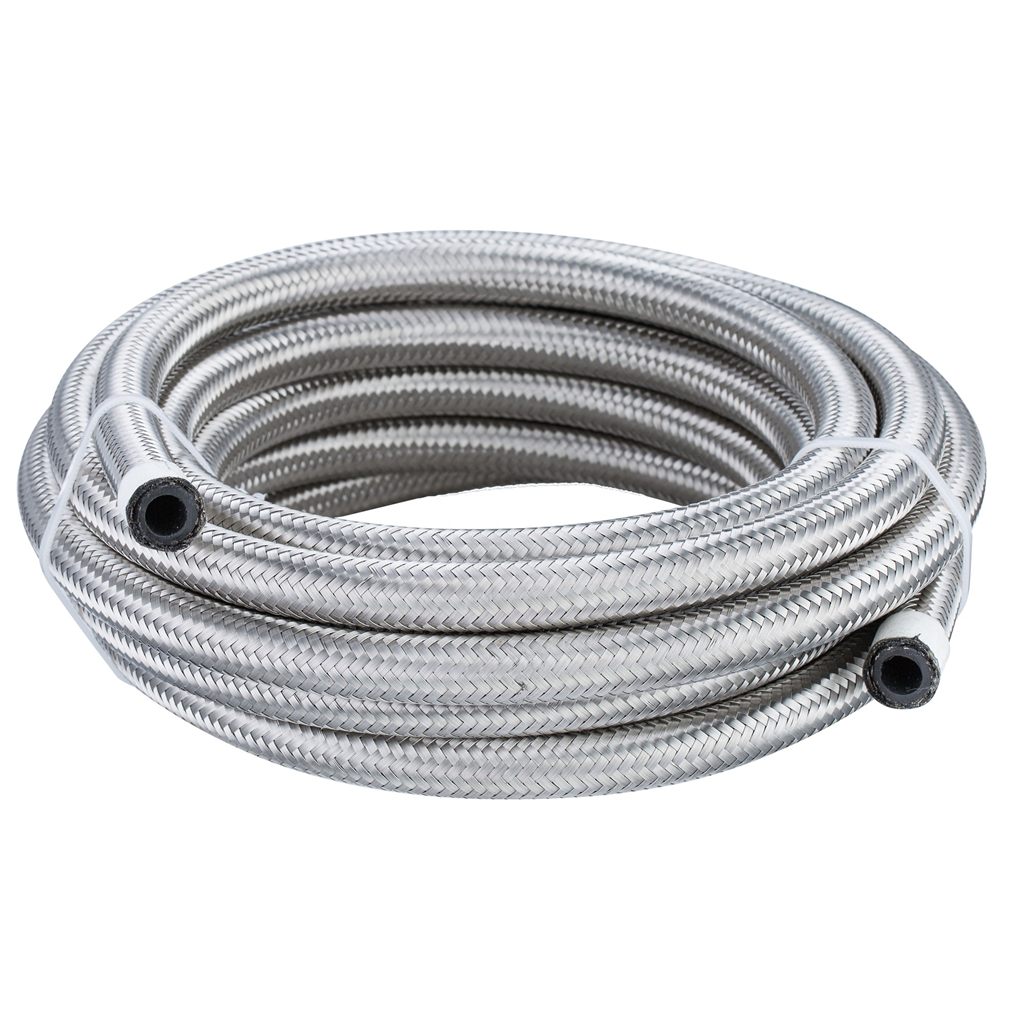
Identifying fuel hose damage early is critical for engine safety, performance, and fuel system reliability. A damaged fuel hose can lead to fuel leaks, reduced engine efficiency, and potential fire hazards in industrial and automotive applications. Whether you operate heavy machinery, commercial vehicles, or industrial equipment, understanding the warning signs of deteriorating fuel lines is essential to prevent costly downtime and dangerous situations. This comprehensive guide walks you through the most reliable methods to spot fuel hose problems before they escalate into serious failures.
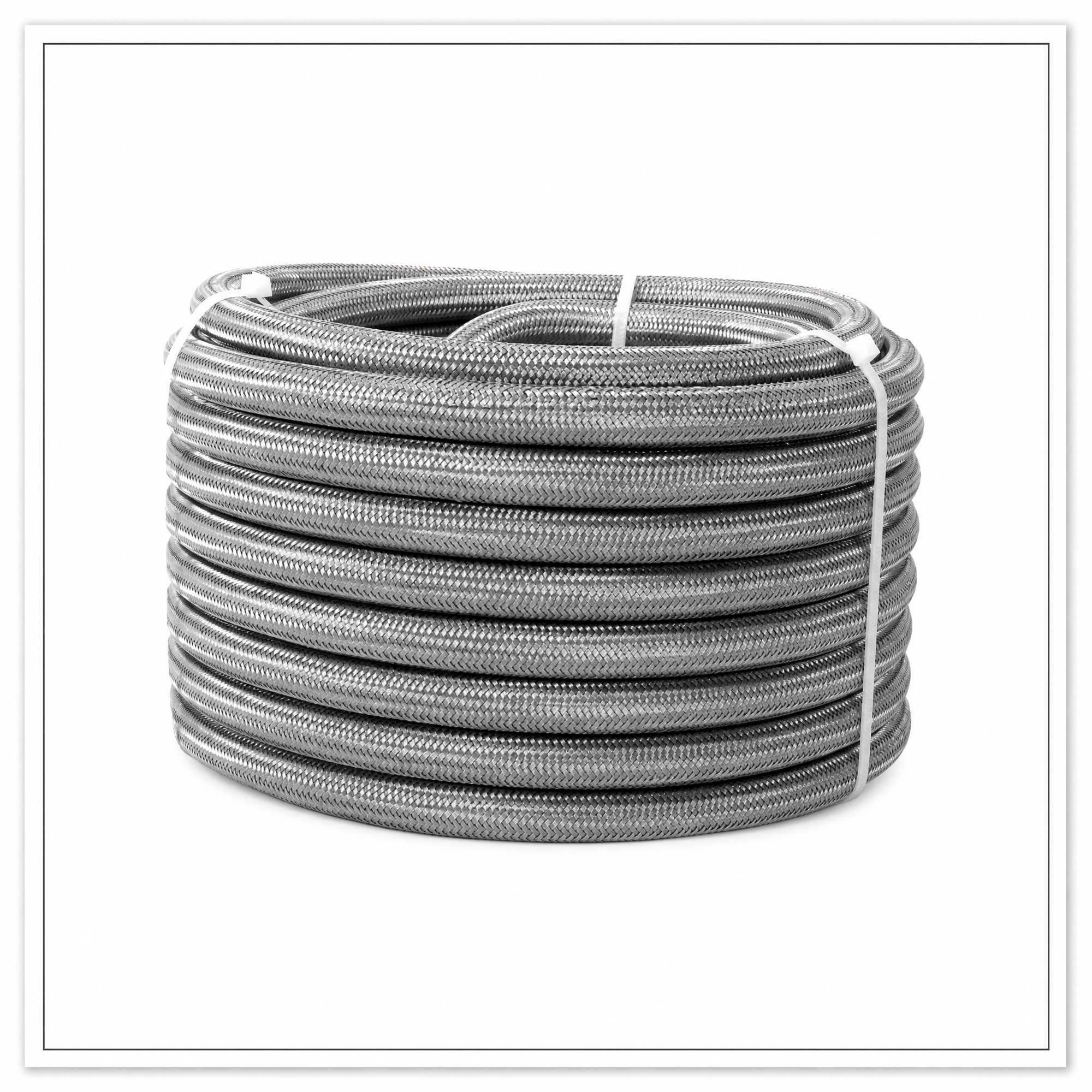
Fuel system integrity directly impacts operational efficiency and safety compliance. A fuel hose that shows signs of wear, cracking, or swelling requires immediate attention. Regular inspection routines help detect issues at early stages, reducing emergency repairs and extending equipment lifespan. Understanding what to look for—from visible damage to performance indicators—empowers maintenance teams to take preventive action before catastrophic failure occurs.
Visual Inspection Indicators
Surface Cracks and Brittleness
Visible surface cracks are one of the most obvious fuel hose damage signs. Over time, fuel line assembly components degrade due to heat, chemical exposure, and pressure cycling. Rubber and synthetic materials lose flexibility, becoming brittle and prone to splitting. Inspect the entire length of the hose under bright lighting, paying special attention to bends, connection points, and areas near heat sources. Small hairline cracks often progress rapidly once fuel pressure begins forcing its way through compromised material.
Swelling and Discoloration
Fuel hose swelling indicates chemical degradation or incompatible fuel composition. When the hose material absorbs fuel or contaminants, it expands beyond its original diameter, creating weak points and restricting flow. Discoloration—including darkening, whitening, or color fading—signals rubber breakdown. Diesel fuel hose applications are especially vulnerable to swelling when exposed to certain fuel additives or extended storage periods. Compare the hose diameter to its original specifications; any noticeable enlargement warrants fuel hose replacement to prevent rupture.
Functional Performance Symptoms
Fuel Leakage and Dripping
Active fuel leaks are unmistakable damage indicators. Fuel escaping at connection joints, along the hose body, or near clamps signals structural failure within the fuel line assembly. Leaks may appear as visible drips under parked equipment or as wet spots on the hose surface after engine operation. Even small seeps represent serious safety risks—accumulated fuel creates flammable environments. Diesel fuel hose leaks are particularly dangerous in enclosed machinery compartments where vapor concentration increases fire risk. Any leak, regardless of size, requires immediate inspection and likely fuel hose replacement.
Pressure Drop and Performance Degradation
Reduced fuel delivery affects engine starting, idling smoothness, and power output. When fuel hose material degrades internally, it can flake off or partially collapse, restricting flow. Engines compensating for inadequate fuel supply may run rough, hesitate during acceleration, or exhibit poor fuel economy. Maintenance teams often attribute these symptoms to fuel pump failure without checking the fuel line assembly condition first. Pressure testing the fuel system quickly reveals whether the hose itself is causing the restriction.
Advanced Damage Assessment
Hardening and Loss of Flexibility
Healthy fuel hose remains pliable and slightly flexible when hand-pressure is applied. Overly hardened, rigid sections indicate advanced rubber degradation and imminent failure risk. Hose that has lost its natural give becomes fragile and susceptible to cracking during thermal cycling or vibration. Diesel fuel hose formulations are engineered to maintain elasticity across temperature ranges, but extended heat exposure or incorrect storage degrades these properties. Flexibility tests—gently bending the hose by hand—quickly reveal whether fuel hose replacement is needed.
Corrosion at Connection Points
Metal fittings and clamps corrode when exposed to fuel, moisture, and atmospheric oxygen. Rust, green oxidation, or white corrosion deposits at hose ends indicate water contamination or material incompatibility. These corroded areas weaken the seal between the hose and fitting, causing slow leaks that progress rapidly. Fuel line assembly integrity depends on secure, corrosion-free connections. Preventive maintenance includes inspecting and replacing corroded fittings during fuel hose replacement procedures to ensure system reliability.
FAQ
How often should I inspect my fuel hose for damage signs?
Routine visual inspections should occur every three months during regular maintenance cycles, or more frequently in high-temperature environments. Diesel fuel hose applications used in heavy-duty industrial settings benefit from monthly checks. If equipment operates in extreme conditions, temperature fluctuations, or corrosive atmospheres, increase inspection frequency to catch fuel hose damage early before it affects performance or safety.
Can fuel hose damage be repaired, or does it always require replacement?
Minor cosmetic surface issues may be temporarily managed, but structural damage requires fuel hose replacement. Cracked, swollen, or hardened sections cannot be reliably sealed by patching. The fuel line assembly must maintain consistent integrity under pressure; even temporarily repaired sections are potential failure points. For safety and regulatory compliance, especially with diesel fuel hose systems, complete replacement is the standard practice rather than attempting repairs.
What causes accelerated fuel hose deterioration?
Heat exposure, incompatible fuel formulations, ozone, ultraviolet light, and prolonged contact with certain chemicals all accelerate fuel hose degradation. Diesel fuel hose systems are particularly affected by extreme temperature cycling and fuel additives. Poor storage conditions, insufficient clamp pressure, and proximity to engine heat sources also shorten hose lifespan. Using OEM-specified fuel line assembly components rated for your specific fuel type and operating conditions significantly extends durability.
 EN