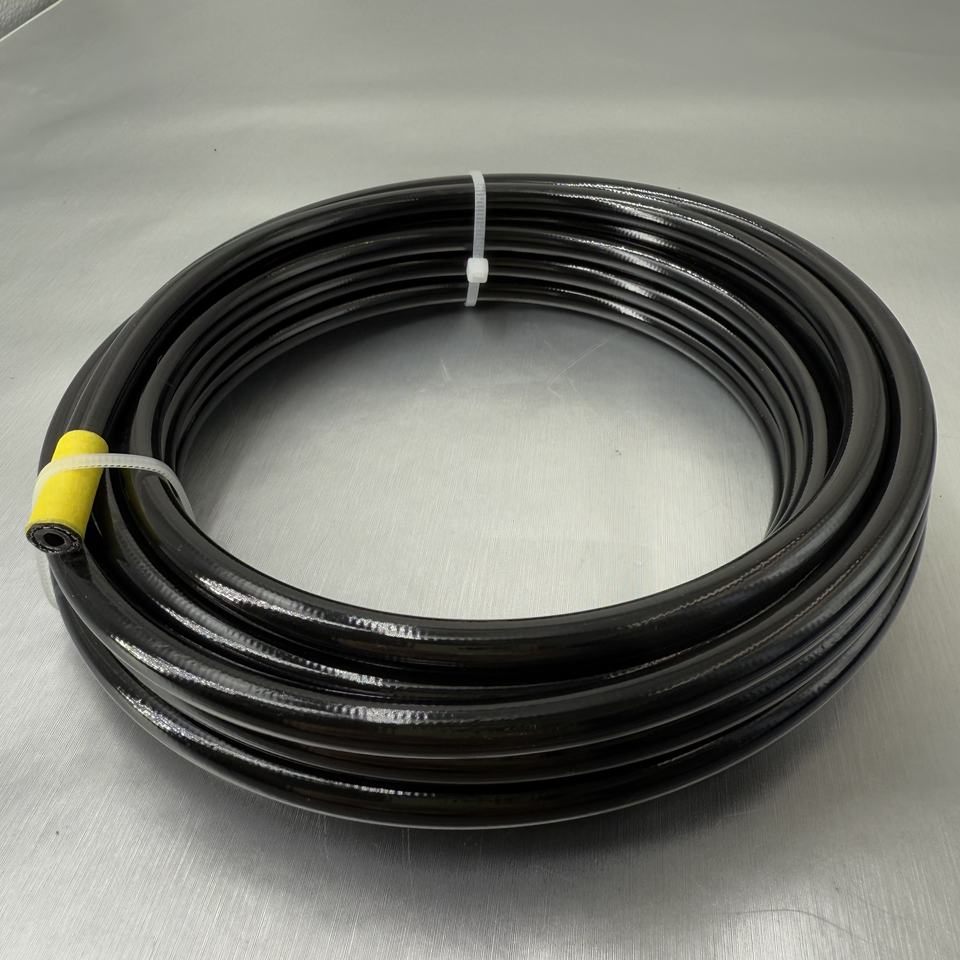
Understanding how to identify hydraulic hose pressure ratings is critical for safe and efficient industrial operations. Pressure ratings determine the maximum working pressure a hydraulic hose can safely handle, and misidentifying these specifications can lead to catastrophic failures, costly downtime, or serious safety hazards. Whether you work in manufacturing, construction, agriculture, or mobile equipment, knowing how to read and verify pressure ratings ensures your systems operate within safe parameters and protects both equipment and personnel.
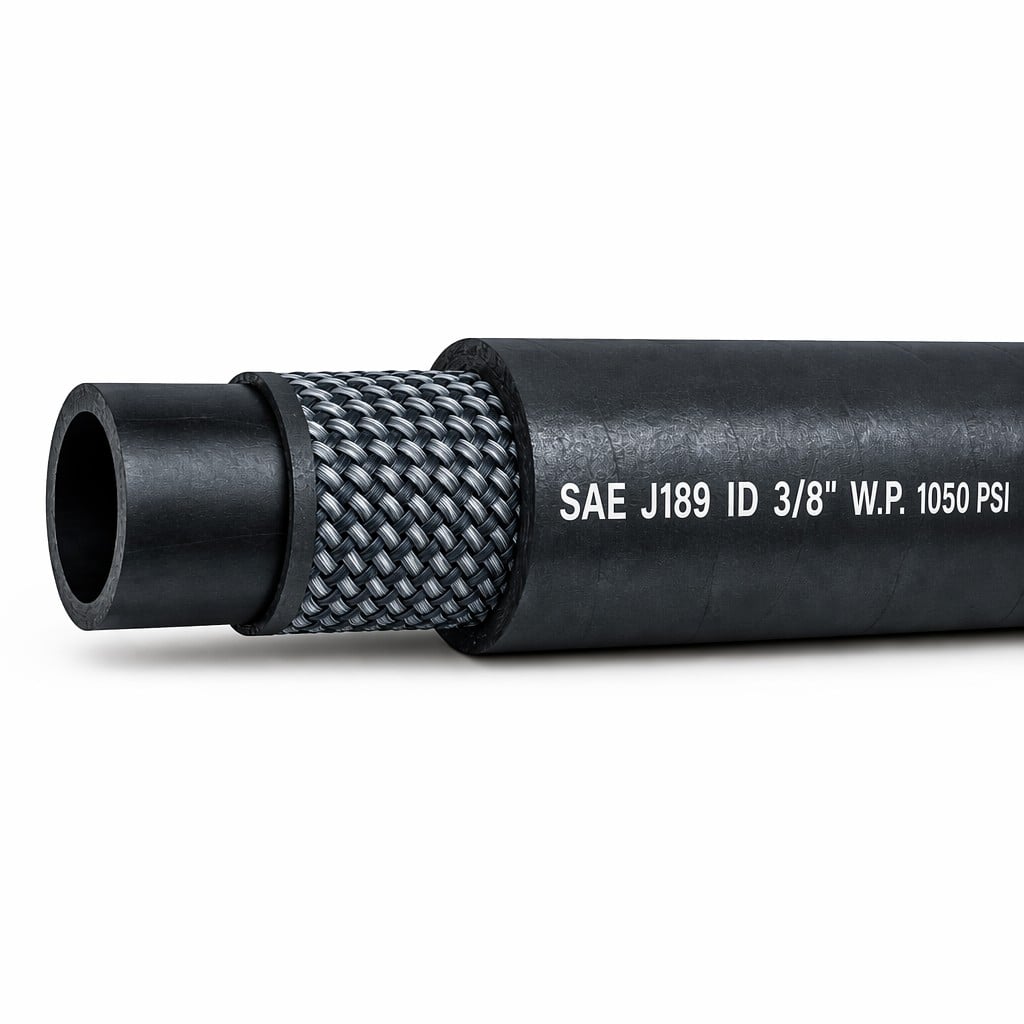
The identification process involves examining multiple indicators on the hose itself, including permanent markings, color coding, construction type, and documentation from manufacturers. Each hydraulic hose must comply with industry standards such as SAE, ISO, or EN specifications, which dictate how pressure information must be displayed. By learning to decode these markings and understand hose construction details, you can quickly assess whether a hose meets your application requirements or poses a risk to your operation.
Understanding Pressure Rating Standards and Markings
SAE and ISO Classification Systems
Pressure ratings for hydraulic hoses are standardized according to SAE (Society of Automotive Engineers) and ISO (International Organization for Standardization) classifications. These organizations establish uniform measurement protocols and maximum safe operating pressures for different hose types. A high pressure hose designed for 3000 PSI will be marked differently than one rated for 1000 PSI, and these distinctions directly reflect the hose's internal construction and reinforcement layers. Understanding which standard applies to your hose helps you interpret the pressure data correctly and ensures compatibility with system requirements.
Reading Permanent Markings on Hose Surfaces
Every quality hydraulic hose displays permanent markings embossed or printed along its length at regular intervals. These markings typically include the hose type designation (such as EN 856 4SP or SAE 100R13), working pressure rating in PSI or bar, temperature range, manufacturer name, and production date code. The working pressure rating is the most critical piece of information—it represents the maximum continuous operating pressure the hose can withstand safely. Some markings also indicate burst pressure, which is typically four times the working pressure, but working pressure is the value you must never exceed during normal operation.
Identifying Hose Construction and Reinforcement Types
Reinforcement Layers and Their Pressure Capacity
The pressure-carrying capability of a hydraulic hose depends directly on the number and type of reinforcement layers. Single-wire braid hoses typically handle lower pressures up to around 3000 PSI, while four-spiral or six-spiral wire constructions support significantly higher pressures exceeding 5000 PSI. A flexible tubing assembly with multiple reinforcement layers will clearly show these layers in cross-section, and you can often estimate pressure capacity by counting visible wire or spiral wraps. Industrial-grade flexible tubing designed for high-pressure applications will have visibly denser and more numerous reinforcement layers compared to standard-duty hoses. Understanding this relationship helps you visually assess whether a hose likely matches the pressure demands of your system.
Inner Tube Material and Pressure Performance
The inner tube material—typically synthetic rubber or thermoplastic—contributes significantly to pressure rating. High-pressure hoses often use formulated synthetic compounds that resist degradation under sustained pressure and temperature stress. A hose assembly with a thermoplastic inner tube generally offers superior pressure resistance and longer service life than traditional rubber alternatives. The tube thickness and material quality are often reflected in the hose's weight and rigidity; heavier, stiffer hoses typically indicate superior pressure-handling capacity. When inspecting a hydraulic hose physically, the feel and weight of the assembly provide immediate clues about its construction class and likely pressure rating.
Practical Methods for Verifying and Cross-Referencing Ratings
Manufacturer Documentation and Part Numbers
Every high pressure hose should come with manufacturer documentation or a specification sheet that clearly states its pressure rating. The part number often encodes pressure classification information—for example, a SAE 100R2 designation differs from SAE 100R13 in both construction and pressure capacity. Cross-referencing the part number against the manufacturer's catalog or official specification sheet provides definitive confirmation of pressure ratings. If you lack original documentation, requesting it from the supplier or manufacturer is always your safest option before installing any hose assembly into a critical system. Many industrial distributors maintain comprehensive databases of hose pressure ratings accessible by part number or hose dimensions.
Physical Inspection and Age Assessment
Beyond reading markings, physically inspecting a hydraulic hose helps confirm its condition and reliability. Look for signs of degradation such as cracking, bulging, abrasion, or leaking, all of which indicate the hose may no longer safely handle its rated pressure. Older hoses may have faded markings, making pressure identification difficult; in these cases, dimensional analysis and construction type assessment become crucial. The age of a flexible tubing component matters because rubber and elastomer materials degrade over time, reducing their actual pressure-carrying capacity below the original rating. When in doubt about an older hose's condition or rating, replacing it with a new hose of confirmed specification is far safer than risking system failure.
FAQ
What do the numbers on a hydraulic hose actually mean?
The numbers on a hydraulic hose indicate its working pressure rating, expressed in PSI (pounds per square inch) or bar, along with its type classification code like SAE 100R2 or EN 856 4SP. The pressure number represents the maximum safe continuous operating pressure; the type code tells you the hose's construction class and reinforcement style. Exceeding the rated pressure can cause hose failure, fluid leakage, and system damage or injury.
How do you know if a hose assembly is rated for high pressure hose applications?
High pressure hose applications require checking the pressure rating printed on the hose, comparing it against your system's maximum operating pressure, and verifying the hose type matches industrial standards for that pressure class. High-pressure hoses typically have multiple wire spiral reinforcements, thicker walls, and heavier construction than standard-duty alternatives. Consulting the manufacturer's specification sheet provides absolute confirmation of whether a specific flexible tubing meets your high-pressure application demands.
Can pressure ratings change on a hose assembly over time?
The original manufacturer's pressure rating does not officially change, but a hose's actual ability to safely handle that rated pressure can decline due to age, environmental exposure, and material degradation. Rubber and elastomer materials in hydraulic hoses degrade gradually through exposure to UV light, ozone, temperature extremes, and chemical solvents, reducing their effective pressure capacity. Most industrial applications recommend replacing hydraulic hoses every 3 to 5 years regardless of visible condition to ensure they maintain their designed pressure-handling capability and safety margins.
 EN