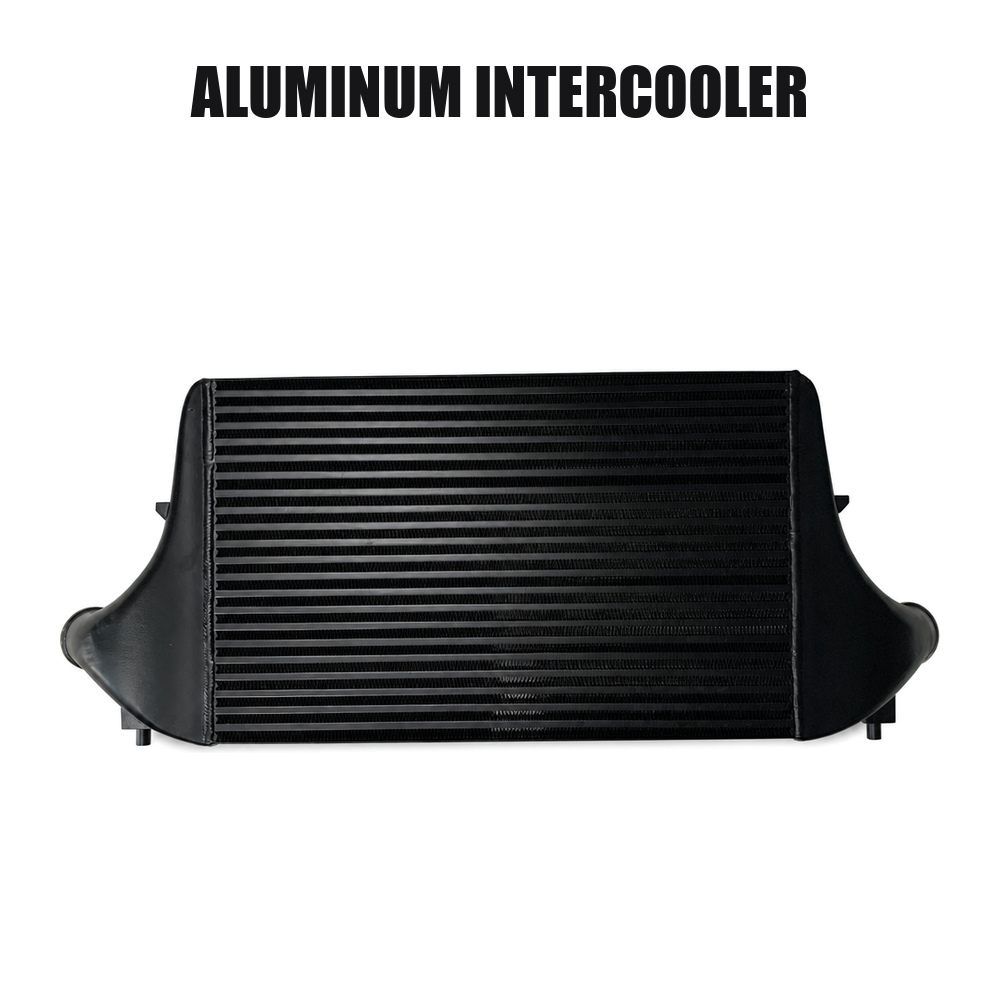
An intercooler plays a critical role in any turbocharged engine system by cooling compressed air before it enters the combustion chamber. When an intercooler begins to fail, the consequences ripple through engine performance, efficiency, and longevity. Identifying intercooler damage signs early prevents catastrophic engine failure and maintains optimal turbocharged engine cooling performance. Operators and technicians must recognize the warning indicators that signal intercooler problems, from visible leaks to subtle performance degradation that undermines turbocharged engine cooling capacity.
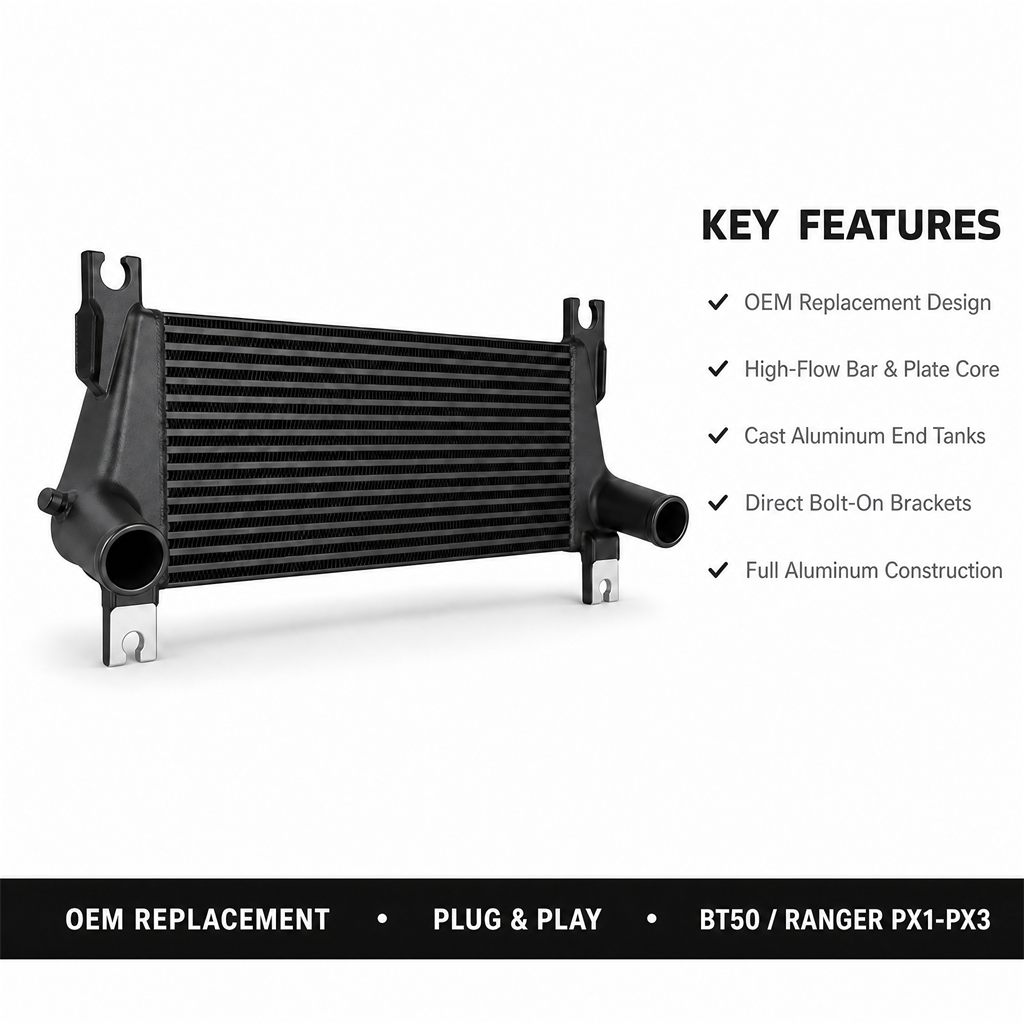
Understanding intercooler damage signs requires knowledge of how these cooling systems function within turbocharged engines. The intercooler efficiency directly affects engine output, fuel consumption, and component lifespan. When cooling capacity diminishes, the engine must work harder to compensate, leading to increased wear and reduced performance. Recognizing damage early through systematic inspection and performance monitoring allows maintenance teams to address problems before they escalate into expensive repairs or complete engine system failure.
Visual Indicators of Intercooler Damage
Identifying Leaks and Fluid Loss
One of the most obvious intercooler damage signs is fluid leakage around connection points and core surfaces. Water or coolant pooling beneath the engine compartment, visible stains on intercooler housing, or dampness around braided hose connections indicate compromised seals or micro-fractures. These leaks reduce turbocharged engine cooling effectiveness because the fluid cannot properly circulate through the cooling core. Inspect all fitting connections, hose assemblies, and the intercooler core surface regularly for signs of seepage or corrosion. Even small leaks compound quickly, causing progressive pressure loss and temperature elevation.
Rust, Corrosion, and Physical Damage
External corrosion on the intercooler fins represents deteriorating intercooler maintenance and structural integrity. Orange or white rust deposits on aluminum cores indicate oxidation that compromises heat transfer efficiency. Bent fins, dents, or visible cracks in the core material are direct intercooler damage signs that require immediate attention. Physical impacts during vehicle operation or maintenance can crease fins and reduce surface area available for cooling. Road debris, vibration, or improper installation can all cause mechanical damage that degrades intercooler efficiency. Examine the core under good lighting and from multiple angles to spot damage that might otherwise escape notice.
Performance-Based Damage Indicators
Engine Temperature and Power Loss
When intercooler efficiency drops significantly, engine coolant temperatures rise noticeably during acceleration and sustained high-load operation. Turbocharged engine cooling relies on consistent intercooler performance to maintain inlet air temperatures below critical thresholds. Drivers may notice reduced acceleration response, hesitation under boost, or premature engine derating as cooling capacity fails. Advanced diagnostic systems in modern turbocharged engines flag boost pressure anomalies and intake temperature excursions. Real-time monitoring of coolant and intake air temperatures reveals whether the intercooler efficiency is degrading or if other system components require attention.
Boost Pressure and Coolant Flow Anomalies
Abnormal boost pressure readings or fluctuating gauge values suggest blockages or leaks within the intercooler cooling circuit. Reduced coolant flow through intercooler maintenance passages limits turbocharged engine cooling capacity, forcing the system to work inefficiently. Internal blockages from sediment buildup or corrosion particles restrict fluid circulation and cause localized hot spots within the core. Pressure-side leaks allow boost air to escape, reducing overall system efficiency and forcing the turbocharger to work harder. Monitoring system pressure during operation helps distinguish between intercooler problems and turbocharger or pump issues.
Maintenance and Preventive Inspection Practices
Scheduled Inspection Protocols
Regular intercooler maintenance prevents many damage signs from developing into critical failures. Establish quarterly inspection routines that check all fitting connections, hose assemblies, and visible core surfaces for deterioration. Flush the intercooler cooling circuit periodically according to manufacturer recommendations to remove sediment and corrosion byproducts that accumulate over time. Test coolant pH and concentration to ensure the fluid maintains proper cooling properties and corrosion inhibition. Replace hose assemblies and seals before they reach failure stages rather than waiting for leaks to appear. Preventive intercooler maintenance reduces emergency repairs and extends the operational life of turbocharged engine cooling systems.
Documentation and Trend Analysis
Maintaining detailed service records allows technicians to track performance trends that may indicate developing intercooler damage signs. Document coolant temperatures, boost pressures, engine power output, and fuel consumption during each inspection interval. Baseline measurements established early in the equipment lifecycle provide reference points for detecting degradation. Gradual increases in operating temperatures or decreases in cooling efficiency often precede catastrophic failures by weeks or months. Trend analysis enables predictive maintenance scheduling and prevents unexpected downtime. Digital tracking systems simplify data collection and anomaly detection across multiple turbocharged engine cooling systems.
FAQ
What are the most common intercooler damage signs?
The most frequent intercooler damage signs include coolant leaks around fitting connections, visible corrosion on the cooling core, reduced boost pressure, elevated engine temperatures during acceleration, and diminished engine power output. Physical damage to fins or core tubes also commonly appears in systems exposed to harsh operating conditions or inadequate maintenance. These indicators often occur in combination, creating a pattern that confirms intercooler problems rather than isolated system component failures.
How does intercooler damage affect turbocharged engine performance?
Intercooler efficiency directly influences turbocharged engine cooling capacity and overall engine output. When cooling capacity declines, inlet air temperatures rise, reducing oxygen density and engine power production. The engine compensates by increasing boost pressure, which stresses the turbocharger and related components. Fuel consumption increases as the engine works harder to maintain performance targets. Extended operation with degraded intercooler maintenance conditions accelerates wear on pistons, valves, and turbocharger bearings, ultimately leading to complete system failure.
Can I continue operating a turbocharged engine with intercooler damage?
Continuing to operate with known intercooler damage signs risks catastrophic engine failure and expensive repairs. Even minor leaks in the cooling circuit reduce system efficiency and cause progressive temperature elevation. Continued operation accelerates corrosion and structural deterioration of the intercooler core. Modern turbocharged engines rely on precise intercooler efficiency to manage combustion temperatures and component lifespan. Professional repair or replacement of damaged cooling components before critical failures occur protects engine investment and maintains operational reliability.
 EN