An intercooler is a critical component in turbocharged engine cooling systems that reduces the temperature of compressed air before it enters the combustion chamber. When an intercooler begins to fail, the entire performance profile of a turbocharged engine deteriorates rapidly. Identifying intercooler leaks and damage early prevents catastrophic engine failure and maintains optimal turbocharged engine cooling efficiency.
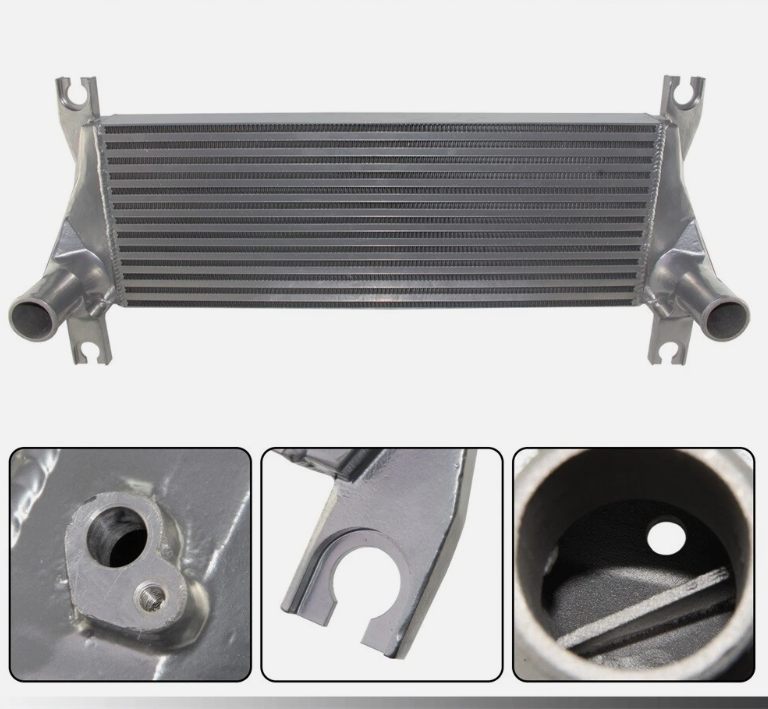
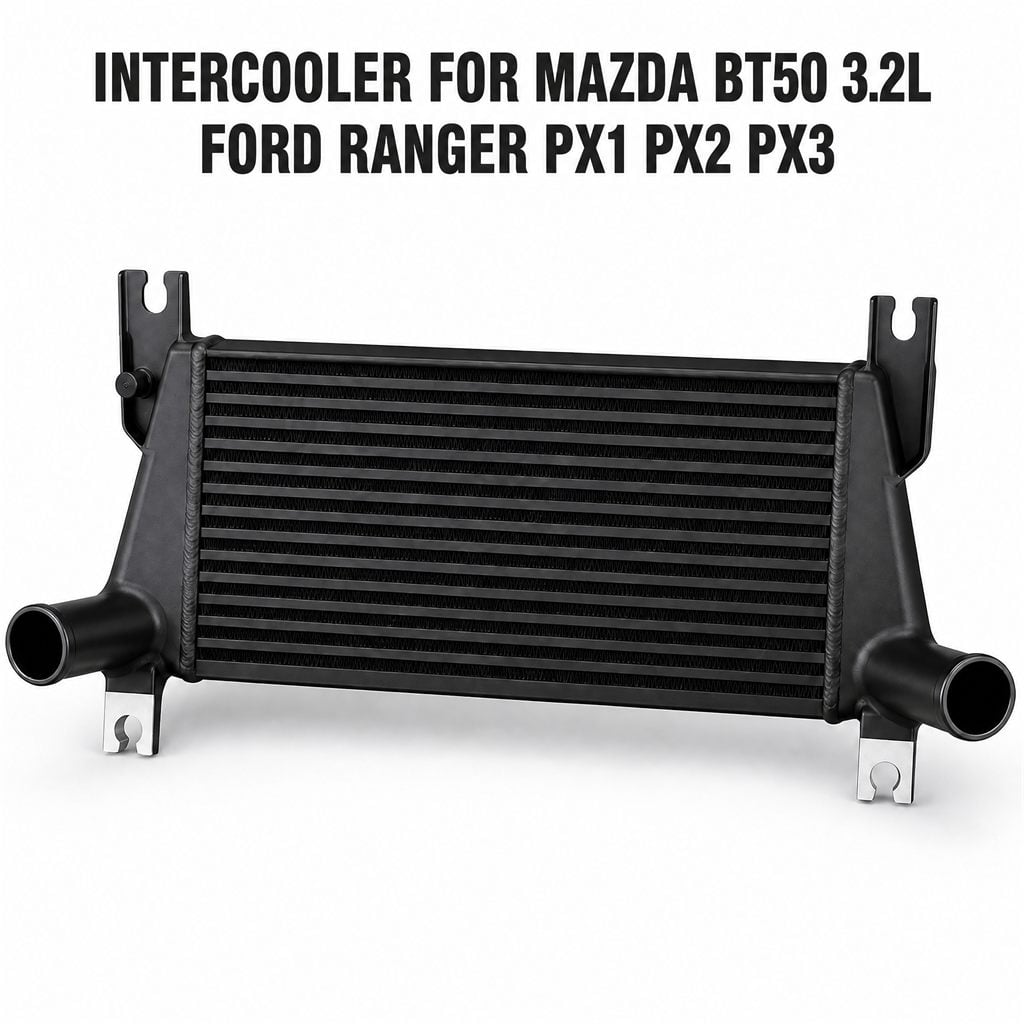
Recognizing the warning signs of intercooler damage is essential for any turbocharged vehicle owner or technician. Physical damage, performance loss, and fluid leaks are the primary indicators that your intercooler maintenance routine should include immediate inspection and potential repair. Understanding these diagnostic markers helps prevent secondary damage to turbochargers, engines, and fuel systems.
Physical Signs of Intercooler Damage
Visible Corrosion and Deterioration
Intercooler efficiency directly depends on the condition of the aluminum or plastic core material. Corrosion attacks aluminum intercoolers from both external moisture exposure and internal coolant contamination. White powdery deposits or greenish oxidation on the intercooler surface indicates active corrosion that compromises structural integrity and reduces heat transfer capability.
Salt spray from winter road conditions accelerates corrosion significantly, particularly in northern climates. Plastic intercoolers develop stress cracks and brittleness when exposed to prolonged ultraviolet radiation or extreme temperature cycling. Regular intercooler maintenance includes visual inspection under the hood for any discoloration, scaling, or surface degradation that signals beginning failure.
Denting and Fin Damage
The thin aluminum fins that comprise the intercooler core are vulnerable to impact damage from road debris, hail, or improper installation. Bent or collapsed fins dramatically reduce turbocharged engine cooling performance because they decrease the surface area available for heat dissipation. A single impact dent may restrict coolant or air flow passages, forcing the system to work harder and generate excessive temperature buildup.
Identifying fin damage requires careful visual inspection with adequate lighting. Run your fingers gently across the intercooler surface to detect bent sections that eyes alone might miss. Progressive fin damage leads to performance degradation and eventual intercooler efficiency loss, making early detection vital for maintaining engine health.
Performance-Based Intercooler Leak Indicators
Boost Pressure and Temperature Anomalies
When an intercooler develops internal leaks, compressed air bypasses the cooling core entirely, resulting in elevated intake air temperatures. Your vehicle's diagnostic system detects these anomalies through temperature sensors positioned after the intercooler. If boost pressure gauge readings remain high but intercooler outlet temperature climbs unexpectedly, a leak or blockage is likely present.
Turbocharged engine cooling efficiency directly correlates with intake air temperature. Even a five-degree rise above normal baseline indicates intercooler damage requiring investigation. Modern vehicles display boost pressure, intake temperature, and intercooler efficiency data through onboard diagnostics, making performance monitoring a reliable diagnostic tool for detecting leaks before they cause engine knock or detonation.
Power Loss and Engine Knock
A damaged intercooler forces the engine control unit to retard ignition timing to prevent detonation from excessive heat. This defensive strategy sacrifices horsepower, torque, and fuel economy to protect engine components. Drivers notice obvious acceleration lag, reduced power delivery under load, and diminished overall responsiveness that distinguishes intercooler problems from other performance issues.
Engine knock or pinging sounds during acceleration indicate combustion temperatures are rising dangerously close to the detonation threshold. This acoustic warning demands immediate intercooler maintenance inspection because continuing to drive under these conditions risks internal engine damage including piston scoring, bearing failure, and head gasket failure.
External Fluid Leaks and System Contamination
Coolant Seepage and Puddles
Many modern intercoolers integrate with the vehicle cooling system rather than operating standalone with air-only heat exchange. When water-cooled intercoolers develop cracks or loose fittings, coolant leaks accumulate under the vehicle. Puddles of bright green, orange, or pink fluid beneath a parked turbocharged engine indicate active cooling system failure requiring immediate intercooler maintenance and component replacement.
Microscopic coolant seeps often precede catastrophic ruptures, so detecting small puddles prevents engine overheating emergencies. Check your intercooler maintenance log for recurring coolant top-offs that suggest chronic leaking. A sealed cooling system should not require frequent additions, making unexplained coolant loss a primary diagnostic indicator of intercooler damage.
Oil and Refrigerant Contamination
Turbocharger oil lines that connect to the intercooler core can rupture due to excessive vibration or pressure spikes, allowing pressurized oil to escape into the intercooler or air intake. Visible oil residue inside the intercooler tubes or throttle body signals catastrophic turbocharger failure if left unaddressed. Similarly, refrigerant leaks in intercooler systems designed for climate control integration contaminate the air intake with harmful chemical residues.
Detecting these contamination sources requires opening the intercooler for physical inspection or using borescope cameras to visualize interior conditions. Any oil, refrigerant, or foreign material inside the intercooler efficiency pathways demands professional cleaning and component replacement. Neglecting these discoveries allows contaminants to coat intake valves and fuel injectors, cascading into multi-system failure throughout the turbocharged engine cooling network.
FAQ
What are the first warning signs that my intercooler is leaking?
The earliest warning signs include rising intake air temperatures, loss of boost pressure response, power reduction under acceleration, and engine knock sounds during heavy throttle. You may also notice coolant puddles under the vehicle or visible steam from the engine compartment. These symptoms suggest intercooler maintenance is urgently needed to prevent engine damage.
Can I drive safely with intercooler damage?
Driving with a damaged intercooler risks immediate engine failure through detonation, overheating, or bearing seizure. Modern turbocharged engines depend entirely on proper intercooler efficiency to maintain safe combustion temperatures. Short distances to a repair facility may be acceptable, but prolonged driving will cause cascading damage to turbochargers, pistons, and cylinder heads.
How often should I schedule intercooler maintenance?
Annual visual inspection during routine turbocharged engine cooling system checks prevents small problems from becoming major failures. High-performance or heavily modified vehicles benefit from semi-annual intercooler efficiency evaluations. If you notice any symptoms of leaks or damage, schedule immediate professional diagnosis rather than waiting for scheduled maintenance intervals.
 EN

