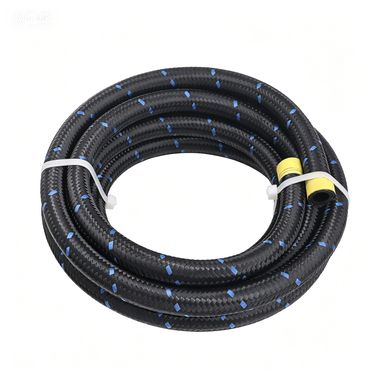
A failing radiator hose can quickly escalate into a serious engine problem if warning signs go unnoticed. The radiator hose is a critical component of your engine cooling system, responsible for transporting hot coolant between the radiator and engine block. When damage occurs, your vehicle's temperature control becomes compromised, risking overheating and engine damage. Recognizing the early indicators of radiator hose failure allows you to schedule replacement before breakdown occurs in the field.
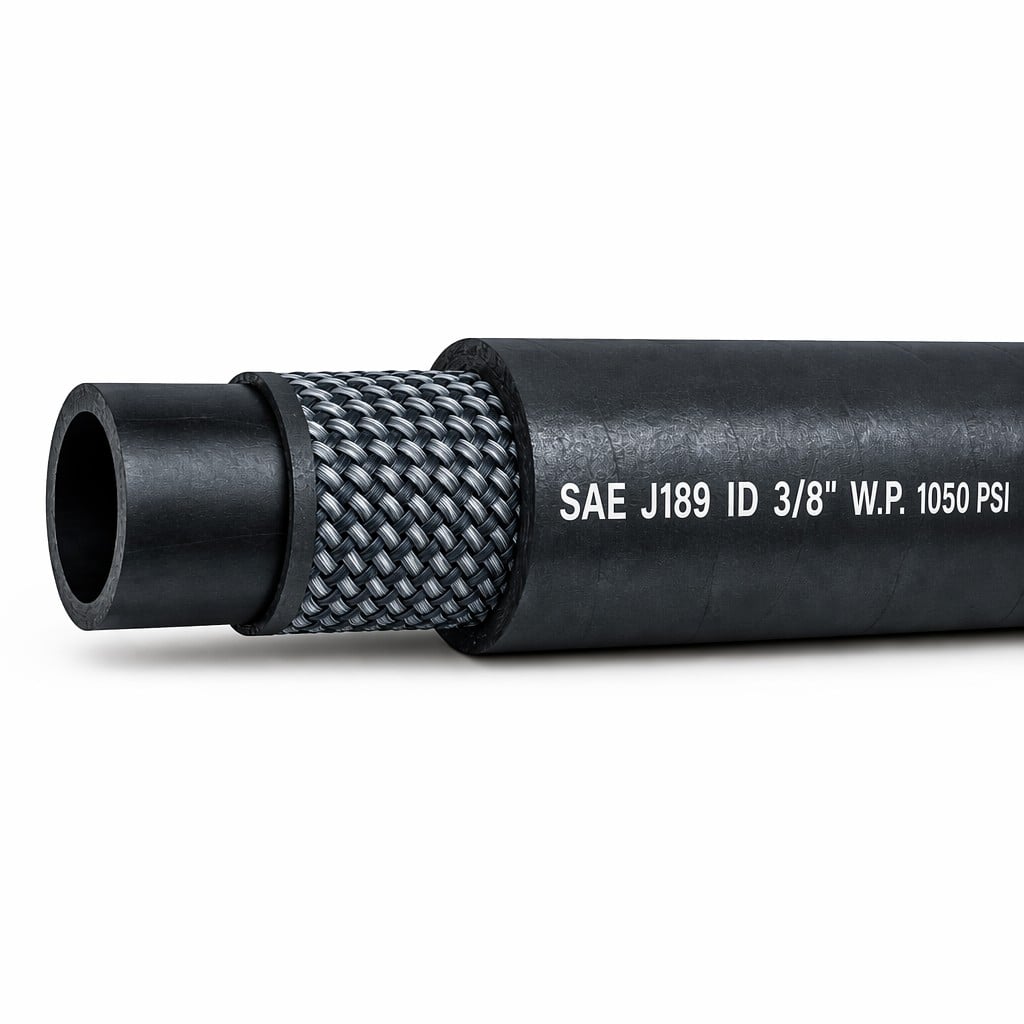
Understanding the physical signs of a deteriorating radiator hose helps maintenance teams act decisively. Hose degradation happens gradually through thermal cycling, chemical exposure, and mechanical stress. The engine cooling system depends entirely on hose integrity to maintain consistent operating temperatures across all engine loads. This guide walks through the most common visible and performance-related indicators that a coolant hose needs immediate attention.
Visible Exterior Damage and Surface Deterioration
Cracks, Splits, and Surface Erosion
Cracks in a radiator hose represent the most obvious failure indicator. Small splits along the hose length or at connection points allow pressurized coolant to escape, creating visible wet spots under the vehicle. Surface erosion begins when the rubber outer layer thins from age and UV exposure. Running your hand along the hose surface reveals rough, flaking material where the protective layer has worn away. These compromised areas often precede catastrophic rupture by days or weeks, giving you a window to perform radiator hose replacement before total failure.
Bulging, Ballooning, and Structural Collapse
Bulging indicates internal degradation of reinforcement layers within the hose structure. The engine cooling system pressurizes during operation, and weak internal fibers fail to contain that pressure uniformly. You may notice one section of the coolant hose swelling outward like a balloon, or conversely, sections that appear flattened or crushed. These deformations mean the hose can no longer safely handle normal operating pressure and faces imminent rupture. Immediate radiator hose replacement becomes essential to prevent sudden coolant loss and engine overheating.
Fluid Leaks and Pressure Loss Symptoms
Active Coolant Leaks at Connections and Seams
Puddles or drips of coolant beneath the engine bay clearly signal a failing radiator hose. Leaks often originate at hose clamp connection points where repeated vibration loosens the seal. Green, pink, or orange liquid pooling under your vehicle indicates coolant escape from the engine cooling system. Even small seepage wastes coolant over time and exposes reinforcement fibers to moisture, accelerating degradation. Detecting these leaks early through regular inspection prevents cascading damage to other cooling components and extends the working life of your engine.
Low Coolant Levels and Temperature Fluctuations
Dropping coolant levels without visible leaks suggest a failing coolant hose weeping internally or through hairline fractures. Your engine temperature gauge may climb higher than normal or fluctuate erratically as cooling efficiency declines. The engine cooling system cannot function effectively with insufficient coolant volume or with breaches that allow air infiltration. These symptoms demand immediate diagnostics to locate the source before complete loss of coolant leads to engine seizure. Prompt radiator hose replacement prevents catastrophic heat damage to cylinder heads and gaskets.
Age, Texture, and Material Breakdown Indicators
Hardening, Loss of Elasticity, and Brittleness
As rubber ages, it hardens and becomes brittle, losing the flexibility needed for vibration absorption and pressure cycling. Squeeze a suspect radiator hose firmly; if it feels stiff and cracks form under finger pressure, the material has degraded beyond safe use. Hoses older than five to seven years typically show significant material breakdown regardless of visible damage. The engine cooling system reliability drops sharply when hose elasticity fails, as thermal cycling stress now causes rapid crack propagation. Scheduling radiator hose replacement on aging vehicles during routine maintenance prevents emergency roadside failures.
Discoloration, Oil Residue, and Contamination Buildup
Discoloration from the original color indicates chemical breakdown within the hose material itself. Oil residue, grease, or salt deposits on the exterior accelerate rubber degradation when left unwashed over time. Contamination buildup inside the coolant hose reduces flow efficiency and contributes to hot spots in the engine cooling system. A hose that feels slimy or shows signs of chemical attack has likely lost structural integrity beneath its outer surface. These warning signs justify proactive radiator hose replacement to maintain system reliability and prevent unexpected breakdowns.
Performance Issues Linked to Failing Hoses
Overheating Events and Thermal Management Failures
Sudden overheating despite normal coolant levels points strongly toward a radiator hose failure restricting flow or losing coolant. The engine cooling system maintains temperature through continuous circulation; a blocked or leaking hose breaks this cycle immediately. You may notice the temperature gauge spiking during highway driving or under load, then subsiding when speeds decrease. This pattern suggests a hose collapse under pressure that reopens at lower pressures. A failing radiator hose quickly becomes a radiator hose replacement priority to restore stable engine temperatures and prevent heat damage.
Odor and Steam Emissions from the Engine Bay
Coolant has a distinctive sweet smell; detecting this odor inside the vehicle or near the engine signals a leak. Steam rising from under the hood during normal operation indicates hot coolant contacting engine metal after escaping from a ruptured coolant hose. These signs appear when a radiator hose failure has progressed to active fluid loss under pressure. Swift action prevents the situation from worsening into a complete loss of coolant and potential engine seizure. Immediate radiator hose replacement restores safe operation and allows the engine cooling system to function as designed.
FAQ
How often should a radiator hose be inspected?
Inspect your radiator hose every six months or before long trips, and more frequently if your vehicle operates in extreme temperatures or high-mileage conditions. The engine cooling system depends on hose integrity, so early detection of damage prevents breakdowns. Professional inspections during regular service intervals catch issues before they become critical failures requiring roadside assistance.
Can a radiator hose be repaired or must it be replaced?
Temporary patches or hose tape may seal minor leaks short-term, but radiator hose replacement is the only permanent solution for damaged hoses. Patched hoses fail unpredictably under pressure variations in the engine cooling system, creating safety hazards and repeat failures. Investing in new hoses ensures reliability and prevents recurring coolant loss that damages other engine components.
What happens if I ignore radiator hose damage signs?
Ignoring radiator hose warning signs risks complete coolant loss and engine overheating, potentially causing permanent damage to cylinder heads, gaskets, and internal engine components. Continued operation with a failing coolant hose can result in catastrophic engine failure requiring thousands in repairs. Prompt radiator hose replacement is far less expensive than addressing heat damage and associated engine rebuilding costs.
 EN