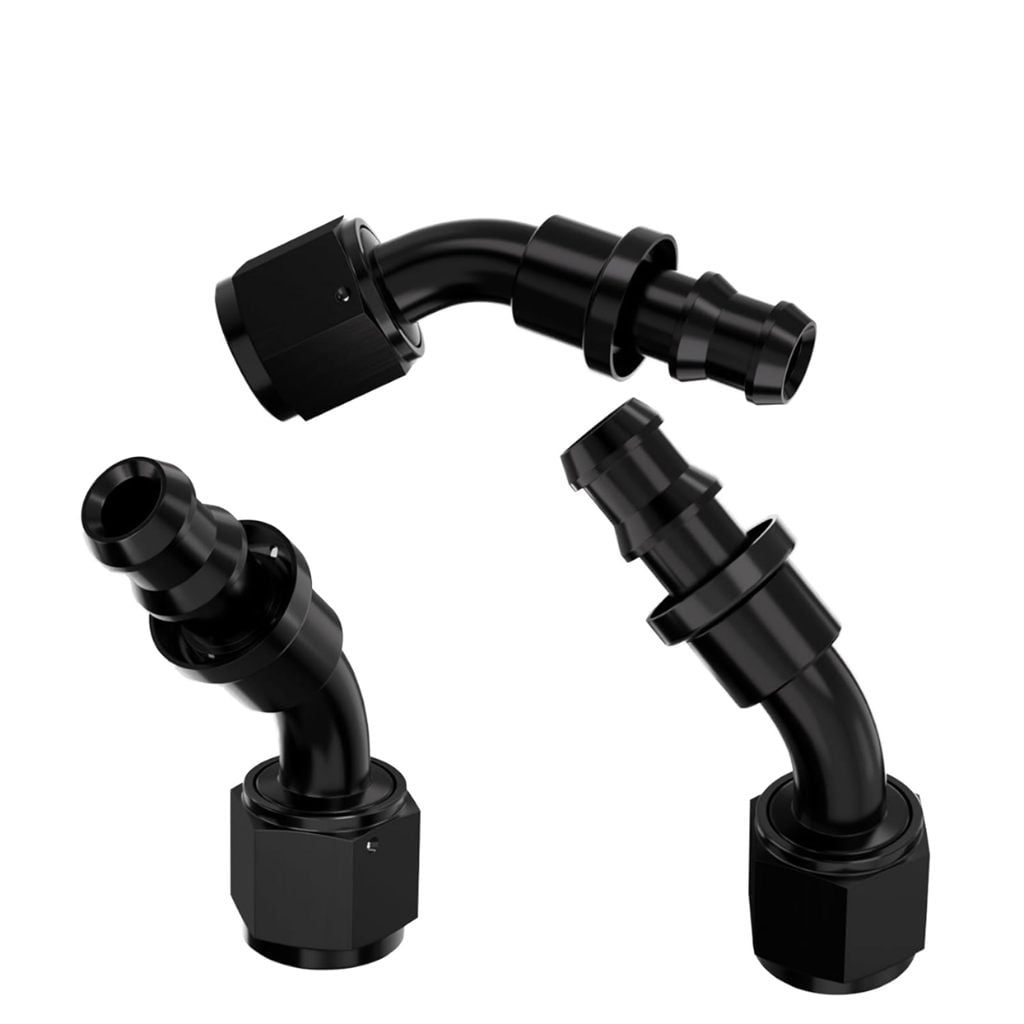
An AN fitting is a critical component in hydraulic and pneumatic systems, engineered for precision fluid transfer and durability under demanding industrial conditions. Proper maintenance of these components directly determines system reliability, prevents costly downtime, and extends operational lifespan significantly. Understanding maintenance requirements ensures that your AN connector systems remain leak-free and perform optimally throughout their service life.
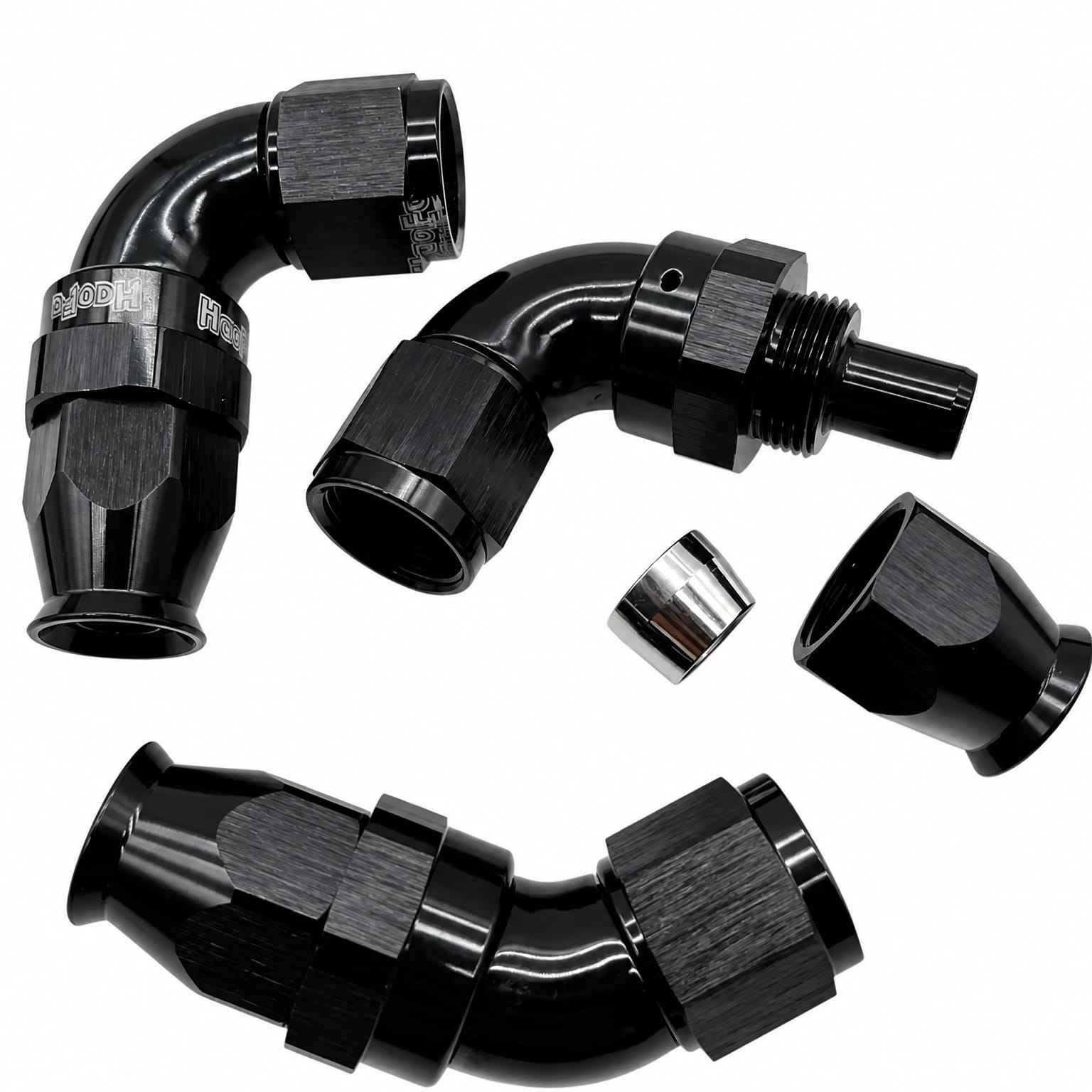
Neglecting AN connector maintenance leads to fluid leakage, pressure loss, and potential system failures that disrupt operations and increase repair costs. The quality of your AN thread adapter integration and the condition of your AN quick disconnect coupling directly impact system efficiency. By implementing structured maintenance protocols, you protect your investment and ensure consistent performance across all hydraulic and pneumatic applications.
Regular Inspection and Condition Monitoring
Visual Inspection Protocols
Inspecting AN fittings should occur regularly, ideally before each operational cycle or monthly for active systems. Look for visible damage, corrosion, fluid residue accumulation, and loose connections around each AN connector. Check for any discoloration, pitting, or surface degradation that might compromise the fitting's integrity. Document findings in a maintenance log to track deterioration patterns and plan preventive replacements before failures occur.
Pressure Testing and Leak Detection
Functional testing reveals problems that visual inspection alone cannot identify. Use specialized pressure gauges to monitor system pressure and detect abnormal drops that indicate internal leakage within the AN thread adapter or main fitting assembly. Apply bubble solution around connection points to confirm no micro-leaks are present, particularly where an AN quick disconnect coupling attaches to the primary line. Thermal imaging can also detect warm spots that signal excessive friction or seal degradation inside the fitting.
Cleaning and Contamination Control
Proper Cleaning Techniques
Contamination is the primary enemy of AN fitting longevity. Flush the system with clean hydraulic or pneumatic fluid at controlled pressure to remove particulate buildup inside the AN connector passages. For external cleaning, use lint-free cloths and approved solvents that won't degrade seal materials or the aluminum or steel construction of your fitting. Never use abrasive materials or high-pressure washers that risk damaging critical seal surfaces or dislodging internal components.
Seal Protection During Maintenance
When disconnecting an AN quick disconnect coupling or removing an AN thread adapter for inspection, protect exposed seals from dust and debris. Use protective caps on disconnected ports immediately and store removed components in clean, sealed containers. Replace seals whenever an AN fitting is disassembled for major maintenance, even if existing seals appear serviceable. Proper seal maintenance is crucial for maintaining the pressure-holding capability that defines reliable AN fitting performance.
Storage, Handling, and Preventive Measures
Environmental Storage Conditions
Store spare AN fittings in climate-controlled environments protected from moisture, extreme temperature fluctuations, and chemical exposure. Corrosion develops rapidly when fittings are exposed to humid conditions or reactive substances, compromising the AN connector's structural integrity. Keep storage areas clean and organize inventory by fitting size and thread type to prevent installation errors. For long-term storage, apply light protective coating to bare metal surfaces on your AN thread adapter or fitting bodies to prevent oxidation.
Installation Best Practices
Proper installation directly influences AN fitting longevity and leak-free operation. Apply thread sealant to male threads on AN quick disconnect coupling connections following manufacturer specifications to prevent cross-threading and ensure permanent seals. Use torque wrenches set to the correct specifications for your fitting size and material to avoid over-tightening, which damages seals and threads, or under-tightening, which causes leaks. Always inspect new AN fittings before installation to confirm no manufacturing defects exist.
System Integration Maintenance
Maintain the larger system surrounding your AN connector to protect individual component lifespan. Keep hydraulic fluid clean through regular filter changes and contamination monitoring, as dirty fluid accelerates internal wear inside any AN fitting assembly. Monitor system temperature continuously, as excessive heat degrades seals and damages the AN thread adapter connection. Vibration isolation and proper hose routing reduce mechanical stress that could loosen connections or damage fitting bodies over time.
FAQ
How often should I inspect AN fittings?
Inspect AN fittings monthly during normal operation or before each use in critical applications. High-vibration environments or systems operating at maximum pressure require more frequent inspection, sometimes weekly. Establish an inspection schedule based on your system's duty cycle, fluid type, and application criticality. Document all inspections to identify trends that may indicate the need for component replacement or system redesign.
Can I reuse an AN connector after disconnection?
Yes, you can reuse most AN fittings multiple times if proper disconnection procedures are followed and seals remain undamaged. However, if you notice seal deformation, thread damage, or fluid leakage when reconnecting, replace the AN quick disconnect coupling or affected fitting immediately. Reusable fittings should be cleaned thoroughly before reconnection and inspected for internal corrosion or contamination that might compromise system function.
What causes premature AN fitting failure?
Premature failure of AN thread adapter systems results from contaminated hydraulic fluid, over-tightening during installation, exposure to extreme temperatures, and vibration-induced loosening of connections. Corrosion from moisture exposure and improper storage also damages the AN fitting's sealing surfaces and threaded areas. Using incorrect thread sealant materials or installing mismatched AN connector sizes leads to leakage and accelerated wear that shortens service life significantly.
 EN