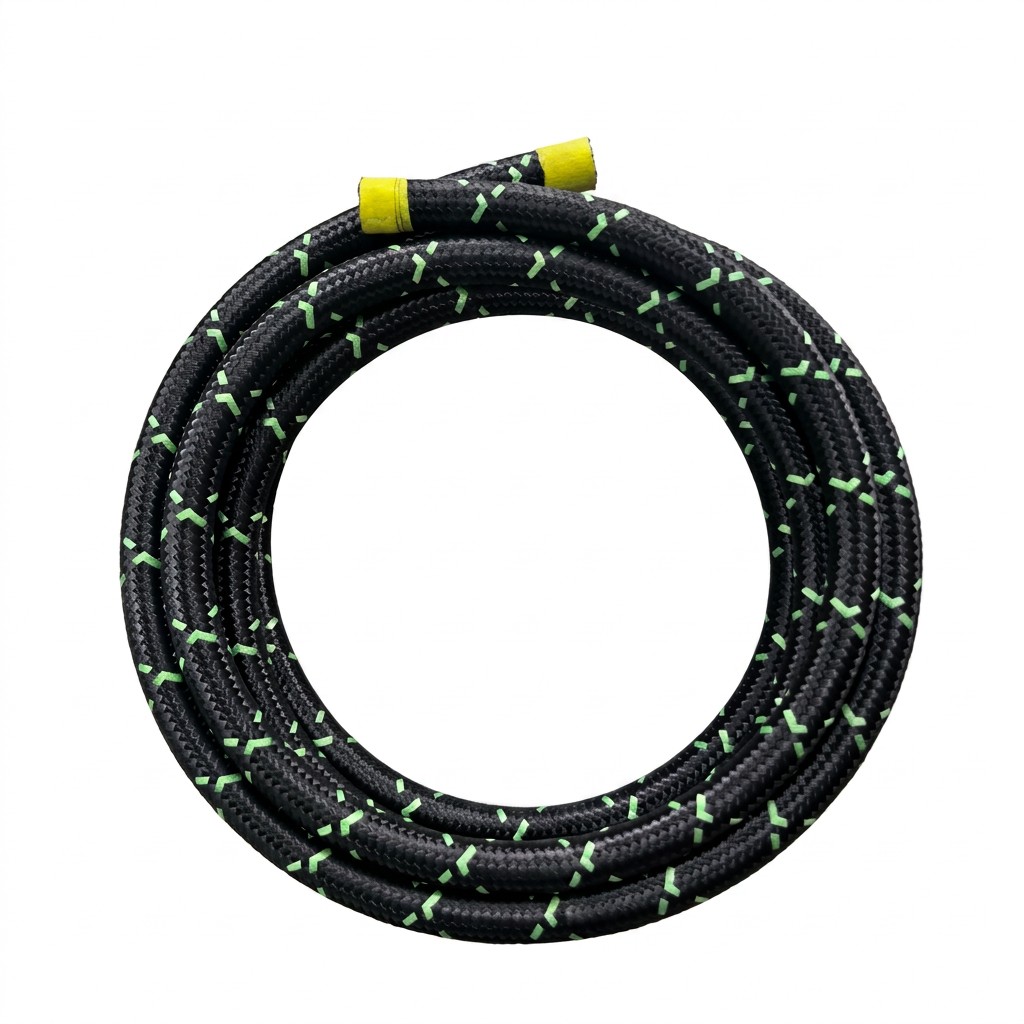
Proper maintenance of a teflon hose system is essential for extending service life, preventing leaks, and maintaining consistent performance in demanding industrial applications. PTFE tubing and fluoropolymer hose assemblies are engineered for superior chemical resistance and temperature stability, but they still require intentional care protocols to operate safely and reliably over their designed lifetime. Understanding the fundamentals of routine inspection, storage, and cleaning procedures ensures that your investment in chemical resistant tubing delivers maximum value and uptime.
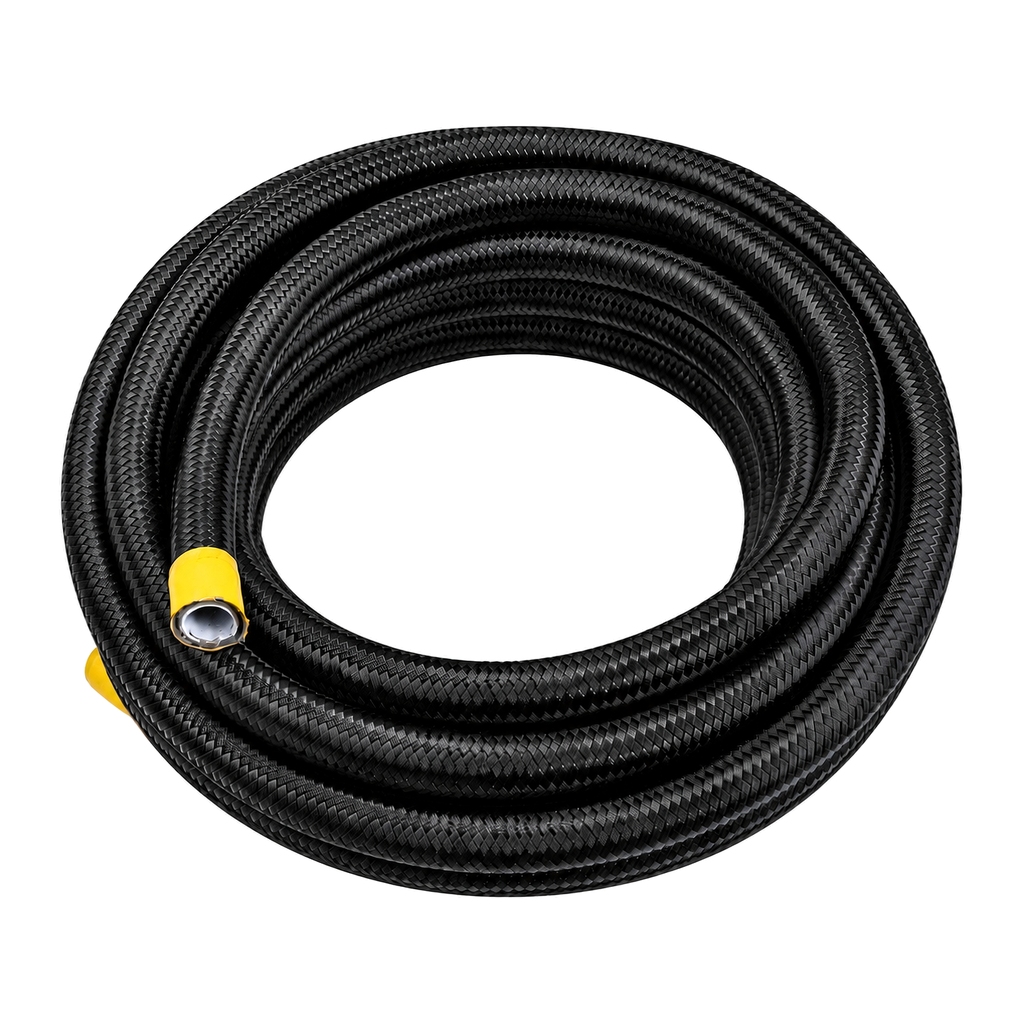
Maintenance excellence begins with understanding how PTFE tubing and fluoropolymer hose components interact under operating stress. Chemical resistant tubing withstands aggressive media, extreme pressures, and temperature fluctuations, yet proper handling prevents accelerated degradation. Regular visual checks, pressure monitoring, and adherence to manufacturer specifications transform maintenance from a reactive chore into a strategic practice that safeguards equipment, reduces downtime, and protects personnel.
Inspection and Early Detection Strategies
Visual Examination Protocols
Routine visual inspection of your PTFE tubing system is the first line of defense against unexpected failures. Check all external surfaces of the fluoropolymer hose for cracks, discoloration, brittleness, or unusual wear patterns. Look carefully at connection points, bends, and areas where the chemical resistant tubing contacts sharp edges, abrasive surfaces, or high-temperature zones. Document any observable changes and photograph suspect areas to track progression over time.
Pay special attention to the braided exterior of reinforced PTFE tubing. A compromised braid exposes the inner fluoropolymer hose layer to mechanical damage and contaminant infiltration. Surface discoloration or whitening on chemical resistant tubing can indicate exposure to UV light, ozone, or specific chemical solvents that may be compromising material integrity. Early detection of these signs allows you to replace sections before catastrophic failure occurs.
Pressure and Flow Monitoring
Establish baseline pressure and flow measurements for your PTFE tubing system during normal operation. Gradual pressure drops or flow rate reductions often signal developing micro-leaks in the fluoropolymer hose that are too small to see visually. Install pressure gauges and flow meters at strategic system points to track performance trends. A sudden spike in pressure, conversely, may indicate partial blockage within chemical resistant tubing, requiring immediate investigation.
Record all readings in a maintenance log at consistent intervals. This historical data becomes invaluable for predicting when PTFE tubing replacement will be necessary, allowing you to schedule downtime proactively rather than reacting to emergency failures. Anomalies detected early through pressure monitoring prevent unplanned outages and safety incidents.
Cleaning, Storage, and Environmental Control
Safe Cleaning Procedures for Fluoropolymer Hose
Cleaning PTFE tubing requires careful selection of methods and solvents. Always consult the system specifications to determine which chemical resistant tubing materials have been used in your application. Flush the fluoropolymer hose system with compatible solvents, typically warm deionized water or mild detergent solutions, to remove residual process fluids and deposits. Never use abrasive tools, wire brushes, or high-pressure jets on the braided exterior, as these can damage the PTFE tubing integrity and braiding structure.
For stubborn deposits inside chemical resistant tubing, gentle circulation of appropriate cleaning agents followed by thorough rinsing is effective. Allow the PTFE tubing to air-dry completely before reconnecting to systems. Any moisture trapped inside the fluoropolymer hose can promote internal corrosion of metal fittings or bacterial growth in stagnant sections. Document all cleaning activities and the solvents used to maintain a complete maintenance history.
Proper Storage Conditions
When PTFE tubing is not in active use, storage environment directly impacts its service readiness. Keep fluoropolymer hose assemblies in cool, dry locations away from direct sunlight, UV sources, and ozone-generating equipment. Temperature stability preserves the elasticity and flexibility of the PTFE tubing material. Excessive heat causes the chemical resistant tubing to become brittle, while extreme cold can make the material less responsive during installation.
Coil stored PTFE tubing loosely to avoid kinking or stress on the braiding. Never store chemical resistant tubing under pressure or tension. Protect the ends of exposed fluoropolymer hose with caps or plugs to prevent dust infiltration and contamination. Shield the PTFE tubing from contact with oils, solvents, and sharp objects that could degrade the material during storage periods.
Preventive Maintenance Schedules and Best Practices
Establishing a Maintenance Calendar
Create a documented maintenance schedule that aligns with your PTFE tubing system's operating intensity and chemical exposure profile. High-pressure or high-temperature applications demand more frequent inspection intervals for fluoropolymer hose than low-stress installations. As a general baseline, inspect all chemical resistant tubing assemblies at least monthly, with pressure testing every quarter. Mission-critical systems may justify weekly visual checks and continuous electronic monitoring.
Link your PTFE tubing maintenance calendar to the equipment manufacturer's recommendations and industry standards specific to your sector. Document every inspection, cleaning, and repair action in a centralized database accessible to all technicians. This transparency ensures consistency, enables trending analysis, and creates an audit trail for compliance documentation when regulatory requirements apply to chemical resistant tubing systems.
Connection and Fitting Integrity
The connection points between PTFE tubing and metal fittings are vulnerability zones where leaks often develop. Periodically inspect all compression fittings and threaded connections on the fluoropolymer hose system for signs of seepage or weeping. Tighten loose connections only with calibrated torque tools to specification, as over-tightening can damage the PTFE tubing and under-tightening allows leakage. Apply appropriate thread sealant materials approved for chemical resistant tubing installations when re-establishing connections.
Replace ferrules and sealing elements on chemical resistant tubing assemblies at regular intervals or whenever any fitting has been disassembled. These small components wear gradually and become less effective at creating reliable seals. Preventive replacement of worn ferrules in PTFE tubing connections is far less expensive than managing the consequences of sudden system failure. Keep a stock of spare fittings, adapters, and sealing components compatible with your fluoropolymer hose specifications for quick repairs.
FAQ
How often should PTFE tubing be replaced?
Replacement intervals for PTFE tubing depend on operating conditions, chemical exposure, pressure cycles, and temperature extremes. Well-maintained fluoropolymer hose in moderate-stress applications may serve 5 to 10 years or longer, while chemical resistant tubing in aggressive environments may require replacement every 2 to 3 years. Establish replacement timelines based on your system's maintenance history and performance trends rather than relying solely on age.
Can chemical resistant tubing be repaired or must it be replaced?
Minor surface damage to PTFE tubing may be managed with careful patching or localized sealing for temporary relief, but permanent repairs are usually not practical. Fluoropolymer hose with internal damage, cracks in the braiding, or compromised structural integrity should be replaced entirely to maintain safety and system reliability. Attempting extensive repairs to chemical resistant tubing often costs as much as replacement and introduces failure risk.
What causes premature failure of fluoropolymer hose systems?
Premature failure of PTFE tubing results from improper storage, mechanical abrasion, chemical incompatibility, excessive temperature cycling, over-pressurization, and neglected maintenance. Installing chemical resistant tubing near heat sources, sharp edges, or incompatible solvents accelerates degradation. Fluoropolymer hose subjected to pressure spikes beyond design limits or exposed to UV radiation without adequate protection fails much sooner than systems maintained according to specifications. Consistent preventive maintenance directly extends the operational life of PTFE tubing.
 EN