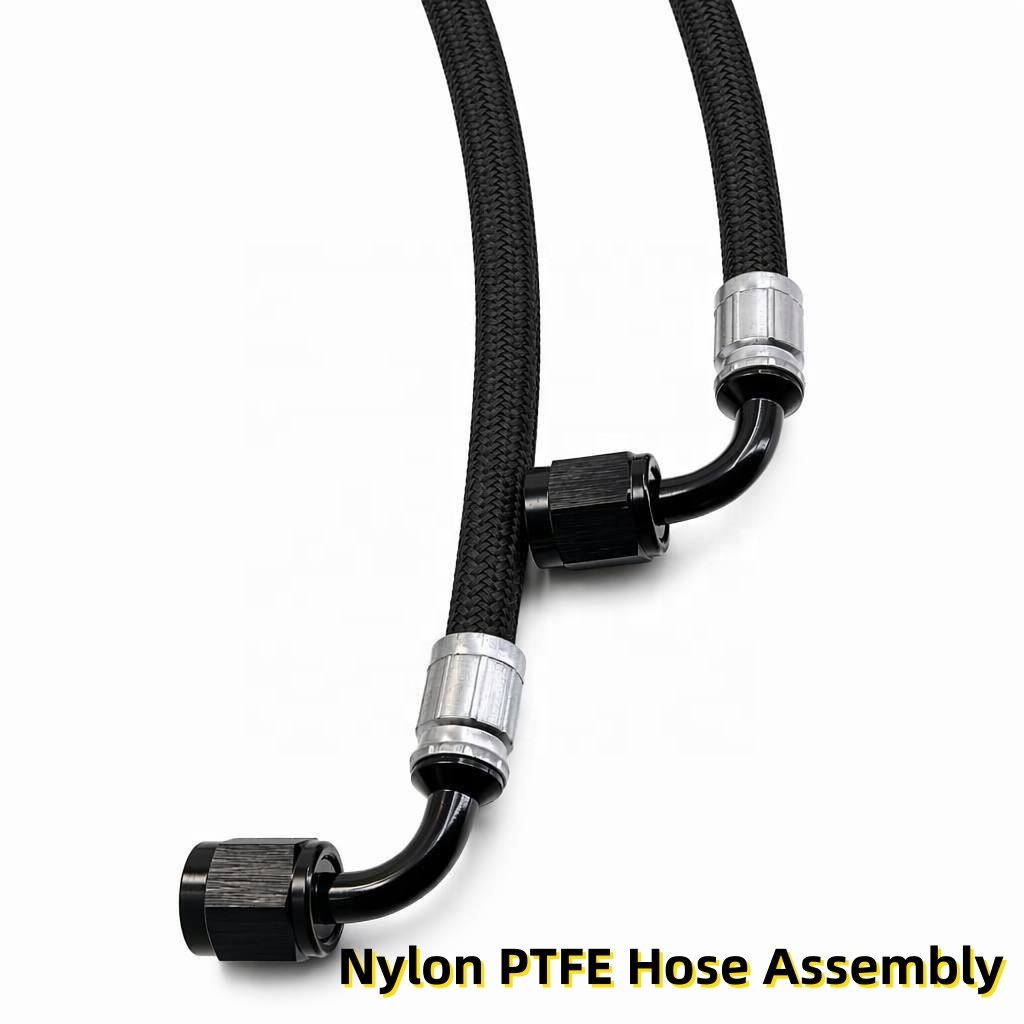
Contamination is one of the leading causes of hydraulic system failure, and preventing it requires a comprehensive understanding of how particles, moisture, and degradation affect your hydraulic hose performance. When your hydraulic hose becomes contaminated, it can lead to component wear, reduced efficiency, costly repairs, and unexpected downtime. The good news is that contamination prevention is entirely manageable through strategic practices, routine maintenance, and proper handling. This guide explores the essential steps to keep your hydraulic hose clean and functioning optimally throughout its service life.
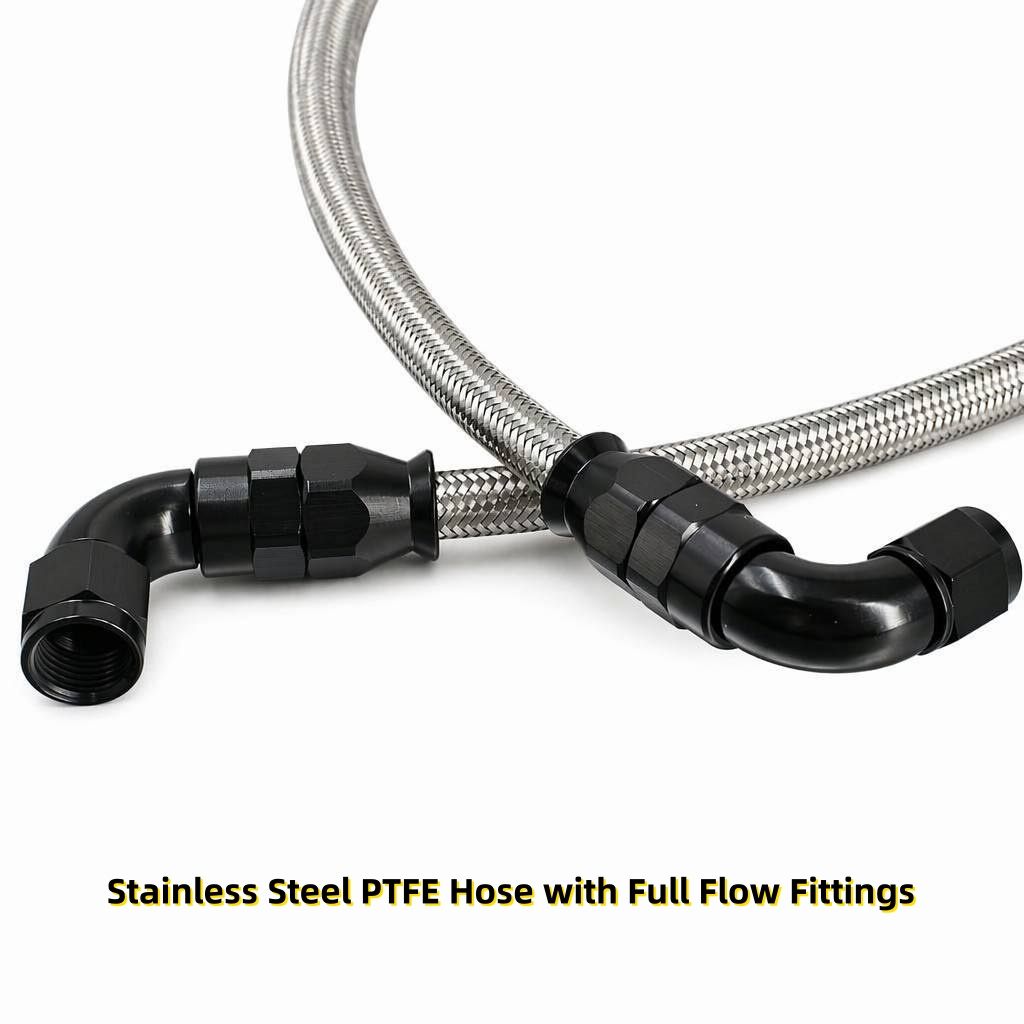
Understanding the sources of contamination helps you implement targeted prevention strategies. Contamination enters hydraulic systems through external sources such as dust, dirt, and moisture during operation, or through internal degradation as the hydraulic fluid ages. The high pressure hose is particularly vulnerable because it experiences mechanical stress and temperature fluctuations that accelerate fluid breakdown. By addressing contamination at its source and maintaining your hydraulic hose with diligent care, you significantly extend system life and reduce maintenance costs.
Implement Effective Filtration Systems
Choose the Right Filter Grade
Filtration is the most direct defense against contamination in your hydraulic hose network. High pressure hose systems require filters rated for the appropriate micron size, typically between 3 and 10 microns depending on component sensitivity. Installing a properly sized filter on your hydraulic hose intake, return, and breather lines ensures that particles never reach your fluid. Many hydraulic failures occur because filters are undersized or not replaced on schedule, allowing particulate matter to accumulate and damage the high pressure hose and connected components.
Maintain Filter Replacement Schedules
Filters clog over time as they collect contaminants, and a saturated filter becomes ineffective at protecting your hydraulic hose. Establish a documented filter replacement schedule based on operating hours, fluid condition tests, or pressure differential indicators. Replace your hydraulic hose filters before they reach saturation, and monitor bypass valve warnings that signal excessive contamination. Regular replacement prevents sudden pressure spikes that can damage your high pressure hose and other system components.
Manage Storage, Handling, and Assembly
Store Flexible Tubing Properly
The way you store flexible tubing before installation directly affects its vulnerability to contamination. Keep all hose assembly components in clean, dry conditions away from dust, chemicals, and direct sunlight. Store flexible tubing indoors at room temperature, and never leave hose ends exposed to air. Contaminated storage environments allow particles and moisture to settle on internal hose surfaces, compromising hydraulic hose cleanliness before the system even starts. Use sealed containers or protective caps on all hose assembly endpoints to maintain a sterile environment.
Use Cleanliness Standards During Assembly
Assembly of your hydraulic hose and hose assembly components introduces contamination risk if performed in uncontrolled environments. Follow ISO 4406 cleanliness codes when assembling your hose assembly, and use only components that have been verified as clean. Work in dust-free areas, use lint-free materials, and flush all internal passages of the hydraulic hose before connecting it to the system. Proper assembly protocols prevent contamination from entering through connection points, where your flexible tubing meets fittings and manifolds.
Monitor Fluid Condition and System Operation
Conduct Regular Fluid Analysis
Proactive fluid testing reveals contamination problems before they damage your hydraulic hose or other components. Send hydraulic fluid samples to a laboratory quarterly or after significant operating events to check particle count, water content, and viscosity. These tests provide early warning signs that your hydraulic hose filtration system is failing or that external contamination has entered the system. High particle counts indicate that your high pressure hose may be at risk, prompting immediate maintenance before failure occurs.
Minimize System Exposure During Operation
During operation, your hydraulic hose breathes as fluid temperature and pressure fluctuate, and this breathing can introduce contaminated air. Install desiccant breather filters on hydraulic reservoirs to prevent moisture and airborne particles from entering through the breather. Seal any leaks in your hydraulic hose or fittings immediately, as leaks accelerate fluid oxidation and allow external contaminants to enter. Keep reservoir levels topped up to minimize the air space available for contaminated air, and cover open access points on your flexible tubing system.
Establish Prevention Through System Design
Design for Cleanliness From the Start
The most effective contamination prevention begins at the design phase of your hydraulic system. Specify high pressure hose and flexible tubing materials that resist fluid degradation and maintain cleanliness longer. Choose system architectures that incorporate multiple filtration stages, with separate hydraulic hose return line filters and case drain filters on critical components. Design your hose assembly layout to eliminate dead legs and areas where stagnant fluid can accumulate, as these zones become breeding grounds for contamination and oxidation.
Select Quality Hose Assembly Components
The quality of your hose assembly directly correlates with contamination resistance and system longevity. Source your hydraulic hose from manufacturers who supply factory-flushed and certified clean components. Verify that your flexible tubing meets or exceeds industry standards for cleanliness and material performance. Lower-quality hose assembly options may have internal burrs, manufacturing residue, or materials prone to degradation, all of which increase contamination risk and reduce the effectiveness of your filtration efforts.
FAQ
What is the most common cause of hydraulic hose contamination?
The most common cause is inadequate filtration combined with poor maintenance practices. Filters that are not replaced on schedule, undersized for the system flow rate, or bypass valves that allow unfiltered fluid to bypass protection are primary culprits. External contamination from dust and moisture entering through reservoir breathers and system leaks also ranks high. A comprehensive approach addressing all three areas ensures your hydraulic hose remains clean and performs reliably.
How often should I replace the filters protecting my hydraulic hose?
Filter replacement frequency depends on your system duty cycle, fluid cleanliness target, and filter micron rating. Most systems benefit from quarterly to semi-annual filter changes, though high-pressure hose systems in dusty environments may require monthly replacement. Monitor pressure differential across the filter and replace it immediately if the bypass valve activates. Laboratory fluid analysis provides the most accurate guidance for your specific hydraulic hose configuration and operating conditions.
Can contamination in a hydraulic hose be reversed?
Once significant contamination occurs in your hydraulic hose, the damage to internal components is often permanent. However, you can stop the progression by immediately upgrading your filtration system, performing a complete fluid flush, and replacing contaminated flexible tubing sections. Flush the entire system with clean fluid to remove particle accumulation, then install new high-pressure hose and hose assembly components. Prevention is far more cost-effective than remediation, making proactive contamination control the preferred strategy for long-term system health.
 EN