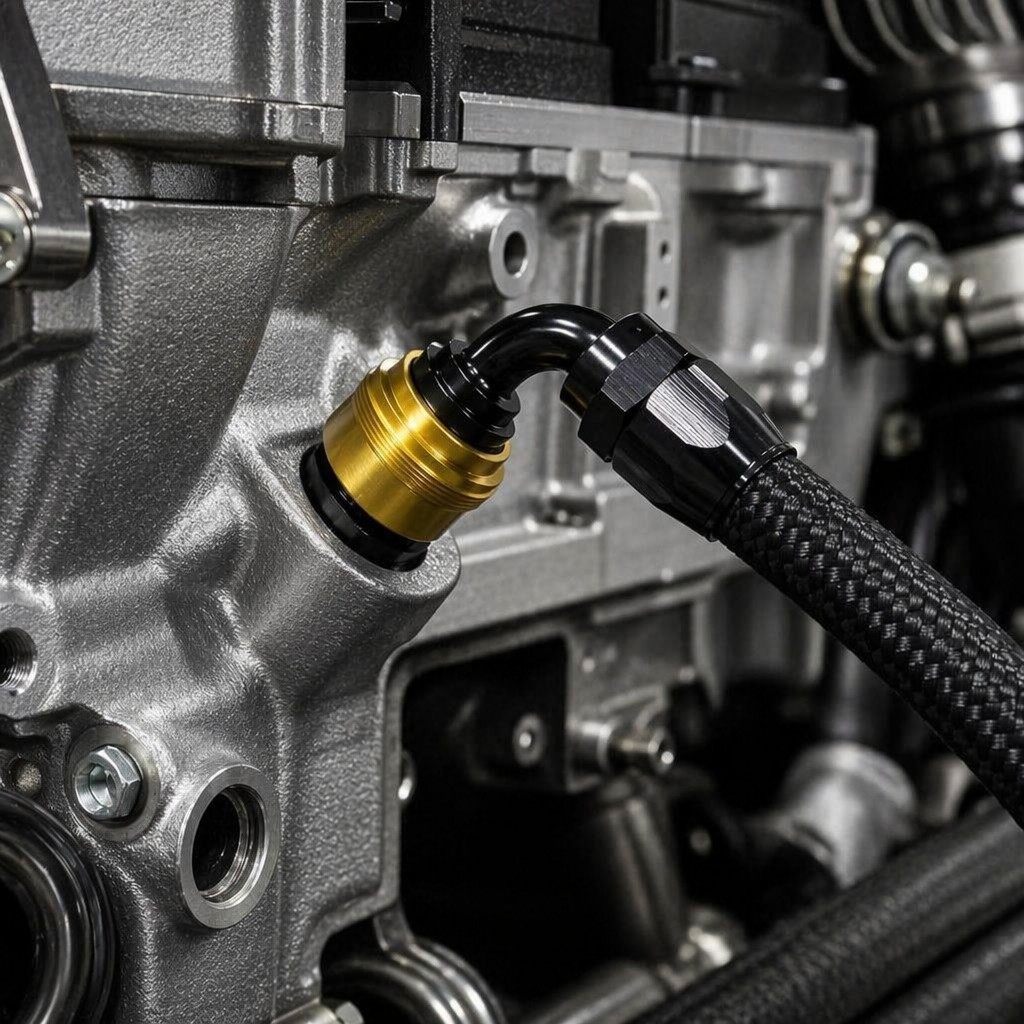
Proper installation of a high pressure hose is critical for ensuring system safety, performance, and longevity in industrial and mobile equipment applications. Incorrect installation can lead to leaks, pressure failures, equipment damage, and costly downtime. Whether you are working with hydraulic systems, pneumatic lines, or specialized applications, understanding the correct installation procedures protects your investment and maintains operational reliability.
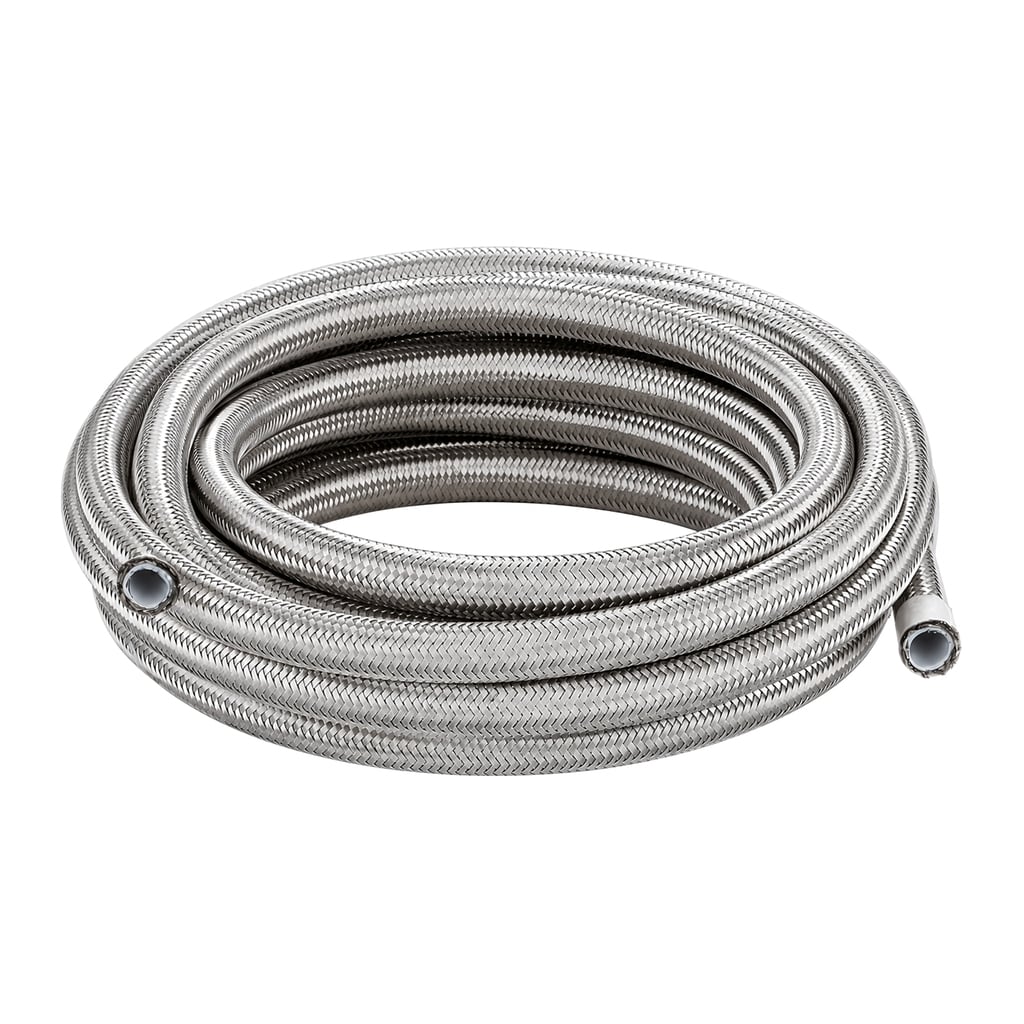
The installation process requires careful attention to detail, from selecting the correct hose type based on high pressure hose specifications to securing connections and validating the system before operation. Each step influences how well your system performs under stress. This guide walks through the essential procedures that professionals follow to ensure reliable, safe high pressure hose installations.
Understanding High Pressure Hose Specifications Before Installation
Pressure Rating and System Compatibility
Before you install any high pressure hose, verify that its pressure rating matches or exceeds your system's maximum operating pressure. High pressure hose specifications clearly state the working pressure, burst pressure, and temperature limits. Always select a hose with a working pressure at least 1.25 times higher than your system's peak operating pressure to ensure a safety margin. Mismatched pressure ratings are a leading cause of hose failure and system damage.
Hose Size and Flow Requirements
Selecting the correct diameter is equally important as checking the pressure rating. Undersized hoses restrict flow and generate excessive heat, while oversized hoses waste space and reduce efficiency. Refer to your system's technical documentation or engineering specifications to determine the required hose ID (inner diameter). The high pressure hose specifications provided by the manufacturer will guide you in choosing the appropriate size for your application.
Selecting and Preparing High Pressure Hose Materials
Material Composition for Durability
High pressure hose materials directly affect performance, lifespan, and compatibility with the fluids in your system. PTFE (polytetrafluoroethylene) and stainless steel braided constructions are common choices for demanding industrial environments and racing applications because they resist extreme temperatures, chemical exposure, and aggressive pressure cycles. The inner tube material must be compatible with your hydraulic fluid, coolant, or gaseous medium. Incompatible materials degrade quickly, leading to leaks and contamination.
Reinforcement Layers and Environmental Resistance
High pressure hose materials include multiple reinforcement layers—typically wire braid or spiral wraps—that contain pressure and prevent expansion. Steel braiding provides superior burst resistance and fire protection compared to synthetic alternatives. The outer cover material should resist abrasion, UV exposure, ozone, and environmental contaminants relevant to your operating location. For outdoor, automotive, or food processing environments, select hoses with robust outer jackets rated for those conditions.
Step-by-Step Installation Process for High Pressure Hose
Preparation and Component Inspection
Begin installation by gathering all necessary fittings, adapters, crimpers, and tools. Inspect the high pressure hose for any visible damage, cracks, or deformation before installing it into your system. Verify that all fittings match the hose end connections and that threads, seals, and ports are clean and undamaged. Lay out the hose path to avoid sharp bends, hot surfaces, moving parts, and abrasive edges that could compromise the hose during operation.
Fitting Attachment and Securing Connections
Attach the fittings to the high pressure hose ends using the appropriate crimping equipment. Improper crimping is a frequent cause of leaks and failures, so follow the manufacturer's crimping specifications exactly. Once fittings are secured, connect the hose to system ports hand-tight first, then use a wrench to tighten to the manufacturer's recommended torque specification. Avoid over-tightening, which can crack fittings; under-tightening leads to leaks under pressure.
Routing, Securing, and System Pressure Testing
Route the high pressure hose along the shortest practical path, securing it with clips or clamps every 12 to 24 inches to prevent vibration and abrasion. Ensure at least one inch of clearance from hot surfaces and moving equipment. Once all connections are complete, perform a pressure test at 1.5 times the system's maximum working pressure before full operation. Monitor for leaks, bulging, or unusual sounds. Begin operation slowly and increase pressure incrementally while inspecting connections for any signs of failure.
Common High Pressure Hose Applications and Installation Considerations
Industrial Hydraulic Systems
High pressure hose applications in hydraulic machinery demand precise installation because pressure spikes and sudden load changes are common. Hoses powering excavators, presses, and injection molding equipment must tolerate repetitive cycling. Ensure your high pressure hose specifications account for the fluid type (mineral oil, water-based, or synthetic) and ambient temperatures. Install excess length to accommodate hose contraction under temperature swings and to allow for future maintenance without disconnecting entire circuits.
Motorsport and Automotive Racing
Racing vehicles rely on high pressure hose applications that handle fuel line pressure, brake system load, and cooling circuits under extreme acceleration and deceleration. These systems demand hoses with superior burst protection, fire resistance, and vibration tolerance. Stainless steel braided constructions are preferred for their proven durability in high-vibration environments. Secure racing hoses with additional clips to prevent resonance failure, and regularly inspect for wear because racing duty is more demanding than standard industrial use.
Food, Beverage, and Pharmaceutical Industries
High pressure hose applications in food processing must comply with sanitary standards and use materials approved for food contact. Installation procedures include specialized cleaning and validation protocols to prevent contamination. Select high pressure hose specifications that meet FDA or EHEDG standards, and use stainless steel fittings and sanitary connectors. Document all installation steps, pressure tests, and material certifications for regulatory compliance and traceability.
Maintenance and Inspection After Installation
Regular Visual Checks and Leak Detection
After installation, establish a regular inspection schedule for your high pressure hose system. Check connections monthly for signs of seepage, discoloration, or fluid accumulation. Listen for hissing or unusual sounds that may indicate small leaks developing at fittings. Replace any hose showing surface cracks, ballooning, or hardening immediately, as these indicate material degradation. Early detection prevents catastrophic failure and unplanned downtime.
Pressure and Temperature Monitoring
Monitor system pressure during normal operation and compare readings to baseline values established after initial commissioning. Unexplained pressure drops suggest developing leaks or internal hose failure. Temperature sensors placed on the hose surface help identify overheating conditions that accelerate material breakdown. If pressure or temperature trends worsen, isolate the affected section and conduct detailed inspection or replacement before the problem escalates.
FAQ
What pressure rating should I choose for my high pressure hose installation?
Always select a hose with a working pressure at least 25% higher than your system's maximum operating pressure. Check the high pressure hose specifications provided by the manufacturer and consult your equipment manual. This safety margin protects against pressure spikes, temperature effects, and material degradation over time. Never install a hose rated below your system's peak pressure, as it will fail prematurely.
How do I know which high pressure hose materials are compatible with my fluid?
Review the hose manufacturer's compatibility chart against your system's hydraulic fluid, coolant, or gas type. High pressure hose materials must resist chemical attack from the fluid and maintain flexibility across your operating temperature range. If you use non-standard fluids or additives, contact the hose supplier before purchasing. Incompatible materials will swell, harden, or delaminate, leading to rapid failure and potential system contamination.
Can I reuse crimped fittings after removing a hose during maintenance?
No, reusing crimped fittings is not recommended because crimping permanently deforms the fitting. Once removed, the seal and structural integrity are compromised. Always install new fittings when reconnecting or replacing a high pressure hose. This practice ensures reliable performance, minimizes leak risk, and maintains system safety standards.
 EN