 EN

how-to-properly-install-a-high-pressure-hose-system, how-to-properly-install-a-high-pressure-hose-system, /news
EN
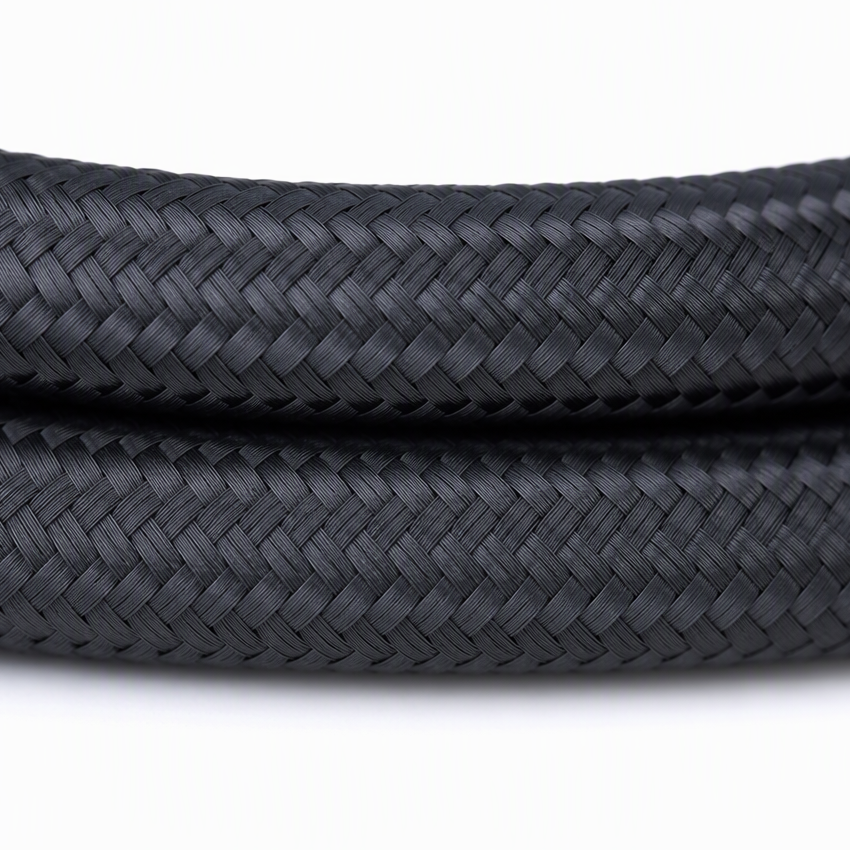
Installing a high pressure hose system requires careful planning, precise measurement, and adherence to safety protocols to ensure optimal performance and longevity. Whether you're upgrading an industrial hydraulic system, setting up equipment in a manufacturing facility, or implementing fluid transfer lines in an automotive or aerospace application, the installation process demands attention to detail and understanding of the specific requirements governing your setup. Proper installation not only prevents costly leaks and system failures but also ensures worker safety and regulatory compliance.
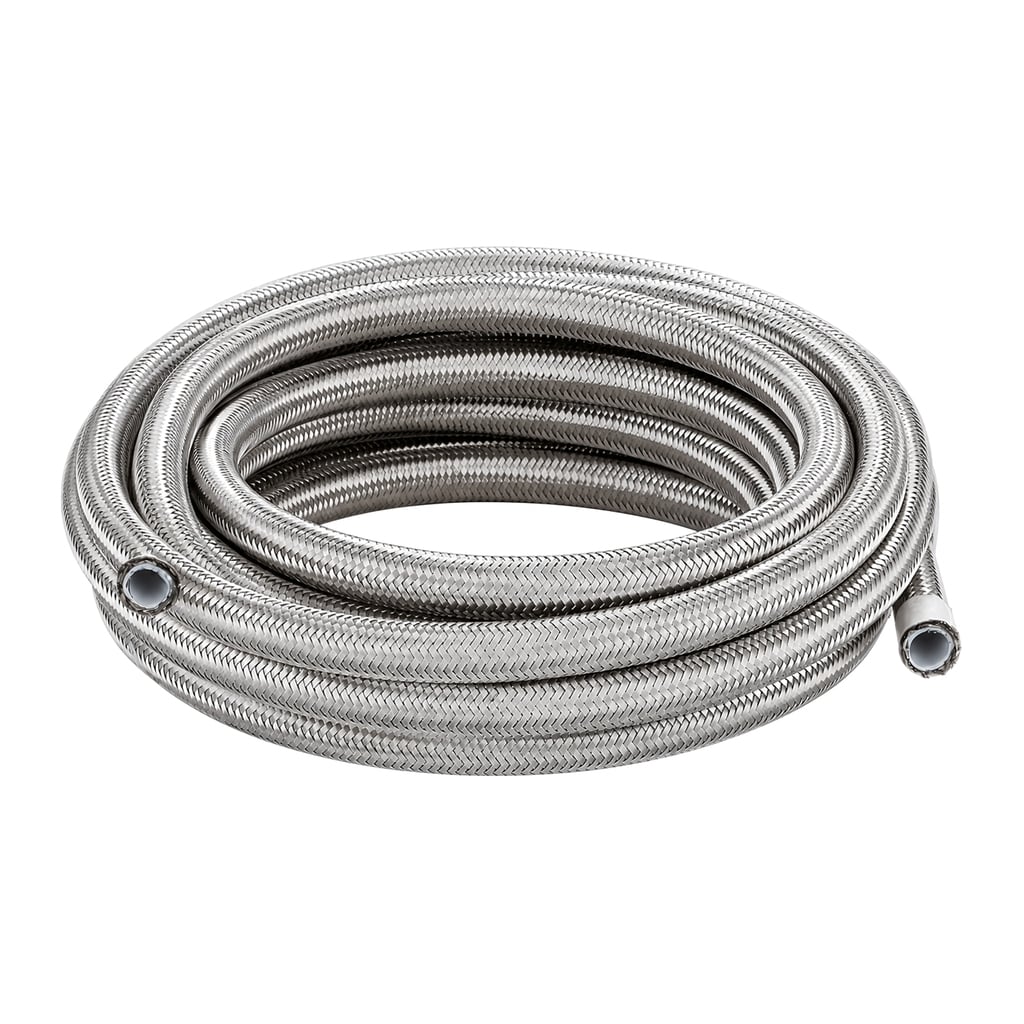
The installation process begins long before you connect the first fitting. Understanding high pressure hose specifications, materials, and applications specific to your system ensures you select the correct components and follow appropriate installation techniques. This comprehensive guide walks you through the complete installation workflow, from pre-installation assessment through final pressure testing and documentation, equipping you with the knowledge to execute a safe, reliable system that meets your operational demands and industry standards.
Before purchasing or installing any high pressure hose materials, conduct a thorough assessment of your system requirements. Determine the maximum operating pressure, fluid type, temperature range, and environmental conditions the hose will experience. Review the high pressure hose specifications provided by equipment manufacturers and regulatory bodies governing your industry. Document the required hose diameter, length, bend radius, and fitting types. This information directly influences which hose materials are suitable for your application and how you'll approach the installation process.
High pressure hose materials vary significantly in their durability, chemical compatibility, and performance characteristics. Stainless steel braided hoses offer excellent corrosion resistance and high pressure capability, making them ideal for harsh environments and demanding applications. PTFE-lined hoses provide superior chemical resistance and low friction, suitable for abrasive or reactive fluid applications. Synthetic rubber compounds deliver flexibility and cost-effectiveness for moderate pressure systems. Match the high pressure hose materials to your specific fluid type, pressure rating, and environmental conditions. Incompatible materials can lead to premature failure, leaks, or safety hazards. Consult material compatibility charts and pressure ratings before finalizing your selection.
Clean the installation area thoroughly to remove dust, debris, and contaminants that could compromise hose integrity or fitting connections. Inspect all fittings, adapters, and connection points for damage, corrosion, or defects before assembly. Lay out the high pressure hose system components in the order you'll install them, measuring twice to ensure accurate positioning and routing. Mark bend locations and support points along the hose run. Verify that the selected high pressure hose specifications match your fittings and equipment ports. Gather all necessary tools, including wrenches, torque specifications, and pressure testing equipment. Proper preparation prevents installation delays, reduces the risk of errors, and ensures a smooth assembly process.
Begin by installing fittings onto the hose ends using the crimp or thread specifications provided by the hose manufacturer. For crimped connections, use calibrated crimping equipment designed for your hose size and fitting type; improper crimping is a leading cause of system failures. For threaded connections, apply appropriate sealant tape or thread compound to prevent leaks. Install the complete high pressure hose assembly into its designated location, following the planned routing and bend radius specifications. Avoid sharp bends, kinks, or compression points that could damage the hose or restrict flow. Secure the hose along its length using cable clamps or support brackets positioned at intervals specified for your hose diameter and pressure rating. Ensure the high pressure hose materials remain protected from abrasion, ultraviolet exposure, and mechanical damage through proper routing and shielding.
After physically installing the high pressure hose system, conduct a comprehensive pressure test before operating under normal conditions. Begin with a low-pressure test to verify connection integrity and identify any obvious leaks. Gradually increase pressure in incremental steps, monitoring for leaks, unusual sounds, or movement indicating structural issues. The final pressure test should reach the system's maximum operating pressure and be held for a specified duration according to industry standards and equipment manufacturer guidance. Document all test results, pressure readings, and observations. Inspect all high pressure hose fittings, connections, and the hose body for any signs of leakage, bulging, or anomalies. If any irregularities appear, depressurize immediately and investigate the cause before proceeding. Only after successful pressure testing and visual inspection should the system be placed into service.
Different high pressure hose applications require compliance with specific regulatory standards and safety guidelines. Industrial hydraulic systems must meet ISO 6752 or equivalent standards specifying hose design, construction, and testing requirements. Aerospace applications demand compliance with AS1113 or similar aerospace-specific standards. Medical and food processing applications require FDA-approved materials and sterile handling procedures. Automotive racing applications require hoses rated for extreme pressure cycling and temperature fluctuations. Review the applicable standards for your specific high pressure hose applications before installation. Ensure all selected materials, fittings, and installation techniques align with these standards. Non-compliance creates legal liability, equipment damage risk, and potential worker safety hazards.
High pressure hose systems experience stress from repeated pressure cycles, temperature fluctuations, and mechanical vibration over their operational lifetime. Establish a preventive maintenance schedule that includes regular visual inspections, pressure testing, and documented record-keeping. Monitor the hose for external wear, discoloration, cracks, or loose fittings indicating degradation. Replace hoses approaching their manufacturer-recommended service life, even if they appear functional. Maintain detailed documentation of installation dates, pressure ratings, maintenance actions, and any modifications. This history supports troubleshooting if problems develop and demonstrates compliance with regulatory requirements. Proper maintenance extends system reliability, reduces unexpected failures, and protects worker safety throughout the hose assembly's operational life.
Consult your equipment manufacturer's documentation for recommended high pressure hose specifications including diameter, maximum pressure rating, temperature range, and fluid compatibility. Cross-reference these requirements with industry standards applicable to your field. If uncertainty exists, contact the hose manufacturer's technical support team with details about your operating conditions, fluid type, pressure profile, and environmental factors. They can recommend appropriate high pressure hose materials and specifications tailored to your exact requirements.
Hose manufacturers provide detailed compatibility charts correlating specific high pressure hose materials with common industrial fluids, oils, coolants, and specialty fluids. Obtain your hose's material compatibility documentation and cross-reference your fluid type or chemical composition against the approved list. For non-standard or specialty fluids, contact the manufacturer directly with the fluid's chemical composition and properties. Never assume material compatibility; incompatible combinations lead to hose degradation, leaks, and system failures.
Follow a staged pressure testing approach: conduct a low-pressure test first to verify basic connection integrity, gradually increase pressure through intermediate steps while monitoring for leaks, then perform the final high-pressure test at maximum operating pressure. Hold each pressure level for the duration specified in your equipment manual or applicable industry standard. Document all pressures, durations, and observations. Visually inspect the entire high pressure hose system during testing, looking for leaks, unusual movement, or structural anomalies before concluding the test successful.
