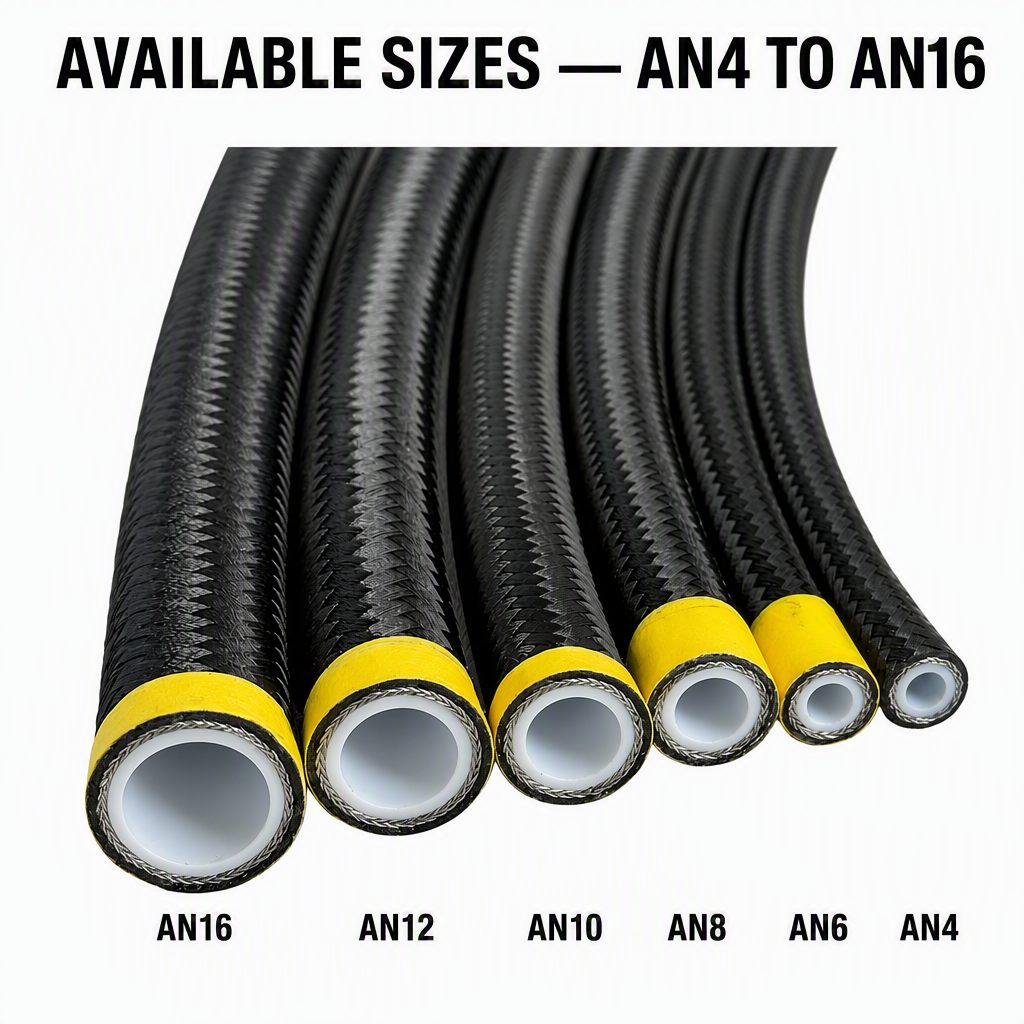
Proper installation of a ptfe braided hose is essential for ensuring optimal system performance, safety, and longevity in demanding industrial applications. Whether you are working with teflon braided tubing in hydraulic systems, chemical processing, or high-temperature fluid transfer, installation technique directly impacts reliability and operational efficiency. Improper installation can lead to leaks, premature wear, system failures, and costly downtime. This comprehensive guide walks you through every critical step of ptfe braided hose installation, from pre-assembly inspection through final pressure testing.
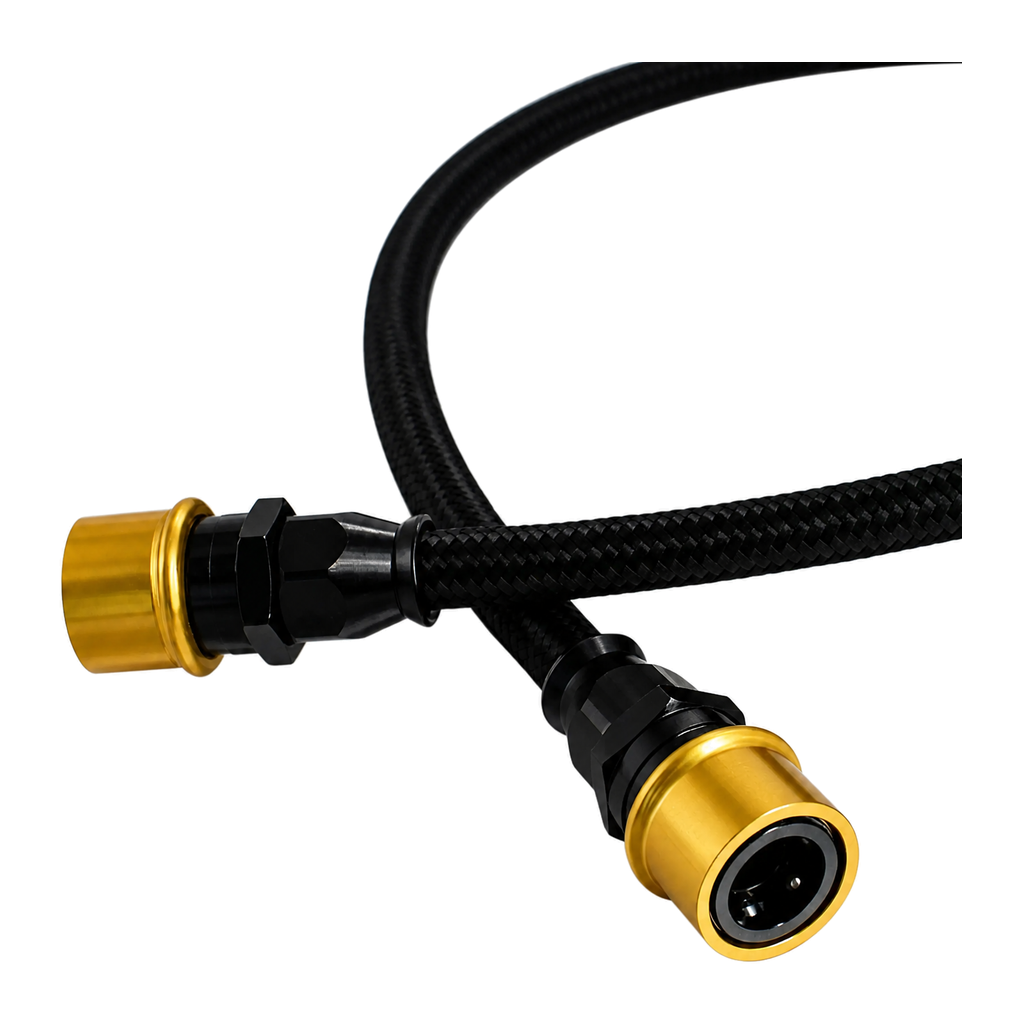
The installation process for teflon braided tubing requires attention to detail, proper equipment, and adherence to manufacturer specifications. A fluoropolymer hose assembly demands careful handling during every phase, from initial site preparation to connection and commissioning. Understanding the specific requirements of ptfe reinforced hose systems ensures you avoid common installation mistakes that compromise performance. This guide provides actionable insights for engineers, technicians, and maintenance teams responsible for fluid transfer system setup.
Pre-Installation Inspection and Preparation
Verify System Specifications and Hose Compatibility
Before beginning installation of your ptfe braided hose, confirm that all system specifications match the hose specifications. Check the operating pressure range, temperature limits, fluid compatibility, and hose diameter against your application requirements. Teflon braided tubing performance depends on matching the hose properties to the actual working conditions. Review the manufacturer documentation for your fluoropolymer hose assembly to identify any specific installation restrictions or preparatory requirements. Mismatched specifications can result in hose failure, leaks, or safety hazards.
Inspect All Components for Damage
Examine the ptfe reinforced hose, fittings, adapters, clamps, and all assembly components for visible defects, cracks, or contamination before installation begins. Any damage to the teflon braided tubing or fitting threads compromises the integrity of the entire assembly. Check that all connection points are clean and free of dust, dirt, or debris that could interfere with proper sealing. Store the fluoropolymer hose assembly in a clean, temperature-controlled environment until installation time. Damaged components must be replaced rather than reused.
Connection and Assembly Techniques
Prepare Fitting Surfaces and Threads
Clean all fitting threads and connection surfaces thoroughly before attaching your ptfe braided hose. Use a lint-free cloth and an appropriate degreasing solution to remove any manufacturing residue, protective coatings, or contaminants. Apply a thin layer of thread sealant compatible with your working fluid and the teflon braided tubing materials, following the manufacturer's recommendation on application quantity. Do not over-apply sealant, as excess material can contaminate the system or cause fitting leaks. Allow the sealant to cure for the recommended time before pressurizing the ptfe reinforced hose system.
Attach Hose Fittings Using Proper Torque
Hand-tighten all hose fittings first to ensure proper alignment of the ptfe braided hose and prevent cross-threading. Use a calibrated torque wrench to tighten each fitting connection to the manufacturer-specified torque value for the fluoropolymer hose assembly. Different fitting sizes and types require different torque specifications; refer to the fitting documentation for exact values. Over-tightening can damage the fitting or deform the internal seal of your teflon braided tubing connection. Under-tightening creates gaps that allow leaks to develop under pressure.
Position and Secure the Hose Assembly
Route the ptfe reinforced hose assembly along the planned path, keeping the hose away from sharp edges, moving machinery, and hot surfaces. Install protective sleeves or clamps at regular intervals to support the teflon braided tubing and prevent excessive flexing or vibration. Avoid creating tight bends that exceed the minimum bend radius specification for your fluoropolymer hose assembly. Secure the ptfe braided hose using clamps or brackets that distribute pressure evenly without pinching the hose. Check the entire routed assembly for any contact with rough surfaces or potential wear points before proceeding to pressure testing.
Testing and Commissioning
Perform Hydrostatic Pressure Testing
Before placing the ptfe braided hose system into service, conduct a hydrostatic pressure test at a pressure exceeding the maximum anticipated working pressure. Fill the system slowly with testing fluid while monitoring the teflon braided tubing and all connection points for any signs of leaking or weeping. Increase the pressure gradually to the test level and maintain it for the duration specified by the manufacturer for the fluoropolymer hose assembly. Any visible leakage from the ptfe reinforced hose or fittings indicates an installation defect that requires correction. Do not proceed to operation until all leaks are eliminated and the system passes the full pressure test without evidence of failure.
Inspect Final Installation and Document Results
After successfully completing pressure testing, conduct a final visual inspection of the entire ptfe braided hose installation. Verify that all clamps are secure, the hose routing is clear of hazards, and no new damage or wear has developed during testing. Record the test pressure, duration, date, and the name of the technician who performed the installation in your system maintenance log. This documentation supports warranty claims, compliance verification, and future troubleshooting if issues arise. Confirm that the teflon braided tubing and all fittings remain dry and secure before returning the system to normal operation.
FAQ
What is the minimum bend radius for a ptfe braided hose?
The minimum bend radius for ptfe braided hose depends on the hose diameter and construction. Most teflon braided tubing specifications recommend a minimum bend radius of four to six times the hose outer diameter. Exceeding the bend radius causes excessive internal stress, kinking, or collapse of the fluoropolymer hose assembly. Always consult the specific product documentation for your ptfe reinforced hose to determine the exact minimum bend radius requirement for your application.
Can teflon braided tubing be installed in outdoor or exposed environments?
Yes, fluoropolymer hose assembly can be installed outdoors, but protective measures are recommended. UV exposure can degrade the braiding material over time, so covering the ptfe braided hose with protective sleeves or tubing extends its service life. Temperature fluctuations in outdoor installations may also affect hose flexibility and connection integrity. Ensure the outdoor installation location does not expose the teflon braided tubing to direct impact, abrasion, or chemical spillage that could compromise the hose integrity.
How often should I inspect a ptfe reinforced hose after installation?
Routine inspection of ptfe braided hose systems should occur at least quarterly or as specified by your maintenance schedule. Look for signs of leaking, hose degradation, fitting corrosion, or clamp loosening on your teflon braided tubing installation. In high-vibration environments or demanding chemical processing applications, more frequent inspections of the fluoropolymer hose assembly are recommended. Document all inspections and any maintenance actions taken to maintain the ptfe reinforced hose system performance and safety record.
 EN