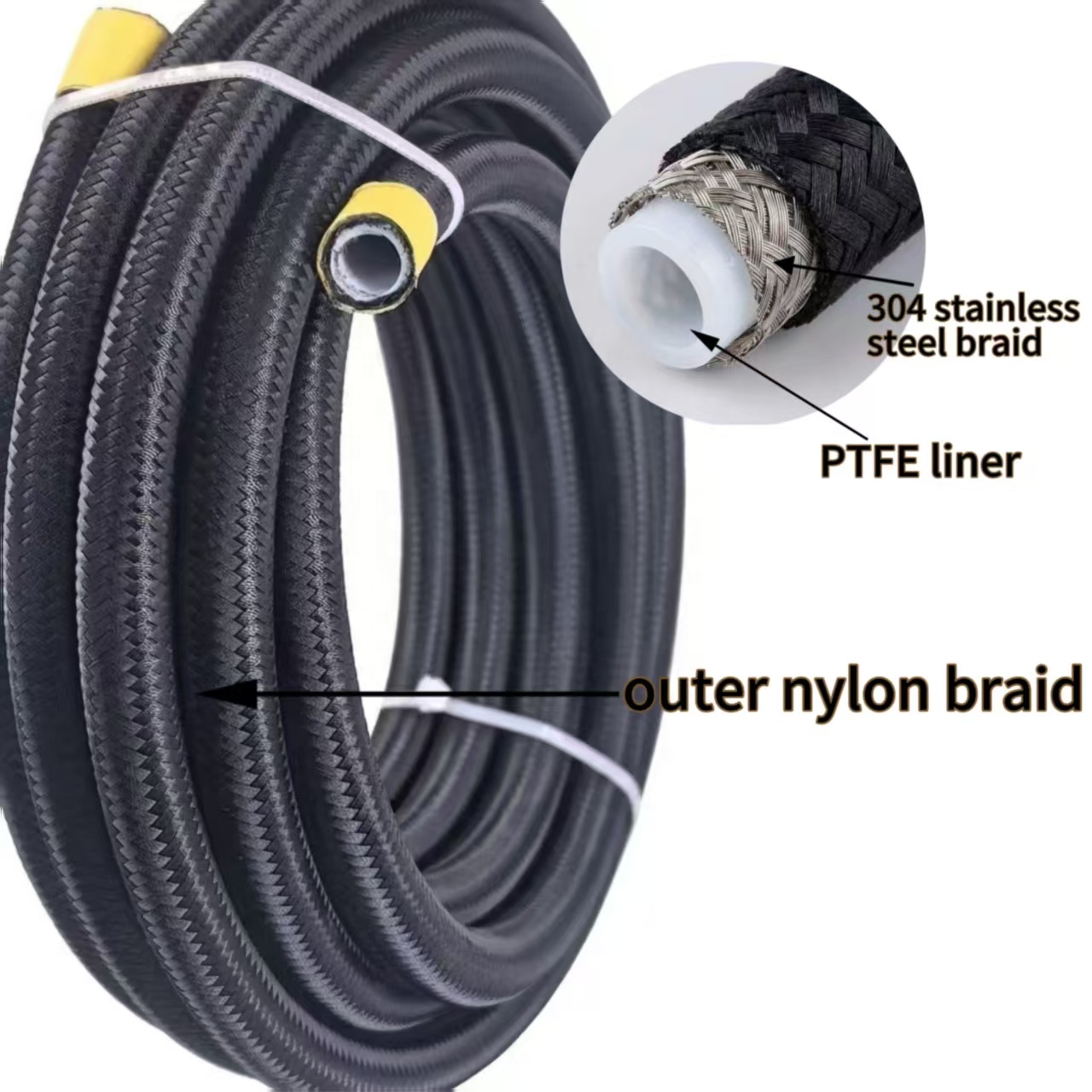
Installing a ptfe tube correctly is essential for achieving reliable fluid transfer performance in high-pressure industrial applications, automotive systems, and chemical processing environments. Improper installation can lead to leaks, reduced efficiency, premature wear, and potential safety hazards. Understanding the proper procedures ensures that your teflon tubing and fluoropolymer hose installations deliver consistent results and maximize component lifespan.
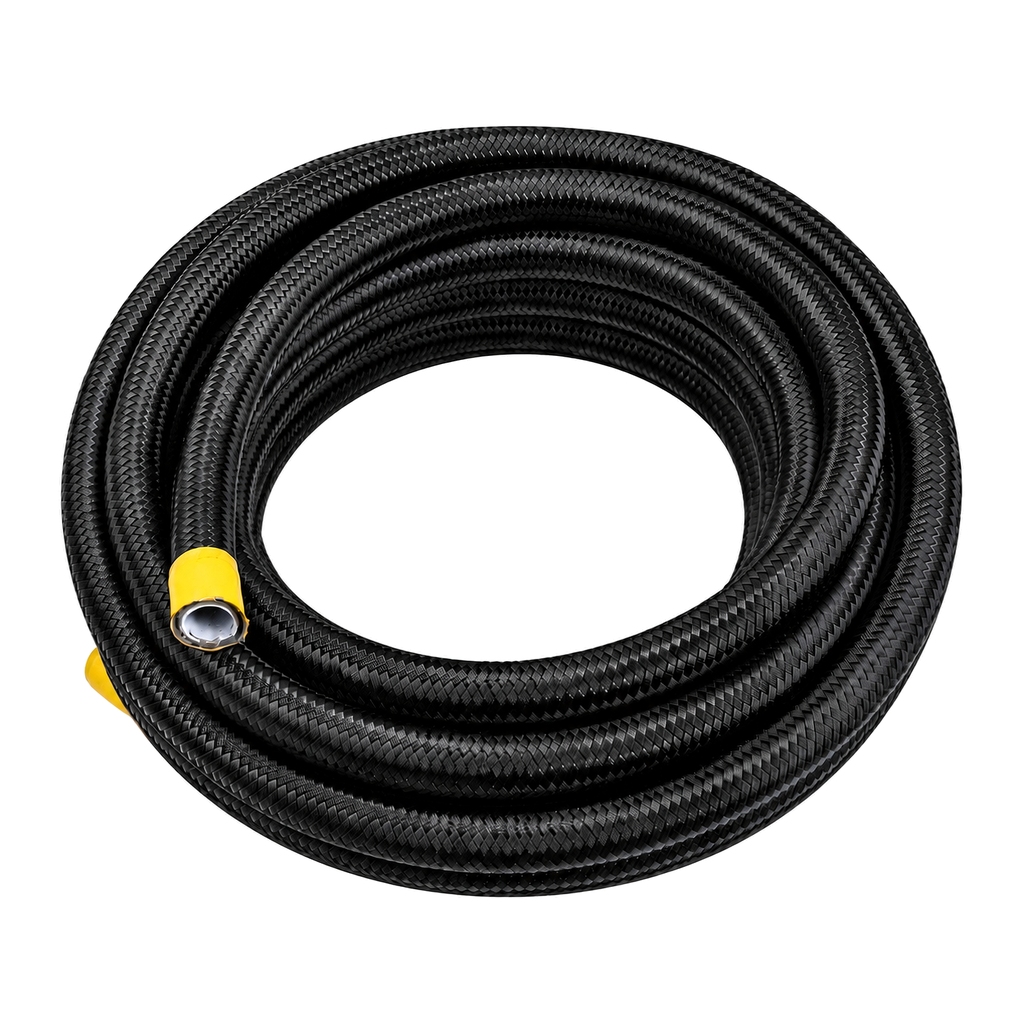
The process of properly installing ptfe tubing requires attention to several key factors, including connection methods, alignment techniques, pressure testing, and environmental considerations. This guide covers the fundamental steps, best practices, and critical checkpoints that industrial professionals and technicians should follow when working with teflon tubing and other fluoropolymer hose materials. Whether you're setting up a new system or replacing existing components, following these installation protocols will help ensure optimal performance and safety.
Pre-Installation Preparation and Material Inspection
Assessing System Requirements and Tube Specifications
Before beginning any installation work, you must verify that your ptfe tubing specifications match the system requirements. Check the operating pressure rating, temperature range, chemical compatibility, and tube diameter against your application's demands. Review the manufacturing documentation and certification details to confirm that your teflon tubing meets industry standards and regulatory requirements for your specific use case.
Inspect the tube condition thoroughly prior to installation. Look for visible damage, cracks, kinks, or manufacturing defects that could compromise performance. For fluoropolymer hose products, verify that all fittings, adapters, and connectors are included and undamaged. Check expiration dates and batch numbers to ensure material freshness, particularly important for ptfe tubing applications involving food, pharmaceutical, or medical applications where material degradation could affect safety.
Preparing the Installation Environment and Tools
Gather all necessary tools and equipment before starting the installation process. You will need appropriate wrenches or pliers, connector assemblies, sealant tape or thread compound (depending on your teflon tubing connection type), and pressure testing equipment. Ensure your workspace is clean and free from debris that could contaminate the tube interior or compromise connection integrity. For ptfe tubing applications in sensitive environments, maintain sterile or dust-free conditions as required.
Prepare the connection points on your system by cleaning them thoroughly and inspecting for corrosion or debris. Any existing residue, rust, or contaminants must be removed to establish proper seals with your fluoropolymer hose connections. Verify that all mounting brackets, clamps, and support structures are properly positioned and secure before introducing the ptfe tube into the system.
Connection and Routing Techniques for PTFE Tubing
Selecting and Executing the Right Connection Method
Different ptfe tubing applications require specific connection methods based on pressure requirements, material compatibility, and system design. Compression fittings are widely used for teflon tubing installations where the tube end is inserted into a fitting and compressed against a ferrule to create a leak-proof seal. For applications requiring higher reliability, swaged fittings permanently attach to the ptfe tube through a mechanical crimping process that deforms the tube end around the fitting. Understand your fluoropolymer hose connection type before beginning assembly.
When using threaded connections, apply appropriate thread sealant to male threads to prevent leaks. Wrap thread tape around the connection point in the correct direction, typically clockwise, to ensure proper seal formation. Tighten connections firmly but avoid over-torquing, which can strip threads or damage the teflon tubing end. For critical ptfe tubing applications, use a torque wrench calibrated to manufacturer specifications to achieve consistent connection integrity across your system.
Proper Routing and Support for Fluoropolymer Hose Systems
Route your teflon tubing carefully to avoid kinks, sharp bends, or excessive stress on connection points. The minimum bend radius for ptfe tube varies by tube diameter and construction type, so consult manufacturer guidelines to ensure your routing complies with specifications. Use clamps or supports every 12 to 18 inches along horizontal runs and more frequently on vertical installations to prevent excessive movement and vibration that could damage the fluoropolymer hose over time.
Avoid routing ptfe tubing near heat sources, sharp edges, or moving parts that could abrade or damage the tube material. If crossing high-temperature areas, use protective sheathing designed for your specific application. Keep the teflon tubing separated from other tubes and hoses using spacers or guides to prevent interference and allow adequate heat dissipation. For ptfe tubing applications in demanding environments, consider additional protective covers or conduit that protects against chemical exposure, UV radiation, or mechanical damage.
Pressure Testing and System Verification
Conducting Hydrostatic Testing and Leak Detection
After completing all connections and routing, perform a thorough hydrostatic pressure test on your ptfe tubing system. Begin with a low-pressure test at approximately 25 percent of the maximum operating pressure to identify any obvious leaks or connection issues. Gradually increase pressure to 50 percent, then 75 percent, and finally to the full operating pressure, holding each level for several minutes while inspecting all connections carefully.
Use pressure gauges positioned at strategic points throughout your teflon tubing system to monitor performance and detect pressure drops that indicate leaks. Apply a soapy water solution to all connections and suspicious areas to reveal any leaks through bubble formation. Document all pressure readings and inspection results in a system logbook for future reference and compliance purposes. For critical fluoropolymer hose applications, consider pressure-testing to 1.5 times the operating pressure to ensure maximum safety margins.
Final Inspection and Commissioning Procedures
Before placing the ptfe tube system into full operational service, verify that all connections remain tight and secure after pressure testing. Cool the system completely and recheck connection tightness, as thermal expansion and contraction during testing can affect connection integrity. Verify that all clamps and supports remain properly positioned and secure. Confirm that proper signage and identification labels are installed on your teflon tubing for safety and maintenance purposes.
Document the installation completion, including test results, connection specifications, and maintenance schedules for future reference. Establish a regular monitoring routine to inspect your ptfe tubing applications for signs of wear, leaks, or performance degradation. Train maintenance personnel on proper inspection procedures and corrective actions should issues arise. For systems operating under extreme conditions, schedule more frequent inspection intervals to ensure ongoing reliability and safety.
FAQ
What is the correct bend radius for PTFE tubing installation?
The minimum bend radius for ptfe tube depends on the tube outer diameter and wall thickness specified by the manufacturer. Generally, fluoropolymer hose should not be bent tighter than four to six times the outer diameter. Exceeding the minimum bend radius can cause kinks, reduce flow efficiency, and compromise the structural integrity of the teflon tubing. Always consult the technical documentation provided with your specific ptfe tubing product for exact bend radius specifications.
How do I prevent leaks at PTFE tube connections?
Preventing leaks in your ptfe tubing connections requires proper application of thread sealant, correct ferrule seating, and appropriate torque specifications. For threaded connections, wrap thread tape in the correct direction around male threads, applying three to four complete wraps for optimal seal formation. Ensure ferrules are clean and properly positioned before tightening compression fittings. Use a torque wrench to achieve manufacturer-specified tightness without over-torquing, which can damage teflon tubing ends and create leaks instead of preventing them.
What maintenance schedule should I follow for ptfe tubing applications?
Maintenance intervals for fluoropolymer hose systems depend on operating pressure, temperature, and chemical compatibility factors. Establish a monthly visual inspection schedule to check for visible leaks, cracks, or abrasion damage to your ptfe tube. Perform pressure tests annually or after any maintenance work to verify system integrity. Replace any damaged teflon tubing immediately and inspect surrounding connections for damage. For critical ptfe tubing applications, consider quarterly inspections and more frequent testing to maintain maximum system reliability and safety.
 EN