An intercooler is one of the most critical components in any turbocharged engine cooling system, yet it remains one of the most neglected during routine maintenance schedules. The intercooler efficiency directly impacts your engine's performance, fuel economy, and longevity. Without proper care, your turbocharged engine cooling efficiency diminishes rapidly, leading to increased engine temperatures, reduced power output, and potential mechanical damage.
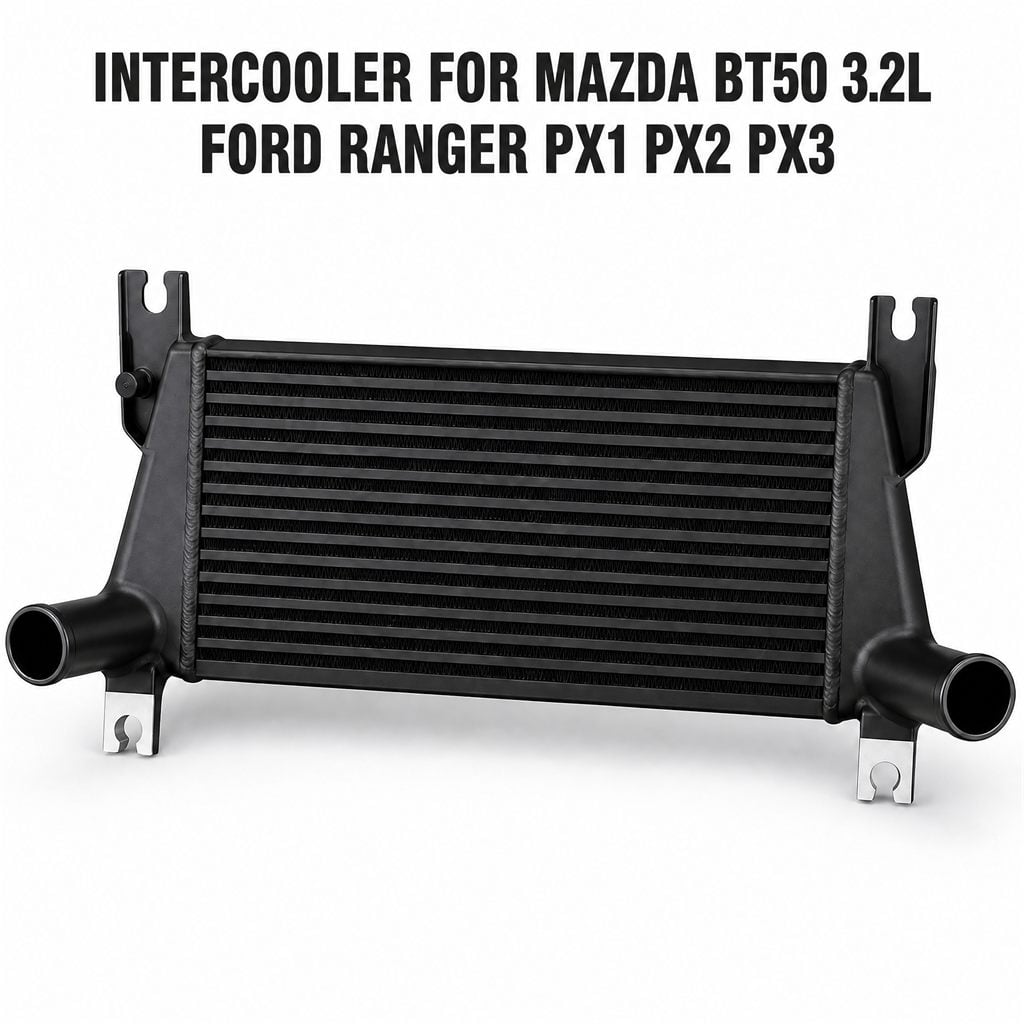
Proper intercooler maintenance is not complex, but it requires consistency and attention to detail. By understanding how your cooling system functions and implementing a structured maintenance routine, you can extend the life of your turbocharged engine and maintain optimal performance year after year. This guide walks you through every essential step of intercooler care.
Understanding Your Intercooler and Why Maintenance Matters
How Your Intercooler Works
Your intercooler efficiency depends on its ability to remove excess heat generated when the turbocharger compresses air before it enters the engine. Compressed air heats up dramatically, reducing oxygen density and engine efficiency. The intercooler cools this air by passing it through aluminum fins and tubes where engine coolant or ambient air absorbs the heat. When debris, sediment, or scale builds up inside, turbocharged engine cooling performance degrades significantly. Understanding this fundamental operation helps you recognize why intercooler maintenance is not optional.
Performance Impact of Neglect
When intercooler maintenance is skipped, internal passages become restricted by mineral deposits, rust particles, and accumulated contaminants. This blockage forces your engine to work harder to maintain boost pressure, consuming more fuel and generating additional stress on seals and gaskets. The turbocharged engine cooling efficiency drops, resulting in higher intake air temperatures that reduce combustion efficiency and increase engine knock. Over time, this thermal stress can crack aluminum components or cause gasket failure, leading to costly repairs that far exceed preventive maintenance costs.
Essential Intercooler Maintenance Steps
Regular Inspection and Visual Assessment
Begin intercooler maintenance by performing a visual inspection every six months or whenever you service your vehicle. Look for signs of corrosion, especially around connection points where different metals meet. Check hose clamps for tightness and examine rubber hoses for cracks, bulging, or leaks. If your cooling system uses air-to-air intercooler design, inspect the front fins for debris, dead insects, mud, or leaves that block airflow. Any discoloration on the intercooler surface or visible rust spots signal that internal corrosion may already be occurring, requiring immediate attention to prevent complete system failure.
Flushing and Coolant Management
Intercooler efficiency deteriorates when old coolant contains dissolved minerals and additives that precipitate as solids inside passages. Flush your intercooler system according to your vehicle manufacturer's interval, typically every 30,000 to 50,000 miles, or annually if the vehicle sits idle for extended periods. Use distilled water for the final rinse to eliminate mineral deposits that normal tap water would leave behind. Always replace your coolant with the manufacturer-recommended type and concentration. Using improper coolant creates scale buildup that directly reduces turbocharged engine cooling capacity and triggers temperature warning lights during heavy acceleration.
Cleaning External Fins and Passages
External fin cleaning is straightforward but effective intercooler maintenance. Every three months, use a soft brush or compressed air to remove dust and debris from the front-facing fins. For stubborn buildup, spray a gentle degreaser and rinse thoroughly with low-pressure water. Never use a pressure washer directly on fins, as high-pressure streams bend aluminum fins and permanently damage intercooler efficiency. If your vehicle frequently travels on dusty roads or in industrial environments, increase cleaning frequency to monthly intervals. Internal cleaning requires more expertise but becomes necessary every five years or if flush procedures fail to restore proper flow.
Protecting Your Cooling System Long-Term
Preventive Measures and System Protection
The best intercooler maintenance strategy focuses on prevention rather than repair. Install quality mesh screens in front of the intercooler to catch large debris before it enters the core. Use engine oil designed for turbocharged applications, as these formulations contain additives that protect internal engine components and reduce corrosion inside cooling passages. Monitor coolant pH levels regularly; acidic coolant accelerates corrosion while alkaline coolant leaves scale deposits. These preventive measures directly maintain intercooler efficiency and reduce the frequency of system flushes required throughout your vehicle's service life.
Professional Inspection Schedule
While routine intercooler maintenance falls within owner capabilities, professional inspection every two years reveals internal conditions that visual checks cannot detect. Technicians use flow testing equipment to measure actual turbocharged engine cooling performance and identify partial blockages before they become problems. Professional intercooler maintenance includes pressure testing hoses and connections for microscopic leaks that eventually lead to coolant loss and overheating. Some shops perform ultrasonic cleaning of heavily contaminated cores, restoring intercooler efficiency to near-original levels without requiring replacement of expensive components.
Common Intercooler Maintenance Mistakes to Avoid
Improper Coolant and System Incompatibility
One of the most common errors in intercooler maintenance is mixing different coolant types or using universal coolants that don't match your vehicle's specifications. Different coolant formulations contain incompatible additives that react when combined, creating sludge that clogs intercooler passages and dramatically reduces intercooler efficiency. Similarly, using plain water without proper corrosion inhibitors causes rapid oxidation inside aluminum cores, leading to rust particles that accelerate wear. Always consult your vehicle manual for the exact coolant specification and never deviate from this requirement, regardless of price or availability.
Ignoring Warning Signs and Delaying Repairs
Ignoring early intercooler maintenance signals turns minor issues into major problems. If your boost gauge reads lower than normal, your check engine light illuminates, or you notice decreased acceleration, your turbocharged engine cooling efficiency has already deteriorated. Continuing to drive under these conditions forces the turbocharger to work overtime, increasing internal temperatures and accelerating component wear. Delaying intercooler maintenance at this stage risks catastrophic turbocharger failure, which costs thousands to repair. Address warning signs immediately through professional diagnosis and appropriate maintenance action.
FAQ
How often should I perform intercooler maintenance on my turbocharged engine?
For most turbocharged vehicles, basic intercooler maintenance should occur every six months or with each oil change interval. More thorough intercooler efficiency checks should happen annually, while system flushing should occur every 30,000 to 50,000 miles depending on driving conditions and coolant type. Heavy-duty applications or vehicles operating in extreme environments may require quarterly inspections and more frequent intercooler maintenance to maintain optimal turbocharged engine cooling performance.
What are signs that my intercooler efficiency is declining?
Declining intercooler efficiency typically manifests as reduced turbocharger boost pressure, higher than normal intake air temperatures, decreased fuel economy, and loss of engine power during acceleration. You might also notice your engine fan running constantly or observe a visible temperature warning light on your dashboard. If your diagnostic scanner shows elevated coolant temperatures despite normal ambient conditions, your intercooler maintenance is overdue. Any combination of these symptoms warrants immediate professional inspection to diagnose the specific intercooler condition.
Can I clean my intercooler myself or should I use a professional?
Basic external cleaning and hose inspection fall within DIY capability and should be part of your regular intercooler maintenance routine. However, internal flushing, ultrasonic cleaning, and pressure testing require specialized equipment and technical knowledge best handled by experienced technicians. If you're uncomfortable working with cooling systems or lack proper tools, professional intercooler maintenance ensures proper procedures and protects your warranty. DIY maintenance can save money on routine inspections while professional service addresses complex issues that ensure your turbocharged engine cooling system remains reliable.
 EN

