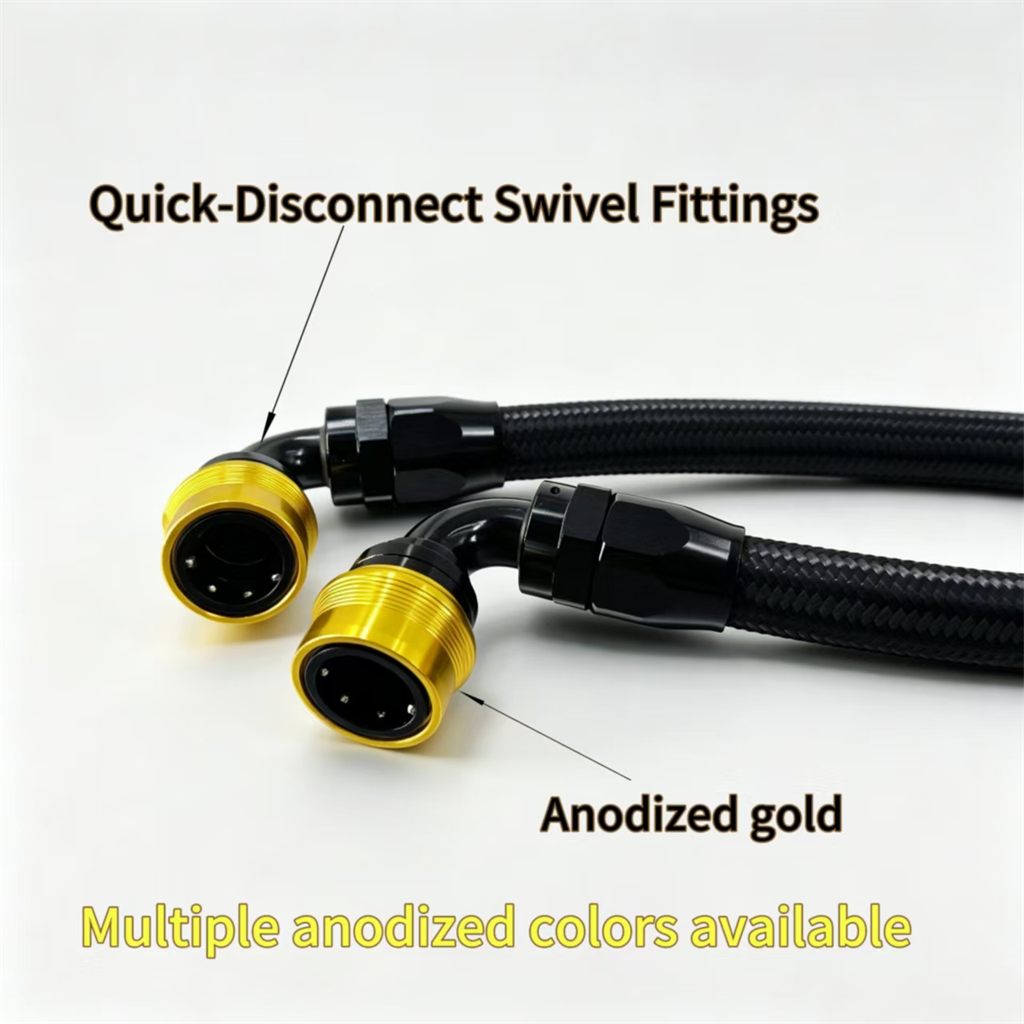
Proper maintenance of your hose assembly systems is critical for ensuring operational reliability, preventing costly downtime, and maximizing equipment lifespan in industrial applications. Whether you operate hydraulic systems, pneumatic lines, or fluid transfer networks, neglecting maintenance can lead to unexpected failures, safety hazards, and significant financial losses. A well-maintained hose assembly delivers consistent performance, maintains system integrity, and reduces emergency repair costs that can disrupt production schedules.
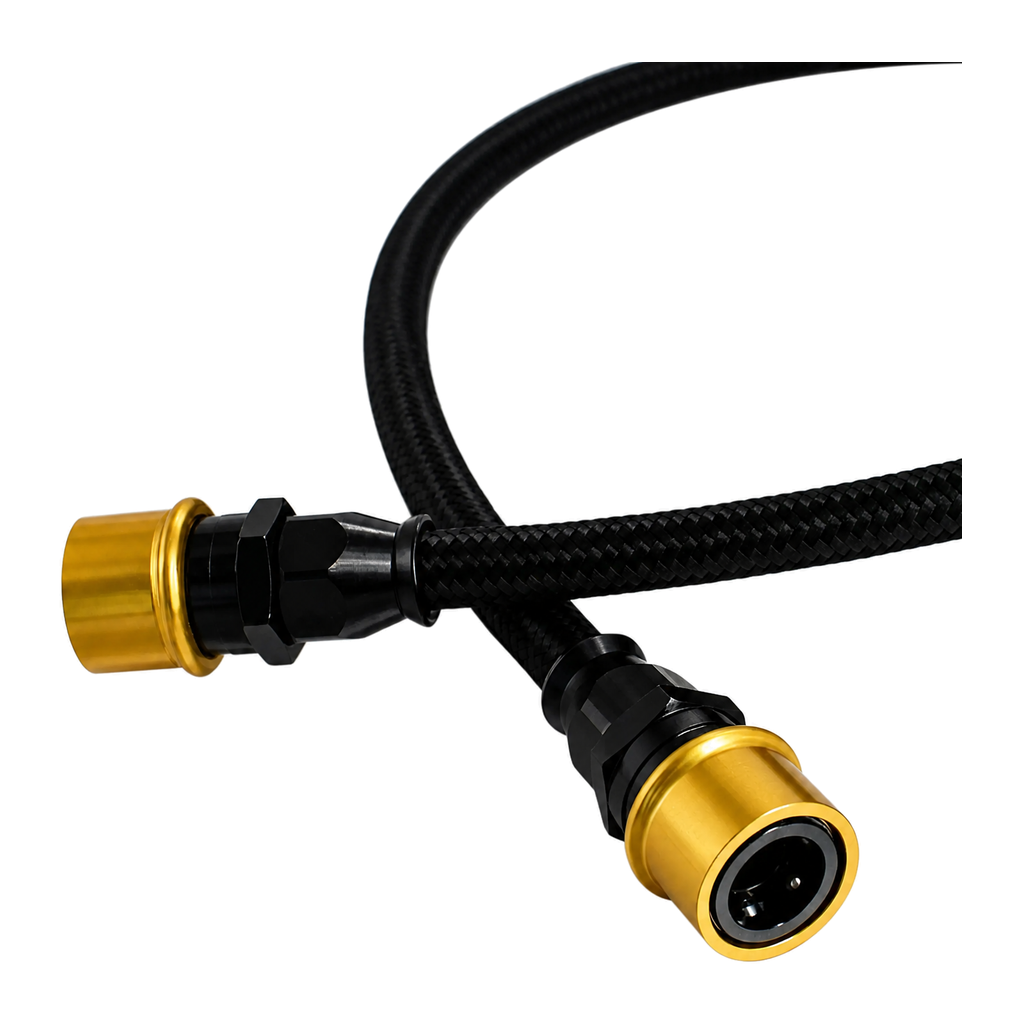
Industrial hose system components experience constant stress from pressure fluctuations, temperature variations, and chemical exposure. Regular maintenance identifies wear patterns early, prevents leaks before they become catastrophic, and ensures your hydraulic hose assembly operates within design specifications. This comprehensive guide walks you through essential maintenance practices, inspection protocols, and preventive measures that keep your hose fitting assembly performing reliably throughout its service life.
Regular Inspection and Visual Assessment
Identifying Early Warning Signs
Systematic visual inspection is your first line of defense against hose assembly failures. Look for cracks, bulges, blistering, or discoloration on the outer cover, which indicate internal degradation or material stress. Check hose fitting assembly connections for leaks, weeping, or fluid residue around connection points, as these suggest compromised seals or loose fittings. Surface damage from abrasion, UV exposure, or chemical contact may not seem serious initially but can accelerate deterioration and compromise the hose assembly's pressure ratings. Document observations and establish a baseline condition for each hose assembly to track changes over time.
Pressure and Performance Testing
Beyond visual checks, periodic pressure testing reveals internal conditions invisible to the naked eye. Modern industrial hose system diagnostics use hydrostatic or pneumatic testing to verify that hose assemblies maintain specified pressure ratings without leakage or deformation. These tests identify micro-cracks, internal corrosion, and material fatigue before catastrophic failure occurs. Many facilities perform pressure tests annually or after every major maintenance cycle. Thermal imaging can also detect hot spots along hydraulic hose assembly lines, indicating restricted flow or internal damage. Recording test results creates accountability and helps predict remaining service life for critical hose fitting assembly components.
Cleaning and Contamination Control
Fluid Contamination Management
Contaminated hydraulic fluid accelerates wear on hose assembly systems and reduces component lifespan dramatically. Implement a fluid filtration strategy that removes particulates, moisture, and chemical contaminants before they enter your industrial hose system. Filter hydraulic fluid regularly according to equipment manufacturer specifications and change filters at recommended intervals. Clean the area around hose fitting assembly connection points before disconnection to prevent dirt from entering the system during maintenance or repair. Many industrial facilities use mobile filtration units to recondition used hydraulic fluid, extending fluid life and protecting hose assembly integrity. Moisture control is equally important, as water in hydraulic systems promotes rust, corrosion, and bacterial growth that can degrade hose components.
External Cleaning Procedures
Keep the external surface of your hose assembly clean from oil buildup, dust, and debris that can trap moisture and accelerate outer cover degradation. Use mild detergent and soft cloths rather than abrasive materials that could damage the hose fitting assembly cover. Avoid high-pressure washers that can force water into connection points or damage the hose surface. For industrial hose system equipment in harsh environments, establish a weekly or bi-weekly cleaning schedule depending on dust levels and chemical exposure. Remove any protective wrapping or insulation carefully during cleaning to inspect underlying hose assembly conditions. Clean hose assemblies also allow technicians to identify new damage or wear patterns more easily during inspections.
Proper Storage and Environmental Control
Storage Best Practices for Unused Hose Assemblies
Store spare hose assemblies in climate-controlled areas away from direct sunlight, extreme temperatures, and corrosive chemicals. Ultraviolet light degrades rubber and synthetic materials in hose fitting assembly covers, reducing flexibility and increasing cracking risk. Temperature extremes cause material expansion and contraction that weakens seals and promotes internal stress. Coil hose assemblies loosely rather than tight wrapping, which can create permanent kinks that compromise flow and pressure ratings. Keep hose assembly spools on elevated racks to prevent ground contact that traps moisture and promotes corrosion of metal fittings. Label each hose assembly with installation date, material specifications, pressure rating, and maintenance history to prevent using expired components in critical applications.
Environmental Monitoring During Operation
Temperature fluctuations affect hydraulic hose assembly performance and material durability. Most industrial hose systems operate optimally between 40°C and 60°C; temperatures below freezing or above 80°C can accelerate material degradation in hose fitting assembly components. Route hose assemblies away from hot surfaces, direct flame, or extreme cold zones when possible. Insulate hose assemblies in areas where temperature swings are unavoidable. Chemical exposure from solvents, saltwater spray, or industrial fumes rapidly degrades outer cover materials in industrial hose system equipment. Apply protective sleeves or shielding when hose fitting assembly lines run through chemically aggressive environments. Monitor ambient conditions monthly and adjust environmental controls or hose assembly routing as needed.
Troubleshooting Common Hose Assembly Issues
Leak Detection and Repair Strategies
Leaks in hose assembly systems rarely resolve on their own and typically worsen rapidly, making early detection essential. Slow drips around hose fitting assembly connections often indicate loose fittings rather than hose damage; try tightening fittings with the proper wrench size before replacing components. Pressurized leaks that spray fluid suggest hose puncture, internal rupture, or damaged seals requiring immediate replacement. Never attempt to repair a pressurized leak by wrapping or patching; replace the entire hose assembly to prevent accidents and maintain system reliability. For hydraulic hose assembly lines, flush the system after repair to remove metal particles or contamination introduced during troubleshooting. Document all leaks, their location, and root cause to identify patterns in industrial hose system maintenance.
Hose Assembly Replacement Planning
Knowing when to replace a hose assembly prevents unexpected failures that cause costly downtime. Most industrial hose system components have recommended service lives of 5 to 10 years depending on material, operating conditions, and maintenance quality. Hose fitting assembly assemblies used in high-pressure or high-temperature applications often require replacement sooner than those in moderate-duty service. Create a replacement schedule based on age, usage hours, and condition assessment to plan maintenance proactively. Keep inventory of critical hose assemblies in stock to minimize production interruptions when replacement becomes necessary. Choose replacement hose fitting assembly components that match or exceed original specifications to maintain system performance and safety ratings.
FAQ
How often should I inspect my hose assembly systems?
Inspect your hose assembly at least monthly for visual damage, leaks, and pressure drops. High-pressure hydraulic hose assembly systems should be inspected every two weeks. Industrial hose system components in harsh environments or critical applications require weekly inspections or continuous monitoring systems. Document all findings to establish maintenance trends and predict replacement needs before failures occur.
What is the typical lifespan of a hydraulic hose assembly?
Most hydraulic hose assembly systems last between 5 and 10 years under normal operating conditions and proper maintenance. Hose fitting assembly lifespan depends on pressure ratings, temperature exposure, chemical compatibility, and environmental factors. High-temperature or high-pressure applications may reduce lifespan to 3 to 5 years. Industrial hose system components that receive proper storage, regular cleaning, and preventive maintenance often exceed recommended service life by 2 to 3 years.
Can I repair a damaged hose assembly or must I replace it completely?
Small external damage to the hose assembly cover may be manageable with protective wrapping in non-critical applications, but pressurized leaks or internal damage require complete replacement for safety. Hose fitting assembly connections can sometimes be re-tightened if leaks are minor. Never patch or repair a hydraulic hose assembly that carries pressurized fluid; replacement ensures system integrity and prevents accidents. Industrial hose system safety standards generally require replacement rather than field repair for pressure-containing components.
 EN