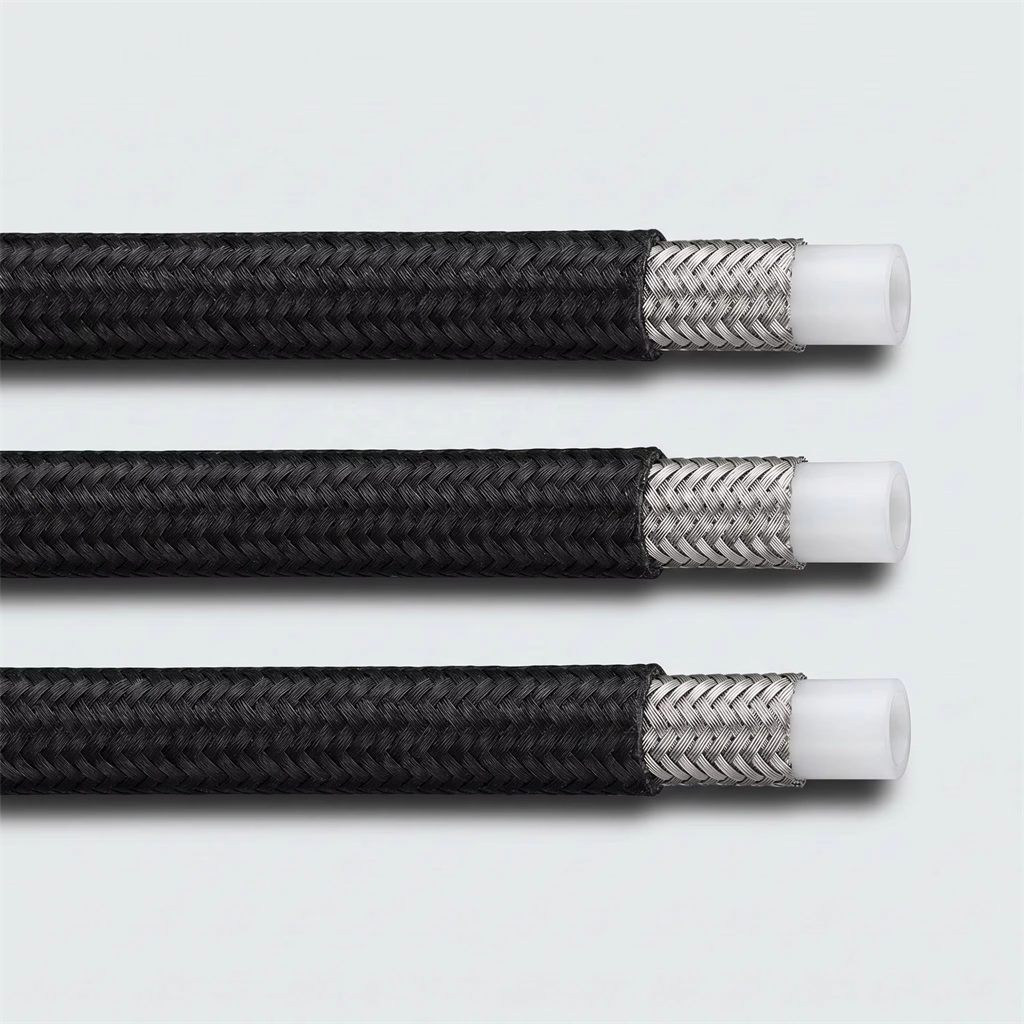
Proper maintenance of a ptfe braided hose is critical for maximizing service life, preventing unexpected failures, and ensuring safe fluid transfer in industrial systems. These hoses are engineered to withstand extreme temperatures, aggressive chemicals, and high-pressure environments, but their longevity depends entirely on how well they are maintained and monitored throughout their operational life. Understanding the fundamentals of maintenance helps prevent costly downtime and protects both equipment and personnel.
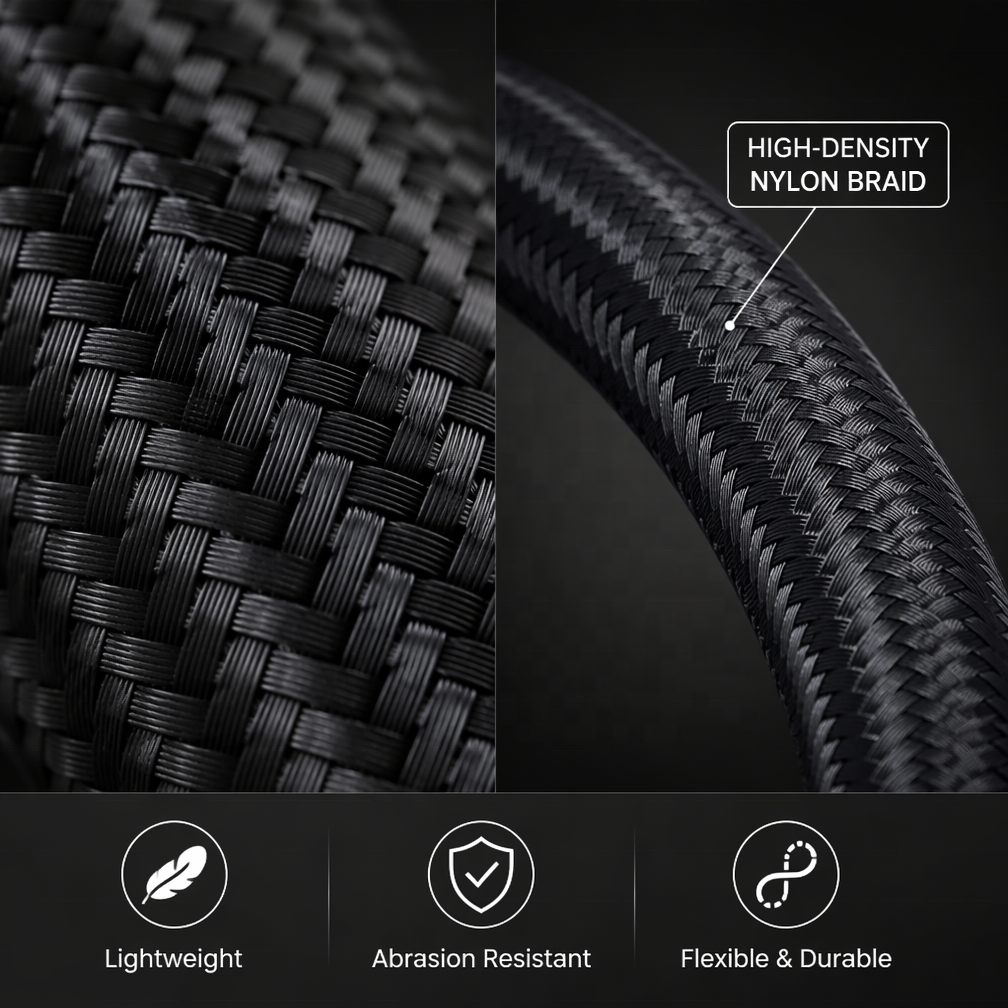
Regular inspection and preventive care routines form the backbone of an effective maintenance strategy. Whether you operate a chemical processing facility, pharmaceutical plant, or high-performance fluid transfer system, the principles of teflon braided tubing maintenance remain consistent. This guide walks you through inspection protocols, cleaning methods, storage best practices, and warning signs that indicate when replacement is necessary.
Understanding PTFE Braided Hose Composition and Durability
What Makes PTFE Braided Hoses Special
PTFE, commonly known as Teflon, forms the inner core of these hoses, providing exceptional chemical resistance and temperature stability. The braided outer layer typically consists of stainless steel, aramid fibers, or synthetic materials that add tensile strength and burst pressure capacity. This dual-layer design creates a fluoropolymer hose assembly that can operate reliably in conditions where standard rubber hoses would fail or degrade rapidly.
The reinforced structure of a ptfe reinforced hose makes it ideal for demanding industrial applications where exposure to solvents, acids, oils, and extreme heat is unavoidable. Understanding this composition helps technicians and maintenance teams recognize potential weak points and adjust their inspection frequency accordingly.
Temperature and Pressure Ranges
Most PTFE reinforced hose assemblies operate safely between minus 40 degrees Fahrenheit and 400 degrees Fahrenheit, though specific products may vary. Operating continuously at or near these temperature extremes accelerates material aging and requires more frequent inspection cycles. Pressure ratings typically range from 1000 PSI to 6000 PSI depending on the hose diameter, reinforcement type, and construction method used during manufacturing.
Exceeding rated pressure or temperature specifications significantly shortens hose lifespan and increases rupture risk. Proper maintenance includes verifying that operating conditions remain within manufacturer specifications and adjusting work schedules when environmental conditions are extreme.
Inspection Protocols for Early Problem Detection
Visual Inspection Techniques
Conduct visual inspections of your teflon braided tubing at least monthly, or more frequently if the system operates under severe conditions. Look for discoloration, swelling, surface cracks, or white crystalline deposits that may indicate chemical attack, improper storage, or age-related degradation. The braided exterior should appear intact without unraveled fibers, cuts, or areas where the braiding is separating from the PTFE core.
Pay close attention to areas near fittings, connection points, and any location where the hose bends or flexes regularly. These high-stress zones are prone to developing micro-tears that can propagate rapidly into larger failures. Documenting inspection findings in a maintenance log creates a historical record that helps predict when replacement becomes necessary.
Pressure and Leak Testing
A fluoropolymer hose assembly should never show signs of weeping, seeping, or active leaks during operation. Even small drips indicate that internal degradation or fitting damage has begun and replacement is imminent. Many facilities conduct annual hydrostatic pressure tests to verify that hose integrity remains within acceptable parameters and to catch developing weaknesses before catastrophic failure occurs.
Listening for unusual sounds during operation, such as hissing or crackling, also provides valuable diagnostic information. These acoustic signals often precede visible damage and warrant immediate investigation and possible isolation of the ptfe braided hose from the system.
Cleaning, Storage, and Maintenance Best Practices
Proper Cleaning Methods
When cleaning a ptfe reinforced hose assembly, use only mild soap and water unless the manufacturer specifies otherwise. Avoid harsh solvents, abrasive scrubbing, or high-pressure washers that may damage the braided layer or force contamination into the hose interior. Allow hoses to dry completely before returning them to service to prevent moisture-related corrosion of metal fittings and potential mold growth inside PTFE cores.
Never use steam cleaning or autoclave sterilization on standard PTFE braided tubing unless the hose has been specifically rated for these processes. Excessive heat exposure during improper cleaning can accelerate material degradation and compromise the structural integrity of the entire assembly.
Storage Conditions and Shelf Life
Store ptfe braided hose assemblies in cool, dark environments away from direct sunlight, ozone sources, and extreme temperature fluctuations. UV radiation and ozone exposure degrade the outer braiding and may cause surface embrittlement over time, even when the hose is not in active service. Coiling hoses for storage should follow gentle curves rather than tight loops that may create stress points and permanent deformation.
Most PTFE hoses have a shelf life of five to ten years under proper storage conditions, though the specific duration depends on environmental exposure and material composition. Rotating stock using first-in-first-out inventory management ensures that older hoses are put into service before newer ones. Even stored hoses should be inspected periodically to verify that storage conditions have remained appropriate and degradation has not begun.
Preventive Replacement Schedules
Establishing a preventive replacement schedule based on hours of service, fluid type compatibility, and operating temperature profiles helps avoid unexpected failures. A fluoropolymer hose assembly used in continuous high-temperature chemical service may need replacement every two to three years, while the same hose in moderate conditions might last five to seven years. Working with equipment suppliers and hose manufacturers to develop facility-specific replacement timelines optimizes reliability and cost-effectiveness.
FAQ
How often should I inspect my PTFE braided hose systems?
Inspect teflon braided tubing at least monthly under normal operating conditions, and weekly or daily if the system handles hazardous fluids, operates at temperature extremes, or carries critical processes. High-risk applications such as pharmaceutical or semiconductor manufacturing may warrant continuous automated monitoring combined with formal visual inspections every shift.
What fluid types are compatible with PTFE reinforced hose assemblies?
PTFE reinforced hose components are compatible with virtually all industrial fluids including aggressive solvents, acids, bases, oils, fuels, and cryogenic liquids. However, certain specialty fluids or unusual chemical combinations may require consultation with the hose manufacturer to verify compatibility. Always confirm that fittings and braiding materials are also chemically compatible with your specific application to ensure full assembly reliability.
When is it time to replace a PTFE braided hose?
Replace your ptfe braided hose immediately if you observe leaks, visible cracking, discoloration, swelling, unraveling braiding, or any indication of internal degradation. Pressure tests that show dropping ratings over successive years also signal that replacement should be scheduled soon. Do not wait for catastrophic failure; proactive replacement during planned maintenance windows prevents safety incidents and unscheduled downtime.
 EN