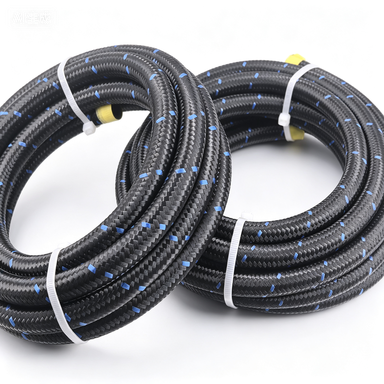
Proper storage and maintenance of rubber tubes is essential for ensuring their longevity, performance, and safety in industrial and commercial applications. Whether you work with flexible rubber hoses in manufacturing, construction, or utility operations, understanding how to care for these components can significantly reduce replacement costs and prevent unexpected equipment failures. Many facility managers and operations teams overlook basic maintenance practices, leading to premature degradation and costly downtime.
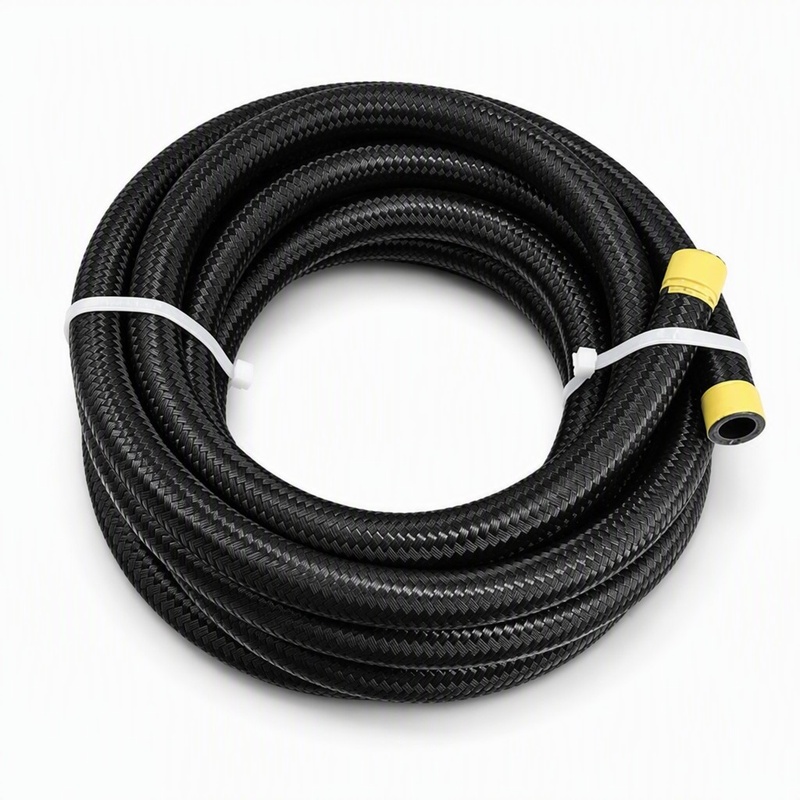
Industrial rubber tubing requires deliberate care to maintain structural integrity and functionality throughout its service life. Environmental factors such as temperature fluctuations, UV exposure, ozone, and chemical contact can degrade rubber compounds if not properly managed. This guide provides actionable strategies for storing and maintaining high-pressure rubber conduits to maximize their operational reliability and cost-effectiveness across diverse industrial settings.
Optimal Storage Conditions for Rubber Tubes
Temperature and Humidity Management
Rubber tubes perform best when stored in controlled environments with stable temperature ranges between 50 and 80 degrees Fahrenheit. Extreme heat accelerates oxidation and can cause the rubber to become brittle or lose elasticity, while excessive cold can make flexible rubber hoses stiff and prone to cracking. Humidity levels should remain between 40 and 60 percent to prevent moisture absorption and mold growth on the tube surfaces.
When storing flexible rubber hoses outdoors or in uncontrolled spaces, utilize weather-resistant covers or storage racks that shield the tubes from direct sunlight and precipitation. Temperature swings of more than 30 degrees Fahrenheit between day and night can cause stress on the rubber material, so insulated storage areas are preferable for critical industrial applications. Consistent environmental conditions help preserve the chemical properties of the rubber compound and prevent premature deterioration.
Light Protection and Chemical Exposure
Ultraviolet light and ozone are primary culprits in rubber degradation, causing surface cracking and reduced flexibility over time. Store all industrial rubber tubing away from direct sunlight and fluorescent lighting when possible. If outdoor storage is necessary, cover the tubes with opaque tarps or place them in covered storage facilities designed to block UV and ozone sources.
Keep high-pressure rubber conduits away from oils, solvents, fuels, and harsh chemicals that can soften or penetrate the rubber material. Chemical compatibility varies by rubber compound type, so verify that storage areas are free from incompatible substances. Even vapors from nearby chemical storage can degrade rubber tubes over extended periods, so segregate them in dedicated storage zones whenever feasible.
Regular Maintenance Practices for Industrial Rubber Tubing
Inspection and Cleaning Protocols
Conduct visual inspections of your rubber tubes at least quarterly to identify early signs of wear, cracks, bulges, or discoloration. Look for surface contamination, dirt buildup, or residue that could trap moisture against the tube surface. Clean the exterior of industrial rubber tubing with mild soap and water using soft brushes or cloths, avoiding abrasive materials that could damage the outer layer.
Pay special attention to connection points, fittings, and any areas where the tube bends or flexes during normal operation. These high-stress zones are more susceptible to failure and require extra scrutiny. Remove any accumulated dust or sediment before it hardens or penetrates the rubber surface, as this can accelerate deterioration and reduce the effective lifespan of flexible rubber hoses used in demanding industrial environments.
Pressure Testing and Performance Verification
For high-pressure rubber conduits, establish a periodic pressure testing schedule to ensure they meet original specifications and can safely handle operational demands. Many industrial standards recommend testing annually or biannually, depending on application severity and regulatory requirements. Document all test results to track performance trends and identify tubes that may need replacement before they fail in service.
Monitor flow rates and pressure drops across industrial rubber tubing systems to detect internal degradation that may not be visible externally. Unexpected changes in performance can indicate microcracks, internal separations, or contamination that compromise the tube's integrity. Replace any tubes showing anomalies promptly to prevent system failures and maintain safety margins in high-pressure applications requiring reliable performance from flexible rubber hoses.
Storage Arrangement and Handling Techniques
Proper Positioning and Support Systems
Store rubber tubes in horizontal positions on smooth, level racks or stands that distribute weight evenly along the length of the tubing. Avoid stacking heavy items on top of the tubes, as compression can cause permanent deformation and reduce effective working pressure. Elevated storage racks reduce contact with contaminated floors and minimize exposure to spills or water accumulation.
Coil or loop industrial rubber tubing in large, gentle curves rather than tight spirals that can create stress points and kinks. Tightly coiled tubes develop weak spots that fail prematurely when pressure is applied during operation. Allow adequate spacing between coils and adjacent tubes to permit air circulation and prevent moisture trapping in confined storage areas.
Handling Safety and Transportation
When moving or transporting high-pressure rubber conduits, handle them carefully to avoid sharp impacts or crushing forces that could damage the internal structure. Train personnel on proper lifting techniques and the importance of protecting the tube ends with protective caps to prevent contamination and injury hazards. Use padded vehicles or storage containers for transport to minimize vibration and mechanical stress during movement.
Implement clear labeling systems on all stored rubber tubes with installation dates, pressure ratings, and maintenance records. This documentation helps operators quickly identify tubes that require replacement or inspection and ensures compliance with industry standards. Maintain an organized inventory system so that older tubes are used first, reducing the likelihood of storing tubes beyond their recommended service life.
FAQ
What is the ideal storage temperature for rubber tubes?
The ideal storage temperature for rubber tubes ranges between 50 and 80 degrees Fahrenheit. Temperatures outside this range accelerate rubber degradation through oxidation in heat or embrittlement in cold. Consistent temperature control significantly extends the lifespan of flexible rubber hoses and industrial rubber tubing in storage.
How often should I inspect high-pressure rubber conduits?
Inspect high-pressure rubber conduits at least quarterly, or more frequently in demanding industrial environments. Regular visual checks, pressure testing annually or biannually, and performance monitoring help catch deterioration early. Documented inspections create records that demonstrate proper maintenance and ensure safety compliance across your operations.
Can rubber tubes be stored outdoors?
Rubber tubes can be stored outdoors temporarily with proper protection using opaque covers or tarps that block UV light and ozone. However, indoor storage in controlled environments is strongly preferred for extended periods. Outdoor exposure accelerates surface cracking and material degradation, so outdoor storage should only be used as a short-term solution with weather protection in place.
 EN