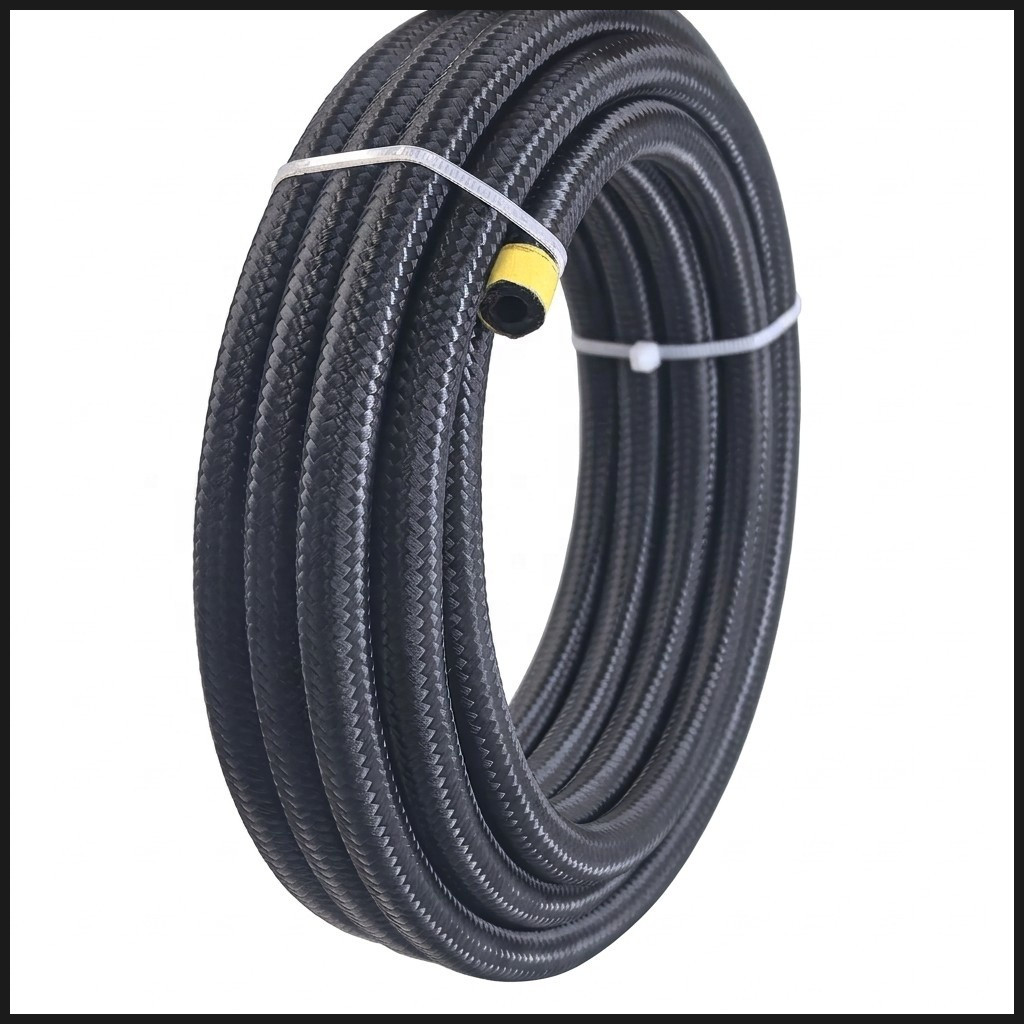
Proper storage of rubber hoses is essential for maintaining their integrity, performance, and longevity in industrial environments. Whether you work with chemical resistant hoses or standard rubber hoses used in routine industrial hose applications, understanding the right storage methods can significantly extend their functional lifespan and prevent costly premature failures. Improper storage exposes hoses to degradation from UV light, temperature fluctuations, ozone, and chemical contamination, all of which compromise their structural integrity and reliability when you need them most.
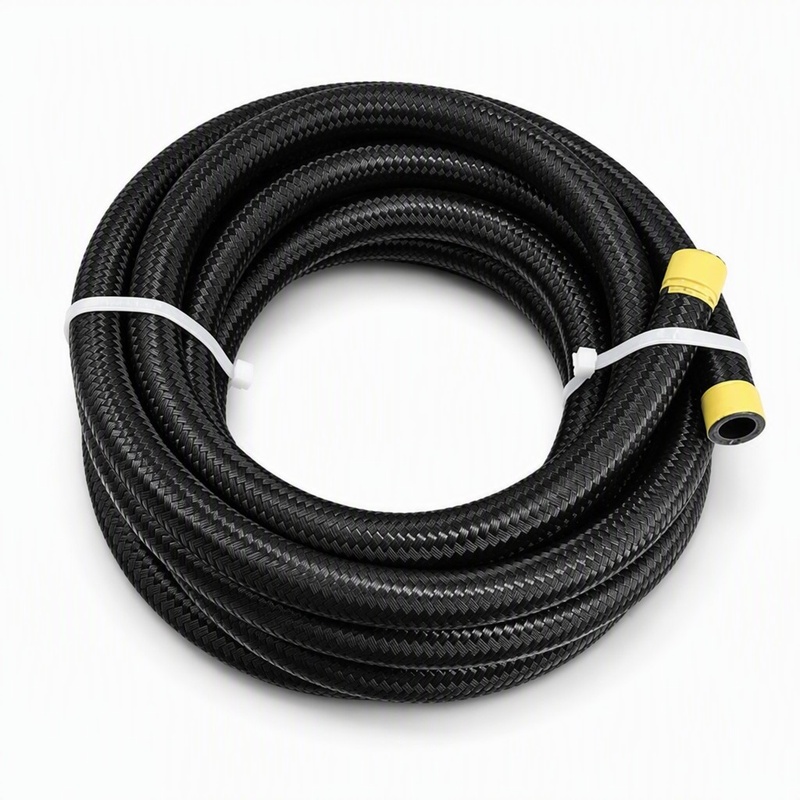
The foundation of effective hose storage begins with environmental control. Rubber hoses must be stored in temperature-controlled spaces away from direct sunlight, extreme heat, and moisture. Temperature stability between 50 and 85 degrees Fahrenheit protects rubber compounds from accelerated aging and brittleness. Additionally, the storage location should maintain low humidity levels to prevent mold growth, corrosion of metal fittings, and water absorption into the hose material itself.
Environmental Storage Conditions
Temperature and Humidity Control
Temperature extremes pose significant risks to rubber hose durability. Excessive heat accelerates chemical reactions within the rubber compound, causing it to degrade faster and lose elasticity. Cold temperatures make rubber brittle and susceptible to cracking when flexed. Humidity control is equally critical for industrial hose applications, as moisture intrusion can corrode brass fittings, promote internal mold growth, and weaken the hose structure over extended storage periods. Warehouses with climate-controlled environments, sealed storage cabinets, or covered outdoor structures with proper ventilation offer the best protection for maintaining hose integrity.
UV Light and Ozone Protection
Ultraviolet radiation and atmospheric ozone are primary enemies of rubber compound stability. Prolonged UV exposure causes surface cracking, hardening, and loss of flexibility in standard rubber hoses. For chemical resistant hoses and specialized formulations, UV degradation still occurs, though at different rates depending on the specific compound. Store all hoses indoors or under opaque covers away from windows and direct sunlight. If outdoor storage is necessary, use weatherproof tarps or storage sheds that block UV penetration while maintaining adequate air circulation to prevent moisture buildup.
Physical Storage Arrangements
Hose Coiling and Support Methods
How you physically arrange rubber hoses during storage directly affects their shape recovery and pressure rating retention. Coil hoses loosely in their natural direction without forcing them into tight spirals, which creates internal stress and weakens the hose structure. Use horizontal storage racks or wall-mounted holders that support hoses without sharp bends or kinks. Hanging rubber hoses vertically can cause permanent deformation at suspension points, so distribute support evenly along the hose length. For long-term storage, rotate hose orientation periodically to prevent flat spots and permanent shape distortion that compromises hose pressure ratings during future use.
Separation and Organization
Organize stored rubber hoses by type, diameter, hose pressure ratings, and intended application. Chemical resistant hoses require separate storage from standard industrial hoses to prevent cross-contamination and ensure proper identification during emergency use. Label each hose clearly with diameter, working pressure rating, date of manufacture, and chemical compatibility information. This organization system prevents installation errors in industrial hose applications and ensures operators select the correct hose for specific tasks. Store smaller hoses separately from larger ones to optimize rack space and improve inventory accessibility.
Material Compatibility and Chemical Storage
Protection from Chemical Exposure
Chemical resistant hoses must be stored away from aggressive substances, solvents, and industrial chemicals that cause premature degradation. Even when hoses are not in use, proximity to volatile chemical vapors or spilled liquids can damage the rubber compound and reduce hose pressure ratings over time. Store chemical resistant hoses in dedicated sections of your facility where exposure to petroleum products, aggressive cleaners, and reactive compounds is minimized. Ventilation systems should continuously remove chemical vapors from storage areas to protect all stored hoses from atmospheric contamination.
Inspection and Maintenance During Storage
Regular inspection intervals during storage prevent problems from going undetected. Every three to six months, examine rubber hoses for signs of hardening, cracking, discoloration, or mold growth. Check fittings for corrosion or loosening that might compromise hose integrity. Perform physical tests to verify flexibility and elasticity remain within acceptable ranges for the intended industrial hose applications. Document all inspection findings to track hose condition over time and make informed decisions about retirement or continued use. Early detection of degradation prevents dangerous failures in critical applications where hose pressure ratings must be maintained.
FAQ
How long can rubber hoses be stored without degradation?
Most rubber hoses maintain acceptable performance for five to ten years when stored under ideal conditions with proper temperature control, UV protection, and low humidity. However, this timeline varies based on the specific rubber compound, storage environment quality, and intended industrial hose applications. Chemical resistant hoses may have different aging curves compared to standard materials. Manufacturers typically specify maximum storage periods, and hose pressure ratings should be reverified after extended storage to ensure safe operation.
What is the best orientation for long-term hose storage?
Horizontal storage on ventilated racks is generally superior to vertical hanging, which creates permanent deformation at suspension points. When stored horizontally, hoses distribute their weight evenly along the full length, preventing pressure point damage that compromises hose pressure ratings. Ensure racks have sufficient spacing to allow air circulation and prevent moisture accumulation. If space constraints require vertical storage, use padded support clamps positioned at regular intervals to distribute weight and maintain hose shape integrity during extended storage periods.
Can chemical resistant hoses be stored together with standard rubber hoses?
Separate storage of chemical resistant hoses and standard rubber hoses is strongly recommended to prevent cross-contamination and maintain clear inventory control. Chemical resistant hoses are formulated for specific industrial hose applications involving aggressive substances, and proximity to incompatible chemicals can degrade either type. Dedicated storage areas with appropriate ventilation and environmental controls ensure each hose type remains protected from substances that could reduce their hose pressure ratings or functional lifespan. Clear labeling and physical separation minimize installation errors in critical industrial applications.
 EN