 EN

how-to-select-nbr-rubber-hose-for-your-system-needs, how-to-select-nbr-rubber-hose-for-your-system-needs, /news
EN
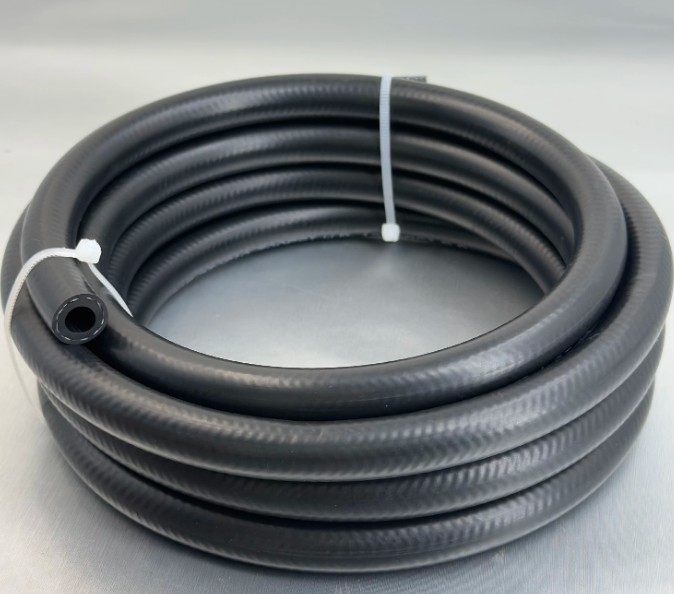
Choosing the right NBR rubber hose for your industrial system is a critical decision that directly impacts operational efficiency, safety, and maintenance costs. NBR, or nitrile butadiene rubber, has become the preferred material across countless industries due to its exceptional durability and chemical resistance. The selection process requires understanding your system's specific pressure ratings, temperature ranges, fluid compatibility, and environmental conditions. Making an informed choice prevents costly downtime, system failures, and safety hazards.
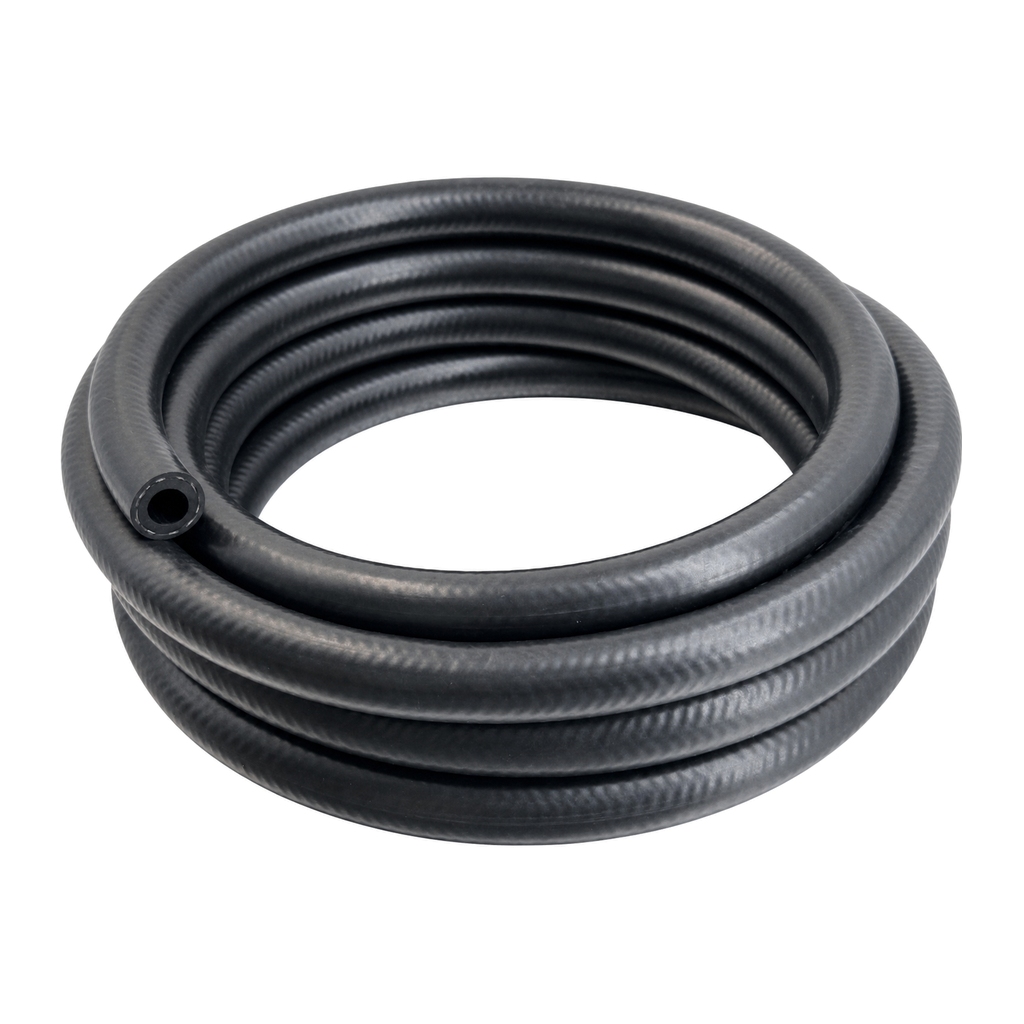
Industrial applications demand hoses that perform under demanding conditions, where failure is not an option and reliability directly affects safety, uptime, and operating costs. Nitrile rubber tubing excels in environments where oil resistance and temperature stability are essential, making it a preferred choice for engineers and maintenance teams who need dependable performance in harsh settings. Its resistance to oils, fuels, and many industrial chemicals, combined with its ability to withstand a wide range of temperatures, allows it to maintain flexibility and integrity even under continuous or heavy-duty use. Whether you're managing hydraulic systems, fuel lines, or pneumatic applications, understanding the fundamentals of hose selection ensures your system operates reliably and avoids the downtime, leaks, and safety hazards that come with unsuitable components. Each application places different demands on a hose—hydraulic systems require high pressure tolerance, fuel lines demand chemical compatibility, and pneumatic applications call for flexibility and consistent airflow—so the selection process must account for pressure ratings, temperature ranges, material compatibility, and environmental conditions. This guide walks you through the key factors that distinguish high-performance synthetic rubber hose applications from inadequate solutions. By examining material properties, construction methods, certification standards, and real-world performance benchmarks, it helps you recognize what separates a hose built for demanding industrial use from one that merely meets minimum specifications. With this understanding, you can make informed decisions that extend equipment life, reduce maintenance costs, and keep your operations running smoothly.
Oil resistant rubber hoses made from nitrile rubber demonstrate superior resistance to petroleum-based fluids, making them the industry standard for fuel systems and hydraulic applications. Unlike natural rubber or other synthetic alternatives, nitrile rubber maintains its structural integrity when exposed to oils, greases, and fuel products. This chemical resistance prevents swelling, degradation, and premature failure. The molecular structure of nitrile rubber creates a tight barrier against oil penetration, ensuring long-term reliability in harsh operating environments.
NBR rubber hose systems operate effectively across a wide temperature range, typically from minus 40 to 120 degrees Celsius, depending on specific formulations and reinforcement layers. Pressure ratings vary based on hose construction, wall thickness, and wire or fiber reinforcement. Understanding these performance boundaries is essential when selecting nitrile rubber tubing for your application. Exceeding temperature or pressure limits compromises hose integrity and creates safety risks.
Calculating the required pressure rating is fundamental to NBR rubber hose selection. Industrial systems operate at different pressure levels, from low-pressure pneumatic applications to high-pressure hydraulic circuits. Wire-reinforced hoses provide superior pressure containment compared to spiral or single-braid configurations. Selecting hose with adequate reinforcement prevents ruptures, leaks, and catastrophic system failures. Always consult your equipment manufacturer's specifications and system design requirements when determining appropriate pressure classes.
Different fluids require different hose compositions within the synthetic rubber hose applications category. Hydraulic oils, transmission fluids, brake fluids, and fuel products each demand specific nitrile rubber formulations to ensure compatibility and longevity. Temperature zones where the hose operates influence which specific NBR compound best serves your needs. Hot zones near engines or cooled areas in climate-controlled facilities present different challenges. Mismatched fluid-to-hose compatibility leads to swelling, softening, or hardening of the tubing, reducing service life dramatically.
Accurate hose diameter sizing prevents flow restriction, pressure loss, and excessive heat generation in your system. Oil resistant rubber hoses must accommodate the calculated flow rates at acceptable velocities without creating turbulence. Connection methods, including crimped fittings, compression couplings, and flanged adapters, must match your system design and operating pressures. Incorrect sizing or improper installation introduces leaks, increases maintenance requirements, and reduces overall system efficiency.
Industrial environments present unique challenges for nitrile rubber tubing installation. Exposure to sunlight, ozone, extreme weather, vibration, and chemical splash zones accelerates degradation. Routing hoses away from heat sources, sharp edges, and abrasive surfaces extends service life significantly. Space limitations sometimes require bending the hose, and minimum bend radius specifications must be observed to prevent kinking and internal damage. NBR rubber hose configurations must account for thermal expansion and contraction in systems experiencing wide temperature fluctuations.
Nitrile rubber tubing offers exceptional oil resistance, temperature stability, and durability compared to natural rubber or other synthetics. Its resistance to petroleum products, ozone, and oxidation makes it ideal for industrial fluid transmission. NBR rubber hose maintains consistent performance across demanding environments where other materials degrade rapidly.
Review your system's maximum operating pressure specification and select oil resistant rubber hoses rated at least 1.5 to 2 times higher than peak system pressure. This safety factor prevents failure during pressure spikes and ensures long hose service life. Always consult equipment manuals and hose manufacturer specifications for your specific application.
NBR rubber hose performs reliably within its rated temperature range, typically minus 40 to 120 degrees Celsius. However, continuous exposure to extreme temperatures reduces hose lifespan. Selecting hose formulations specifically engineered for your temperature zone ensures optimal performance and extended service intervals in your system.
