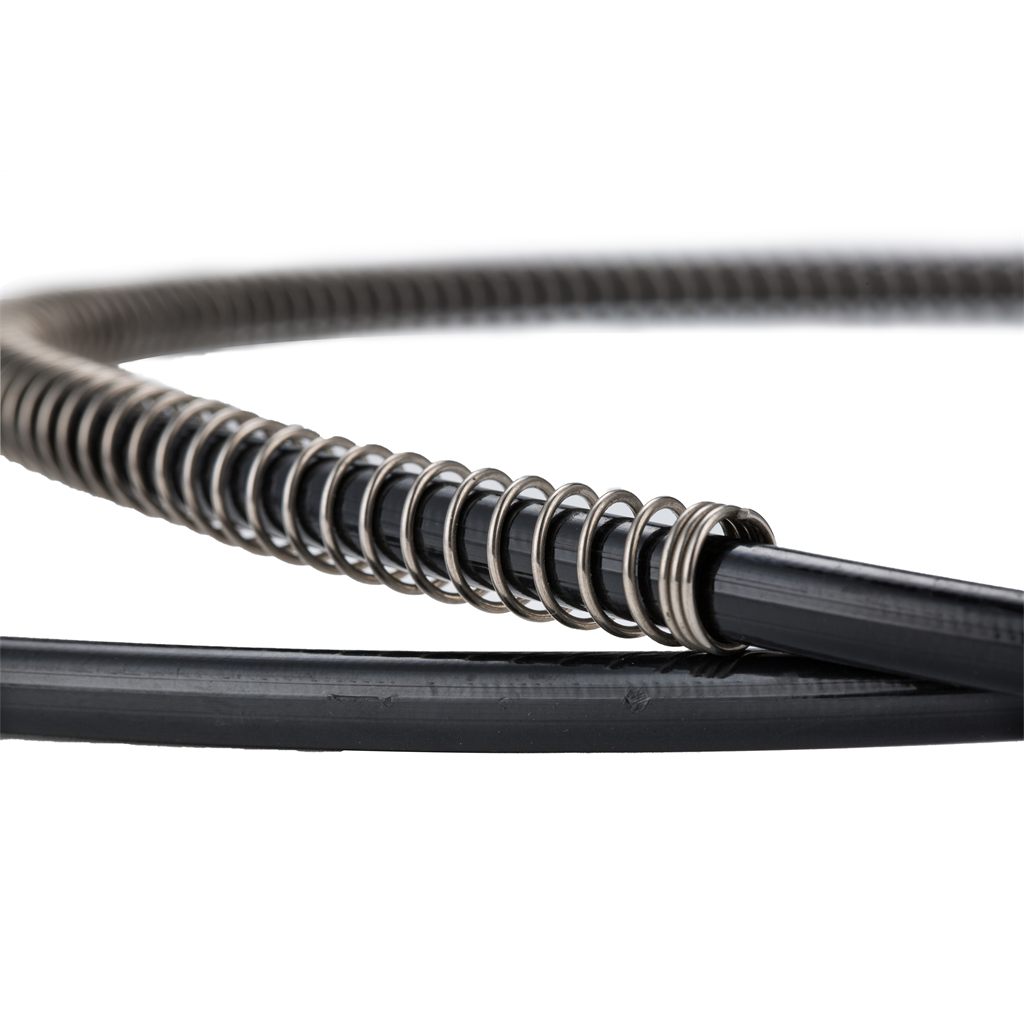
Choosing the right custom brake hose size is a critical decision that directly impacts vehicle safety, braking response, and system reliability. Whether you're upgrading a performance vehicle, restoring a classic car, or building a custom motorcycle, selecting the proper hose diameter, length, and material composition determines how effectively your hydraulic brake tubing performs under demanding conditions. Incorrect sizing can lead to insufficient brake pressure, delayed response, fluid leakage, and potential safety hazards on the road or track.
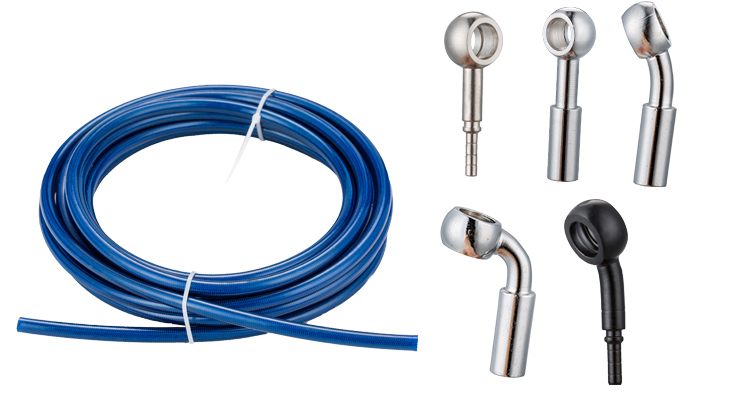
The process of selecting a custom brake hose involves understanding your vehicle's specifications, brake system requirements, and the performance characteristics you need to achieve. Braided brake lines offer enhanced durability and appearance compared to standard rubber hoses, but they require precise sizing to function correctly within your system. This guide walks through the essential factors that influence hose selection, from DOT brake hose specifications and tubing dimensions to pressure ratings and connector compatibility.
Understanding Brake System Requirements and Pressure Ratings
Identifying Your System's Pressure Specifications
Every vehicle brake system operates within specific pressure ranges determined by the master cylinder size, brake components, and vehicle weight. Your system's maximum operating pressure directly influences the burst pressure rating required for your custom brake hose. Hydraulic brake tubing must exceed this pressure threshold by a safety margin, typically rated at four to six times the maximum system pressure. DOT brake hose specifications establish minimum requirements, but performance applications often demand higher ratings to ensure reliability during extreme braking events and temperature fluctuations.
To identify your system's pressure requirements, consult your vehicle's technical documentation or contact the brake system manufacturer. Most automotive systems operate between 800 to 1,200 PSI, while high-performance racing applications can exceed 2,000 PSI. Braided brake lines rated for higher pressures provide safety margins and consistency, preventing hose expansion that can reduce braking feel and response. Recording your system's specifications before purchasing ensures that your custom brake hose meets or exceeds these critical performance thresholds.
Compatibility with Existing Components
Your custom brake hose must interface seamlessly with existing brake components including calipers, master cylinders, proportioning valves, and distribution blocks. DOT brake hose specifications define standard thread sizes and connector types, but variations exist across vehicle platforms and aftermarket systems. Braided brake lines come with different AN fittings, JIC threads, or metric connections, requiring verification before purchase. Mismatched connectors result in improper seating, leak points, and potential system failure, compromising both safety and performance.
Measure the existing connections on your vehicle's brake components carefully. Take note of thread pitch, fitting diameter, and orientation requirements at each connection point. If upgrading to braided brake lines, confirm that the AN sizes align with your original hose specifications. Many performance applications require adapters or specialized fittings to maintain proper interface with original equipment, adding complexity but ensuring compatibility and reliability.
Hose Diameter and Length Selection Criteria
Determining the Correct Hose Diameter
Hydraulic brake tubing diameter directly affects brake pressure distribution, response time, and system capacity. Standard passenger vehicles typically use hoses ranging from three-sixteenths to five-sixteenths inch internal diameter, while high-performance and racing applications may employ half-inch or larger hoses. A custom brake hose that is too small restricts fluid flow, creating longer brake lag and inconsistent pedal feel. Conversely, oversized hoses introduce excess fluid volume, requiring more pedal travel to build pressure and delaying braking response.
Selecting the correct diameter involves matching your system's design specifications and performance objectives. If your vehicle originally specified three-eighths inch hoses, upgrading to braided brake lines in the same size maintains hydraulic characteristics while improving durability and appearance. For custom builds or performance modifications, consult with brake system specialists or reference manufacturer recommendations for your specific caliper and master cylinder combination. This ensures that your custom brake hose diameter optimizes pressure buildup, pedal modulation, and overall system performance.
Calculating Accurate Hose Routing and Length
Hose length must accommodate proper routing through your vehicle's frame, suspension, and engine bay while maintaining minimum bending radii to prevent kinking and fluid restriction. Measure from the master cylinder to each caliper using the existing hose path as a reference, adding two to four inches for connector installation and minor routing adjustments. Braided brake lines have minimum bending specifications that differ from standard rubber hoses; exceeding these radii can compromise the braided jacket and internal tubing integrity. Over-length hoses create unnecessary fluid volume and routing challenges, while under-length hoses cause excessive tension and potential fitting stress.
Use flexible measuring tape to trace the intended path from master cylinder to caliper, accounting for suspension movement through the vehicle's full range of travel. Mark critical clearance points near suspension components, frame edges, and engine bay obstacles. A custom brake hose cut slightly longer than measured allows for final positioning without stretching, reducing installation stress. Many performance applications benefit from professional hose assembly services that ensure precise length, correct routing, and proper fitting installation.
Material Selection and DOT Brake Hose Specifications
Comparing Braided vs. Standard Hose Construction
Braided brake lines offer superior abrasion resistance, reduced expansion under pressure, and enhanced aesthetic appeal compared to traditional rubber hoses. The woven steel or stainless steel exterior protects the inner tubing from damage while providing visual performance enhancement. Standard rubber hoses expand under pressure, creating a softer pedal feel and slight response delay due to hose expansion absorbing some hydraulic energy. DOT brake hose specifications permit both rubber and braided construction, but modern performance applications increasingly favor braided alternatives for their superior consistency and durability.
Braided brake lines maintain pressure more effectively by minimizing hose expansion, translating to improved brake modulation and pedal firmness. This characteristic proves particularly valuable in high-performance driving, track events, and motorsport applications where consistent braking response is essential. The aesthetic advantages also appeal to custom builders seeking visual distinction and professional appearance. When selecting between braided and standard hoses, consider your performance objectives, environmental exposure, and long-term durability requirements alongside initial cost considerations.
Meeting DOT Brake Hose Specifications and Safety Standards
DOT brake hose specifications establish minimum performance standards for all brake system hoses distributed in the United States, including pressure ratings, temperature resistance, and fluid compatibility requirements. DOT certified hoses meet rigorous testing protocols ensuring reliability under extreme conditions. When purchasing a custom brake hose, verify DOT certification and burst pressure ratings exceed your system's maximum operating pressure by at least the required safety margin. Non-compliant or substandard hoses introduce serious safety risks including sudden brake failure, fluid leakage, and loss of vehicle control.
Hydraulic brake tubing must also resist degradation from brake fluid, temperature fluctuations, and environmental contaminants. Ensure that your custom brake hose material composition matches your brake fluid type, whether DOT3, DOT4, or synthetic alternatives. Some hose materials degrade when exposed to incompatible fluid formulations, compromising integrity and performance. Always purchase from reputable manufacturers who provide complete technical specifications, including DOT certification numbers, burst pressure ratings, temperature limits, and fluid compatibility documentation.
FAQ
What size custom brake hose should I order if I cannot find my vehicle's specifications?
Contact the brake component manufacturer or consult online resources specific to your vehicle platform. Many aftermarket brake system suppliers provide sizing guides organized by vehicle make, model, and year. If working with a custom build, consult with the master cylinder and caliper manufacturers to determine appropriate hose sizes based on your system's design pressure and flow requirements. Professional brake shops can also evaluate your existing hoses to determine proper sizing for replacement or upgrade scenarios.
Can I mix different braided brake lines materials in the same system?
While technically possible, mixing materials is not recommended for optimal performance consistency. Braided brake lines made from stainless steel and those made from galvanized steel have different pressure expansion characteristics and durability profiles. Maintaining uniform hose material and construction throughout your brake system ensures consistent pedal feel, pressure response, and reliability. If upgrading from rubber to braided brake lines, replace all system hoses with matching braided alternatives rather than mixing construction types.
How do DOT brake hose specifications relate to my performance upgrade requirements?
DOT brake hose specifications establish minimum baselines for road-legal street vehicles, but performance and motorsport applications often require higher burst pressure ratings and superior expansion characteristics than DOT standards mandate. Performance-oriented hydraulic brake tubing typically exceeds DOT minimums, providing additional safety margins for track use, extreme braking events, and high-temperature conditions. When upgrading your brake system for performance, select hoses exceeding DOT specifications and matching or exceeding your system's maximum operating pressure requirements by the appropriate safety factor.
 EN