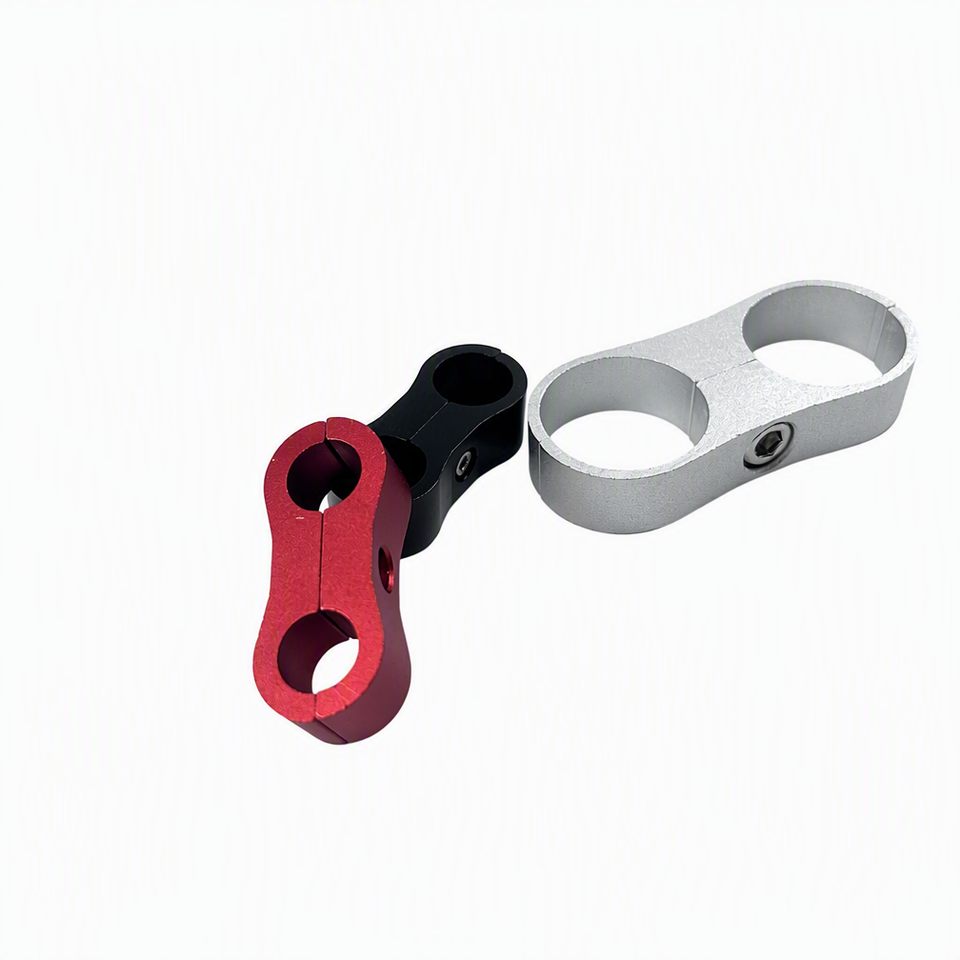
Selecting the right hose clamp size is critical for ensuring secure connections and preventing leaks in fluid transfer systems. Whether you're working in automotive, industrial, or agricultural applications, an incorrectly sized clamp can lead to hose slippage, rupture, or system failure. The process of choosing the appropriate hose clamp requires understanding your application requirements, measuring hose dimensions accurately, and matching them to available clamp specifications.
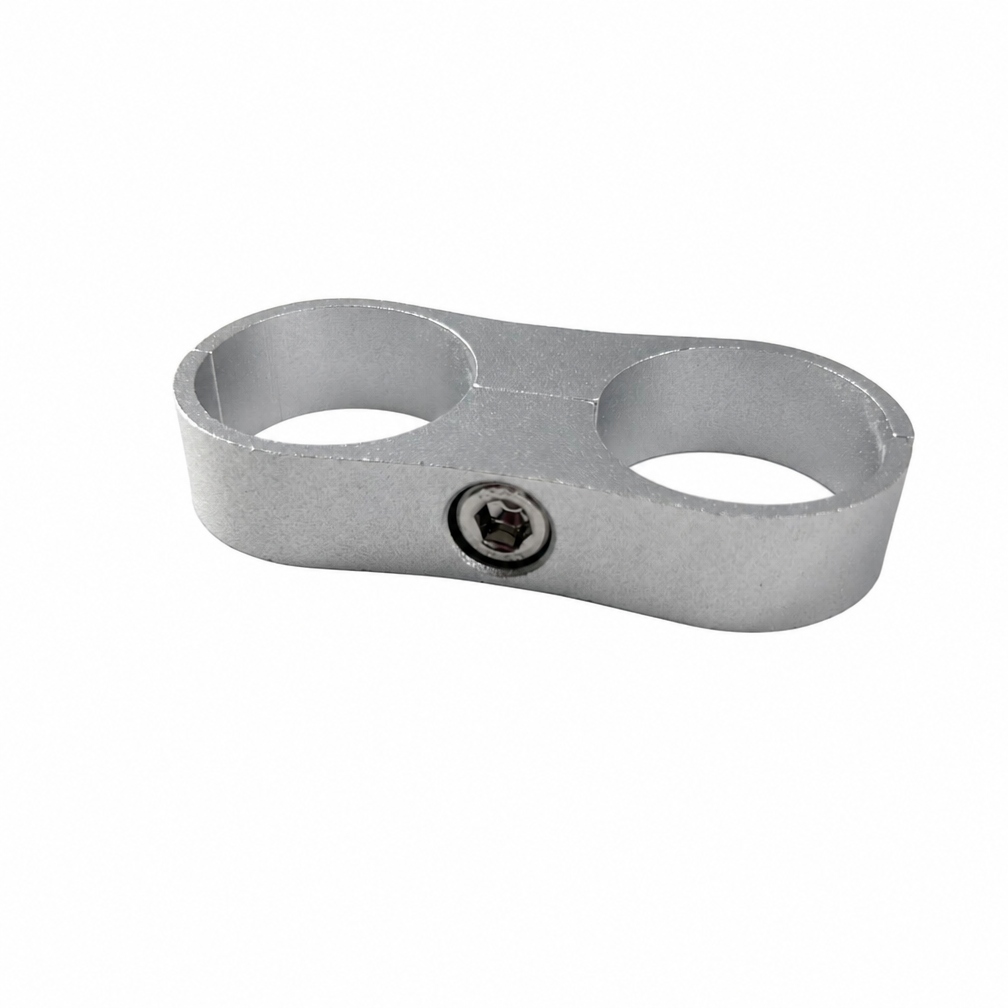
Understanding hose clamp types and their size specifications will help you make informed decisions for your specific needs. Different hose clamp types serve distinct purposes across various industries, and each category has defined sizing standards. This guide walks you through the essential steps for selecting the correct hose clamp size and provides practical insights into installation best practices.
Understanding Hose Clamp Types and Their Sizing Standards
Common Hose Clamp Types in Industrial Applications
The most prevalent hose clamp types include worm-drive clamps, spring clamps, band clamps, and quick-disconnect clamps. Worm-drive clamps feature a screw mechanism that tightens a band around the hose, offering adjustable compression and wide size ranges. Spring clamps provide constant tension without manual adjustment and work well for low-pressure applications. Band clamps use a solid metal band with a tightening mechanism, ideal for high-pressure systems. Each hose clamp type comes with its own sizing conventions, so understanding which type suits your application is the first step toward selecting the right size.
Size Range Categories and Measurement Bases
Hose clamp sizes are typically measured by the internal diameter they accommodate and the width of the band. Common hose clamp sizes range from one-quarter inch to several inches in diameter, with band widths varying from three-sixteenths inch to one-half inch or more. Manufacturers standardize these hose clamp sizes to ensure consistency across industries and applications. Understanding whether your hose requires a small, medium, or large clamp helps narrow down your selection before measuring your specific hose dimensions.
Measuring Your Hose and Matching Clamp Sizes
Accurate Hose Measurement Techniques
Precise measurement is essential when selecting hose clamp sizes for your application. Start by measuring the outer diameter of your hose using a flexible tape measure or calipers, as hose clamp sizing is based on the hose's outer dimension. Record this measurement in both inches and millimeters for cross-reference with manufacturer specifications. For hoses with oval or irregular shapes, measure both the maximum and minimum diameters to ensure your chosen hose clamp accommodates the full range. Always account for any slight expansion the hose might experience under pressure or temperature changes.
Selecting Clamp Sizes Based on Specifications
Once you have your hose measurements, consult the sizing charts provided by clamp manufacturers to find matching hose clamp types and sizes. Most manufacturers provide detailed specification sheets indicating the clamping range for each clamp size, typically shown as a minimum and maximum hose diameter. Select a hose clamp size that places your measured hose diameter comfortably within this range, avoiding choices that compress the clamp to its extreme limits or leave excessive slack. Undersized clamps won't secure the hose, while oversized clamps fail to apply sufficient pressure and may slip under operating conditions.
Hose Clamp Installation and Performance Considerations
Proper Installation Techniques for Optimal Performance
Correct hose clamp installation directly impacts system reliability and longevity. Position your chosen hose clamp approximately one-quarter inch from the end of the hose fitting to ensure full engagement and prevent the hose from slipping during operation. For worm-drive clamps, tighten the screw incrementally rather than in one motion, ensuring even pressure distribution around the hose. The clamp band should compress the hose just enough to create a watertight seal without deforming the hose or causing kinking. Use a calibrated torque wrench for critical applications to achieve consistent tightening specifications across multiple clamps.
Pressure Rating and Material Compatibility
Each hose clamp size designation includes a maximum pressure rating that must not be exceeded in your application. Select hose clamp types constructed from materials compatible with your fluid medium—stainless steel for corrosive fluids, zinc-plated steel for general applications, and specialized materials for chemical resistance. The material grade of your chosen clamp directly affects its durability and suitability for your operating environment. Regular inspection after initial hose clamp installation ensures the clamp maintains consistent pressure and shows no signs of loosening or corrosion that could compromise system integrity.
FAQ
How do I know what hose clamp size to use for my application?
Measure your hose's outer diameter accurately using calipers or a flexible tape measure, then consult manufacturer sizing charts to find a hose clamp size with a clamping range that encompasses your measurement. Ensure you're considering the correct hose clamp types for your pressure rating and fluid medium. The clamp size should compress the hose securely without reaching extreme limits of adjustment.
What is the difference between hose clamp types regarding sizing?
Different hose clamp types offer varying size ranges and adjustment capabilities. Worm-drive clamps provide the widest adjustability within each hose clamp size, spring clamps come in discrete sizes with fixed tension, and band clamps offer high-pressure capacity in specific hose clamp sizes. Choosing the appropriate type depends on your pressure requirements and whether your hose dimensions fall within the available sizing options.
Can I use a hose clamp installation technique that differs from manufacturer recommendations?
No, adhering to manufacturer guidelines for hose clamp installation ensures optimal performance and system safety. Proper hose clamp installation positioning, tightening sequences, and torque specifications are engineered to prevent leaks and hose slippage. Deviating from these hose clamp installation standards may result in seal failure, pressure loss, or hose damage under operating conditions.
 EN