 EN

how-to-select-the-right-hydraulic-crimping-machine-for-your-needs, how-to-select-the-right-hydraulic-crimping-machine-for-your-needs, /news
EN
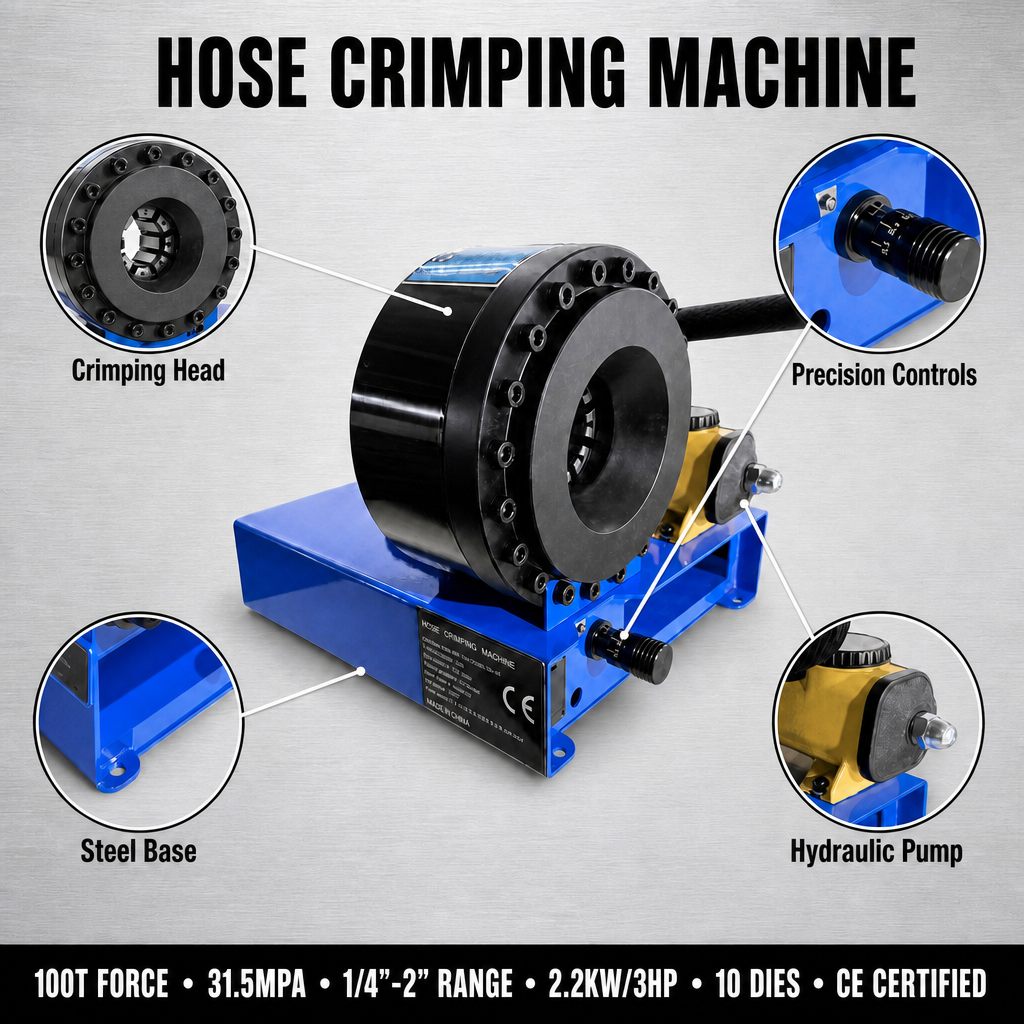
Choosing the right hydraulic crimping machine requires careful consideration of your operational demands, budget constraints, and long-term production goals. In industrial applications involving hose assemblies, hydraulic systems, and fluid transfer lines, the quality and precision of crimped connections directly impact system reliability and safety. A poorly selected hydraulic crimper tool can lead to inconsistent results, increased downtime, and costly rework, while the right choice enhances efficiency and reduces operational failures.
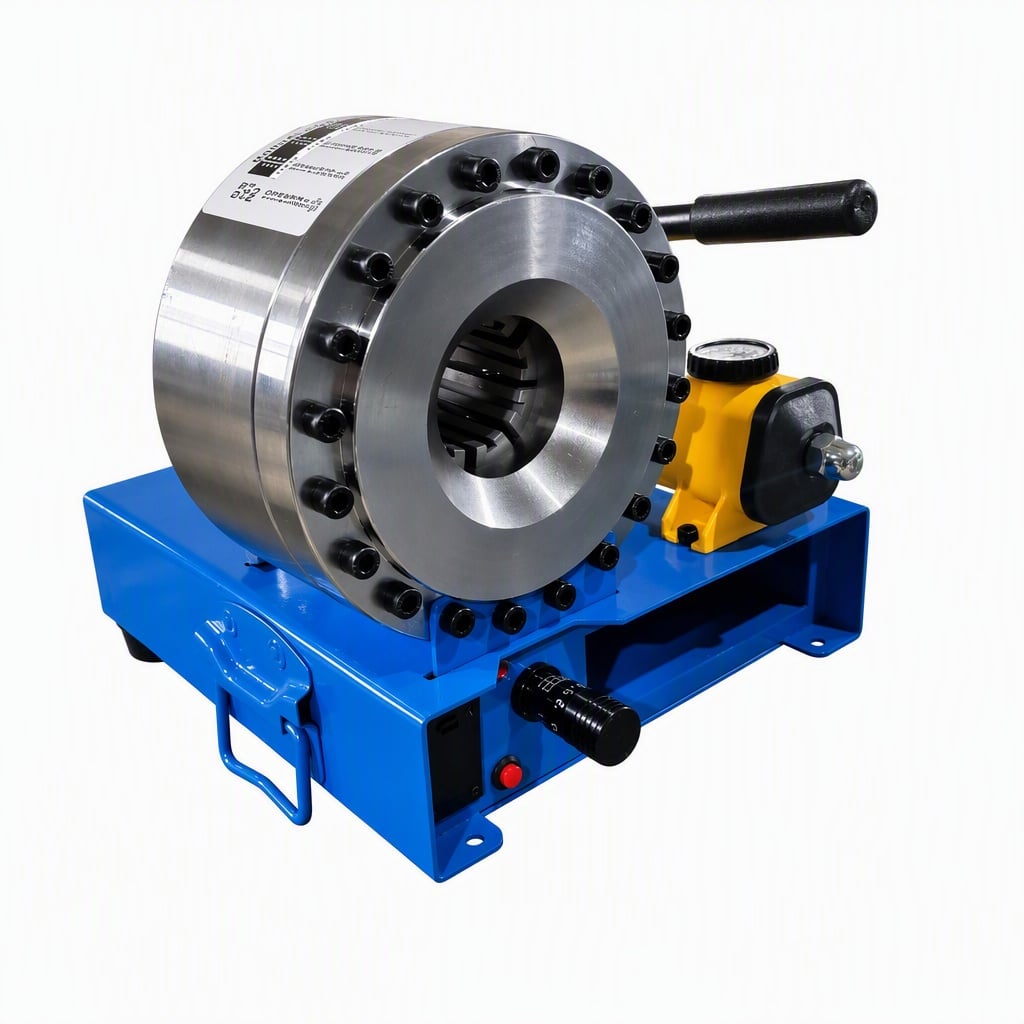
This guide walks you through the essential factors for selecting a crimping press equipment solution that matches your application. Whether you are outfitting a fabrication shop, maintenance facility, or assembly line, understanding the key specifications, performance metrics, and operational considerations will help you invest wisely in equipment that delivers consistent, reliable crimped connections for years to come.
The first step in selecting a hydraulic crimping machine is determining the exact specifications your applications demand. You must evaluate the range of hose sizes you work with, the types of fittings involved, and the volume of crimps your operation requires daily or weekly. Different hydraulic crimper tool models support different hose diameters, fitting styles, and crimping standards such as EN 856, SAE, and ISO specifications. Mismatching your equipment to your workload can result in either underutilized machinery or insufficient capacity.
Consider the pressure ratings of the hoses and fittings you typically process. A crimping press equipment designed for low-pressure agricultural applications will not meet the demands of high-pressure industrial hydraulic systems or offshore oil and gas lines. You should also document the variety of fitting types you use, such as flat-face couplers, JIC fittings, or straight threads, because many models specialize in specific fitting geometries and may not accommodate your full range efficiently.
Your production volume directly influences which hose fitting crimper technology is most cost-effective. Low-volume shops may benefit from manual or semi-automatic models that require operator input for each crimp cycle, keeping upfront investment modest. Medium to high-volume operations often justify automatic or fully hydraulic crimping press equipment because faster cycle times, reduced labor costs, and improved consistency deliver better return on investment over time. Calculate your annual crimp count and project growth to avoid purchasing equipment that becomes a bottleneck or sits idle.
Hydraulic crimping machine effectiveness depends heavily on adequate crimping force measured in tons. Different hose sizes and fitting types require different force levels to achieve proper crimp geometry, seal integrity, and tensile strength. A 10-ton hydraulic crimper tool may suffice for small diameter hoses and composite fittings, while larger or high-pressure assemblies demand 50-ton, 100-ton, or even higher capacity crimping press equipment. Undersizing the force rating risks incomplete or inconsistent crimps that fail under pressure; oversizing increases cost unnecessarily.
Check the maximum working pressure the hydraulic crimping machine is rated to deliver. This pressure rating must exceed the peak pressures you expect in actual operation, with a safety margin built in. Reputable manufacturers publish detailed force-versus-hose-size charts for their hydraulic crimper tool models, allowing you to cross-reference your specific applications. Always verify that your chosen equipment meets or exceeds the crimping force requirements for your largest and most demanding hose and fitting combinations.
The availability and cost of interchangeable die sets determine how adaptable your crimping press equipment will be. A versatile hose fitting crimper should support a wide array of dies that cover your current and anticipated future applications without requiring a complete machine replacement. Some manufacturers offer modular die systems that fit multiple hose sizes and fitting types, maximizing your investment flexibility. Others offer proprietary die designs that lock you into a limited product ecosystem, potentially increasing long-term costs if your business expands into new fitting types or standards.
Examine the ease of die changeover and setup. A hydraulic crimping machine that requires complex disassembly, manual alignment, or specialized tools to swap dies will slow your workflow and increase downtime between jobs. Fast-change or quick-lock die systems reduce setup time from minutes to seconds, boosting productivity, especially in shops that handle diverse hose and fitting requirements throughout each day.
Decide whether a stationary, portable, or mobile hydraulic crimping machine best fits your workspace and workflow. Stationary bench-mounted models provide stability and high throughput but require dedicated floor space. Portable hydraulic crimper tool units allow flexibility to move between work stations or different locations, ideal for service shops or field operations. Your facility layout, electrical infrastructure, and power availability should guide this choice. Some crimping press equipment models operate on standard 110V single-phase power, while others require three-phase 220V or 440V industrial power, affecting installation costs and facility requirements.
Consider the physical dimensions and weight of your chosen hydraulic crimping machine. Smaller shops with limited floor space may prioritize compact models over larger industrial units. However, ensure that reduced size does not compromise stability or ergonomics during operation, as awkward positioning or machine vibration can lead to operator fatigue, safety issues, and quality inconsistencies in your crimps.
A robust hydraulic crimper tool requires regular maintenance including hydraulic fluid changes, seal inspections, and die servicing. Evaluate the availability of replacement parts, maintenance documentation, and technical support from the manufacturer. Equipment with widespread industry adoption typically has lower parts costs and broader service support compared to niche or obsolete models. Longer-lasting materials, simpler designs, and proven reliability records reduce unexpected downtime and repair expenses throughout the crimping press equipment lifecycle.
Budget for ongoing hydraulic fluid management, seal replacement, and occasional wear part exchanges. Some manufacturers design their hydraulic crimping machine models for easier user maintenance, while others require factory servicing for certain tasks. Understanding these requirements upfront helps you calculate true total cost of ownership beyond the initial purchase price and make a more informed decision aligned with your maintenance capabilities and budget.
The required crimping force depends on your specific hose diameters, fitting materials, and pressure ratings. Most manufacturers provide force charts showing the tonnage needed for each hose size and fitting type. Start by identifying your largest hose diameter and highest-pressure application, then select a hydraulic crimper tool with adequate force capacity plus a safety margin. Generally, small hose assemblies under 0.25 inches require 10–20 tons, medium sizes use 20–50 tons, and large or high-pressure lines demand 50–150 tons or more.
A single hydraulic crimping machine with interchangeable die sets can often handle a wide range of hose sizes and fitting types, provided the machine has sufficient force capacity and compatible dies exist for your applications. However, if your shop works with vastly different standards such as SAE, ISO, and EN specifications across vastly different pressure ranges, you may find it more practical to maintain two specialized crimping press equipment units optimized for separate application families. This approach prevents die changeover delays and ensures each machine operates within its design parameters for best results.
Quality verification includes visual inspection for symmetry and proper die imprint, measurement of crimp outer diameter using calipers or gauges, and pull testing to confirm tensile strength. Many operators also conduct periodic pressure cycle testing on finished hose assemblies to verify seal integrity under working conditions. A well-calibrated hydraulic crimping machine with accurate die sets and consistent operator technique produces repeatable, predictable crimp geometry that meets published standards and customer specifications reliably.
