 EN

how-to-select-the-right-hydraulic-crimping-machine-size, how-to-select-the-right-hydraulic-crimping-machine-size, /news
EN
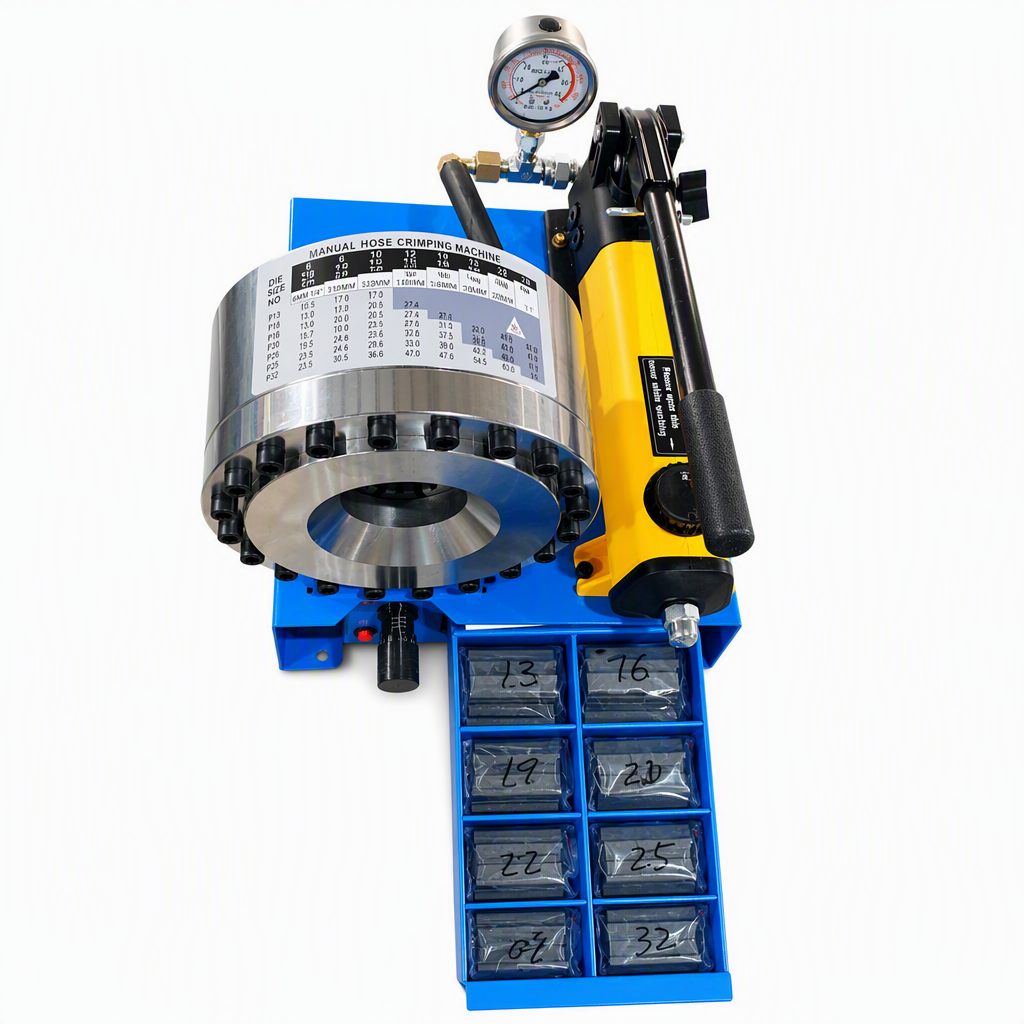
Selecting the right hydraulic crimping machine size is one of the most critical decisions in hose assembly and cable termination operations. An oversized system wastes capital and floor space, while an undersized unit creates production bottlenecks, incomplete crimps, and frequent maintenance issues. The proper sizing depends on multiple technical factors that extend beyond simply choosing the largest available option.
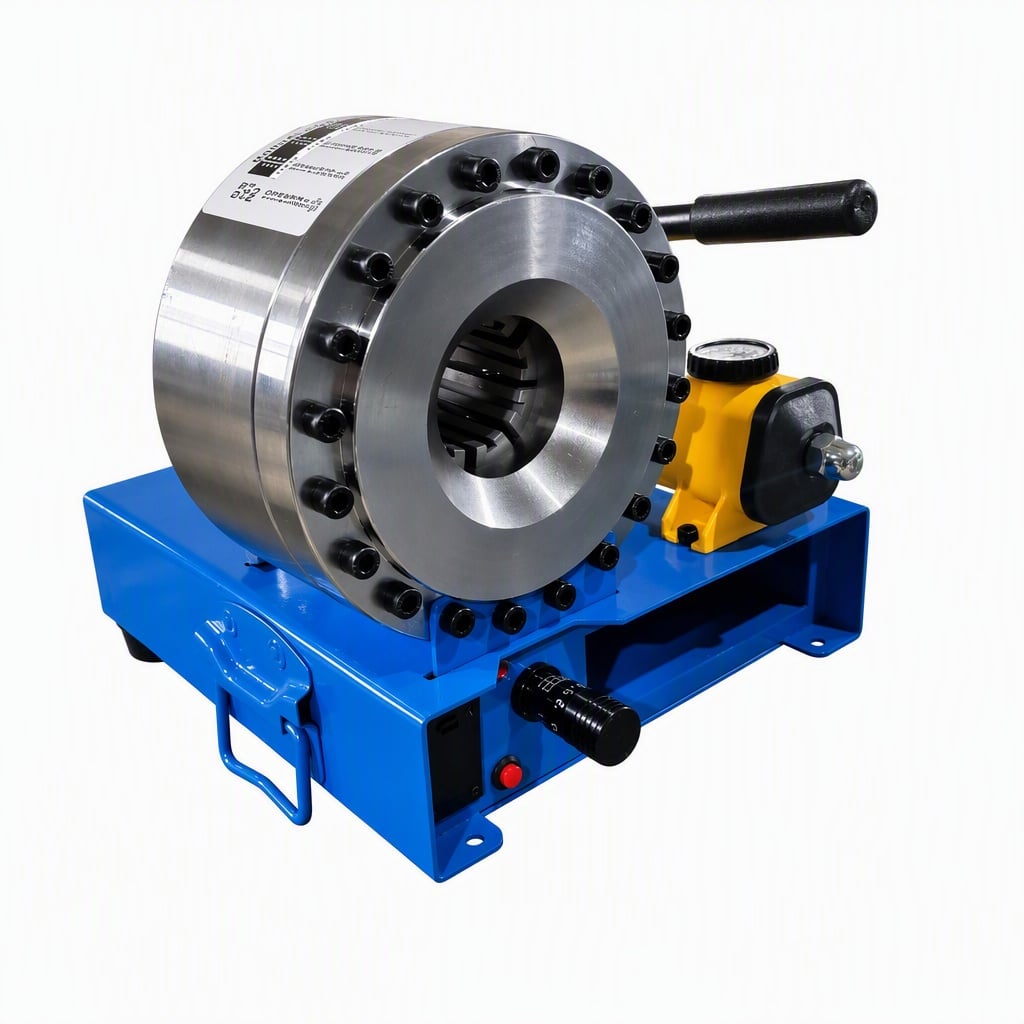
Industrial facilities rely on hydraulic crimper tools to create secure, leak-proof connections in hose assemblies across automotive, marine, aerospace, and heavy equipment sectors. The size of your crimping press equipment directly impacts productivity, crimping quality, and operational efficiency. Understanding the technical specifications and application requirements ensures you invest in equipment that delivers consistent, reliable performance while maximizing your return on investment.
The fundamental specification of any hydraulic crimping machine is its rated pressure and tonnage capacity. Hydraulic crimper tool specifications are measured in tons of force required to achieve proper hose fitting crimper compression. A hydraulic crimping machine with insufficient tonnage cannot generate the pressure needed to properly set the crimp, resulting in weak connections that may fail under operating conditions. Conversely, a hose fitting crimper with excessive tonnage delivers more force than necessary, potentially damaging delicate hose assemblies or dies.
Proper sizing requires reviewing the specific hose sizes and fitting types your operation processes. Standard hydraulic crimper tool ratings range from 10 tons to over 100 tons depending on the application. Most industrial facilities process hose assemblies in the 4 to 2 inch diameter range, typically requiring crimping press equipment in the 50 to 70 ton capacity range. The hydraulic crimping machine you select must meet or exceed the maximum tonnage requirement for your largest diameter hose while avoiding excessive over-capacity.
A critical factor in sizing your hydraulic crimping machine involves die compatibility and the range of fittings you plan to crimp. Different hose sizes and fitting types require specific die sets designed for that particular application. The hydraulic crimper tool you purchase should accommodate multiple die set configurations without requiring major equipment modifications. This flexibility determines whether your crimping press equipment can grow with your business as product lines expand.
When evaluating a hose fitting crimper, verify that die sets are readily available, affordable, and easily interchangeable. A compact hydraulic crimping machine that accepts standard industry die sets provides better long-term value than a specialized unit that limits your future options. Most mid-range crimping press equipment supports quick-change die cartridges, allowing operators to switch between different hose sizes and fitting types in minutes. This versatility ensures your investment remains productive across diverse applications.
Production volume directly influences the appropriate size and speed of your hydraulic crimping machine. A facility processing 100 hose assemblies daily requires a different equipment solution than one handling 1000 assemblies. High-speed hydraulic crimper tool models include powered descent mechanisms, automatic positioning, and rapid-release systems that reduce cycle time per crimp. These advanced features justify the higher investment when production demands are substantial.
Manual and semi-automatic hydraulic crimping machine options suit lower-volume operations where setup flexibility matters more than raw speed. Semi-automatic crimping press equipment combines manual loading with power-driven crimping and ejection, reducing operator fatigue while maintaining consistent results. Understanding your daily production targets helps determine whether basic, mid-range, or production-grade hose fitting crimper equipment delivers the best cost per crimp.
The physical design and operational ease of your hydraulic crimper tool impacts both operator satisfaction and production costs. A properly sized hydraulic crimping machine positions the work area at ergonomic heights, reducing strain on operators during extended shifts. Compact units designed for smaller hoses require less force to operate, while larger crimping press equipment with power-assisted controls minimizes manual effort regardless of capacity. Ergonomic design affects daily productivity, operator retention, and workplace safety claims.
When selecting a hose fitting crimper, consider foot pedal force requirements, handle reach, and work surface accessibility. Portable hydraulic crimper tool models weigh 50 to 150 pounds, allowing field technicians to perform emergency repairs without returning to the shop. Stationary crimping press equipment typically ranges from 300 to 800 pounds and integrates into production workflows. Evaluate whether your operation benefits from portability or benefits more from the stability and durability of permanently mounted equipment.
Physical space availability often limits the practical size of hydraulic crimping machine options. Compact units occupy minimal floor space, fitting easily into mobile carts or mounting onto workbenches. Industrial-scale hydraulic crimper tool systems may require dedicated floor space, electrical connections, and proper ventilation for cooling. Before finalizing your selection, measure available space and verify that your chosen crimping press equipment physically fits your installation area with adequate clearance for operation and maintenance.
Installation logistics extend beyond footprint considerations. A hose fitting crimper requires stable, level mounting surfaces capable of absorbing crimping vibration without movement. Concrete floors provide adequate support, while light industrial flooring may require reinforced bases. Electrical and hydraulic line routing must follow safety codes and allow easy access for maintenance. Professional installation of larger hydraulic crimping machine systems prevents operational issues and ensures warranty compliance.
Different hydraulic crimper tool options present varying power requirements and installation complexity. Manual crimping press equipment requires only human input and needs no electrical connection, making it ideal for remote locations or backup operations. Electric-hydraulic crimping press equipment operates on standard 110V or 220V industrial power, simplifying installation in most facilities. Larger hydraulic crimping machine systems may require three-phase power or dedicated electrical circuits, necessitating professional electrician involvement.
Beyond power requirements, consider cooling and maintenance infrastructure. Large-capacity hydraulic crimper tool systems generate heat during extended operation, requiring adequate ventilation to maintain optimal fluid temperatures. Hose fitting crimper equipment with integral cooling systems occupy more space but maintain consistent performance throughout production shifts. Evaluate your facility's existing infrastructure against your chosen hydraulic crimping machine specifications to identify any upgrades needed before installation.
An undersized hydraulic crimper tool cannot generate sufficient force to properly compress the fitting onto the hose, resulting in incomplete or weak crimps. These defective connections may pass initial visual inspection but fail unpredictably during service, potentially causing dangerous system failures. An inadequate crimping press equipment also forces operators to make multiple compression cycles, damaging the fitting and hose assembly materials while significantly reducing productivity and increasing equipment wear.
Review your hose fitting specifications from manufacturers, which clearly state the tonnage requirements for each hose size and fitting type. A hydraulic crimping machine should meet or exceed the maximum tonnage requirement for your largest diameter hose. Consult with your hose supplier or a crimping equipment specialist to verify that your chosen hose fitting crimper matches all application specifications. Most standard industrial operations process hoses adequately with 50 to 70 ton hydraulic crimper tool capacity.
Oversizing your hydraulic crimping machine wastes capital investment, floor space, and energy resources. Instead, select a unit that meets current requirements with modest capacity margin for normal volume fluctuations. As your business grows, upgrading to a larger crimping press equipment or purchasing additional hose fitting crimper units remains more cost-effective than maintaining unused equipment capacity. This approach provides flexibility while keeping your initial investment proportional to actual operational needs.
