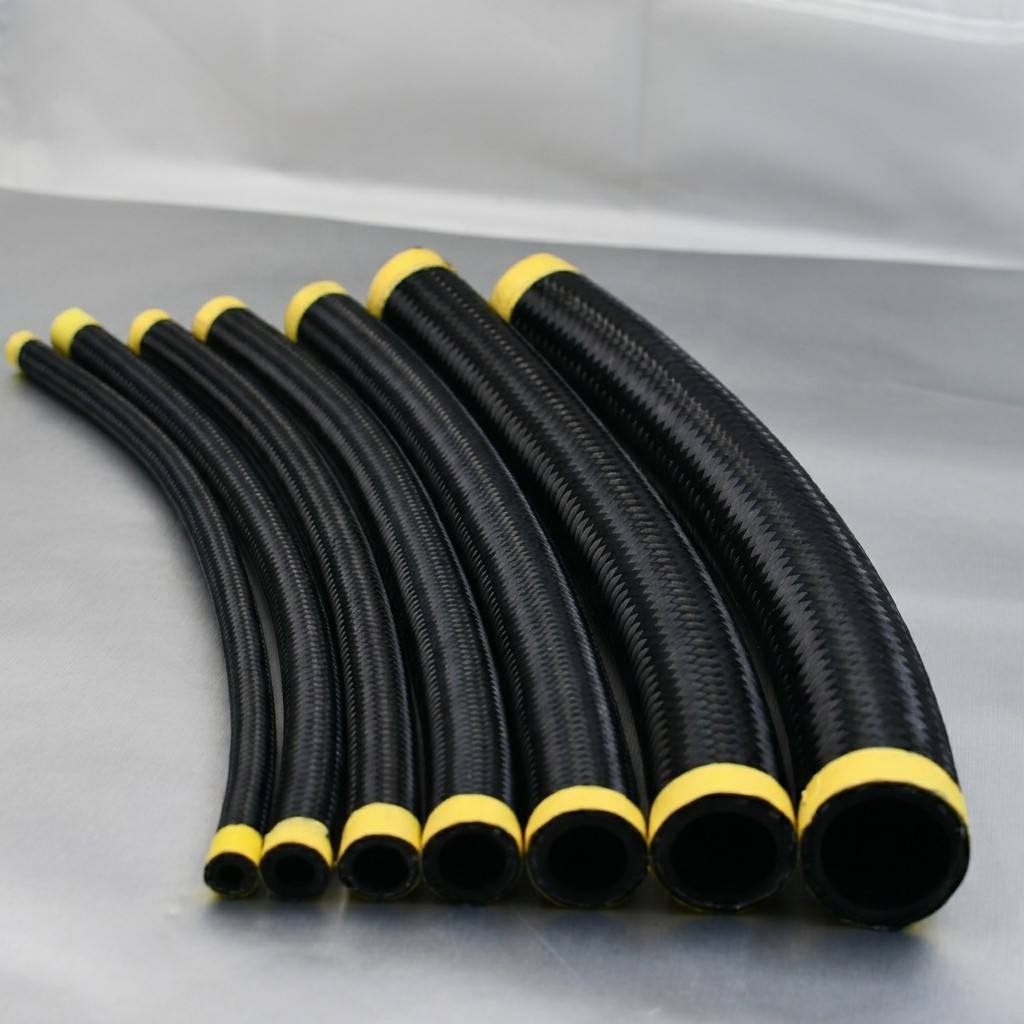
Selecting the right rubber hoses for your industrial operations is a critical decision that directly impacts system performance, safety, and operational costs. Many facility managers and engineers struggle with hose sizing because the selection process involves multiple technical factors, from diameter and pressure ratings to material compatibility and environmental conditions. Understanding how to evaluate these variables systematically will help you choose rubber hoses that deliver reliable service and minimize downtime across your operations.
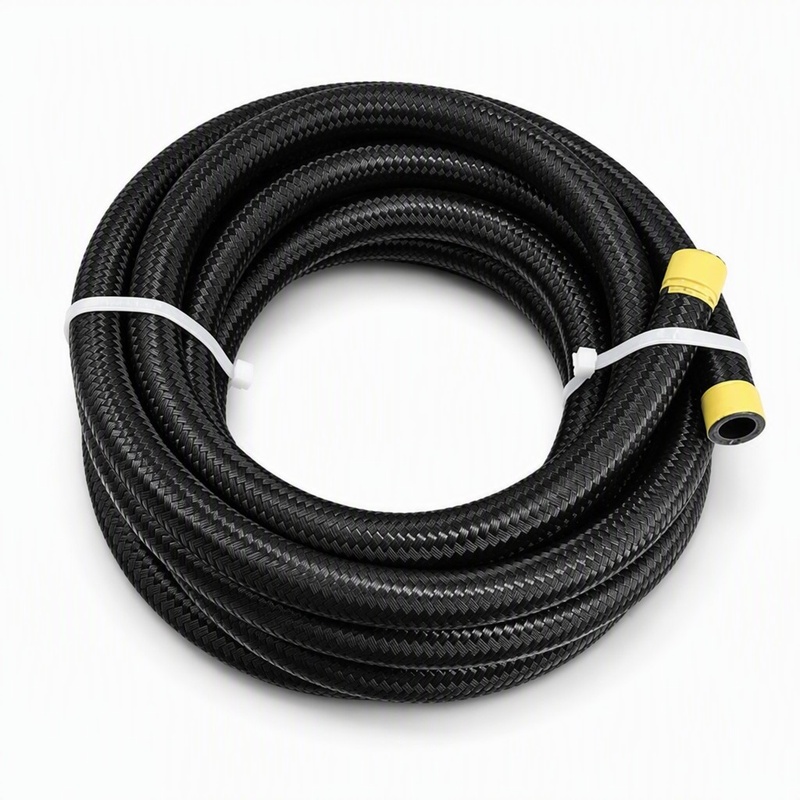
The process of selecting appropriate hose sizing requires balancing multiple competing priorities. You must match the hose to your specific industrial hose applications, verify that hose pressure ratings align with your system requirements, and ensure that the material composition—such as chemical resistant hoses—suits your fluid or media type. This comprehensive approach prevents costly failures and extends equipment lifespan in demanding industrial environments.
Understanding Hose Diameter and Flow Requirements
Hose diameter is one of the most fundamental decisions when sizing rubber hoses for your system. The diameter you choose directly affects fluid velocity, pressure drop, and overall system efficiency. If the diameter is too small, fluid velocity increases excessively, leading to higher pressure drops and energy waste. Conversely, an oversized hose increases installation cost, adds unnecessary weight, and may cause sluggish system response in precision applications.
To determine the correct diameter, calculate your system's flow rate in gallons per minute (GPM) and consult industry standards for recommended fluid velocity ranges. For return lines in industrial hose applications, slightly higher velocities between 2 and 4 feet per second are acceptable. Cross-reference your flow rate against standard hose sizing charts to identify the diameter that keeps velocity within the appropriate range for your specific application.
Impact of Diameter on System Performance
The relationship between hose diameter and system performance extends beyond simple flow calculations. Oversized rubber hoses can introduce sluggish response times in hydraulic systems where precision matters, such as in manufacturing or automation. Undersized hoses generate excessive heat through friction and turbulence, which degrades fluid properties and accelerates component deterioration. Additionally, pressure drop across undersized hoses results in reduced power delivery at the system's working end, requiring larger pumps to compensate—a costly inefficiency in industrial hose applications.
Evaluating Hose Pressure Ratings and Safety Margins
Hose pressure ratings represent the maximum pressure the hose can safely withstand under continuous operation. Every rubber hoses product carries a minimum burst pressure rating, typically expressed in PSI (pounds per square inch), and this specification must exceed your system's maximum operating pressure. However, selecting a hose rated only slightly above your peak pressure creates unnecessary risk and shortens hose lifespan through material fatigue and degradation.
Professional practice requires applying a safety factor when matching hose pressure ratings to your operational requirements. This conservative approach accounts for pressure spikes, wear over time, and unpredictable environmental stressors. Some industrial hose applications in critical operations employ even higher safety factors, such as 5:1 or 6:1, particularly in safety-critical systems or where hose failure poses significant risk.
Temperature Effects on Pressure Ratings
Temperature significantly influences how rubber hoses perform under pressure, and most manufacturers provide derated pressure ratings for elevated operating temperatures. Rubber materials lose flexibility and strength as temperatures rise, which reduces the maximum safe working pressure. When selecting hose pressure ratings for applications involving heat exposure, consult the manufacturer's derating charts specific to your hose material. An application operating at 160°F may reduce the usable pressure rating by 15 to 25 percent compared to the same hose at standard room temperature. Understanding these temperature derating effects ensures your selected rubber hoses maintain adequate safety margins throughout their operational envelope.
Selecting Material Composition for Media Compatibility
The internal elastomer and cover materials of rubber hoses must resist degradation from the fluid or gases they transport. Incompatible materials can swell, soften, crack, or delaminate, leading to leaks, contamination, and sudden system failure. This is especially critical for chemical resistant hoses, which handle corrosive, caustic, or aggressive fluids where standard rubber formulations offer insufficient protection. Each rubber compound—such as natural rubber, synthetic rubber, Nitrile (NBR), Viton (FKM), or specialized formulations—exhibits different resistance to specific chemical families and environmental conditions.
When evaluating material selection for industrial hose applications, create a complete inventory of all fluids, gases, and contaminants the hose will contact. Include not only the primary working fluid but also cleaning agents, atmospheric conditions, and any incidental contact with incompatible materials. Consult the hose manufacturer's chemical compatibility charts to verify that your chosen rubber hoses material resists each substance on your list. Chemical resistant hoses designed for petroleum products differ from those formulated for water-based systems, food-grade applications, or aggressive solvents. Selecting the wrong material can result in premature failure within weeks, making this step non-negotiable in the sizing process.
Environmental Factors Affecting Material Selection
Beyond chemical compatibility, environmental exposure shapes which rubber hoses material performs reliably over time. Ultraviolet (UV) light degrades most rubber formulations, making UV-resistant covers essential for outdoor installations or applications near windows. Ozone exposure in urban or industrial environments accelerates cracking in unprotected rubber compounds. Temperature extremes—both hot and cold—compress the usable range of standard rubber hoses. Chemical resistant hoses designed for harsh chemical environments often incorporate specialized covers and liner materials that address multiple environmental stressors simultaneously. Always cross-reference your hose material choice against the complete range of environmental conditions in your facility, not just the primary operating temperature and fluid.
Practical Sizing Examples for Common Industrial Scenarios
Real-world applications illustrate how to apply these sizing principles to arrive at the correct rubber hoses specification. Consider a hydraulic press system operating at 2500 PSI with a flow rate of 30 GPM and handling standard mineral hydraulic oil at 50°C. First, select the hose diameter by dividing flow rate by the recommended velocity constant for pressure lines. Using 5 feet per second as the target velocity yields approximately 0.72 square inches of cross-sectional area, corresponding to a 1-inch ID hose. Next, apply the 4:1 safety factor to the system pressure: 2500 PSI × 4 = 10,000 PSI minimum burst rating. For industrial hose applications in this scenario, a hose rated to 12,000 PSI provides adequate safety margin. Finally, verify that standard mineral hydraulic oil compatibility exists for your chosen rubber hoses—almost all hydraulic hoses are formulated for this common fluid, so this application presents no chemical compatibility concerns.
Another common scenario involves chemical transfer systems requiring chemical resistant hoses. Suppose you need to transfer a corrosive industrial cleaning solution at 500 PSI with a flow rate of 15 GPM. The lower pressure allows smaller hose diameters than hydraulic applications. Following the same sizing logic, approximately 0.5-inch ID hose suits the flow requirement at acceptable velocity. For hose pressure ratings, applying the same 4:1 factor yields 2000 PSI minimum burst, but chemical resistant hoses in this service typically have lower pressure ratings than general-purpose hydraulic hoses. Select a hose specifically formulated to resist your cleaning solution's chemical composition—many manufacturers provide specialized chemical resistant hoses for common industrial solvents, caustics, and acids. Verify temperature stability and chemical compatibility before finalizing your specification.
FAQ
What happens if I choose rubber hoses that are too small for my application?
Undersized rubber hoses generate excessive fluid velocity, which increases friction and heat generation significantly. This leads to accelerated fluid degradation, component wear, pressure drop, and reduced power delivery at the system outlet. Additionally, the elevated temperature and stress shorten hose lifespan substantially, potentially causing premature failure or leaks within industrial hose applications.
How do temperature changes affect hose pressure ratings?
Elevated temperatures reduce the effective pressure rating of rubber hoses because rubber materials lose flexibility and structural strength when heated. Most manufacturers provide derating charts showing reduced working pressure at higher temperatures. For example, a hose rated at 3000 PSI at 70°F may only handle 2250 PSI at 160°F. Always consult manufacturer derating data when your hose will operate outside normal temperature ranges to ensure chemical resistant hoses and standard hoses maintain safe performance margins.
Can I use the same rubber hoses for multiple different fluids in my facility?
Using the same rubber hoses for different fluids depends on chemical compatibility and cross-contamination risk. General-purpose hydraulic hoses work across most mineral oils and standard hydraulic fluids, but switching to caustic chemicals, solvents, or food-grade applications requires specialized chemical resistant hoses formulated for those specific fluids. Incompatible fluid exposure can degrade or swell the hose, creating safety and reliability problems. Always verify complete chemical compatibility before using any rubber hoses with multiple fluid types to ensure safe industrial hose applications.
 EN