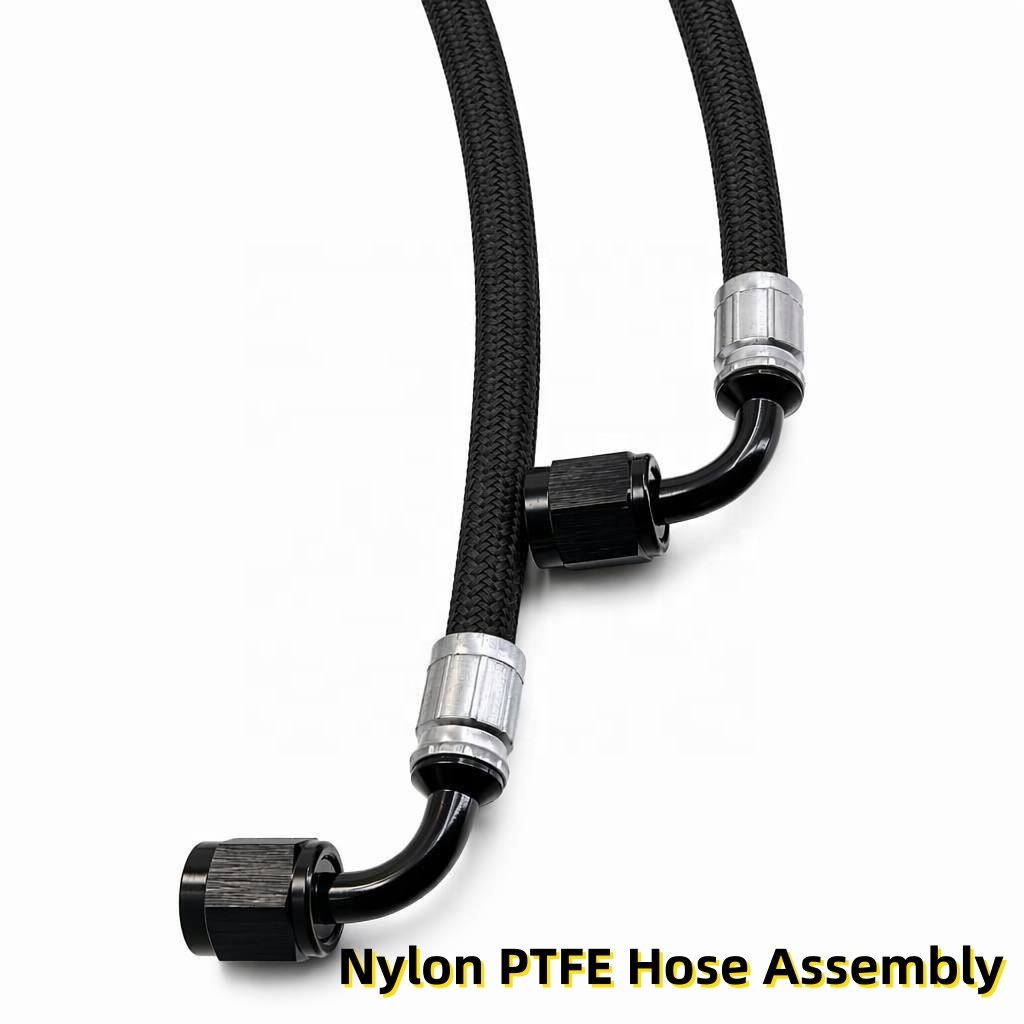
A hydraulic hose fitting is a critical component that connects fluid delivery systems in industrial machinery, heavy equipment, and mobile applications. Understanding the various fitting types is essential for engineers, maintenance professionals, and procurement specialists who work with hydraulic systems. Each fitting type serves specific pressure requirements, flow rates, and operational environments, making proper selection crucial for system performance and safety.
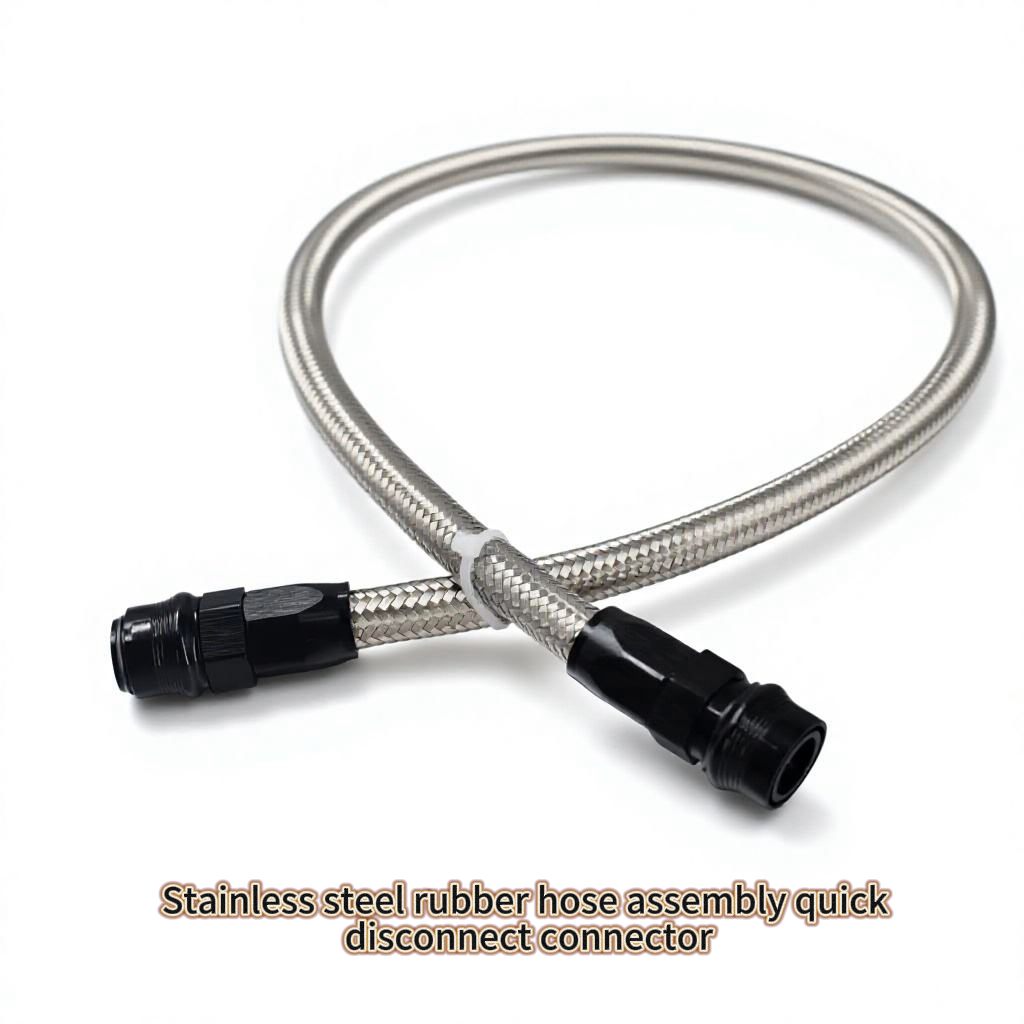
The market for high pressure hose systems continues to expand across construction, manufacturing, automotive, and agriculture sectors. Different fitting configurations are engineered to handle extreme pressures, temperature fluctuations, and chemical compatibility challenges. Selecting the right hose assembly depends on your system specifications, budget constraints, and long-term operational goals.
Common Hydraulic Hose Fitting Designs
Straight Fittings and Their Applications
Straight fittings are the most fundamental high pressure hose connection type, designed for linear fluid transmission between components. These fittings feature a direct end-to-end connection that minimizes turbulence and pressure drop. Straight fittings work well in applications where space permits linear tubing runs and directional changes are minimal. The flexible tubing used with straight fittings simplifies installation and reduces system complexity in equipment like industrial presses, agricultural machinery, and construction vehicles.
Swivel and Elbow Fittings for Angled Installations
Swivel fittings allow rotational adjustment, making them ideal for tight spaces where hose assembly positioning must be fine-tuned after installation. Elbow fittings come in 45-degree and 90-degree angles, enabling sharp directional changes without separate connectors. These high pressure hose options reduce assembly complexity and vibration-related wear. Elbow configurations are especially popular in applications where the flexible tubing must navigate around engine blocks, structural supports, or equipment chassis. Swivel designs reduce stress concentrations at connection points, extending overall system durability and reducing maintenance intervals.
Pressure Rating and Material Selection
Understanding Pressure Classification Standards
Hydraulic hose fittings are classified by pressure ratings that determine safe operating limits for specific applications. SAE (Society of Automotive Engineers) and ISO standards define pressure classes ranging from low-pressure applications under 1,000 PSI to ultra-high-pressure systems exceeding 10,000 PSI. High pressure hose systems in industrial equipment often operate between 3,000 and 5,000 PSI. Selecting fittings rated above your system's maximum pressure by at least 25 percent ensures safety margins and protects against surge pressures during rapid pressure changes or sudden load shifts. Mismatched fittings create catastrophic failure risks and fluid leakage hazards.
Material Compatibility and Performance
High pressure hose fittings are manufactured from steel alloys, stainless steel, aluminum, and composite materials depending on application demands. Carbon steel fittings offer cost-effectiveness for standard industrial environments but require protective coatings in corrosive conditions. Stainless steel provides superior corrosion resistance for marine, food processing, and chemical handling applications. The flexible tubing core material—typically reinforced rubber or synthetic compounds—must chemically match the hydraulic fluid type (petroleum-based, biodegradable, or fire-resistant). Material selection impacts both initial hose assembly cost and long-term system reliability, making technical compatibility verification essential before procurement.
Installation and Maintenance Considerations
Proper Connection Techniques and Leak Prevention
Correct installation of high pressure hose fittings is fundamental to preventing leaks and ensuring system longevity. Compression fittings require specific torque values applied with calibrated wrenches to create proper seals without over-tightening that damages sealing surfaces. Thread-sealed fittings may require thread sealant tape or compound to prevent fluid weeping at connection points. Most hose assembly installations benefit from gentle hand-tightening followed by controlled torque wrench application in quarter-turn increments. Installers must verify that flexible tubing runs maintain minimum bend radii specified by manufacturers—excessive bending creates internal stress fractures and premature failure in high pressure environments.
Inspection, Troubleshooting, and Service Life
Regular inspection of hydraulic hose fittings identifies developing problems before catastrophic failures occur. Visual checks should include examination for fluid weeping, surface corrosion, and fitting looseness caused by vibration and thermal cycling. High pressure hose systems typically require hose assembly replacement every 3 to 5 years depending on operating pressure, temperature exposure, and fluid chemistry. When pressure gauges indicate rising system pressure or equipment performance degrades, technicians should inspect fitting connections first. Thread-sealed connections sometimes require re-torquing after initial break-in periods when flexible tubing settles into position. Preventive maintenance schedules that include fitting inspection reduce unexpected downtime and emergency repairs.
FAQ
What pressure rating should I specify for my hydraulic hose fitting selection?
Always select high pressure hose fittings rated at least 25 percent above your system's maximum operating pressure. This safety margin protects against surge pressures and pressure spikes from rapid valve actuation. Consult your equipment manufacturer's specifications or system pressure gauge readings. Professional engineers often recommend 4:1 or 5:1 safety ratios for critical applications in safety-sensitive industries.
Can I mix different fitting types in a single hydraulic hose assembly?
Mixing fitting types is permissible if all components meet or exceed the system pressure rating and are compatible with your hydraulic fluid. However, consistent fitting design throughout the hose assembly simplifies maintenance and troubleshooting. Using standardized configurations across your equipment fleet reduces spare parts inventory and training requirements. Always verify that each component's specification sheet confirms compatibility with adjacent fittings and the flexible tubing core material.
How do I prevent leaks at high pressure hose fitting connections?
Prevent leaks by applying proper torque values during installation, using appropriate thread sealants for thread-sealed connections, and maintaining hose assembly bend radii within manufacturer limits. Regular inspections catch minor weeping before significant fluid loss occurs. Environmental factors like thermal cycling and vibration stress fittings over time, so scheduled re-inspection of critical connections supports long-term system reliability and safety performance.
 EN