 EN

what-are-industrial-hose-standards-and-certifications, what-are-industrial-hose-standards-and-certifications, /news
EN
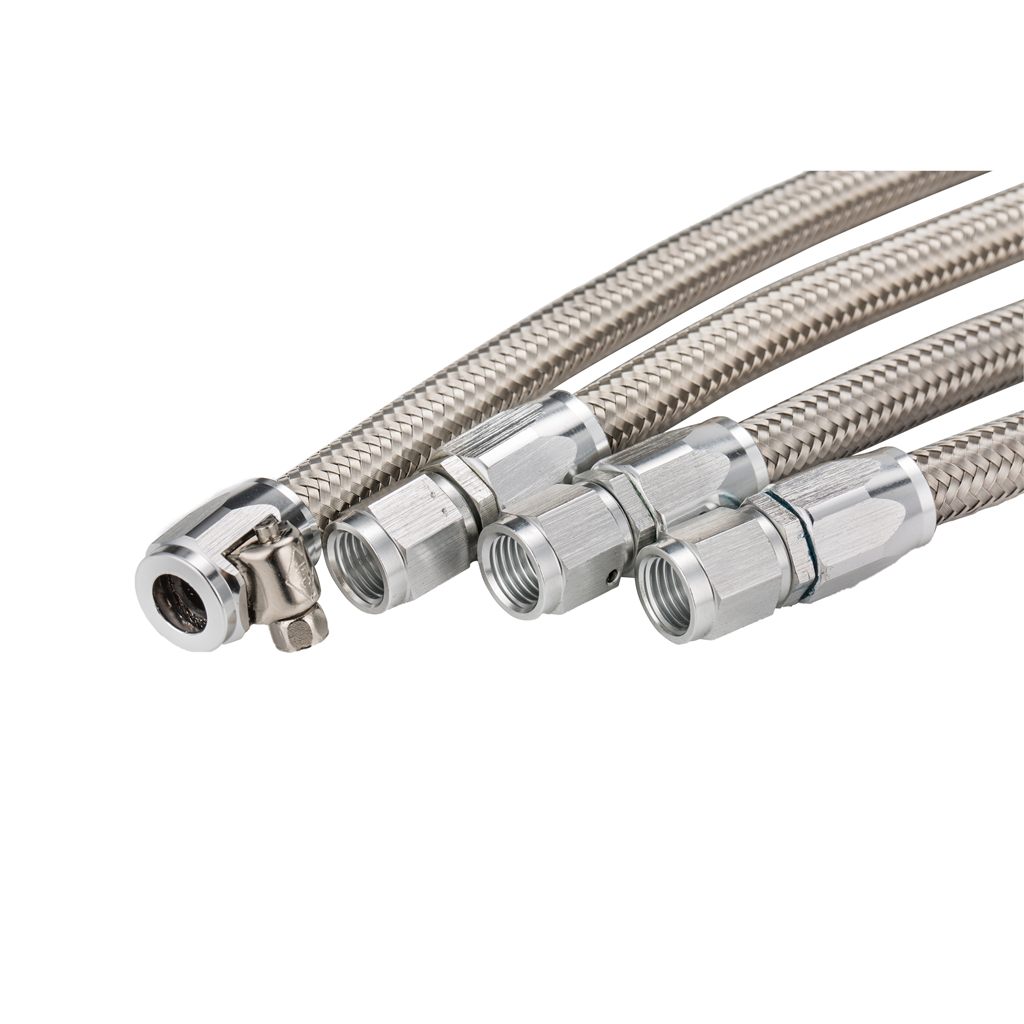
Understanding the standards and certifications that govern industrial hose is critical for engineers, procurement professionals, and facility managers who rely on hydraulic systems and fluid transfer equipment. Every industrial hose must meet specific regulatory requirements, performance standards, and safety certifications to ensure reliable operation in demanding applications. These standards protect both equipment and personnel by establishing minimum quality thresholds, material specifications, and pressure ratings that manufacturers must follow. The landscape of industrial hose standards is complex, spanning multiple international bodies, industry associations, and regional regulations. This guide clarifies the key certifications, performance metrics, and compliance pathways that define modern industrial hose systems.
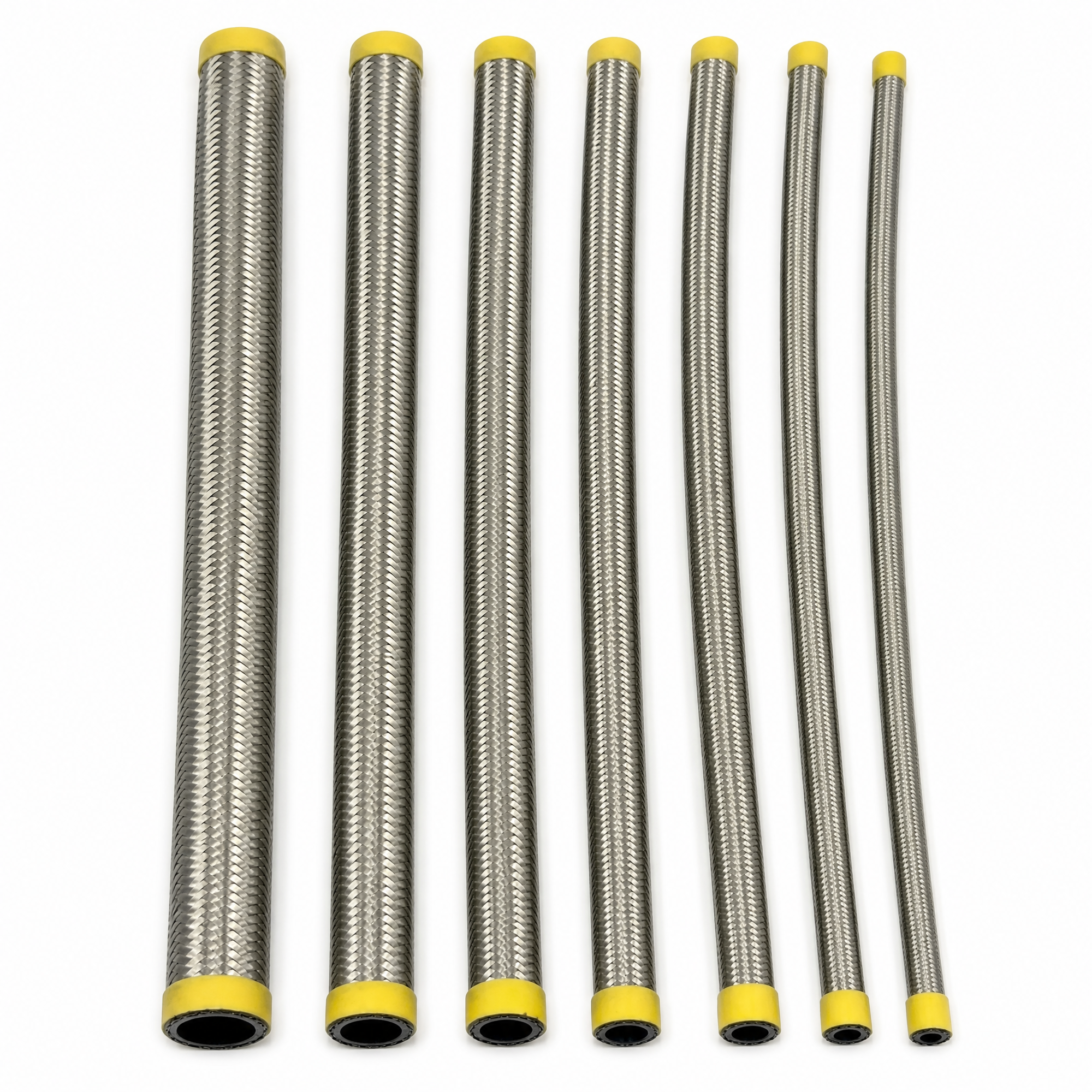
Industrial hose systems serve critical functions in hydraulics, pneumatics, chemical processing, food production, and manufacturing environments. A hydraulic hose assembly must withstand extreme pressures, temperature fluctuations, and chemical exposure without degradation or failure. Quality assurance mechanisms like pressure testing, material certification, and design validation ensure that each hose meets its intended duty cycle. Organizations ranging from ISO to API to ASTM have established comprehensive frameworks that define what constitutes acceptable industrial hose construction, testing protocols, and documentation requirements. Understanding these standards helps purchasers select the right equipment, verify supplier compliance, and maintain operational safety.
The International Organization for Standardization (ISO) has developed the most widely recognized framework for industrial hose specifications. ISO 1402 and ISO 1453 define dimensions, tolerances, and performance criteria for hose fittings and assemblies used in hydraulic systems. These standards ensure interchangeability across manufacturers and provide a common language for hydraulic hose assembly specifications worldwide. ISO 6149 and ISO 6150 establish thread forms and fitting dimensions, enabling seamless integration across different equipment suppliers. Compliance with ISO standards does not mean a hose is automatically safe for all applications; rather, it confirms that manufacturing processes, material selection, and testing protocols align with documented best practices. Many industrial buyers now require ISO certification as a baseline qualification, treating it as a minimum entry requirement rather than a guarantee of superior performance.
Industrial applications often demand chemical resistant tubing capable of handling corrosive, abrasive, or reactive fluids without compromising structural integrity. ASTM D6775 and ASTM D6776 provide standards for chemical compatibility testing of hose materials in contact with various industrial fluids. Chemical resistant tubing must be tested against the specific fluids it will encounter, with volume swell, tensile strength retention, and hardness monitored before and after exposure. ASTM F493 defines performance requirements for elastomers used in hose construction, ensuring that rubber or synthetic compounds maintain flexibility and sealing properties across temperature ranges. Material certifications document that the hose cover, tube, reinforcement, and fittings have been tested and verified to resist degradation from specific chemical exposures. Without proper chemical resistant tubing specifications, hoses can fail prematurely due to swelling, cracking, or loss of sealing function, leading to fluid leaks and safety incidents.
Temperature stability is a fundamental performance criterion in industrial hose standards. ASTM D2240 specifies durometer measurements for elastomeric materials, ensuring that hose construction maintains consistent hardness across operating temperature ranges.These standards prevent premature hose failure from environmental stress, reducing maintenance costs and improving system reliability in challenging industrial environments.
Third-party certification provides independent verification that a manufacturer's industrial hose meets published standards and performance requirements. Organizations like SAE (Society of Automotive Engineers), ISO, and ASTM International conduct or oversee testing through accredited laboratories. A certified hydraulic hose assembly bearing an SAE certification mark has undergone pressure testing, dimension verification, and material analysis by an independent party. NSF (National Sanitation Foundation) certification is critical for hoses used in food and beverage applications, confirming that materials do not leach contaminants into potable water or food products. Bureau Veritas, TÜV, and other notified bodies provide CE marking certification for hoses sold in European markets, demonstrating compliance with PED (Pressure Equipment Directive) requirements. Certification marks communicate to end users that a manufacturer has invested in quality assurance and is willing to stand behind product performance through documented compliance.
Industrial hose certification extends beyond the physical product to include comprehensive documentation and traceability records. Manufacturers must provide material certificates of analysis (CoA) confirming that steel braiding, rubber compounds, and fittings meet specified grades and chemical composition requirements. Batch traceability allows end users to track which hose assemblies were produced from specific raw material lots, enabling rapid identification if a supply issue is discovered. Pressure test records must be maintained for critical applications, documenting that each hose was individually tested and passed burst pressure verification. ISO 9001 quality management certification demonstrates that a manufacturer has established documented procedures for production, testing, and record-keeping. High pressure hose system documentation should include installation instructions, maximum working pressure, temperature limits, and compatibility information. Organizations procuring industrial hose for regulated industries such as aerospace, pharmaceutical, or petrochemical must verify that manufacturers maintain these documentation standards and can provide records upon demand.
Hydraulic hose assembly specifications are among the most stringent in industrial equipment standards. SAE J343 defines performance requirements for hydraulic hose and SAE J518 establishes code systems for hydraulic adapters and fittings. These standards make hydraulic hose assembly procurement a specialized discipline requiring deep product knowledge and vendor qualification.
Chemical resistant tubing used in processing applications must meet multiple overlapping standards addressing both pressure performance and chemical compatibility. FDA 21 CFR 177 and NSF/ANSI 51 standards apply to hoses carrying potable water, beverages, or food ingredients, requiring specific elastomers and preventing migration of harmful substances. Chemical resistant tubing for industrial applications must often be compatible with multiple fluid types, necessitating material selections that resist both organic solvents and aqueous solutions. ASTM D3137 provides guidance for elastomer compatibility with specific chemical families, allowing engineers to identify suitable hose materials before deployment. Hoses in pharmaceutical manufacturing must meet USP Class VI biocompatibility standards, confirming that materials do not release substances that could contaminate products. These overlapping requirements make chemical resistant tubing selection a technical exercise requiring cross-referencing of chemical compatibility data, pressure ratings, and regulatory constraints.
SAE standards, developed by the Society of Automotive Engineers, primarily focus on North American mobile equipment and hydraulic systems, while ISO standards provide international specifications applicable globally. Both SAE and ISO standards define pressure ratings, dimensions, and testing protocols for industrial hose, but they may use different measurement units or testing methodologies. An industrial hose that meets SAE J343 might not automatically comply with ISO 1402 specifications without additional verification. Many manufacturers produce hoses certified to both standards to serve diverse geographic markets. Buyers should specify which standard applies to their application based on equipment origin and regulatory jurisdiction. When purchasing industrial hose assemblies, confirming compliance with the applicable standard is essential for compatibility and safety.
Initial pressure testing occurs during manufacturing, with each hose verified to withstand 1.5 times its rated working pressure according to published standards. In-service recertification depends on application severity, fluid type, temperature exposure, and regulatory requirements specific to the industry. Hoses in critical aerospace or petrochemical applications may require periodic hydrostatic testing every 2 to 5 years, while general industrial hoses might operate 10 years or more without formal recertification. Visual inspection for cover damage, corrosion, or leakage should occur regularly as part of preventive maintenance. High pressure hose systems used in repetitive cycling applications may degrade faster than static applications, necessitating more frequent inspection and possible replacement. Regulatory frameworks and equipment manufacturers often specify inspection intervals, and consulting these guidelines ensures that your hydraulic hose assembly or chemical resistant tubing remains compliant and safe throughout its service life.
Food and beverage applications demand NSF (National Sanitation Foundation) certification and compliance with FDA 21 CFR 177 regulations to ensure that hose materials do not contaminate products. NSF/ANSI 51 specifically addresses hoses for dairy and beverage processing, requiring material testing to confirm that no harmful substances leach into food or water during contact. Hoses must also meet general hygiene and sanitation standards, including smooth internal surfaces that prevent bacterial growth and easy cleaning without chemical damage. Some food processors also require compliance with European food regulations (EC 1935/2004) if hoses are used in European production facilities or for imported products. Chemical resistant tubing in these applications must be selected from pre-approved material lists that balance pressure performance with food safety requirements. Certification documentation from the hose manufacturer should explicitly reference these food-grade standards, providing assurance that the product meets stringent safety and sanitation expectations.
