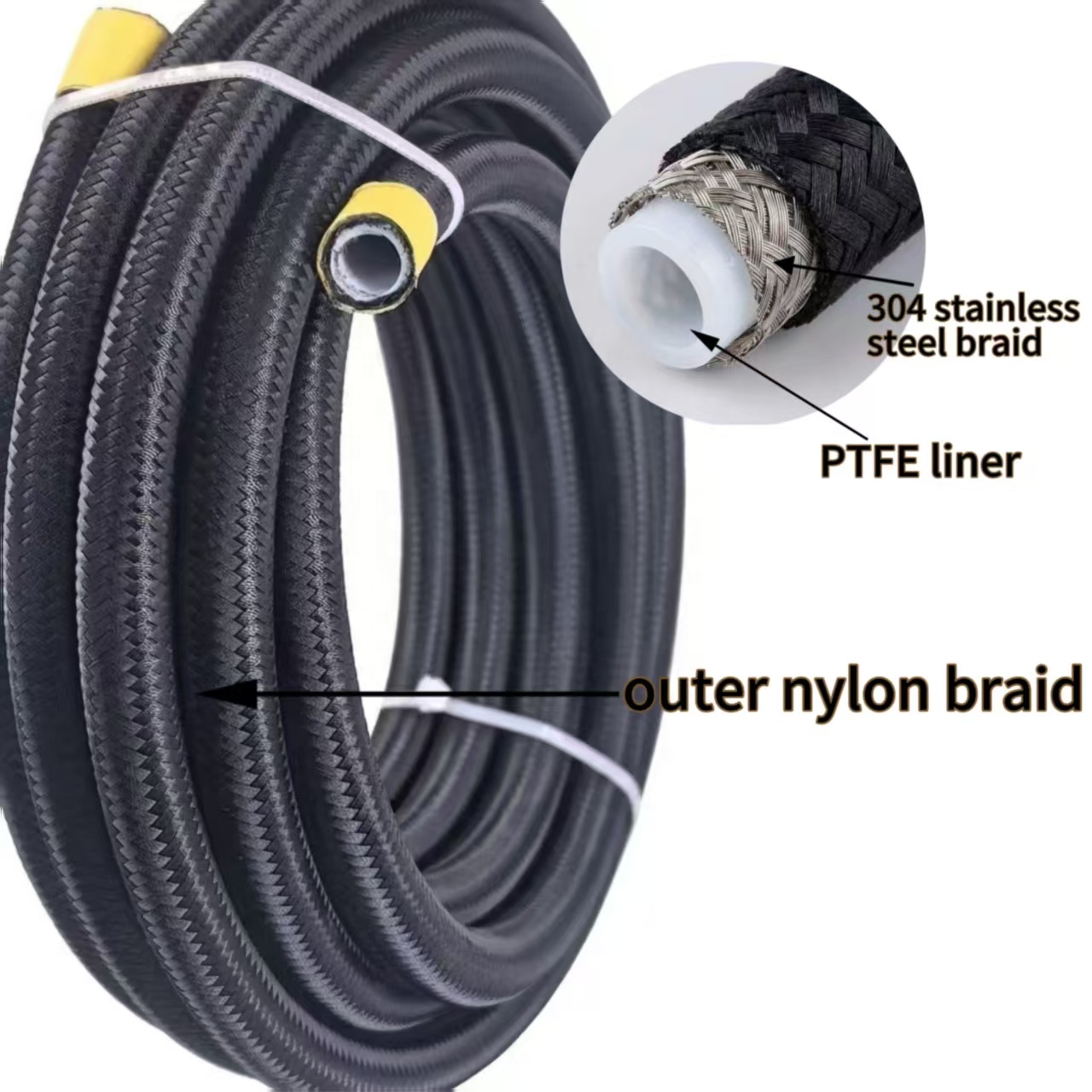
Selecting the right ptfe tube diameter is essential for achieving optimal performance in industrial fluid transfer systems. The diameter you choose directly impacts flow rate, pressure capacity, installation compatibility, and overall system efficiency. PTFE tubing, also known as teflon tubing, comes in a wide range of standardized sizes designed to meet diverse application requirements across manufacturing, chemical processing, automotive, and medical sectors. Understanding the available diameter options helps engineers and procurement specialists make informed decisions that balance performance needs with budget constraints.
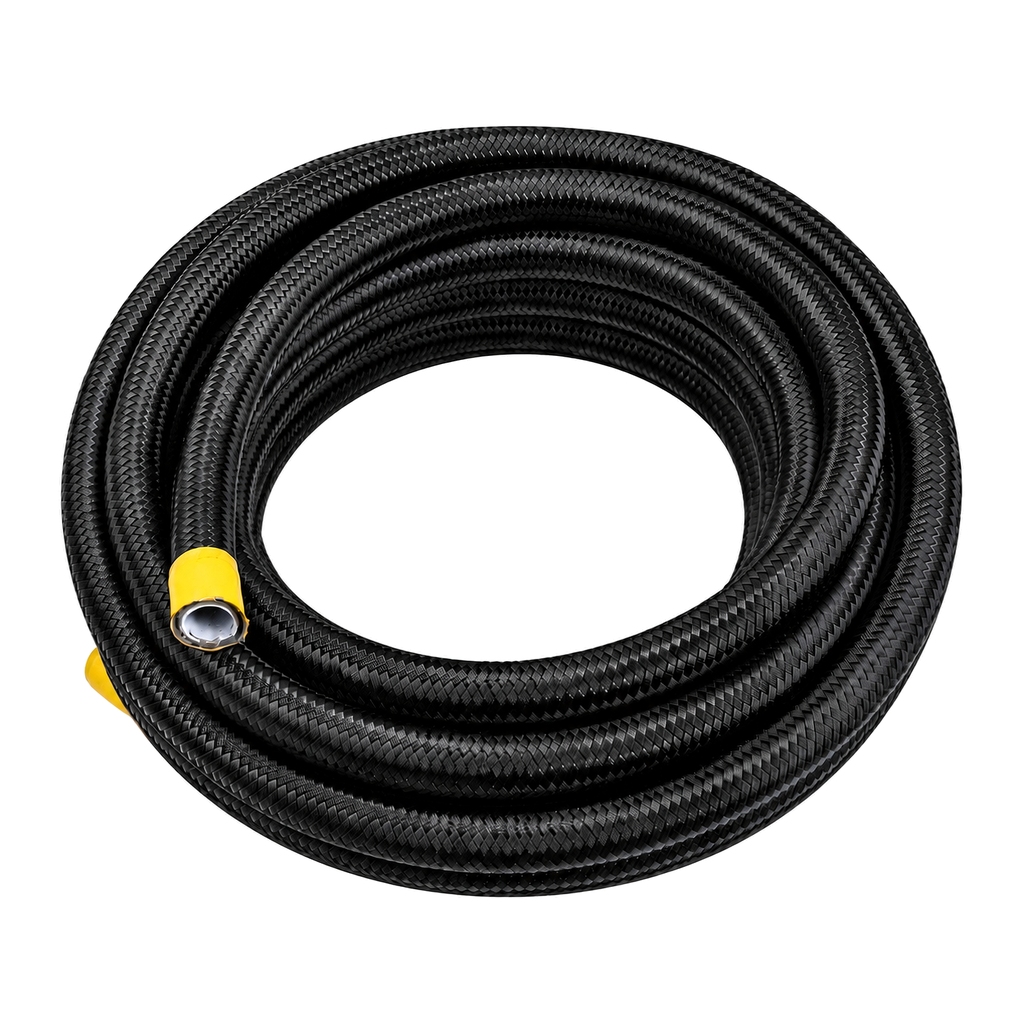
Fluoropolymer hose technology has revolutionized how industries handle aggressive chemicals, high temperatures, and sterile environments. The diameter specifications for teflon tubing reflect decades of engineering standardization and real-world industrial testing. Whether your application demands quarter-inch precision lines or larger diameter conduits for bulk transfer, the range of ptfe tubing applications extends across countless operational scenarios. This guide explores the diameter landscape, helping you navigate selection criteria and installation considerations.
Understanding PTFE Tube Diameter Standards
Common Diameter Ranges
PTFE tube diameter options typically start at 1/16 inch for precision instrumentation and extend to 2 inches or larger for industrial bulk applications. Standard metric sizes include 1.5mm, 2mm, 3mm, 4mm, 6mm, 8mm, 10mm, 12mm, 16mm, and 20mm, with many manufacturers offering custom sizes for specialized ptfe tubing applications. The most frequently specified diameters in industrial practice fall between 1/4 inch and 1 inch, as these provide excellent balance between flow capacity and installation manageability. Teflon tubing in these mid-range sizes accommodates both high-precision laboratories and production-scale manufacturing environments without requiring specialized handling equipment.
Choosing Diameter Based on Flow Requirements
Flow rate calculations depend heavily on internal diameter and system pressure. A smaller ptfe tube diameter typically restricts flow but maintains higher velocity and pressure stability, making it ideal for precision dosing and analytical applications. Conversely, larger fluoropolymer hose diameters reduce pressure drop and allow higher volumetric flow with lower velocity, preferred in bulk transfer and cooling systems. Engineers must consider both the required flow volume and acceptable pressure loss across the entire system length. Material compatibility with transported fluids further constrains diameter selection, as different chemical environments may require specific teflon tubing wall thicknesses and reinforcement structures.
Industrial Applications and Diameter Mapping
Chemical Processing and Laboratory Systems
Chemical laboratories and processing plants frequently rely on smaller ptfe tube diameters ranging from 1/16 inch to 3/8 inch. These sizes offer precision chemical metering, sample transfer, and reagent delivery without excessive waste or safety concerns. Fluoropolymer hose in laboratory settings often requires compatibility with corrosive solvents, strong acids, and organic compounds where standard materials would fail. Teflon tubing provides inert performance while maintaining dimensional stability across wide temperature ranges. The diameter selection in these environments prioritizes chemical resistance and ease of connection to analytical instrumentation over raw flow capacity.
Automotive and High-Performance Systems
Racing and high-performance automotive applications utilize specialized ptfe tubing applications with diameters matched to extreme pressure and temperature cycling. Braided reinforced PTFE tube constructions in 3/16 inch, 1/4 inch, and 3/8 inch sizes deliver fuel line integrity, brake fluid containment, and coolant circulation under demanding conditions. Automotive engineers select teflon tubing diameter based on engine displacement, fuel pump flow rate, and system architecture constraints. Fluoropolymer hose resists degradation from ethanol-blended fuels, synthetic oils, and high-temperature thermal cycling that would compromise rubber or nylon alternatives. The compact installation space in modern vehicles often dictates smaller ptfe tube diameters that maintain pressure performance without requiring bulky conduit routing.
Medical and Pharmaceutical Equipment
Medical device manufacturers specify ptfe tubing applications requiring sterile, non-reactive fluid paths for infusion, dialysis, and analytical instrumentation. Precision diameters between 0.5mm and 3mm are common in these sectors, enabling accurate dosing and eliminating risk of contaminant leaching into sensitive formulations. Teflon tubing in medical applications undergoes rigorous certification and traceability documentation, with diameter specifications matched to regulatory requirements and device design parameters. Fluoropolymer hose resistance to sterilization methods including gamma radiation, ethylene oxide, and autoclaving makes it essential for single-use and reusable medical device systems. The smaller ptfe tube diameters reduce sample volume waste while maintaining biocompatibility standards.
Diameter Selection Criteria and Technical Considerations
Pressure Rating and Wall Thickness
PTFE tube diameter correlates directly with pressure capacity when wall thickness remains constant. Smaller ptfe tubing applications can achieve higher burst pressures due to reduced hoop stress, while larger fluoropolymer hose requires thicker walls to maintain equivalent pressure ratings. Standard pressure grades range from 300 psi for basic applications to 6000 psi for extreme-pressure industrial systems, with each ptfe tube diameter available in multiple wall thickness options. Engineers must cross-reference diameter specifications with required system pressure to ensure safety margin and regulatory compliance. Reinforcement structures like nylon braid significantly enhance teflon tubing pressure capacity without substantially increasing outer diameter, enabling compact high-pressure designs.
Temperature Operating Range and Installation Space
PTFE demonstrates exceptional thermal stability from cryogenic temperatures near absolute zero to continuous operating limits around 500°F, enabling ptfe tubing applications across extreme temperature environments. Smaller ptfe tube diameters dissipate thermal stress more efficiently through their lower surface area and mass, beneficial in temperature cycling applications. Installation constraints frequently dictate diameter selection, particularly in confined machinery spaces where routing multiple ptfe tube lines requires careful bundle planning. Larger fluoropolymer hose may demand dedicated conduit or protective sleeving, increasing installation complexity and material costs. Teflon tubing diameter decisions must therefore account for the three-dimensional installation geometry alongside raw performance metrics.
Connection point compatibility significantly influences ptfe tube diameter selection in retrofit and integration projects. Standard fitting threads and SAE port sizes establish de facto diameter ranges that fit existing connector ecosystems. Choosing ptfe tubing applications with non-standard diameters may require custom adapter fabrication, increasing project timelines and expenses. Fluoropolymer hose manufacturers maintain broad diameter inventories specifically to minimize connector cost and integration complexity. This practical consideration often proves decisive when comparing diameter options that offer comparable technical performance.
FAQ
What ptfe tube diameter sizes are most commonly stocked by industrial suppliers?
Most distributors maintain primary inventory in 1/16 inch, 1/8 inch, 1/4 inch, 3/8 inch, 1/2 inch, and 3/4 inch inner diameter PTFE tube sizes. These standard sizes support the majority of industrial applications including chemical processing, hydraulics, and laboratory instrumentation. Metric equivalents like 3mm, 6mm, 10mm, 12mm, and 16mm are equally available in regions using ISO standards. Teflon tubing and fluoropolymer hose in these diameters typically ship within standard lead times without custom manufacturing delays. Confirming availability before finalizing engineering specifications helps prevent project delays and maintains budget predictability.
How do I calculate the correct ptfe tubing diameter for my application?
Start by determining required flow rate in gallons per minute or liters per minute, then reference pressure drop tables published by ptfe tube manufacturers. These tables show how different diameters affect velocity and pressure loss across typical system lengths. Cross-check your selected fluoropolymer hose diameter against maximum safe working pressure to ensure burst safety margins exceed your system requirements by at least 4:1. Consult with supplier technical teams who can provide detailed sizing calculations based on your specific teflon tubing applications and operating conditions. Many manufacturers offer online diameter sizing tools that account for flow rate, pressure, temperature, and fluid type simultaneously.
Can I use smaller ptfe tube diameters to reduce costs in high-pressure applications?
While smaller ptfe tubing diameters may reduce initial material costs, they increase pressure drop, velocity stress, and pump workload, often resulting in higher total system costs. Undersized fluoropolymer hose requires higher pressure to maintain adequate flow, consuming more energy and generating excess heat in teflon tubing lines. Smaller diameter selections also limit future flow expansion if application requirements increase, forcing expensive retrofitting. System reliability improves when ptfe tube diameter is correctly matched to actual flow and pressure requirements rather than constrained by budget minimization. Consultation with experienced engineers ensures that diameter selection balances upfront material cost against long-term operational efficiency and maintenance expenses.
 EN