 EN

what-are-rubber-hoses-used-for-in-industrial-settings, what-are-rubber-hoses-used-for-in-industrial-settings, /news
EN
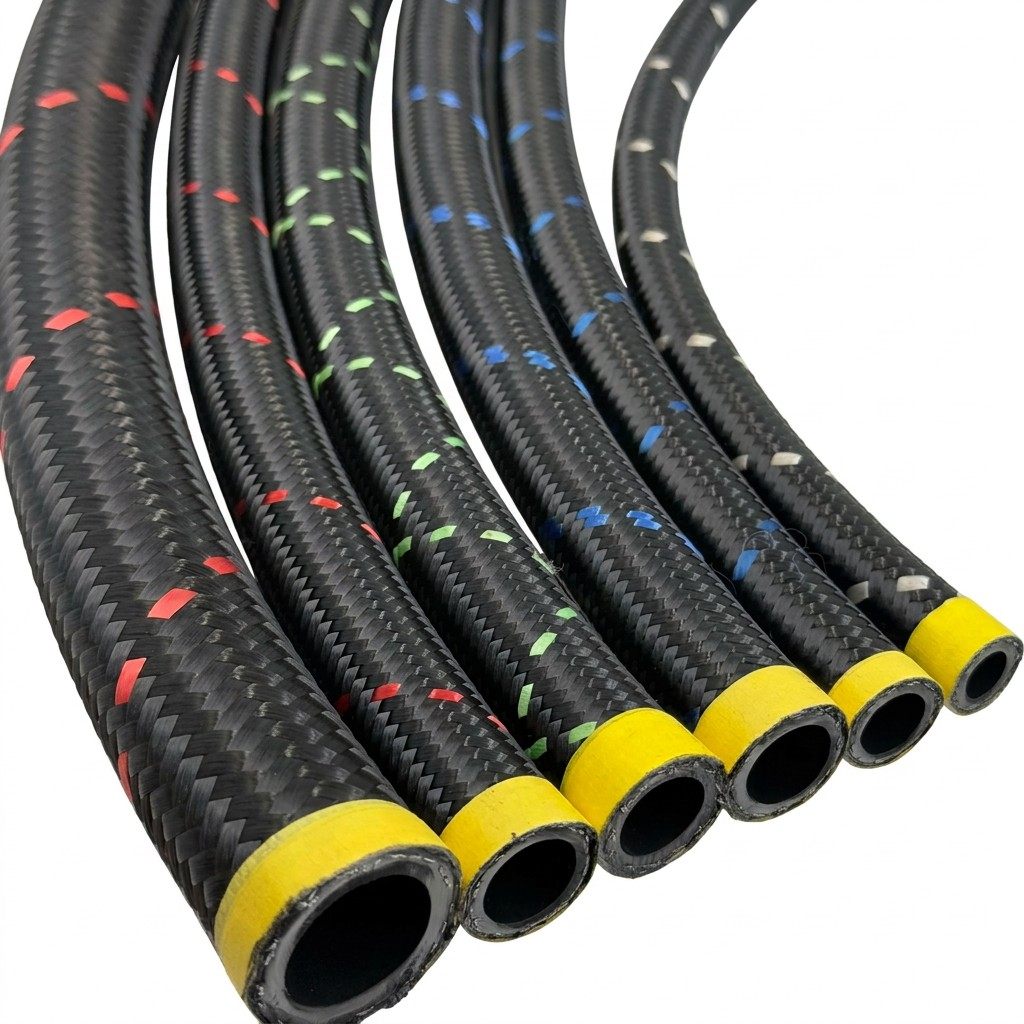
Rubber hoses are fundamental components in industrial environments, delivering fluids, gases, and slurries across manufacturing plants, construction sites, and processing facilities. Understanding their role and capabilities is essential for engineers, maintenance teams, and facility managers who need reliable fluid transfer solutions. Industrial operations depend on rubber hoses to move everything from hydraulic fluid and coolant to abrasive materials and chemical solutions, making them indispensable for productivity and safety.
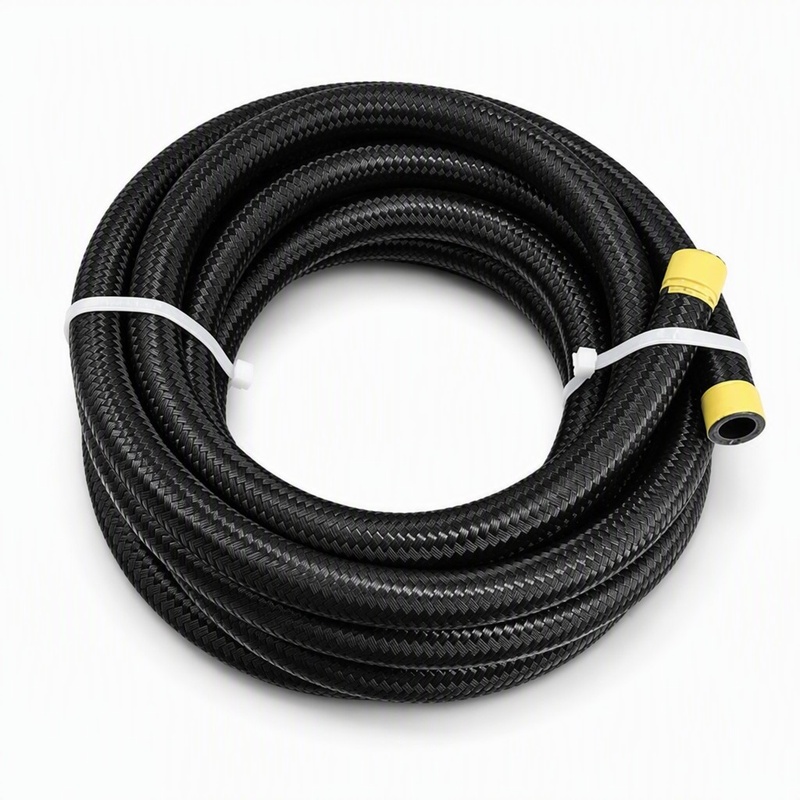
The diversity of industrial hose applications reflects the complexity of modern manufacturing and heavy equipment operation. Each application demands specific material properties, pressure handling capacity, and resistance to environmental factors. Whether transporting hydraulic power through construction equipment, moving coolant in machine shops, or handling corrosive chemicals in refineries, the right hose selection directly impacts operational efficiency, worker safety, and equipment longevity.
Hydraulic systems power the majority of heavy equipment in construction, mining, and manufacturing sectors. Industrial hose applications for hydraulic systems require robust construction that withstands extreme pressure fluctuations and thermal stress. These hoses transmit pressurized fluid from pumps to actuators, cylinders, and motors, enabling controlled movement of massive machinery. Rubber hoses in hydraulic lines must maintain integrity under working pressures often exceeding 3,000 psi, demanding reinforced construction with synthetic rubber inner tubes and high-tensile wire or textile braiding.
Machine tool operations generate significant heat, requiring efficient coolant circulation to maintain precision and tool life. Industrial hose applications extend to delivering cutting fluids, hydraulic oils, and cooling water throughout manufacturing facilities. These systems often run continuously during production shifts, subjecting hoses to temperature cycling, abrasion from vibrating equipment, and exposure to mixed chemical additives in modern coolant formulations. The reliability of these circulation hoses directly affects production uptime and part quality.
Hose pressure ratings define the maximum working pressure a hose can safely handle under normal operating conditions. These ratings depend on inner tube material, reinforcement structure, hose diameter, and manufacturing standards. Industrial applications require careful matching of hose pressure ratings to system specifications, as undersized hoses risk failure and oversized hoses create unnecessary cost and weight penalties. Typical hose pressure ratings range from 150 psi for low-pressure applications to 5,000 psi or higher for specialized hydraulic systems. Engineers must account for peak pressures, surge conditions, and safety factors when selecting appropriate pressure-rated products.
The rubber compound, reinforcement layers, and cover material determine a hose's resistance to pressure, temperature, and chemical attack. Synthetic rubber formulations offer superior performance compared to natural rubber in industrial environments where temperature extremes and harsh chemicals are common. Nylon braid, steel wire spiral, and fabric reinforcement each provide different pressure-handling characteristics and flex properties. Industrial hose applications in demanding environments require materials engineered to withstand ozone, UV exposure, and thermal degradation while maintaining flexibility and seal integrity.
Chemical resistant hoses protect both equipment and personnel in industries handling corrosive, toxic, or flammable materials. Refineries, chemical processing plants, and pharmaceutical manufacturers depend on chemical resistant hoses engineered for specific fluid compatibility. Rubber compound selection becomes critical in these environments, as incompatible materials degrade rapidly, risking leaks and environmental contamination. Industrial hose applications involving aggressive chemicals require detailed fluid compatibility data and proper hose material verification before deployment. Chloroprene rubber, EPDM, and Viton compounds each excel with different chemical families, making material selection a crucial engineering decision.
Industrial hose applications in regulated industries must meet specific safety standards and chemical compatibility requirements. OSHA guidelines, EPA regulations, and material certification standards dictate hose selection for hazardous fluid transfer. Chemical resistant hoses must demonstrate proven compatibility through accelerated aging tests and chemical immersion studies. Failure to use properly rated chemical resistant hoses creates liability exposure, environmental risk, and potential workplace safety violations. Maintenance teams must maintain detailed records of hose material certifications and replacement schedules to ensure ongoing compliance and operational safety.
Hose pressure ratings must exceed your system's maximum working pressure plus safety margins, typically 25 percent above peak operating pressure. Equipment manufacturers specify required pressure ratings in technical documentation. Considering surge pressures from pump startup and sudden valve closure helps ensure hose longevity. Undersized pressure-rated hoses fail prematurely, while oversized selections add unnecessary cost and installation complexity. Consulting system schematics and pressure monitoring data ensures proper selection.
Hydraulic systems operate at high pressures, requiring robust rubber hoses with heavy reinforcement and specialized inner tube materials. Pneumatic systems operate at lower pressures but demand moisture resistance and cleanliness to prevent corrosion inside airline networks. Industrial hose applications for pneumatics prioritize inner tube durability against dry air abrasion rather than extreme pressure handling. Understanding these differences prevents costly system failures and ensures equipment reliability.
Chemical resistant hoses offer superior compatibility with aggressive fluids but cost more than standard industrial rubber hoses designed for conventional applications. Selecting chemical resistant hoses for basic coolant or hydraulic applications represents unnecessary expense without performance benefit. However, using standard hoses in chemical environments risks rapid degradation and safety hazards. Match hose material to actual fluid exposure to optimize both safety and cost-effectiveness in your operations.
