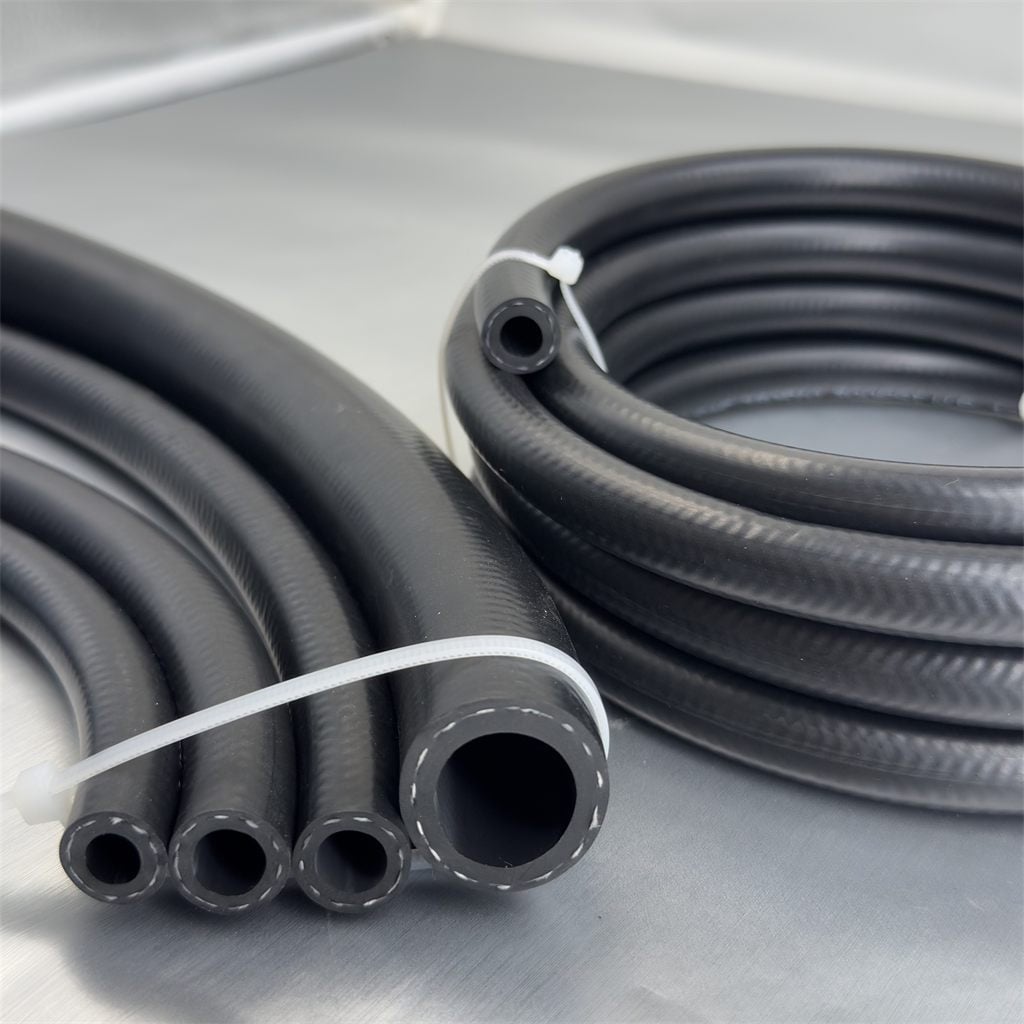
Understanding the different types of rubber tubes is essential for selecting the right solution for your industrial application. Rubber tubes serve as critical components in fluid transfer systems, hydraulic operations, and pneumatic applications across manufacturing, automotive, construction, and agriculture sectors. The choice between various rubber tubing options directly impacts system performance, durability, and operational cost-effectiveness.
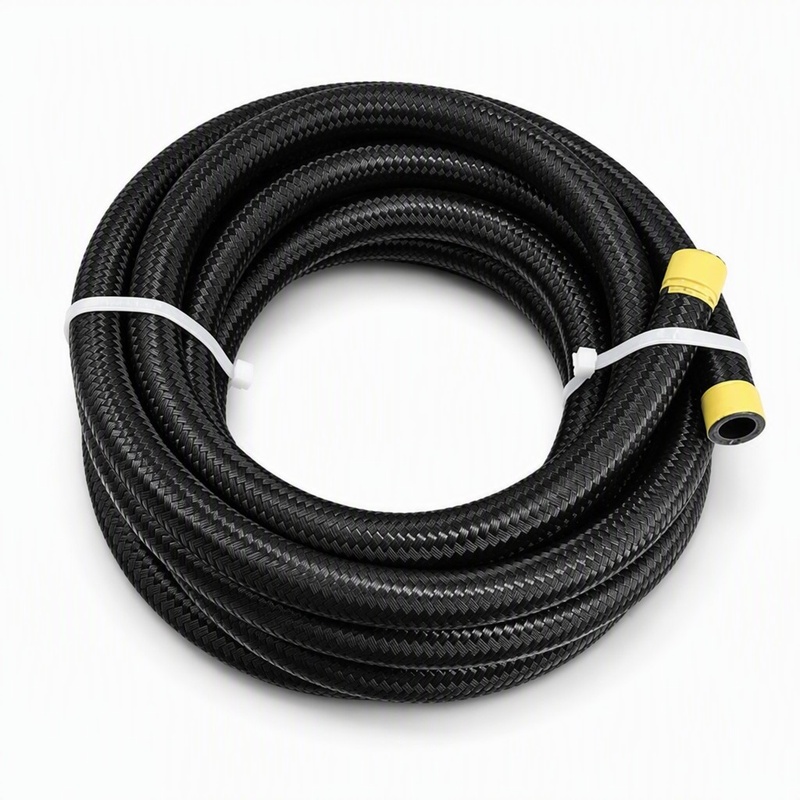
Industrial environments demand specialized rubber tubes that can withstand extreme conditions, temperature variations, chemical exposure, and mechanical stress. Each type of rubber tubing has distinct material properties, pressure ratings, temperature tolerance, and application suitability. Recognizing these differences enables engineers, procurement professionals, and maintenance teams to make informed decisions that reduce system failures, extend equipment lifespan, and optimize operational efficiency.
Standard Industrial Rubber Tubing Characteristics
Natural and Synthetic Rubber Composition
Natural rubber tubing offers excellent elasticity, resilience, and flexibility, making it suitable for low to moderate pressure applications requiring frequent movement and bending. Industrial rubber tubing manufactured from synthetic materials such as nitrile, neoprene, and EPDM provides superior resistance to oils, chemicals, ozone, and extreme temperatures compared to natural rubber alternatives. Synthetic options expand the operational range of flexible rubber hoses beyond traditional environments, enabling deployment in food processing, chemical plants, automotive fuel systems, and refrigeration units where specific compatibility requirements exist.
Reinforcement Structures and Pressure Ratings
Flexible rubber hoses designed for low-pressure applications typically feature single or minimal reinforcement layers, whereas high-pressure rubber conduits incorporate multiple braided or spiral wire reinforcement patterns. A wire-braided construction provides mechanical protection and prevents hose expansion under pressure, making these systems ideal for hydraulic applications delivering energy-intensive operations. Spiral-wound designs offer superior strength-to-weight ratios and enable tighter bending radius specifications, critical for space-constrained industrial environments requiring compact routing.
Classification by Application and Pressure Range
General Purpose and Low-Pressure Solutions
General purpose rubber tubing handles suction and discharge applications in water transfer, air conveying, and moderate fluid movement systems operating below 100 PSI. These flexible rubber hoses remain cost-effective for non-critical applications where temperature stability and chemical resistance requirements remain minimal. Common uses include garden applications, workshop machinery cooling, material transfer in light industrial settings, and temporary fluid conveyance during maintenance or emergency situations where standard infrastructure is unavailable.
Medium and High-Pressure Industrial Applications
Industrial rubber tubing rated for 200 to 500 PSI applications serves hydraulic power systems, pneumatic tool operations, and pressurized fluid delivery in construction equipment, manufacturing machinery, and agricultural implements. High-pressure rubber conduits designed for 1000 PSI and above provide critical safety margins in extreme-duty hydraulic systems powering excavators, loaders, presses, and specialized industrial machinery. These reinforced solutions incorporate advanced elastomer formulations with enhanced tensile strength, ensuring reliable performance through thousands of operational cycles without degradation or burst failures.
Specialized Tube Types and Environmental Resistance
Chemical and Oil-Resistant Formulations
Nitrile-based rubber tubes excel in fuel, oil, and chemical handling applications where traditional natural rubber deteriorates rapidly. These industrial rubber tubing variants maintain structural integrity when exposed to petroleum derivatives, solvents, and industrial lubricants that would compromise standard elastomers. Neoprene formulations provide balanced chemical resistance combined with excellent weather durability, making them preferred for outdoor equipment, marine applications, and installations experiencing direct sunlight exposure over extended service periods.
Temperature Extremes and Specialized Environments
EPDM-based rubber hoses accommodate extreme temperature fluctuations ranging from below freezing to 250 degrees Fahrenheit, supporting steam applications, industrial ovens, and cryogenic fluid transfer systems. Silicone rubber tubes handle even higher temperature specifications approaching 400 degrees Fahrenheit while maintaining flexibility, though at elevated material costs. Flexible rubber hoses for ultra-low temperature environments employ specialized elastomer blends preventing brittleness and cracking, enabling reliable operation in cold storage facilities, industrial freezers, and arctic climate applications where conventional tubing becomes unsafe.
FAQ
What distinguishes high-pressure rubber conduits from standard flexible rubber hoses?
High-pressure rubber conduits incorporate multiple layers of wire or textile braiding to contain forces exceeding 1000 PSI, while flexible rubber hoses typically handle pressures below 300 PSI with single or minimal reinforcement. The reinforcement architecture prevents catastrophic failure and reduces expansion under load, essential for safety-critical hydraulic systems where hose rupture could cause equipment damage or workplace injury.
How do I select appropriate industrial rubber tubing for chemical applications?
Verify the chemical compatibility of your tube material against the specific fluids your system will encounter by consulting elastomer compatibility charts provided by manufacturers. Nitrile and neoprene formulations handle most petroleum-based chemicals effectively, while EPDM excels with water-based fluids and steam, and Viton resists extreme chemical aggression in specialized processing environments.
What maintenance practices extend rubber tube service life?
Regular inspection for surface cracks, bulging, or discoloration prevents unexpected failures while protecting downstream equipment and personnel. Protect tubes from direct sunlight exposure, maintain appropriate storage temperatures, and replace visibly degraded sections before they develop leaks or burst under operational pressure, ensuring consistent system reliability.
 EN