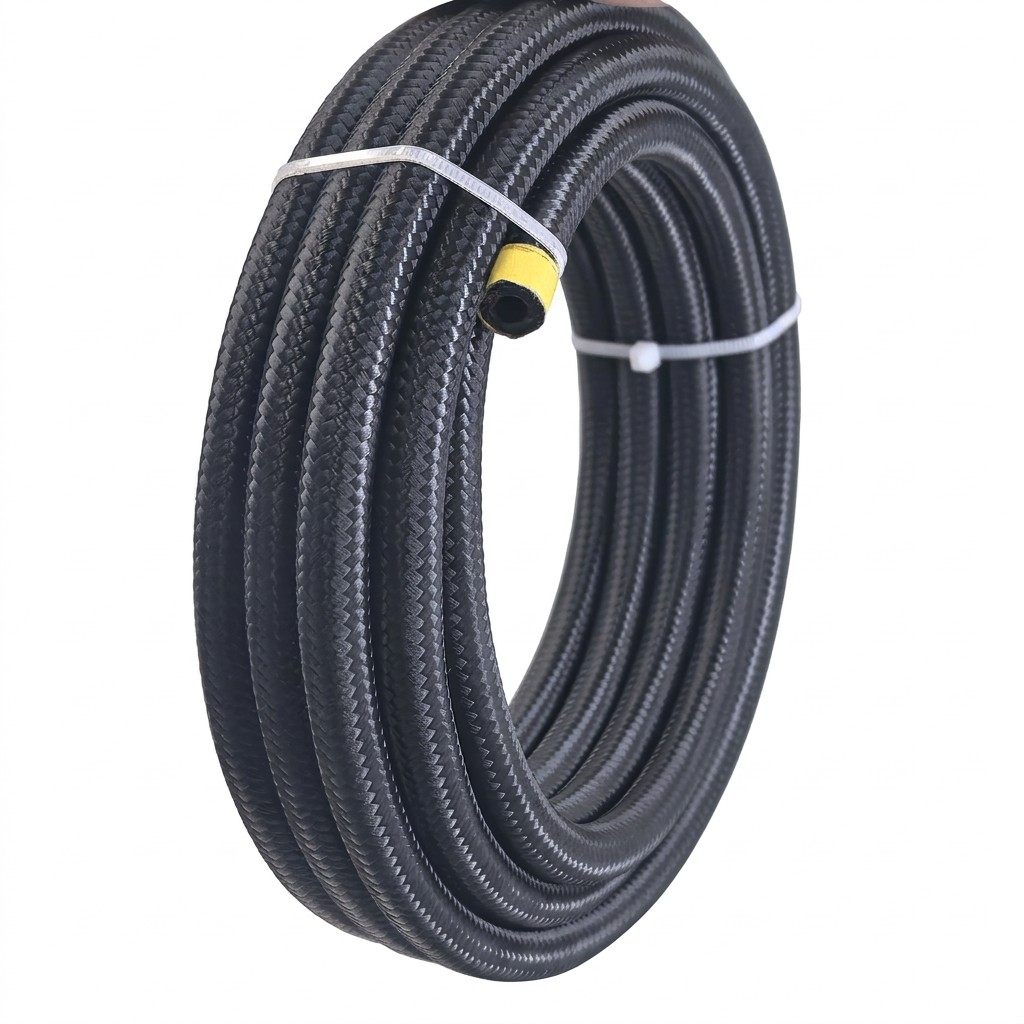
Rubber tubes are critical components in countless industrial applications, from hydraulic systems to fluid transfer lines. Yet despite their durability, rubber tubes fail regularly in operations worldwide, causing costly downtime and safety risks. Understanding what causes rubber tubes to crack and fail is essential for maintenance professionals, facility managers, and engineers who depend on reliable fluid conveyance systems. The failure mechanisms are predictable and often preventable when root causes are properly understood.
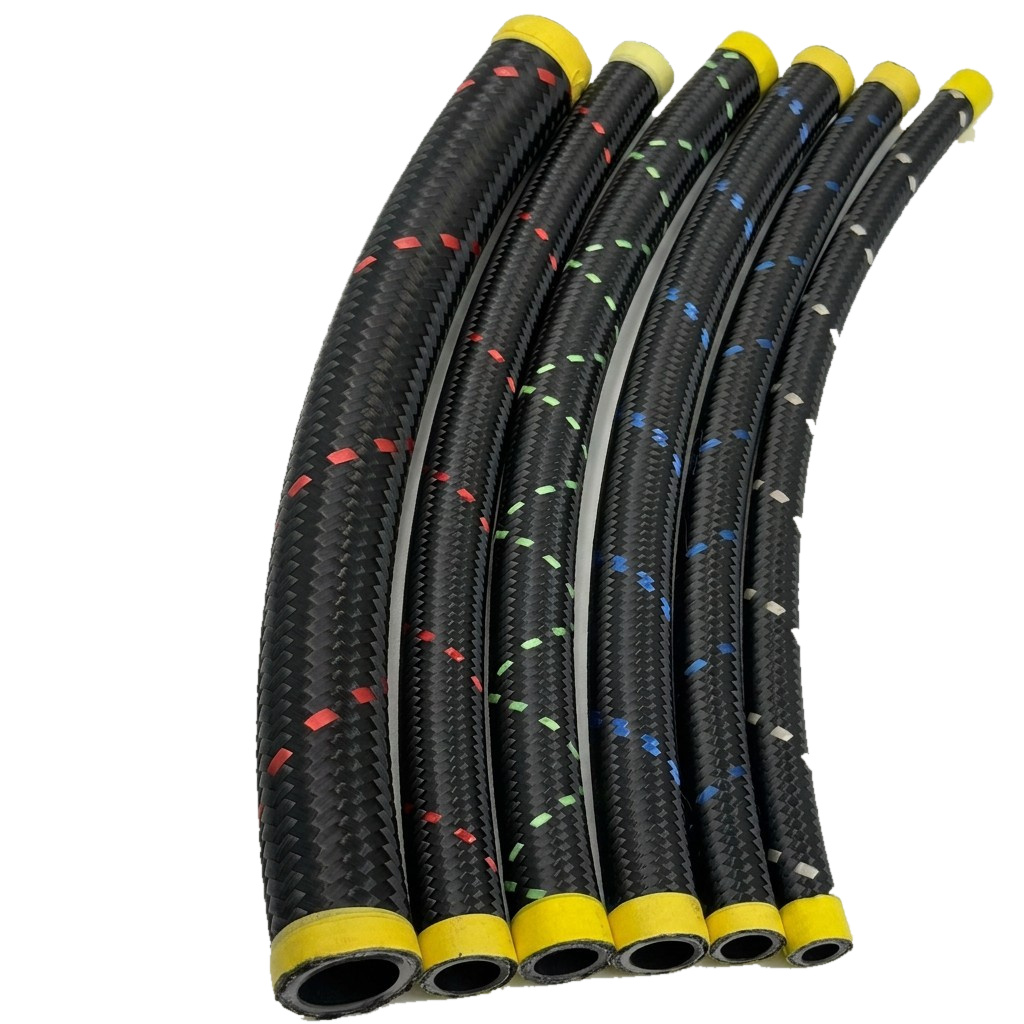
The science behind rubber tube degradation involves both environmental stressors and material limitations. Flexible rubber hoses degrade through multiple simultaneous mechanisms, including ozone attack, ultraviolet exposure, thermal cycling, and mechanical stress. When these factors combine, even premium-grade industrial rubber tubing can lose structural integrity faster than expected. Recognizing these failure modes allows operators to extend service life and select appropriate solutions for specific operating conditions.
Ozone Exposure and Chemical Attack
How Ozone Damages Rubber Materials
Ozone is one of the most aggressive environmental threats to rubber tubes in outdoor and urban settings. When atmospheric ozone contacts the rubber surface, it reacts directly with carbon double bonds in the polymer chain, breaking molecular connections. This process, called ozone cracking, creates visible stress marks and microscopic fissures that propagate under pressure and flexing. Industrial rubber tubing exposed to high-ozone environments like urban centers or near industrial emissions shows cracking patterns within weeks rather than months.
The mechanism of ozone attack is particularly severe on stretched or flexed surfaces. When rubber tubes experience mechanical stress simultaneously with ozone exposure, cracks initiate faster and grow deeper. High-pressure rubber conduits carrying fluids under constant load are especially vulnerable, as the tensioned rubber surface presents maximum reactivity to atmospheric ozone. Protection requires either barrier coatings, ozone-resistant materials, or relocation of vulnerable tubes away from high-ozone zones.
Chemical Compatibility and Solvent Absorption
Beyond ozone, aggressive chemicals and solvents can penetrate rubber tubes and degrade the polymer matrix from within. Certain industrial fluids, fuels, and cleaning agents swell rubber materials, reducing structural rigidity and promoting crack formation. Flexible rubber hoses designed for water or food-grade applications fail rapidly when exposed to petroleum products, acetone, or strong mineral solvents. Each rubber compound has specific chemical compatibility limits documented in material datasheets.
The interaction between rubber tubes and incompatible fluids also weakens the connection between the hose body and reinforcement layers. When the rubber core swells from solvent absorption, adhesion between the elastomer and wire braiding or spiral reinforcement degrades. This separation leads to delamination, where layers separate internally, causing sudden rupture under pressure. Selecting the correct elastomer chemistry for the transported fluid is non-negotiable for long-term reliability.
Temperature Fluctuations and Thermal Stress
Thermal Cycling and Material Fatigue
Temperature changes create dimensional stress in rubber tubes that accelerates failure over time. When industrial rubber tubing experiences repeated heating and cooling cycles, the rubber expands and contracts at a different rate than its reinforcement layers. This differential expansion generates internal shear stress that eventually ruptures the bond between components. Outdoor installations in climates with large daily or seasonal temperature swings experience accelerated aging through this thermal cycling mechanism.
Extreme temperature exposure directly damages the rubber polymer itself. Heat causes rubber molecules to break apart in a process called thermooxidative degradation, reducing elasticity and increasing brittleness. Cold temperatures make rubber tubes stiff and more prone to cracking under pressure or during installation. High-pressure rubber conduits operating at temperature extremes beyond their rated range lose structural integrity within weeks, regardless of other conditions. Material selection must account for the full range of temperatures the tubes will encounter.
Cold Flow and Brittleness at Low Temperatures
Exposure to sustained cold temperatures creates a specific failure mode called cold flow, where rubber loses its elasticity and becomes rigid. When flexible rubber hoses become brittle, they crack easily during normal operation or installation. Bending or flexing cold tubes causes stress concentrations that initiate cracks, which then grow under internal pressure. Tubes stored in unheated warehouses or used in cold climate regions must be specified with cold-temperature resilience or protected with insulation.
The transition to brittleness is not always gradual. Some rubber formulations cross a threshold temperature below which they fracture suddenly. Rubber tubes removed from a warm environment and immediately pressurized in cold conditions experience catastrophic brittle fracture with minimal warning. This failure mode is particularly dangerous in systems where tubes are subjected to high pressure, as the crack propagation is violent and rapid.
Mechanical Stress and Design Limitations
Over-Pressurization and Burst Failure
Pressure beyond the rated working limit is a primary cause of rubber tube failure. When operating pressure exceeds design specifications, the internal hoop stress on industrial rubber tubing reaches levels the material cannot sustain. The reinforcement fibers or wire braid yield, allowing the elastomer to stretch excessively and eventually rupture. Over-pressurization failures are often sudden and dramatic, releasing stored energy and fluid with force. Systems must include pressure relief valves and accurate gauges to prevent tubes from exceeding their rating.
Pressure spikes create transient stresses that can exceed steady-state limits significantly. Shock waves from rapid valve closures, pump start-up surges, or thermal expansion of trapped fluid generate momentary pressures far above normal operating levels. Even brief excursions above rated pressure can initiate small cracks in rubber tubes that grow progressively until failure occurs. Protection requires pressure-limiting devices and proper system commissioning to prevent shock loading.
Mechanical Abrasion and Fatigue
The outer surfaces of flexible rubber hoses experience wear from rubbing against sharp edges, moving equipment, or rough surfaces. Abrasion removes protective outer layers and exposes the underlying rubber to environmental damage. Once the surface coating or outer layer is compromised, ozone, UV, and chemicals attack the inner material more aggressively. Tubes routed near rotating machinery, sharp mounting brackets, or vibrating equipment show accelerated abrasion damage.
Repeated flexing of high-pressure rubber conduits creates internal fatigue in the rubber matrix, similar to metal fatigue. Each bend cycle generates stress concentrations that propagate slowly as microcracks. After thousands or millions of cycles, these microscopic cracks merge into visible fractures. Tubes in applications requiring frequent movement, such as on articulating equipment or with pulsating flow, must be rated for dynamic conditions and inspected regularly for crack initiation. Proper routing and support reduce unnecessary flexing and extend service life significantly.
FAQ
What is the most common cause of rubber tube failure in industrial settings?
Over-pressurization and incompatible fluid exposure are among the most frequent failure causes. Over-pressure creates stress that exceeds the tube rating, while wrong fluid compatibility allows the rubber to swell and degrade. Environmental factors like ozone and UV radiation also cause widespread failures, particularly in outdoor applications. Proper selection of tube pressure rating and elastomer chemistry prevents many field failures.
How can operators extend the service life of flexible rubber hoses?
Regular visual inspection for cracks, discoloration, or hardening allows early detection of degradation before failure occurs. Protecting tubes from direct sunlight and ozone-rich environments through routing and coverings significantly extends life. Maintaining operating pressure within rated limits and ensuring thermal conditions stay within specifications prevents stress-related failures. Using the correct industrial rubber tubing for the specific fluid and application eliminates incompatibility issues that accelerate failure.
Can high-pressure rubber conduits be repaired once cracking begins?
Once visible cracking appears in rubber tubes, structural integrity is compromised and replacement is necessary. Temporary patches or wraps may slow leakage briefly but do not restore the tube to safe operating condition. Continued operation with cracked tubes risks sudden rupture, fluid spillage, and potential safety incidents. Regular inspection and proactive replacement before cracks develop ensures system reliability and worker safety.
 EN