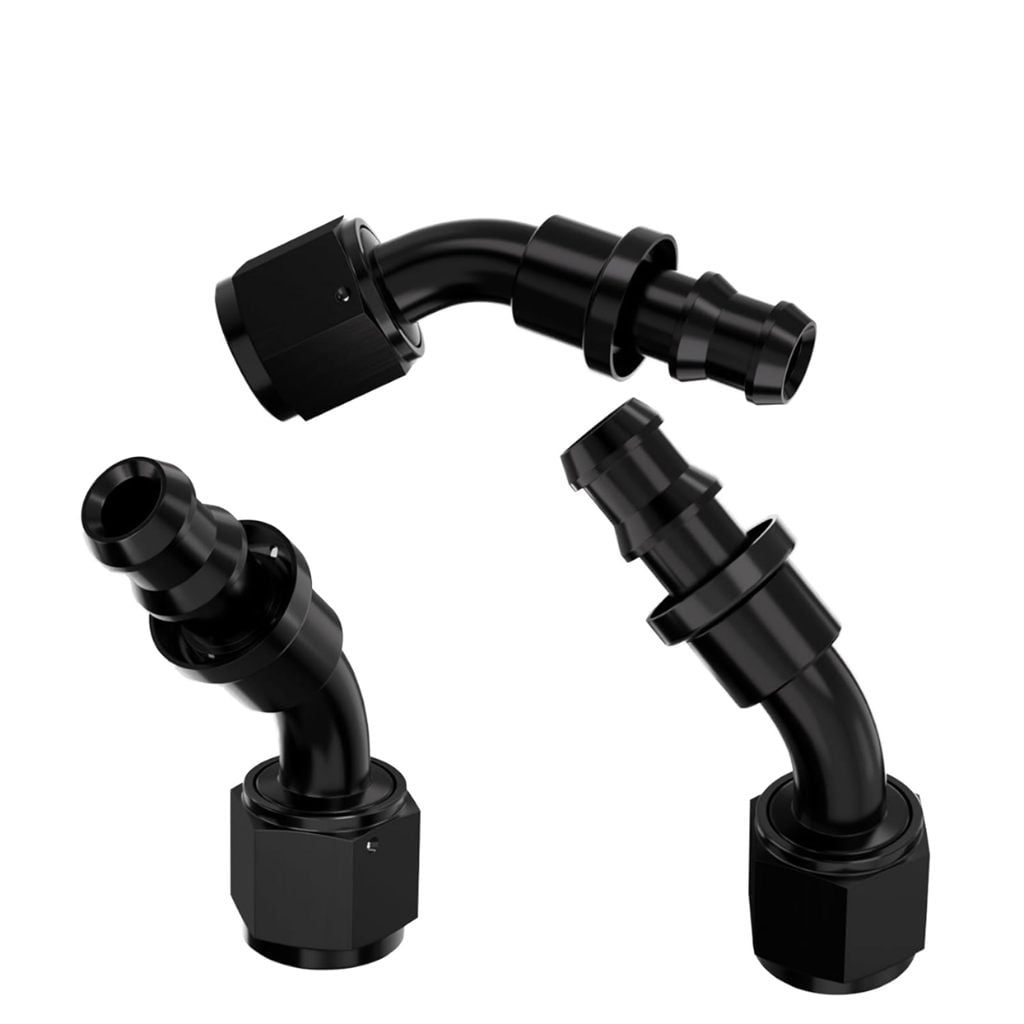
An AN fitting represents a standardized hydraulic and pneumatic connector system used extensively in aerospace, military, and high-performance automotive applications. These precision components demand rigorous certification to guarantee safety, reliability, and performance under extreme operating conditions. Understanding the certifications your AN connector must carry is critical for procurement, compliance, and operational success in regulated industries.
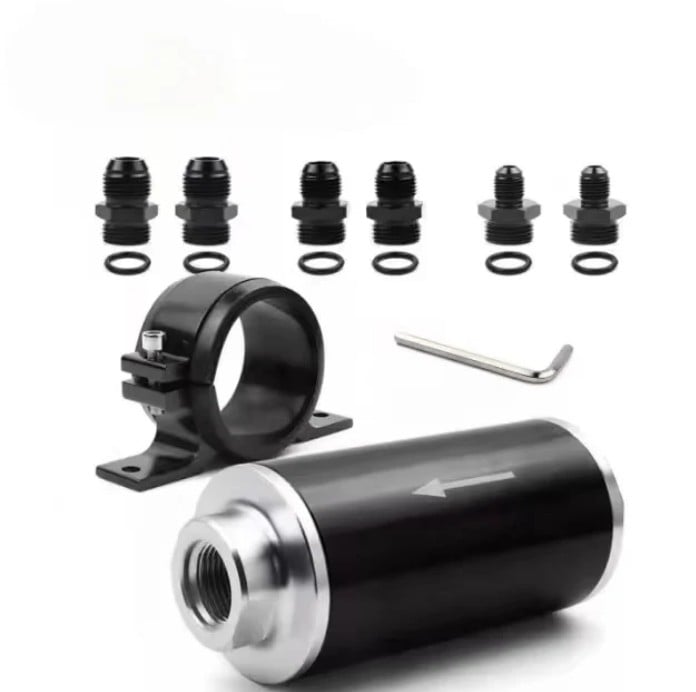
The certification landscape for AN fittings encompasses multiple standards developed by aerospace authorities, military specification bodies, and international organizations. Each certification validates specific attributes including dimensional accuracy, material composition, pressure rating, corrosion resistance, and performance under dynamic conditions. Selecting AN thread adapter components and AN quick disconnect coupling assemblies without proper certification can lead to system failures, safety breaches, and regulatory violations in critical applications.
Core Aerospace and Military Standards
MS and MIL-DTL Specifications
Military Standard MS specifications and MIL-DTL (Military Dimension Technical) standards form the foundation of AN fitting certification. These rigorous standards ensure that every AN connector meets exacting requirements for fit, function, and durability in aircraft hydraulic systems, fuel lines, and pressurized applications. AN thread adapter components manufactured under MS standards undergo dimensional verification, burst testing, and material analysis to confirm compliance with military-grade expectations.
MIL-DTL certification covers detailed technical specifications for AN fitting geometry, material properties, finish requirements, and performance thresholds. Fittings meeting MIL-DTL standards are approved for use in military aircraft, helicopters, and defense systems where failure tolerance is zero. The certification process includes batch testing, traceability documentation, and periodic revalidation to maintain compliance status throughout production cycles.
AS and NASM Standards
Aerospace Standard (AS) and National Aerospace and Space Administration Materials (NASM) specifications provide complementary certification frameworks for AN fitting quality. AS9100 certification, which builds on ISO 9001 quality management, demonstrates that manufacturers maintain rigorous process controls and documentation protocols specific to aerospace component production. An AN quick disconnect coupling certified under NASM standards has undergone verification for material compatibility, pressure cycling endurance, and environmental stress testing.
These standards ensure that AN connector products meet the uncompromising demands of spaceflight, commercial aviation, and advanced aerospace platforms. Manufacturers pursuing NASM certification must demonstrate traceability from raw material suppliers through finished component assembly, creating a documented chain of custody that satisfies aerospace procurement teams and regulatory auditors alike.
Industrial and Commercial Certifications
ISO Standards and Quality Management
ISO 9001 certification validates that AN fitting manufacturers operate quality management systems capable of consistent, repeatable production. This certification ensures that every AN thread adapter component emerges from a controlled manufacturing environment with documented inspection records and statistical process monitoring. ISO certification alone does not guarantee aerospace or military compliance but establishes the foundational quality infrastructure necessary for advanced certifications.
ISO 13849 and other specialized ISO standards address functional safety and risk management in hydraulic systems where AN fitting performance is critical. Manufacturers holding current ISO certifications demonstrate commitment to continuous improvement, supplier management, and documented design verification processes. For commercial and industrial applications requiring high reliability without military specification mandates, ISO-certified AN quick disconnect coupling solutions provide confidence in component consistency and performance.
Material and Pressure Certifications
Material certifications confirm that AN fitting components are manufactured from approved alloys, typically aluminum, steel, or titanium, with specific mechanical properties validated through independent testing. Pressure testing certification ensures that each AN connector withstands its rated working pressure plus safety margins, with documentation of burst pressure levels and cycle life performance. These material certifications often reference ASTM standards defining chemistry composition, hardness, tensile strength, and corrosion resistance requirements.
Third-party material testing laboratories provide independent verification that raw material stocks and finished components meet or exceed specification thresholds. Certification reports documenting pressure test results, leak rate measurements, and material analysis become part of the component traceability record. High-pressure applications in motorsports, aviation, and industrial hydraulics depend on this certification evidence to verify that AN fitting products can safely contain and convey fluids at extreme pressures.
Compliance, Traceability, and Procurement Strategy
Documentation and Traceability Requirements
Proper AN fitting certification demands comprehensive documentation extending from design verification through production and into field service. Traceability systems linking each AN connector to its manufacturing batch, material lot, and quality testing records enable rapid response if issues emerge. Aerospace procurement standards require that suppliers maintain certified data packages including drawing compliance verification, material test reports, and dimensional inspection records for minimum retention periods.
Certification becomes meaningless without rigorous traceability protocols ensuring that the component actually tested matches the component delivered. Serial numbering, lot coding, and batch documentation create accountability throughout supply chains. Organizations purchasing AN quick disconnect coupling assemblies or AN thread adapter components should demand access to certification documentation and verify that suppliers maintain formal document control systems compliant with aerospace standards.
Selecting Certified AN Fitting Suppliers
Procurement teams must verify that AN fitting manufacturers hold active, current certifications from recognized aerospace and military authorities before approving suppliers. Certificate validity dates, scope limitations, and audit history should be reviewed to confirm ongoing compliance. Supplier audits examining manufacturing facilities, testing equipment calibration, material storage conditions, and documentation systems provide additional confidence that certified AN connector components will perform as specified in demanding applications.
Establishing qualified supplier lists based on certification status protects downstream users from counterfeit, uncertified, or substandard AN fitting components. Organizations should require suppliers to provide certification evidence with each shipment and conduct periodic re-qualification audits. For critical applications in aerospace, military, or safety-critical hydraulic systems, purchasing only from certified manufacturers with verifiable credentials is not optional but mandatory for operational and legal compliance.
FAQ
What certifications are mandatory for aerospace AN fitting applications?
Military Standard (MS) and MIL-DTL certifications are typically mandatory for aerospace hydraulic systems, along with AS9100 aerospace quality management certification for manufacturers. Most aircraft original equipment manufacturers (OEMs) require AN connector components to meet specific MIL-DTL specifications and include full traceability documentation. Aerospace programs may impose additional customer-specific certifications beyond baseline military standards depending on mission criticality and performance requirements.
Can industrial-grade AN quick disconnect coupling work in aerospace applications?
Industrial-grade AN thread adapter components lacking aerospace certifications are not approved for aircraft hydraulic systems, fuel lines, or pressurized applications subject to aviation authority oversight. While industrial-grade AN fittings may meet ISO standards and function reliably in general applications, they have not undergone the intensive testing, material verification, and qualification protocols required for aerospace use. Mixing certified and uncertified AN connector components in aerospace systems violates regulatory requirements and compromises safety integrity.
How can organizations verify that AN fitting certifications are authentic?
Verification begins by requesting current certification documents directly from manufacturers and cross-referencing certificate numbers with issuing authorities such as military specification bodies or aerospace auditing organizations. Third-party material testing reports should cite specific laboratory credentials and test methodology. Organizations can contact certification bodies to confirm that listed manufacturers maintain active approval status and that certificate scope covers the specific AN fitting products being purchased for critical applications.
 EN