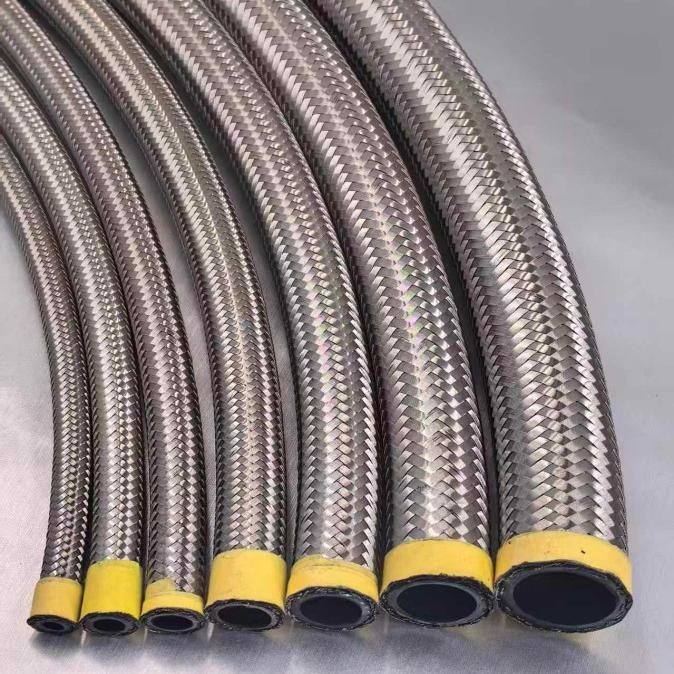
Selecting the right fuel hose for your application requires understanding the certifications and standards that govern safety, durability, and performance. A fuel hose must meet specific industry requirements to ensure reliable fuel delivery, prevent leaks, and withstand harsh operating conditions. Whether you operate heavy machinery, diesel vehicles, or industrial equipment, knowing which certifications matter can make the difference between equipment failure and years of trouble-free operation.
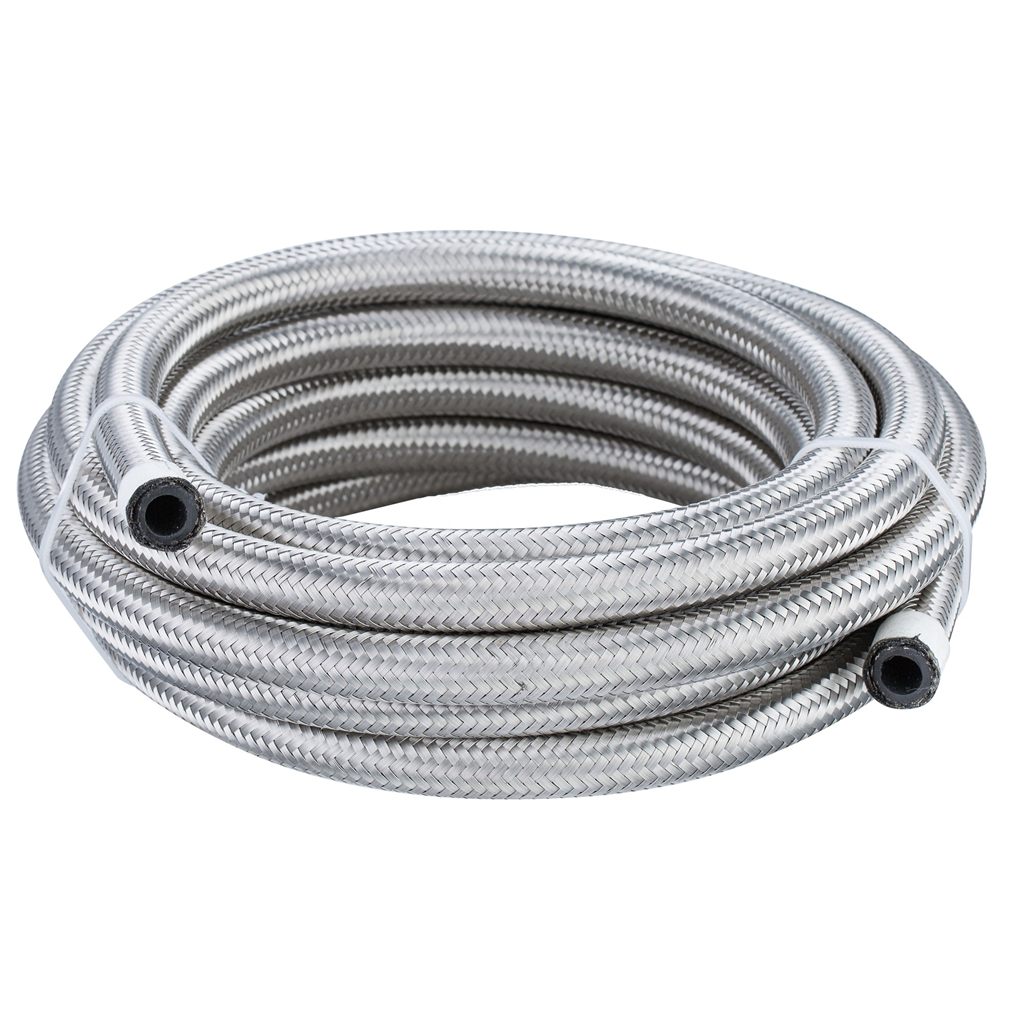
The fuel hose market includes many product types, from standard automotive applications to specialized industrial fuel line assembly systems. Each type must satisfy distinct performance criteria. Understanding these standards protects your investment, ensures regulatory compliance, and reduces the risk of costly downtime or safety incidents related to fuel system failures.
SAE Standards for Fuel Hose Performance
The Society of Automotive Engineers (SAE) publishes the most widely recognized standards for fuel hoses globally. SAE J30R7 and SAE J30R9 are among the most critical specifications that a fuel hose must meet in automotive and light-duty applications. These standards define requirements for fuel permeation, burst pressure, operating temperature ranges, and resistance to fuel and oil exposure.
SAE J30R7 Specification Requirements
SAE J30R7 governs non-reinforced and wire-reinforced fuel hoses designed for gasoline and light diesel applications. A fuel hose meeting J30R7 must withstand burst pressures of at least 300 pounds per square inch (psi) and demonstrate low permeation rates to prevent fuel vapor loss. The specification also requires compliance with temperature cycling tests, abrasion resistance tests, and compatibility with various fuel blends. Manufacturers of fuel line assembly systems targeting North American markets almost always reference SAE J30R7 as a baseline certification.
SAE J30R9 and High-Pressure Applications
For diesel fuel hose applications requiring higher performance, SAE J30R9 sets the standard. This specification applies to hoses used in fuel injection systems operating at elevated pressures. A diesel fuel hose compliant with J30R9 must achieve burst pressures exceeding 500 psi and resist the more aggressive chemical composition of modern diesel fuels. This certification is essential for fuel hose replacement in modern diesel engines, where fuel injection pressures continue to increase for better efficiency and emissions control.
International Certifications and Diesel Fuel Hose Standards
Beyond SAE standards, several international bodies issue critical certifications that a fuel hose must satisfy. These specifications ensure compatibility with regional fuel formulations, emission standards, and safety regulations. ISO and European standards have become increasingly important as global fuel specifications evolve and vehicle manufacturers implement stricter requirements.
ISO 1402 and European Fuel Hose Requirements
ISO 1402 is the international standard for fuel and lubricating oil hoses without reinforcement. A diesel fuel hose or any general automotive fuel hose meeting ISO 1402 must demonstrate specific performance criteria including burst strength, abrasion resistance, and thermal cycling durability. European manufacturers often design fuel line assembly products to exceed both ISO 1402 and local EN standards simultaneously. This dual certification is especially important for equipment destined for European markets or operating under European emission regulations.
EN and ASTM Certifications
European Norm (EN) standards and American ASTM International specifications provide additional layers of certification for specialized applications. A fuel hose replacement component intended for heavy-duty industrial use often requires EN 856 certification, which covers thermoplastic hoses for fuel and lubricating oil delivery. ASTM D471 certification ensures chemical compatibility between the hose material and various fuel types, including biofuels and ethanol blends. Meeting both EN and ASTM standards provides assurance that your fuel line assembly will perform reliably across different fuel formulations and geographic regions.
Material Specifications and Performance Certifications
The materials used in fuel hose construction directly determine which certifications the hose can achieve. Nitrile rubber (NBR), synthetic rubber compounds, and layered synthetic constructions each offer different advantages for fuel compatibility, temperature resistance, and longevity. Certification bodies test these materials extensively to ensure a fuel hose meets durability and safety benchmarks.
NBR Rubber and Fuel Compatibility Testing
Nitrile butadiene rubber (NBR) remains the industry standard for fuel hose construction due to its excellent fuel resistance and cost-effectiveness. A fuel hose manufactured from quality NBR must pass ASTM D471 immersion tests, which evaluate material swelling, tensile strength retention, and elasticity after prolonged fuel exposure. The certification demonstrates that the fuel line assembly will not degrade prematurely when exposed to gasoline, diesel, or biodiesel blends. High-performance NBR formulations also meet low-permeation requirements, minimizing fuel vapor escape during storage and operation.
Temperature and Pressure Performance Verification
Temperature cycling and pressure cycling tests verify that a diesel fuel hose or general fuel hose replacement product maintains structural integrity over its service life. Certification requires the fuel hose to endure repeated heating and cooling cycles without cracking, delamination, or performance loss. Burst testing confirms that fuel line assembly components deliver the specified pressure ratings without failure. These rigorous performance certifications ensure that your fuel hose investment provides years of reliable service and complies with equipment manufacturer specifications.
FAQ
What does SAE J30R7 certification mean for a fuel hose?
SAE J30R7 certification indicates that a fuel hose meets specific requirements for gasoline and light diesel applications, including minimum burst pressure of 300 psi, low fuel permeation rates, and compatibility with various fuel types and temperature ranges. This certification is essential for automotive and light-duty fuel systems in North America.
Is a diesel fuel hose different from a standard fuel hose?
Yes, a diesel fuel hose typically meets higher pressure specifications such as SAE J30R9, which requires burst pressures exceeding 500 psi. Diesel fuel hoses must also demonstrate enhanced resistance to the chemical composition of diesel fuel and withstand the higher injection pressures of modern diesel engines.
Why is fuel hose replacement important for equipment maintenance?
Fuel hose replacement prevents leaks, ensures consistent fuel delivery, and maintains compliance with equipment manufacturer specifications. Over time, fuel hoses degrade due to temperature exposure, fuel chemical attack, and mechanical stress. Replacing aged or damaged fuel line assembly components with certified products protects equipment performance and prevents safety hazards.
 EN