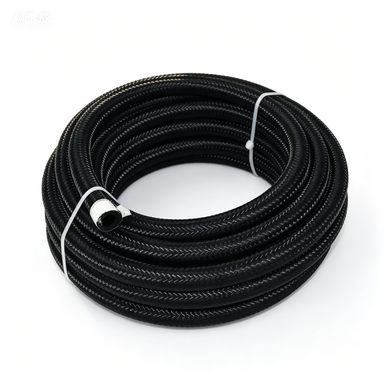
An NBR rubber hose serves critical functions across manufacturing, automotive, aerospace, and hydraulic industries. These hoses carry fluids ranging from petroleum products to coolants and hydraulic media, making certification compliance essential for safety, reliability, and regulatory adherence. Understanding which certifications your nitrile rubber tubing must meet ensures compatibility with equipment specifications, extends service life, and protects against system failures. Industries depend on properly certified hoses to maintain operational integrity, reduce downtime, and meet legal obligations.
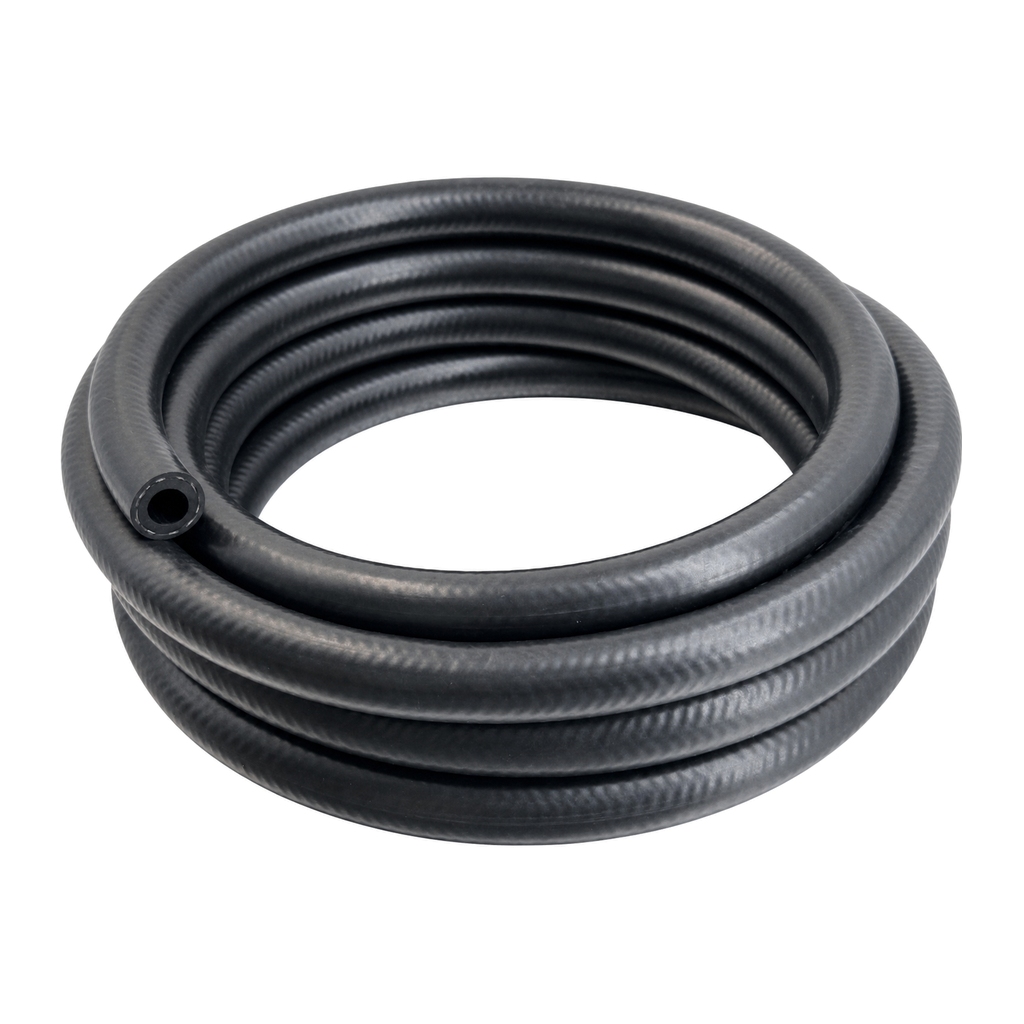
Certification requirements for oil resistant rubber hoses are established by international standards organizations, government agencies, and industry bodies. Each certification verifies that synthetic rubber hose applications meet specific performance criteria including pressure ratings, temperature ranges, chemical resistance, and durability under real-world conditions. Manufacturers must test and validate their products against these standards before distribution. Choosing hoses with the correct certifications prevents compatibility issues, ensures warranty coverage, and demonstrates compliance with regulatory frameworks in your industry.
SAE Standards for NBR Rubber Hose
SAE J30R7 and Fuel Line Applications
The SAE J30R7 standard defines requirements for nitrile rubber tubing designed for fuel and low-pressure oil applications. This certification ensures the hose withstands fuel permeation, maintains structural integrity at elevated temperatures, and resists degradation from petroleum products. SAE J30R7 compliance typically involves testing burst pressure, vacuum resistance, impulse cycling, and chemical compatibility. Hoses meeting this standard are suitable for fuel delivery systems, oil return lines, and other non-pressurized fuel transfer applications in automotive and small engine equipment.
SAE J343 High Pressure Hose Standards
SAE J343 certification applies to hydraulic hose assemblies, including those made from synthetic rubber hose applications. This standard requires rigorous testing for pressure rating, impulse durability, and temperature performance across the expected service range. Oil resistant rubber hoses certified to SAE J343 are engineered for demanding hydraulic systems where pressure fluctuations and temperature swings occur regularly. Certification verification includes measuring hose flexibility, adhesion between layers, and resistance to kinking or external damage.
International and ISO Certifications
ISO 1402 and Petroleum Hose Standards
ISO 1402 establishes international standards for hoses designed to transport petroleum products and other hydrocarbon fluids. An NBR rubber hose certified to ISO 1402 demonstrates compliance with precise requirements for wall thickness, pressure resistance, and fluid permeability. This certification is widely recognized across Europe, Asia, and other regions where international standards harmonization is required. Nitrile rubber tubing meeting ISO 1402 ensures consistent quality regardless of manufacturing location, facilitating global supply chain reliability and cross-border equipment installation.
ISO 6134 Hydraulic Hose Classifications
ISO 6134 classifies hydraulic hoses into categories based on pressure ratings, temperature capabilities, and intended duty cycles. Synthetic rubber hose applications certified under ISO 6134 provide clear performance boundaries, making it easier for engineers to select appropriate products for specific systems. This standard requires comprehensive testing including thermogravimetric analysis, flammability assessment, and performance validation under simulated industrial conditions. Oil resistant rubber hoses bearing ISO 6134 certification demonstrate international compliance and facilitate equipment qualification across multiple markets.
Industry-Specific Certifications and Compliance
Automotive and Aerospace Requirements
Automotive manufacturers often require additional certifications beyond standard SAE and ISO specifications. Common requirements include FMVSS compliance, GM standards, Ford specifications, and equivalent certifications from international automakers. An NBR rubber hose used in automotive fuel systems must pass durability testing simulating years of engine vibration, temperature cycling, and chemical exposure. Aerospace applications demand even stricter validation, including documentation of material composition, batch traceability, and performance certification at extreme altitudes and temperatures. Nitrile rubber tubing designated for aerospace use typically requires qualification per AS, AMS, or equivalent military standards.
FDA and Food-Grade Certifications
Certain synthetic rubber hose applications require FDA compliance when transporting food-contact materials, beverages, or pharmaceutical ingredients. Although NBR rubber hose is not traditionally considered food-grade, specific formulations may achieve this designation when manufactured under controlled processes and validated for safety. Oil resistant rubber hoses used in food processing equipment for non-contact applications still require certification demonstrating that extractable materials do not migrate into products. FDA compliance adds manufacturing complexity but enables access to regulated industries where standard certifications are insufficient.
Pressure Rating and Temperature Certifications
Understanding Pressure Ratings and Testing Protocols
Pressure rating certifications quantify the maximum safe working pressure for an NBR rubber hose under specified conditions. Certification bodies conduct burst testing, typically applying pressure until failure occurs, then setting the safe working pressure at a fraction of the burst pressure. Nitrile rubber tubing certifications also account for temperature dependencies; pressure ratings often decrease as temperatures rise above the standard test condition of twenty degrees Celsius. Oil resistant rubber hoses certified for specific pressure ratings ensure system safety and prevent catastrophic hose failure during normal or peak operating conditions.
Temperature Range Validation and Environmental Resistance
Temperature certification encompasses both minimum and maximum operational limits, typically ranging from negative forty to one hundred twenty-five degrees Celsius for standard NBR formulations. Synthetic rubber hose applications tested and certified at temperature extremes demonstrate maintained flexibility, elasticity, and pressure-holding capability across the full service envelope. Certification protocols include measuring hardness changes, tensile strength retention, and fluid permeation rates at cold and hot temperature limits. Oil resistant rubber hoses with wide temperature certifications reduce the need for alternative hose types in systems experiencing seasonal or operational temperature variation.
Regulatory Compliance and Documentation
Traceability and Quality Assurance Standards
Modern NBR rubber hose certifications require complete traceability documentation including material composition, manufacturing batch numbers, test dates, and individual test results. An NBR rubber hose supplier must maintain records demonstrating compliance for each production lot, enabling rapid identification and recall if issues arise. Nitrile rubber tubing certifications increasingly demand quality management system validation, such as ISO 9001 certification, ensuring manufacturing consistency across production runs. Oil resistant rubber hoses sold into regulated industries require detailed certificates of conformance accompanying each shipment, verifying that specific products meet stated certifications.
Third-Party Testing and Certification Bodies
Recognized third-party laboratories conduct independent testing and certification for synthetic rubber hose applications, providing customers with unbiased performance verification. Organizations such as TÜV, UL, and equivalent bodies maintain accreditation and testing capability for SAE, ISO, and industry-specific standards. An NBR rubber hose receiving third-party certification carries greater market acceptance than self-certification, particularly in safety-critical applications. Customers purchasing nitrile rubber tubing or oil resistant rubber hoses can request third-party test reports, ensuring certifications reflect rigorous independent assessment rather than manufacturer self-testing alone.
FAQ
What is the difference between SAE J30R7 and SAE J343 certifications for NBR rubber hose?
SAE J30R7 applies to lower-pressure fuel and oil lines in automotive and small engine applications, while SAE J343 covers high-pressure hydraulic hose assemblies. An NBR rubber hose certified to J30R7 handles fuel permeation and moderate temperature conditions, whereas J343-certified nitrile rubber tubing withstands continuous pressure cycling and higher operating pressures. Oil resistant rubber hoses in J343 category require more robust construction and rigorous impulse testing compared to J30R7 hoses. Selection between these standards depends on your system pressure rating and intended application.
Do all NBR rubber hose products require international ISO certifications?
ISO certifications are mandatory for synthetic rubber hose applications sold internationally and in regulated industries, but domestic applications may require only national standards like SAE. An NBR rubber hose used exclusively within North America might comply with SAE standards alone, while nitrile rubber tubing exported to Europe must meet ISO equivalents. Oil resistant rubber hoses serving multinational companies typically require dual certification to SAE and ISO standards for supply chain flexibility. Verify your end-use market and customer requirements before selecting certification specifications for your hose products.
How can I verify that an NBR rubber hose meets stated certifications?
Request the manufacturer's certificate of conformance and third-party test reports as proof that nitrile rubber tubing meets claimed certifications. Reputable suppliers provide detailed documentation including test dates, batch numbers, and specific performance data supporting synthetic rubber hose applications certification claims. An NBR rubber hose or oil resistant rubber hoses should be accompanied by traceability records enabling verification through the manufacturer's quality management system. Contact independent certification bodies directly to confirm accreditation of testing facilities and validate certification legitimacy if you have concerns about product compliance.
 EN